Part II: Non-American alternatives might be bad for your health
Originally published in Dutch in EW Magazine on September 3rd 2021, this article was translated and adapted on the 3rd of September 2022.
America represents freedom, democracy, and the right to self-determination. That self-determination is however limited to pro-American options. Countries that flirt with non-American alternatives receive a friendly reminder to make the ‘correct’ choice. If that proves insufficient it usually does not end well for the deviant country.
In Part 1 of this series, we examined the way in which the United States has dictated the global rules since the end of the Second World War. US foreign policy was not limited to rule setting however, in cases where countries tried to extract themselves from the American world order the United States would proactively intervene, with violence if necessary. Undermining or even outright destroying non-American alternatives was a common tactic.
You are either with us, or against us
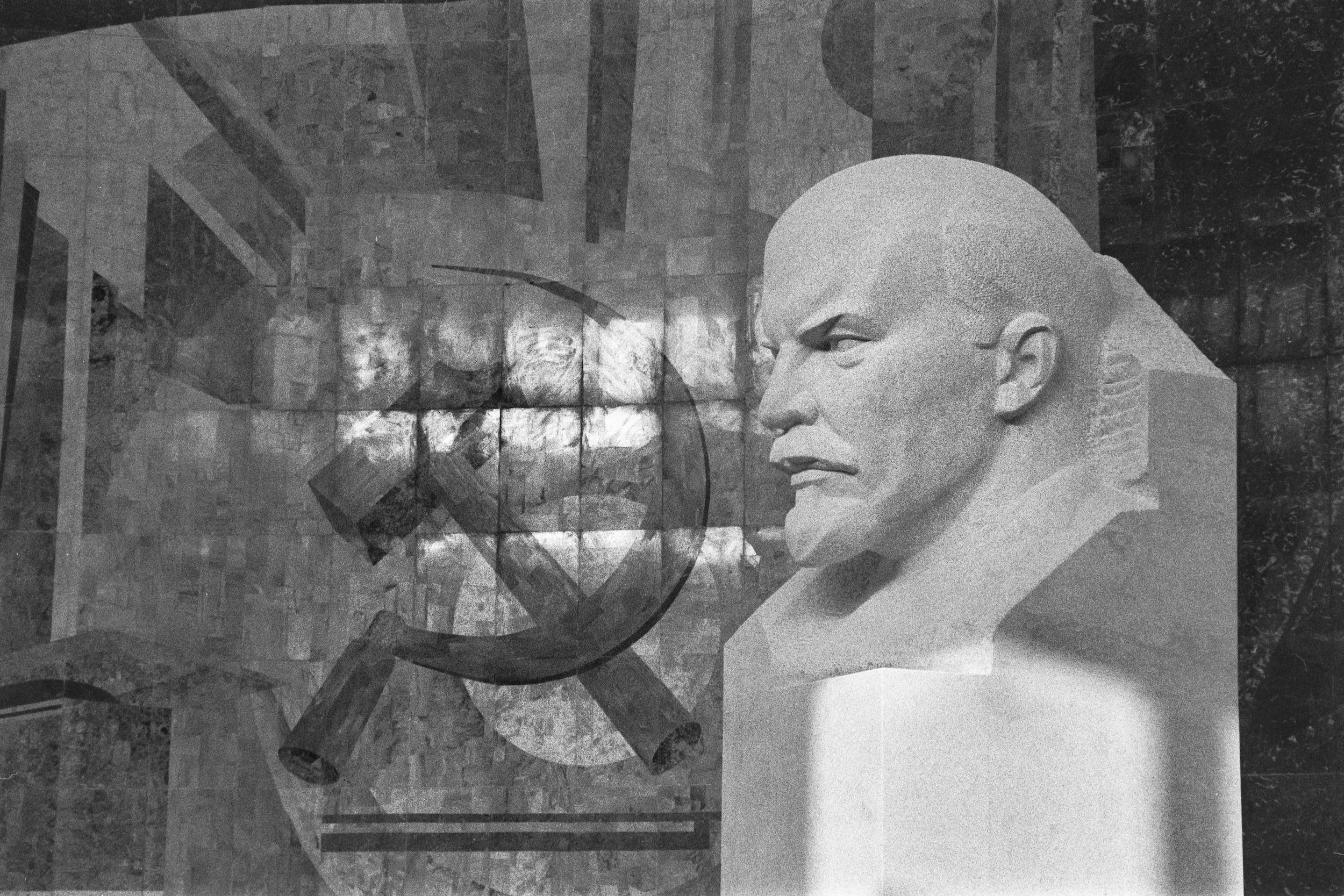
During the Cold War everything was seen through the lens of the Red Scare, the threat of the political and military threat that the Soviet Union posed. The world was neatly divided into three groups. The First World, countries that had allied with the United States and preaches capitalism, the Second Word, countries that followed communism, and the Third World, countries that were neutral or non-aligned.
The Second World was the enemy, but the Third World was that ideological battlefield on which Communism had to be defeated. In the American strategic narrative, it was quite simple, you could join the US by being part of the free world, or you could decline into a communist dystopia. This narrative gave rise to a dangerous logic: Anything that is non-American is communism, and therefore a legitimate target for the military, political, and economic power of the United States.
Walk softly and carry a big stick
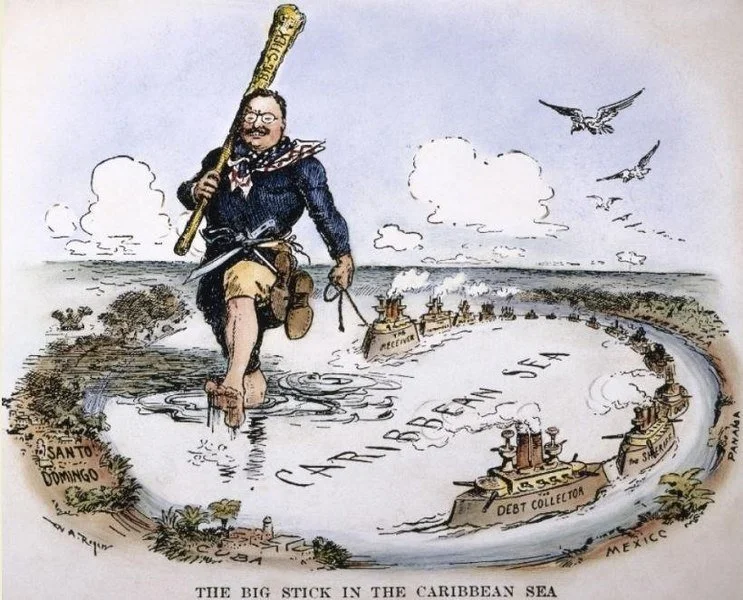
Mere years after 1945 the United States started exerting pressure in European elections. In the 1948 Italian general election it seemed like the popular communist party would gain the majority. Against the backdrop of the Soviet-backed coup in Czechoslovakia in 1948 the United States saw a communist victory in the ballot box as the end of democracy in Western Europe. A communist victory after all meant totalitarianism, atheism, and starvation.
With this fear in mind the freshly minted CIA started an ambitious campaign to counter this disastrous outcome. Millions of dollars were funneled to the political opponents of the communist. The economic support under the Marshal plan was used as a weapon against the political left (which were seen as in league with communists), and an extensive propaganda campaign was coordinated with the Vatican to emphasize the godless nature of the communists.
The Americans ultimately prevailed, with the left-wing losing seats. The playbook developed in 1948 was used in every Italian election for the next 24 years. For the United States a democratically elected communist majority was intrinsically undemocratic.
Operation ‘Save’ Indonesia
Even a casual student of history in South-Asia is well aware of the genocides under Mao, Stalin, and Pol Pot. These events rightfully loom large in the modern imagination. Yet suprinsingly few are aware of an event called the Indonesian Killings. During this period between 1965-1966 a political cleansing occured in Indonesia with an estimated death toll of between 500,000 and 1.2 milion. The victims were ostensibly communists but included atheists, ethnic minorities, and feminists. In a coup led by general Sudharto the democratically elected president Sukarno was deposed, ushering in a military dicatorship that would last for 30 years.
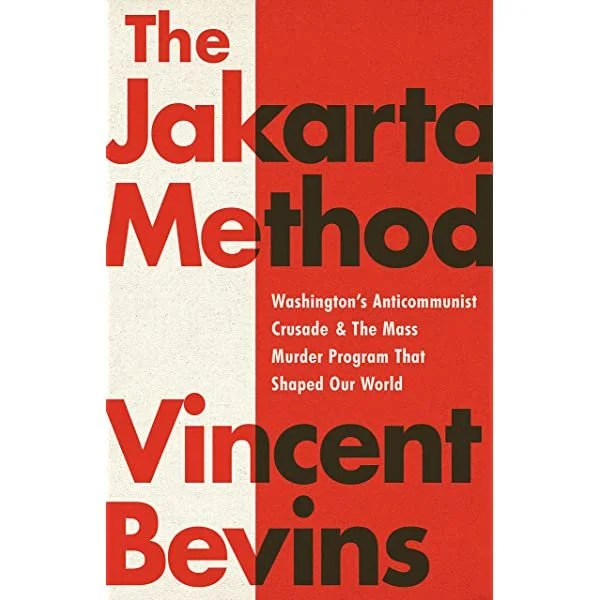
Recently released documentation shows that the United States was not only aware of the mass murders, but offered financial, logistical, and political support to the perpetrators. Other Western countries such as Australian and the United Kingdom had active rolls in suppressing journalists from reporting on the ground and aided in spreading positive propaganda.
Although the events of 1956 are hardly discussed even today, Time magazine’s analysis was telling: “The West’s best news for years in Asia”. A couple hundred thousand communists dying in the strategic competition with the Soviet Union was seen as two birds, one stone. If some innocent civilians got caught in the crossfire that was an unfortunate reality of war. The bigger picture remained that American facilitated brute force and the murder of over a million people was cause for celebration in Washington DC.
The Washington Consensus
Since the end of the Cold War the American strategic toolkit shifted primarily to the use of economics. In the monopole world of the Pax Americana, developing economies (the modern day version of Third World countries) in need of economic assistance faced a difficult dilemma. Whereas in the past it had been possible to play the USSR and the US against each other, no such option existed.

This meant that the US was able to simply impose economic policy, sometimes referred to as the Washington Consensus. Most often this represented a package of economic reforms in exchange for loans from the IMF and World Bank. Primarily oriented around free market principles, deregulation, and an emphasis on the private sectors, the Washington Consensus was in fact a blue print for neoliberalism and globalization.
Protectionism, subsidies, and extensive industrial policy were an obvious no go. Meanwhile the United States gave enormous subsidies to its own agricultural sector. For many of the recipients of development aid clear and meaningful difference were made. But it is specifically the countries that succeeded in pursuing economic reforms at their own pace that are seen as the economic success stories: Singapore, Republic of Korea, Taiwan, India, and above all others, China.
Carrots or sticks
Multiple attempts have been made by countries to retain a degree of strategic autonomy. Attempts to find alternatives to the American rules of the game were proactively undermined. Some aspect of this is understandable against the context of the Cold War, but even after the Fall of the Wall the US has continued intervening. Where possible it would intervene with carrots, but if necessary, with sticks. In the most extreme example, the United States launched full scale invasion of Grenada.
The logical endpoint has been articulated by Francis Fukuyama in his End of History thesis. A global convergence towards the US model of governance and economics, a process that I have referred to as Americanization. Despite the use of political, military, and in the modern day especially economic tools however, the American hegemony is slowly but surely degrading.
In part three of this series we will examine one of the most pertinent questions of our time: Are we reaching the end of the Pax Americana? What would that mean? A world order built on the United States might have some trouble in weaning itself off American influence after all…