The crumbling pillars of EU foreign policy and the coming European Renaissance
Originally published in Dutch in EW Magazine on March 9th 2022, this article was translated and adapted on the 3rd of September 2022.
The Russian invasion of Ukraine has shaken the core of the European vision on foreign policy. Long cherished beliefs and assumptions have been drawn into question, and with it the very identity of Europe. The EU was founded to remove the possibility of warfare on the continent, now that it has returned what does this mean for Europe?
The two foundational European pillars of foreign policy are pacifism and economic interdependence. These two assumptions lie at the core of how Europe sees itself, and how it sees the world. Europe refuses to use hard power (pacifism), fixates on soft power (ideals), and economics should be according to free market principles. This worldview has been shattered by the Russian aggression in Ukraine, and a new paradigm for Europe has dawned. Both the political left and right have had their ideological convictions collide sharply with reality.
Ideals are not bulletproof
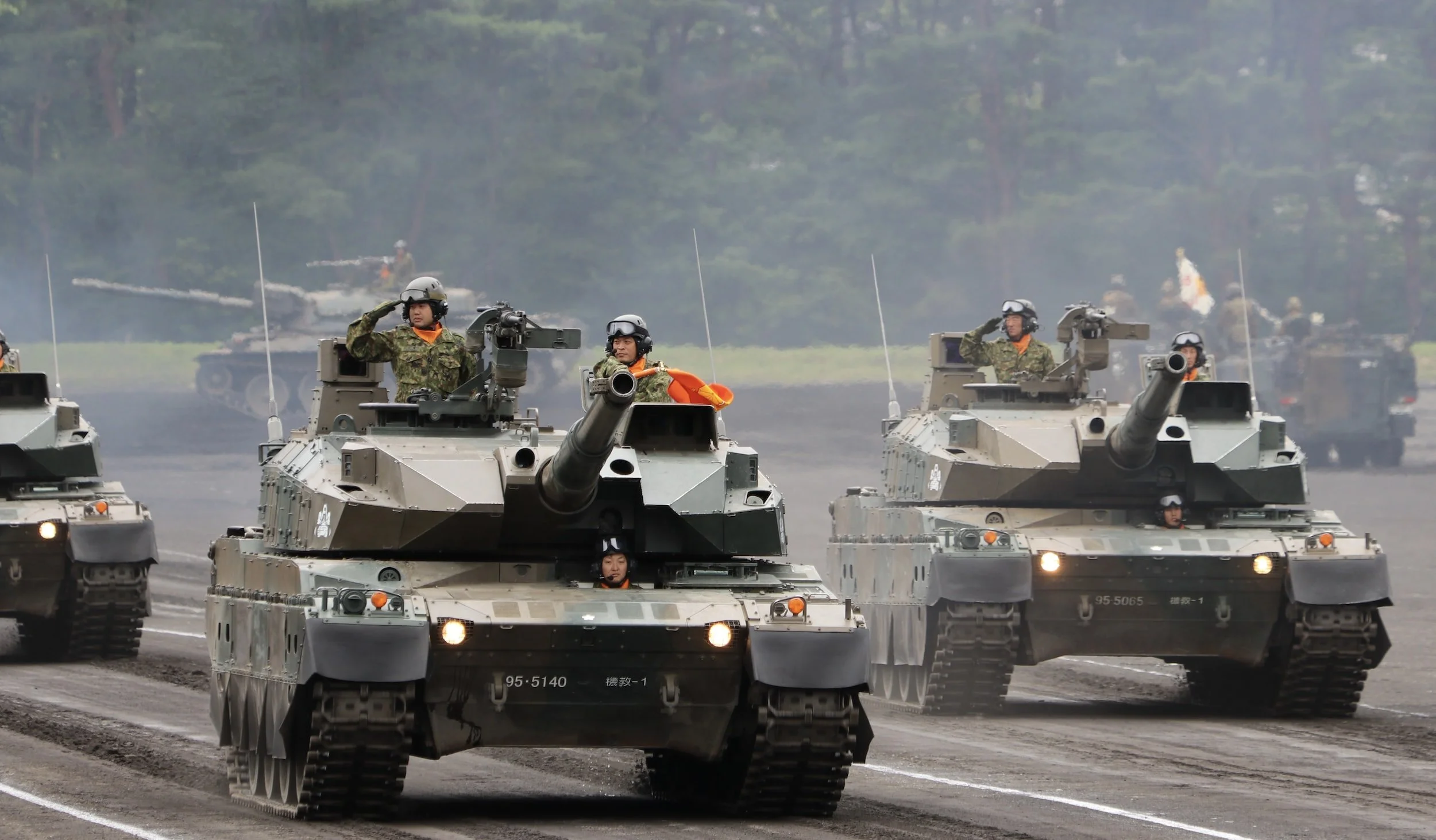
The political left has had to come to terms with the role of violence in the world. Especially youth in Europe has a post modern vision on defense and violence. True idealism meant that violence has no place in the modern world, defense expenditure is a waste of money. Warfare and violence as a tool of foreign policy belongs in the 20th century, and has no place in the contemporary world.
From Ukraine we see that ideals unfortunately offer little protection from bullets, and that the defense of your ideals cannot be contingent on only words, but requires arms as well. As post-modern as Europe sees itself, a Russian tank will go where it pleases.
On the political right, which has historically fixated on free markets as the driving principle of foreing policy, assumptions have also been challenged . The dogma that economic interdependence and free trade would consign warfare to the dustbin of history (sometimes called Ostpolitik) has been proven wishful thinking. Coherent and capable rivals like the China and Russia are quite willing to leverage economics and trade as a part of great power competition. Even the United States, the historic standard bearer for neo-liberalism has started to drop some of its free trade axioms in the strategic competition with China. Free trade in foreign policy ultimately means outsourcing foreign policy to rivals and market forces.
A European wake up call
Mere days after the Invasion of Ukraine the European Union has taken steps that were unthinkable before.Europe has collective shed its aversion to defense spending, with uber-pacifist Germany leading the charge by announcing it will accommodate the 2% GDP defense spending norm of NATO. Extensive economic sanctions have been raised that will have serious economic impacts within Europe. The poster child for security through economic entanglement, Nordstream 2, has been (permanently) scrapped. With the energy crisis deepening the EU is now considering an energy cap, a far cry from its neo-liberal founding principles. The old paradigm has been shattered. The untouchable pillars of pacifism and economic interdependence are untouchable no more.
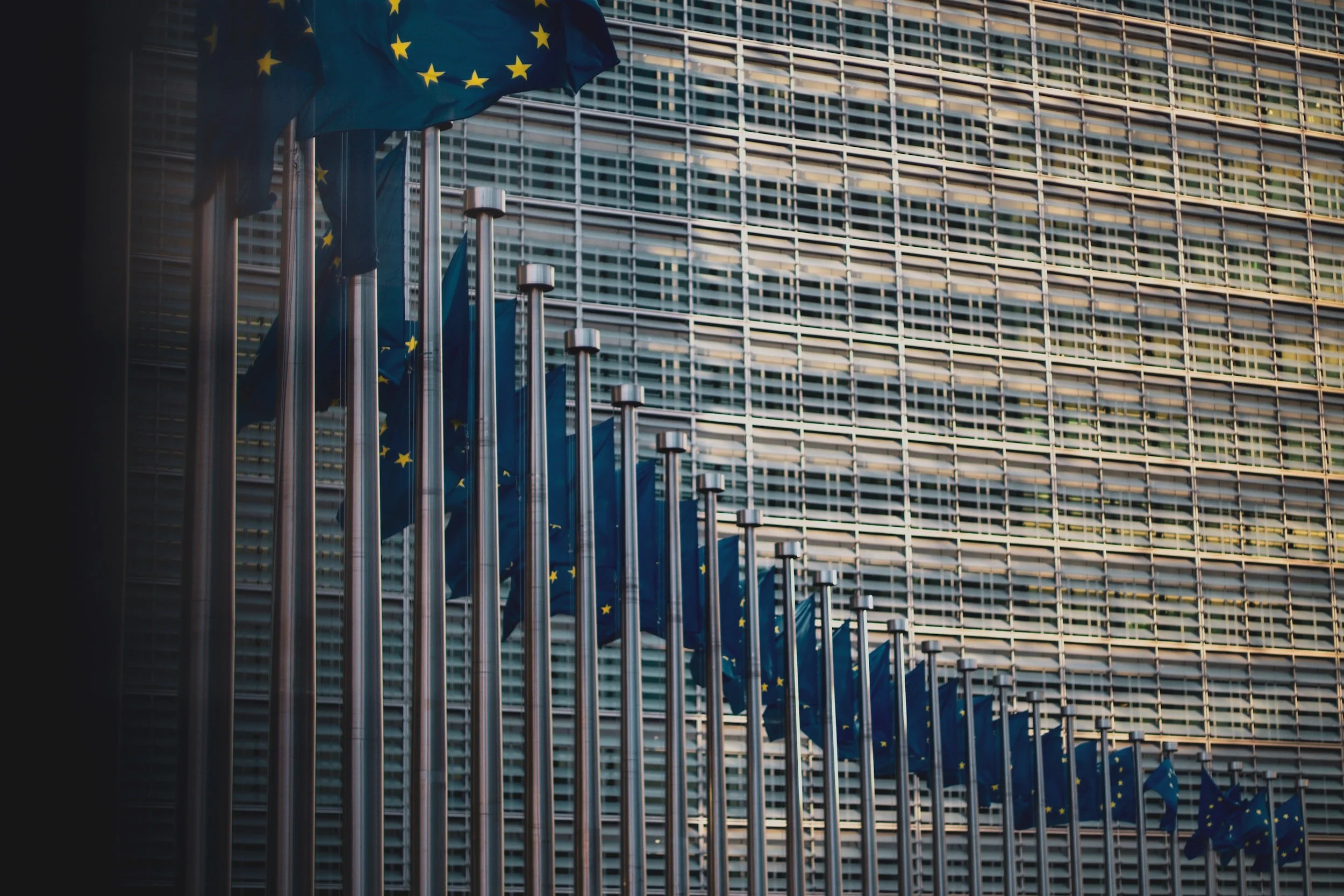
This development will have consequences for Europe that are not limited to just defense. A wholesale reevaluation of Europe’s role in the world, and a realization of the power Europe has if it acts as one will completely reshape European identity. In a geopolitical environment where climate change, artificial intelligence, the Sino-US strategic competition, and the next pandemic are all looming, Europe will be forced to make some difficult decision. Societal challenges demand interventions that do not conform to free market principles.
European geopolitical identity
The waning of pacifism and free trade as the axioms of policy has opened up a cornucopia of new policy options. From a hard external border, to European industrial policy, from foreign policy made at the EU level to a full strength European army, the possibilities are extensive. Policy portfolios that had been stuck for decades have started to look very different, and rapid advancement on a host of issues has become possible.
With this, the post-Cold War paradigm that had started wavering already is over. What follows next is an open question. Europe has both the need and the means to develop into a great power, if it is able to engage proactively with what that means.