The Pax Americana stands or falls with the fate of Taiwan
Originally published in Dutch in EW Magazine on August 9th 2021, this article was translated and adapted on the 3rd of September 2022.
Cracks are showing in the US dominated world order. Taiwan has become the focal point of enormous economic and geopolitical interests. But Taiwan might also prove to be the tombstone for the Pax Americana.
The United States has been the world sole superpower for over 30 years now, and has sucessfully created an entire American led world order. This order was based on human rights, free trade, and globalization; all premised on a backbone of American military might. Taiwan is the logical end product of the Pax Americana – but it might very well be the endpoint as well. What happens in Taiwan will either extend American global hegemony, or usher in its inevitable decline.
Taiwan: The country that is not a country
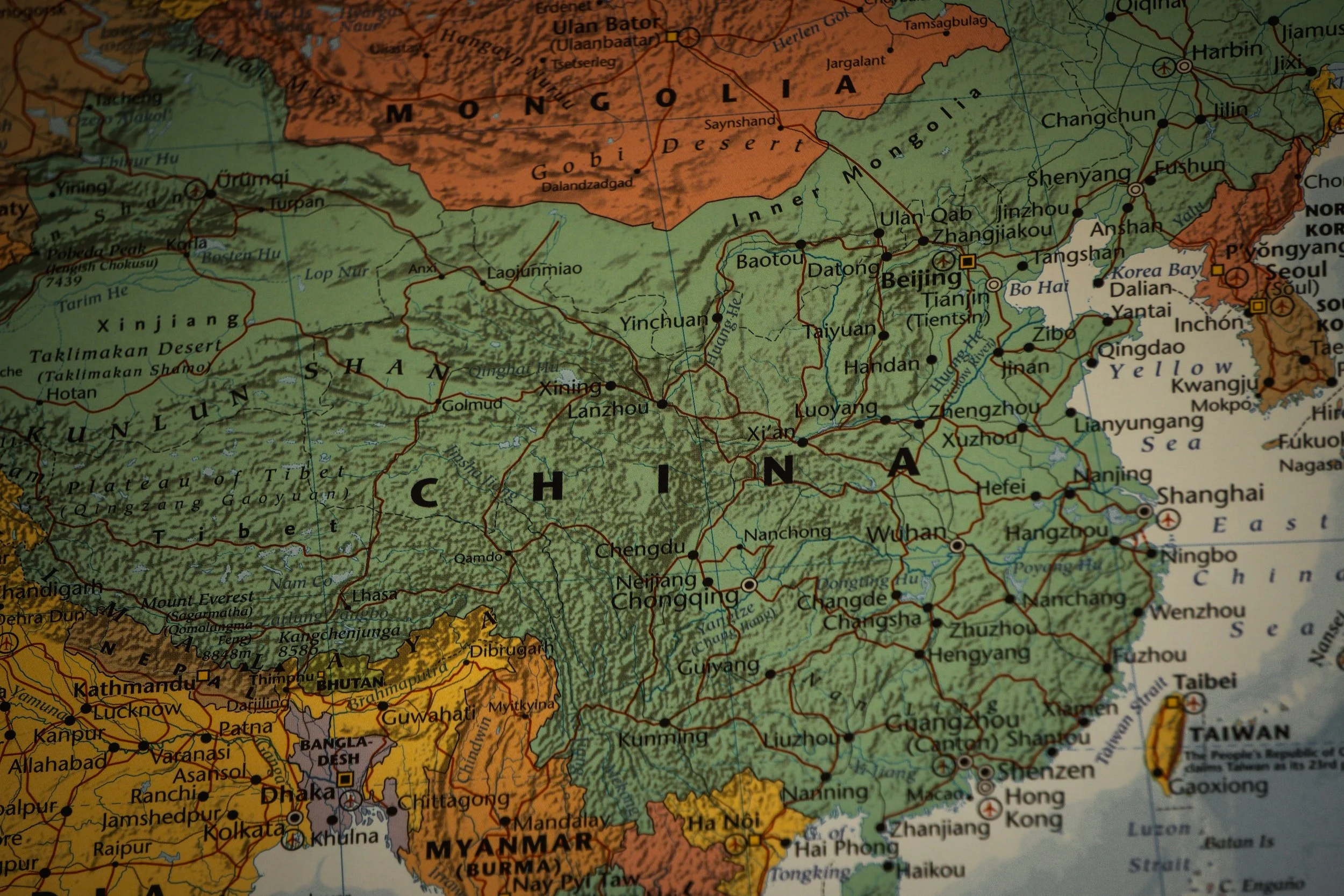
Whichever way you look at it, Taiwan is not a normal country. Even calling it a country is likely to draw reprimands from the People’s Republic of China, as it is technically a territory, or if you ask the Chinese, a province of China. Taiwan, also known as the Republic of China (ROC), is the remnant of the Chinese civil war of 1927-1949. After the communist victory, the leadership of the ROC flew to the island of Taiwan to form a government in exile.
The People’s Republic of China (PRC) was preparing to invade the island when the Korean War started. The presence of US naval forces in 1950 put the final resolution of the Chinese civil war on ice. In 1979 the United States recognized the PRC as the legitimate Chinese state, and Taiwan has been an undefined historical relic of great power politics ever since.
Critical hub in the global economy
Although only a few countries recognize her, Taiwan plays an outsized role in the global economy. Semiconductors, the lifeblood of the modern economy, are primarily produced in Taiwan, which is responsible for roughly 60% of global supply. Around half of all global shipping went through the Strait of Taiwan in 2022. In other words, the entire global economy is anchored in Taiwan through trade in some of the most sophisticated technologies ever created. The purely economic interest in Taiwan is obvious, but for the Americans there is another factor at play.
Taiwan is the manifestation of American great power. Taiwan only exists by virtue of the implicit security guarantee of the Americans. The global dependence on Taiwan is the logical end product of a world order built on globalized free trade. The neo-liberal supply chain optimization and hyperspecialization of Taiwan’s industrial base were a match made in heaven. Taiwan’s status as a democracy, recognizing LGBTQ+ rights and rule of law exemplifies the normative component of American great power. In fact, Taiwan is the poster child for the American model of capitalism and democracy, backed by the security guarantee of the Pax Americana. But the moment America withdraws its security guarantee Taiwan faces annihilation.
The most important choice of the 21st century
The choice on whether to defend Taiwan posed an enormous dilemma for American strategists. One option is to defend Taiwan until the bitter end. This would mean that the United States has decided that their great power status must be protected with blood, guaranteeing a great power conflict and eventually a Third World War. Although the cost will be horrendous, there are clear advantages to this. The United States will still have an extensive network of allies and the balance of power would be titled heavily in favor of the Americans. The only question such a conflict is political sustainable, ie whether the American voter would be willing to lose thousands of US soldiers in the defense of Taiwan.

The second option is to not defend Taiwan, and merely offer financial and logistical support. In practice this means that the United States would openly admit that its hegemony is over. China has become a true rival and the costs of containing them is too high for the Americans to bear. This scenario also carries dramatic consequences although they will take considerably longer to unfold and are more subtle. The entire global economy will be disrupted, as various countries will need to re-industrialize at high speed to compete on semiconductors, artificial intelligence, and quantum computing.
At the same time protectionist and nationalist rhetoric will be in ascendance, echoing the years before the Second World War’s Smoot-Hawley tariffs. Territorial integrity will be drawn into question and the stability of global supply chains undermined. Alliances that have existed since 1945 will starts shifting and changing. In the short run a great power conflict has been avoided, but in the long term the Americans will have a far weaker hand to play. On top of that it is unclear what China’s next step could be.
Chamberlain or Churchill?
There is no easy solution for the Taiwan-dilemma. If the Americans choose an appeasement strategy and follow Chamberlain’s appeasement of Nazi Germany the era of American hegemony is over. If they choose Churchill and directly confront China we have arrived at a Third World War.
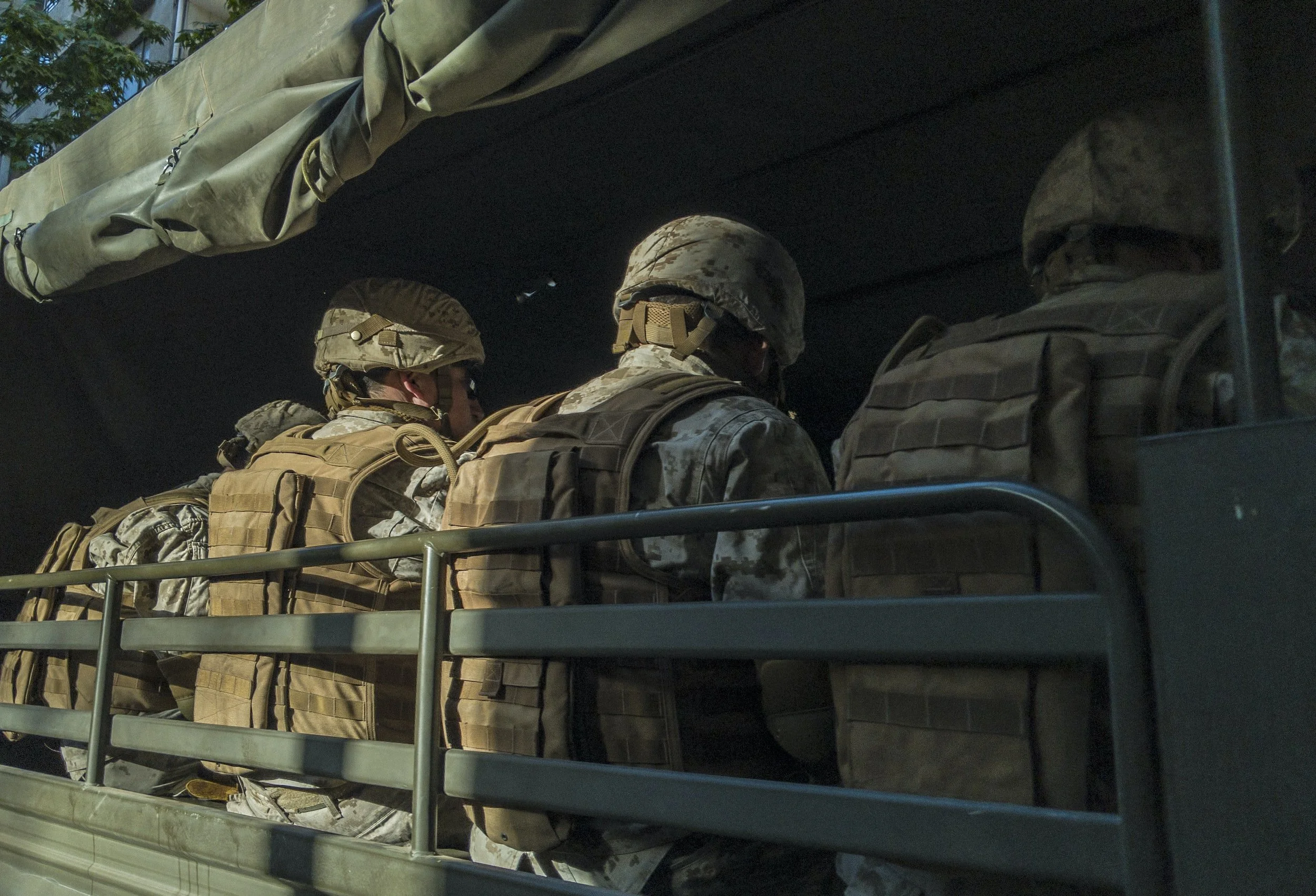
Time and confidence are important variables in this conflict; if American strategist are convinced that a great power conflict is inevitable then it is in the US’ interest to start the conflict sooner rather than later. The gap between American and Chinese military capacities right now is as large as it will be and the United States has a strong network of allies to count on.
If the Americans decide a near term conflict with China is not in their favor, the strategic calculus starts shifting. Appeasing China does not remove the possibility of a future great power conflict, and would give China time to close the military gap as well as peel off US strategic allies. The Russian invasion of Ukraine notwithstanding, we have lived – since 1945- in a world without direct great power conflict. Unfortunately more and more pathways are pointing to the end of of that era, with the majority of those paths running straight through Taiwan.