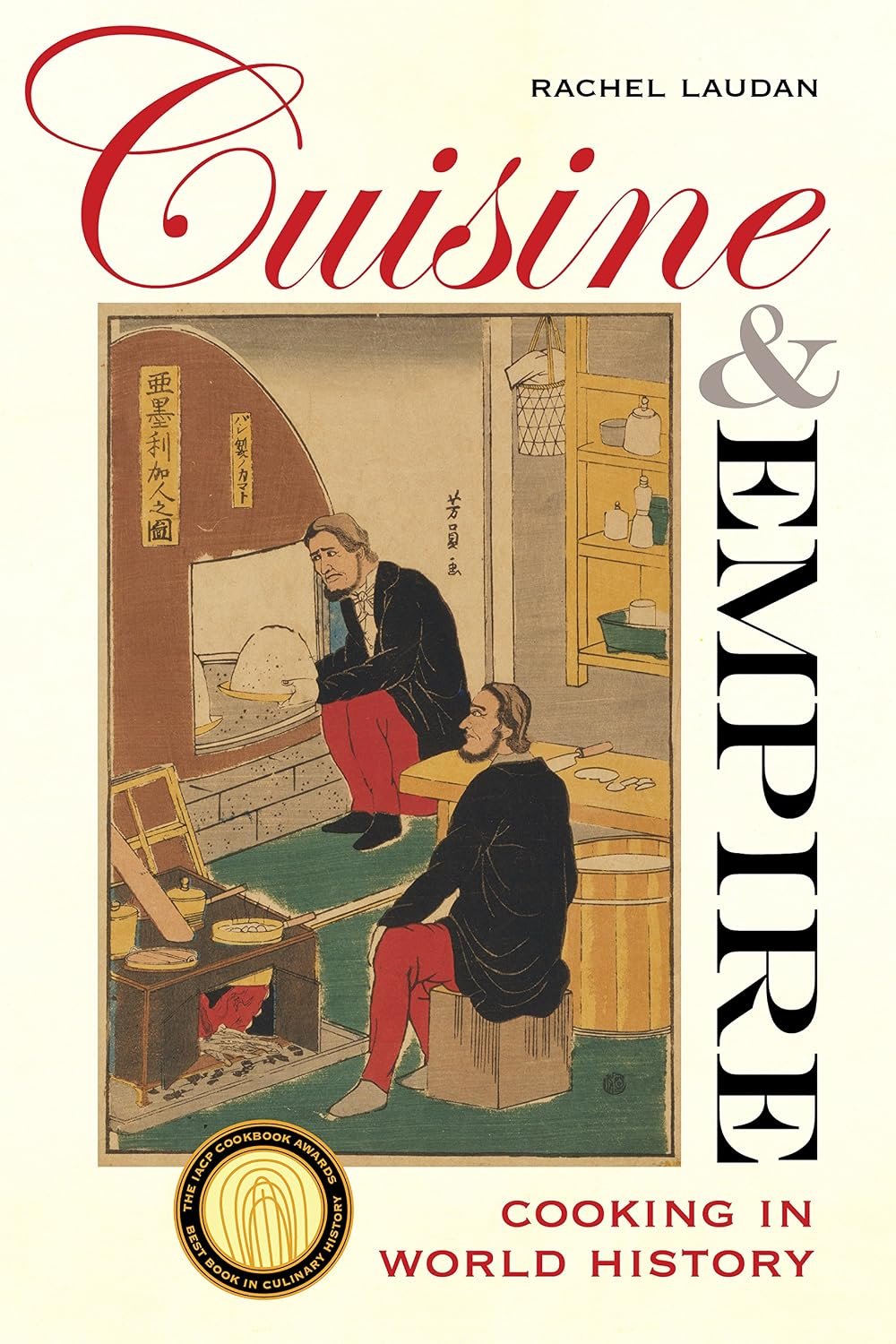
Cuisine and Empire, by Rachel Laudan
A lively examination of cooking as one of the first transformative technologies and cuisine as a carrier of empire. Culinary techniques have served armies and disseminated culture across the world.
Black Wave, by Kim Ghattas
Examines how the Saudi-Iranian rivalry after the Iranian Revolution shaped the region and the wider world. It treats the peoples and actors of the region as agents rather than pawns in a geopolitical chess game.
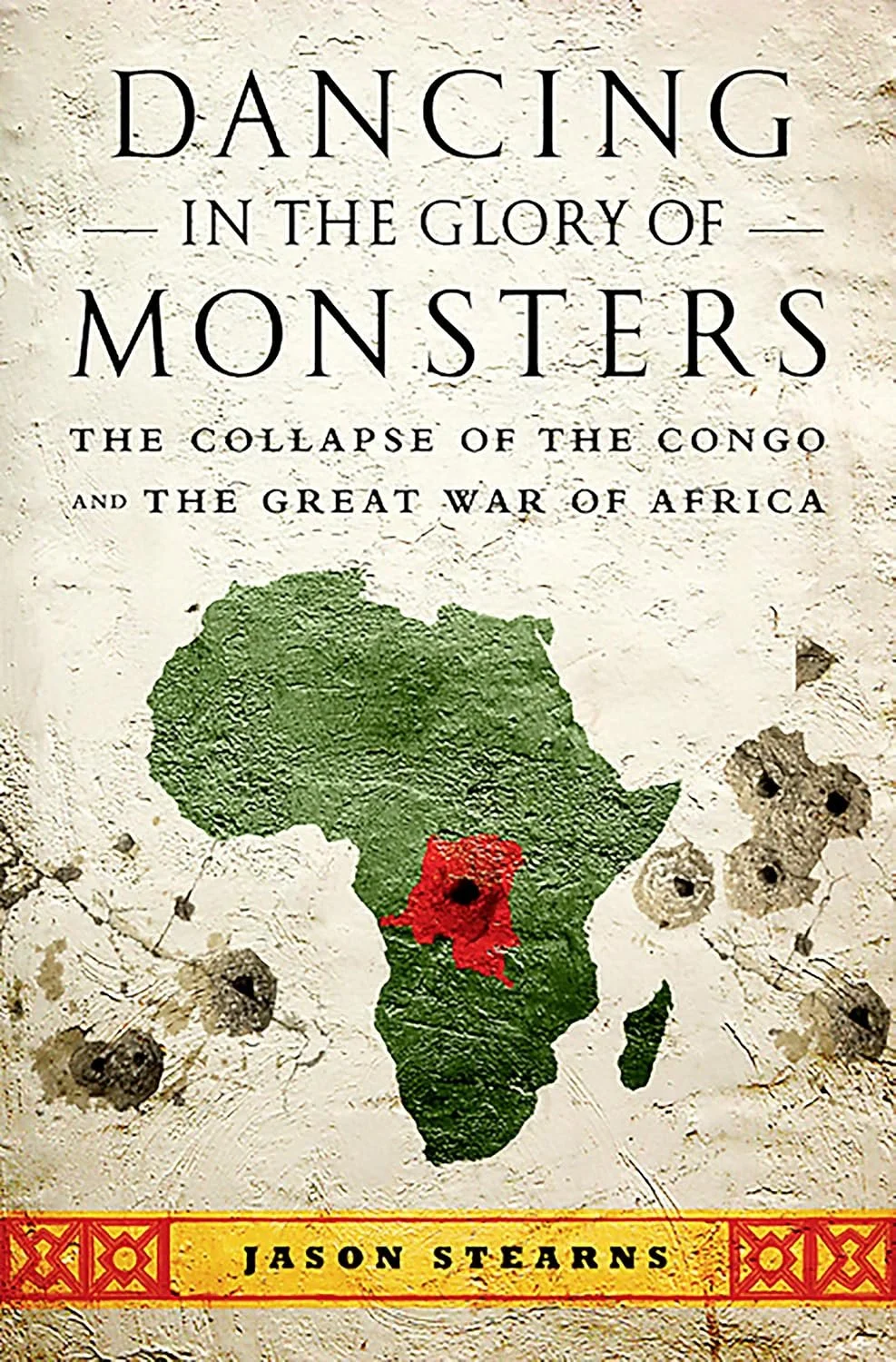
Dancing in the Glory of Monsters, by Jason Stearns
Examines the Congo War, a conflict on such a scale that it is sometimes called Africa’s World War. Rarely covered, it can also be understood as a resource war in which conflict minerals played a critical role.
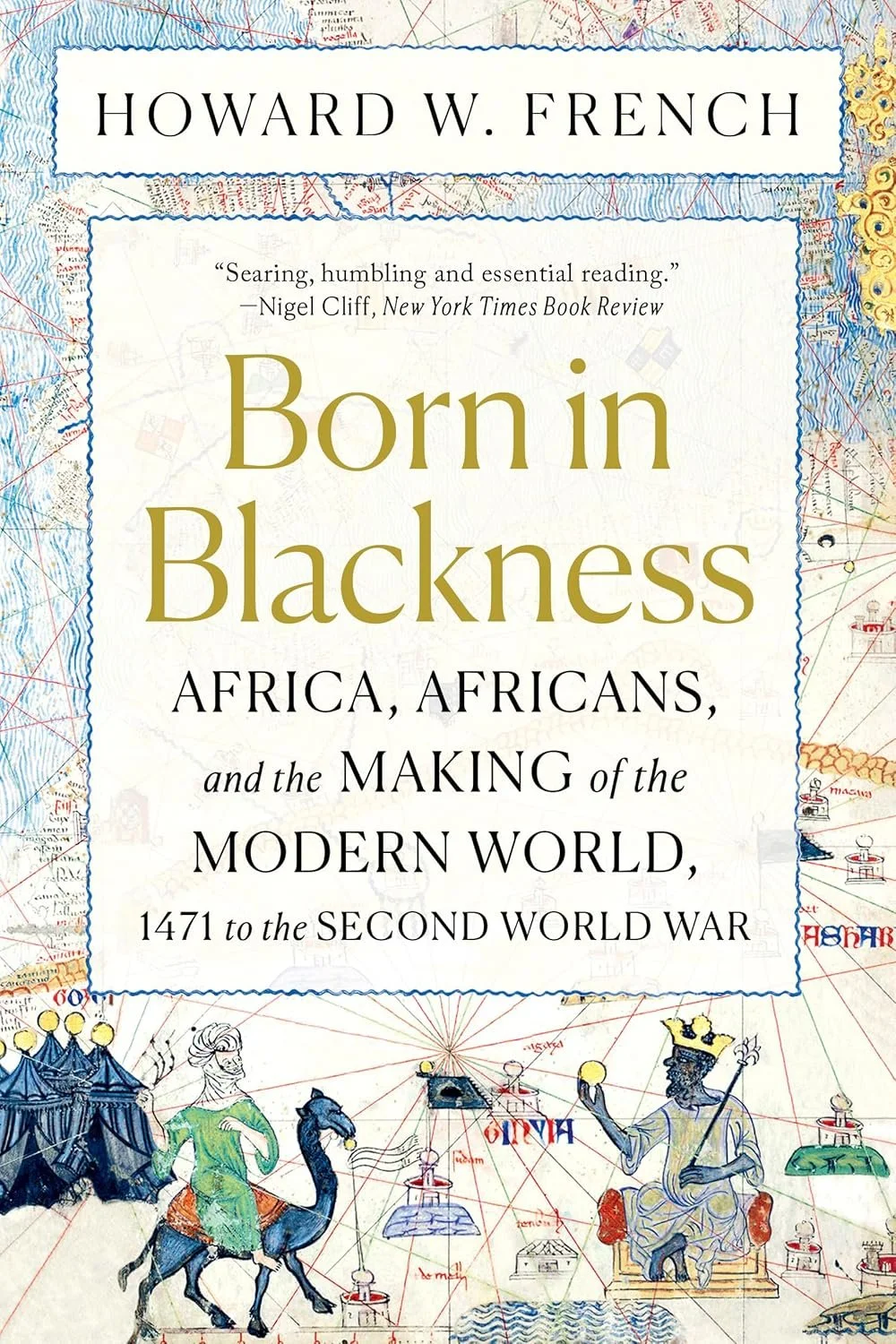
Born in Blackness, Howard W. French
A sweeping analysis of six centuries in which Africa played a crucial part in creating the modern world. It recovers the rise and fall of powerful empires that are studied too little in the West.
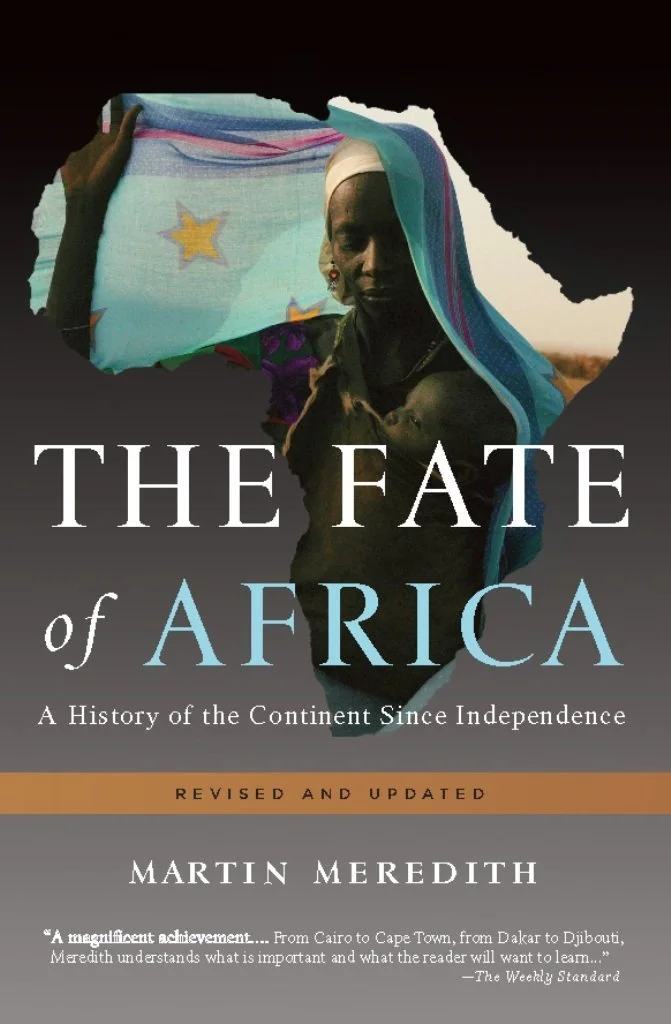
The Fate of Africa, by Martin Meredith
Covers six decades of post-independence Africa and shows how decolonisation took many different forms. Each colonial power left a different legacy and scar that had to be overcome.
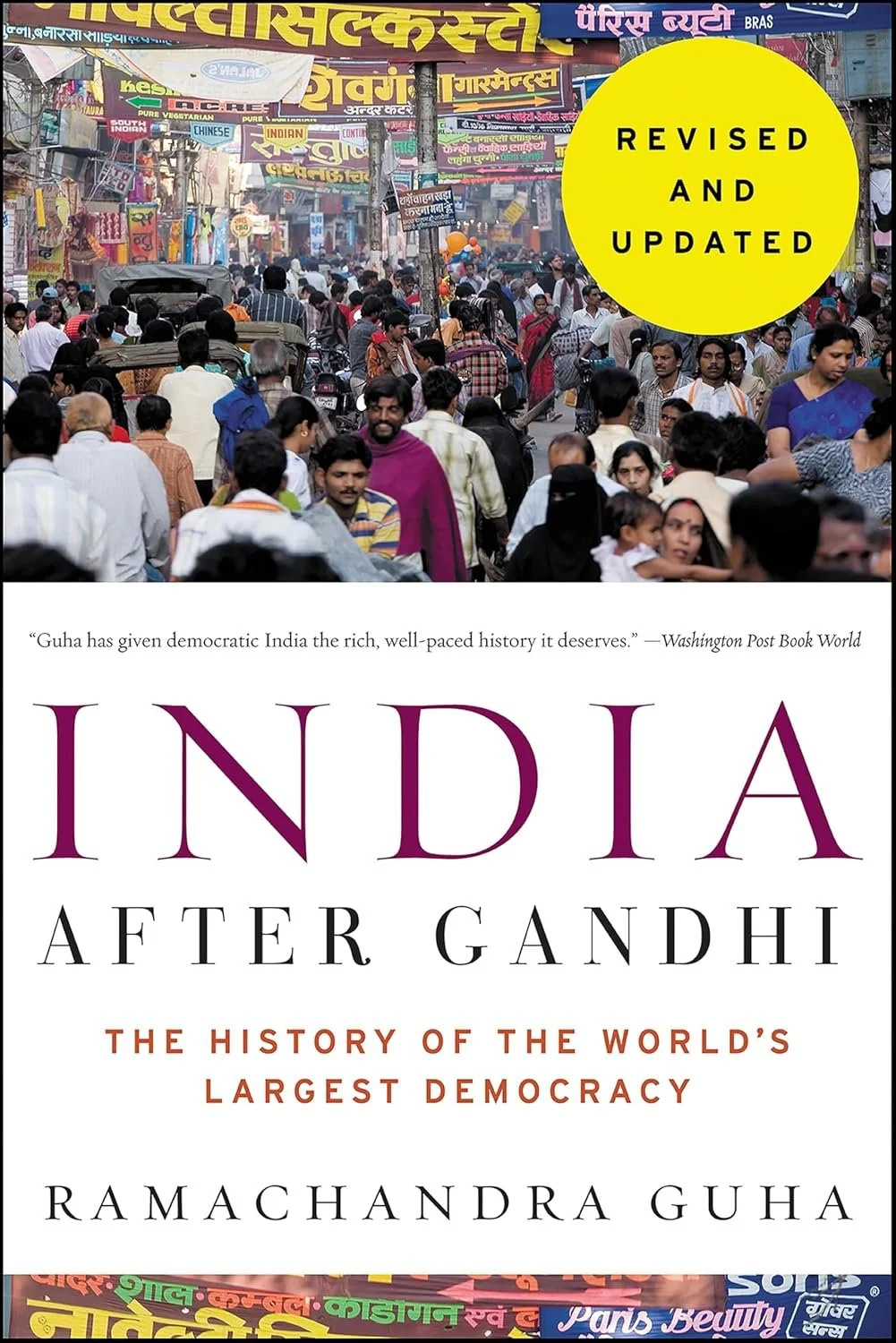
India After Gandhi, Ramachandra Guha
An in-depth history of India’s first steps into democracy. It navigates the legacy of colonialism, geopolitical pressures, and internal cleavages, and shows that India has long charted its own path in the world.
How Asia Works, by Joe Studwell
Examines the successful industrial policy of the Asian Tigers: domestic educational and agricultural programmes, followed by national industrial champions, and finally financial liberalisation.
The Jakarta Method, by Vincent Bevins
Shows the catastrophic cost of a security spiral run amok and how fear of communism led the United States to support mass murder.
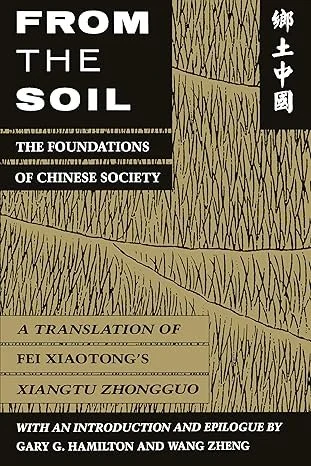
From the Soil, By Feixiao Tong
The foundational text of Chinese sociology. It attempts to map Western sociological theory directly onto Chinese society, highlighting crucial differences.