THE COMPANION READER
The book ends.
The conversation continues.
Explore the reading, media, and sources behind The Techtonic Shift.
With AI and geopolitics evolving rapidly, here is what you can study to keep up!
How to use this list
I like to read big, sweeping books that present a structural analysis or an overview of the world and to then follow up by reading books that zoom in on one region, topic, or field of study that I can hang inside that macrostructure. The Techtonic Shift is written as a sweeping book, so most of the recommendations here are narrower; they can be inserted wherever your interest lies.
This list is not a bibliography. Some of these books reinforce my argument, some of them directly contradict it, and a few are here because they make the opposing case better than I could. I have marked which is which. Every entry also carries a question. Read with the question in hand and you will get more out of the book than you would from my summary of it — and you will be better equipped to tell me where I have gone wrong.

An assessment of the strengths and weaknesses of the United States in an era of returning great-power politics. Crucially, the assessment was made before the election of Donald Trump.
Shows how Japan has gone through institutional rebuilding not once, but twice. The entire political and economic architecture of Japan was altered in the rubble of postwar Japan.
Diagnoses the failure of liberal institutions to keep building and highlights the tension between progressives’ dismissal of economic growth and conservatives’ dislike of government intervention.
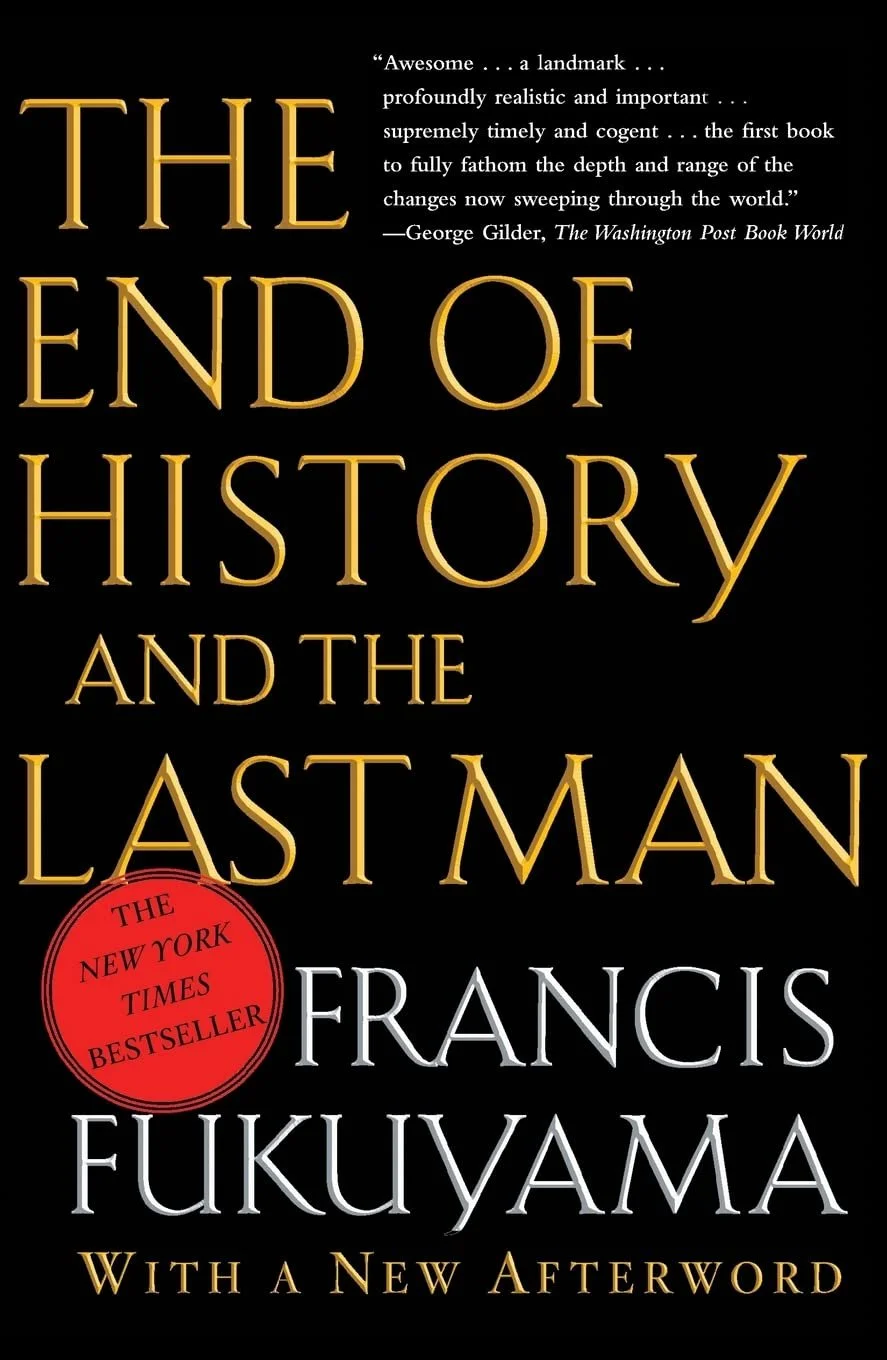
Shows how institutional erosion occurs when politics becomes all-consuming. In the absence of institutional evolution, wear and tear will eventually destroy any political system.
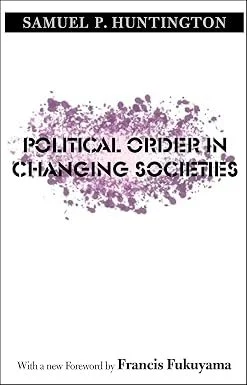
One of the foundational texts in the history of institutions and an intellectual counterpoint to Fukuyama. It considers the role of political institutions within changing political systems and argues that political decline is at least as likely as political development.
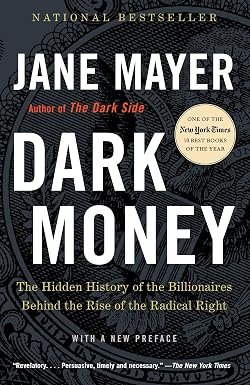
Shows how billionaires and ultrarich individuals have gradually captured the political system through funding academic institutions, think tanks, and political donations. Written before the Big Tech era, it demonstrates that the corrupting influence of money is not new, but is vastly compounded by technology.
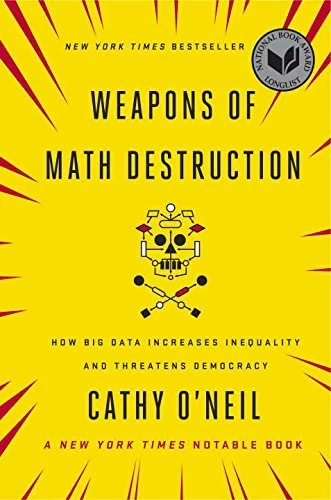
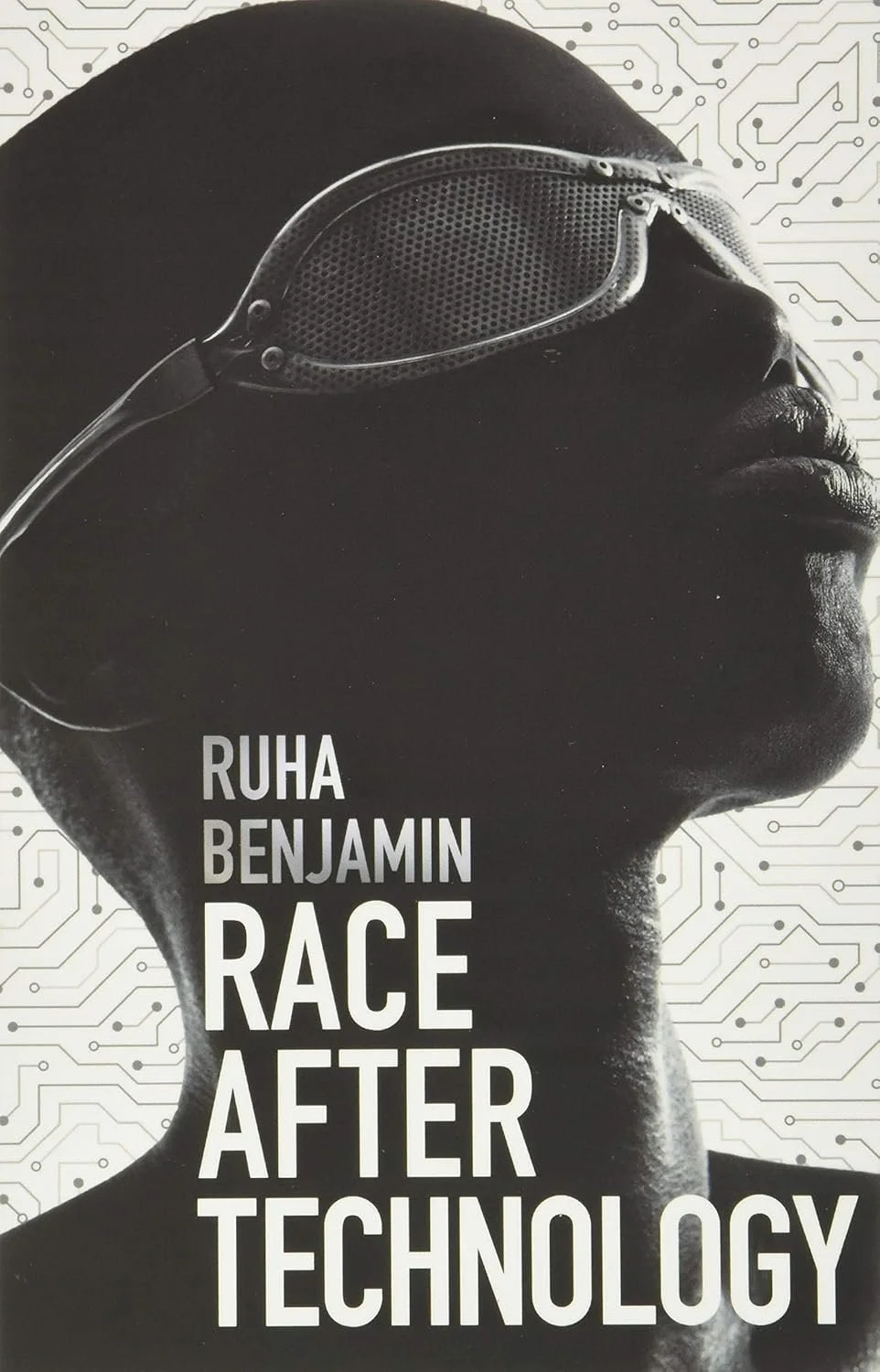
One of the earlier books to cover the connection between technology and social inequality. It explores how seemingly innocuous algorithms can deepen and reinforce racism and socioeconomic injustice.
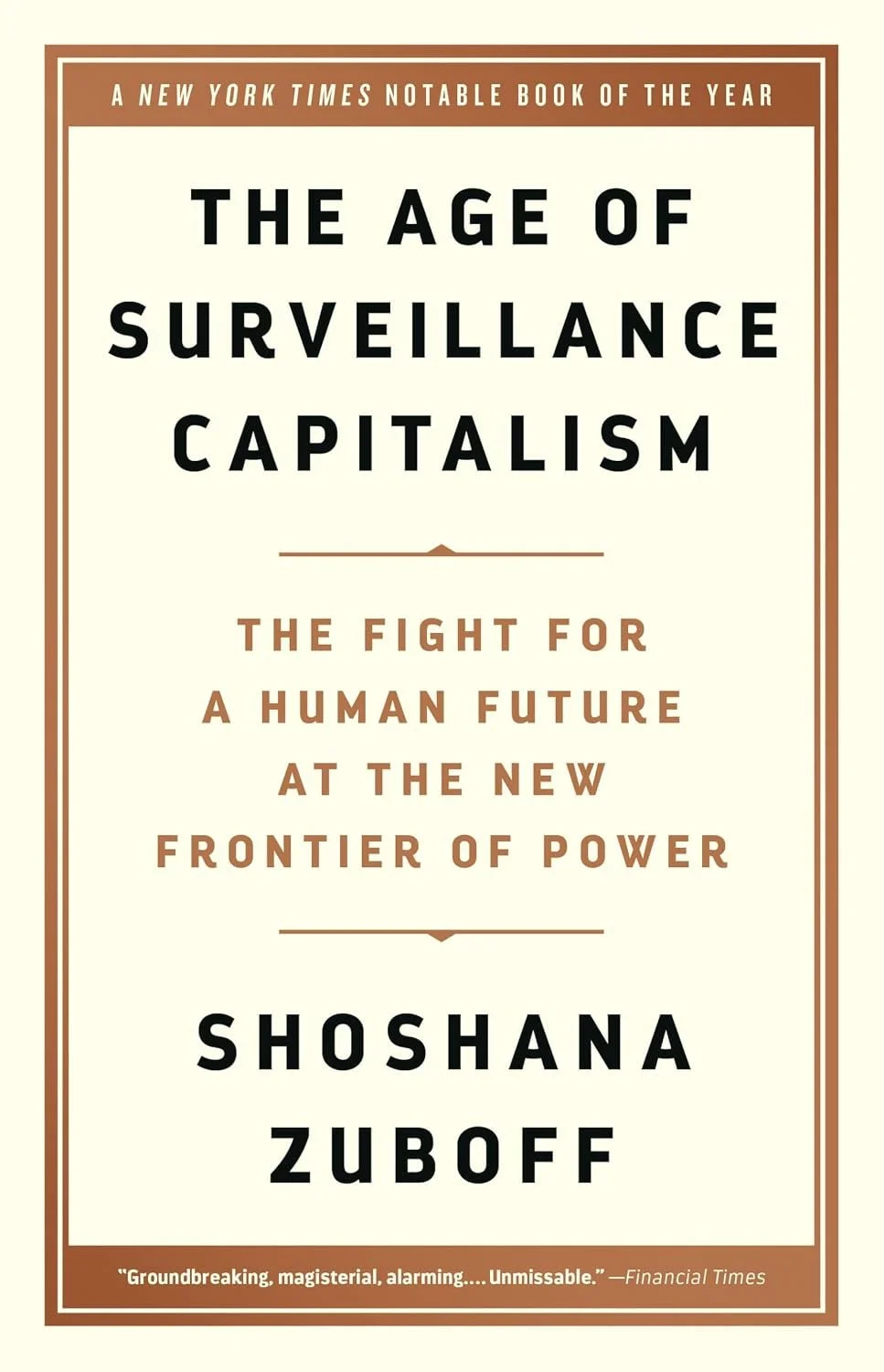
A book that lays down much of the vocabulary around algorithms and agency. It highlights the silent coup that occurred when we began outsourcing epistemic and cognitive agency to profit-driven algorithms.
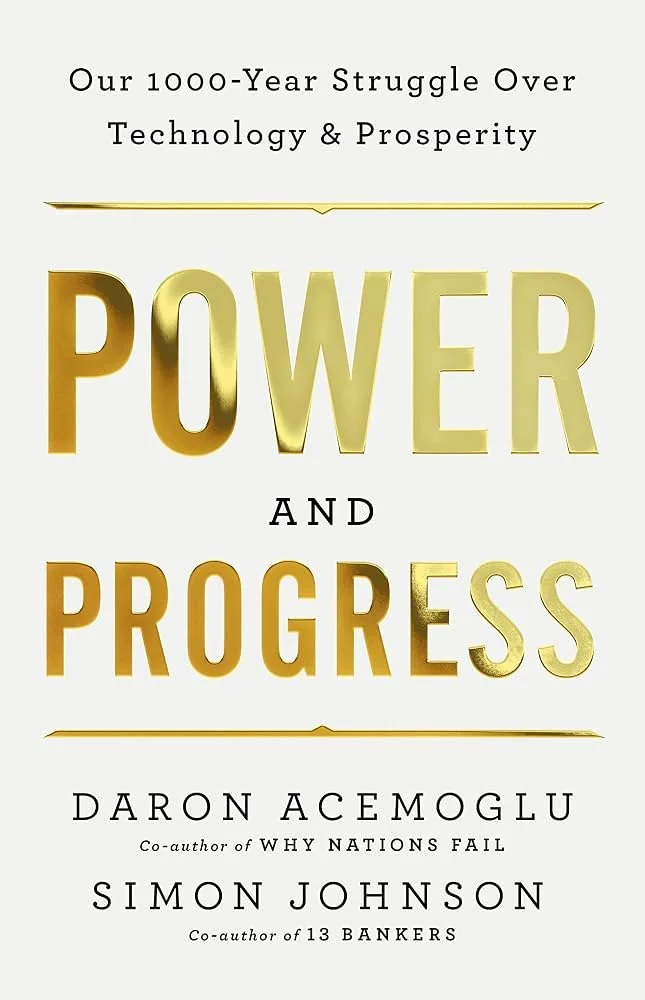
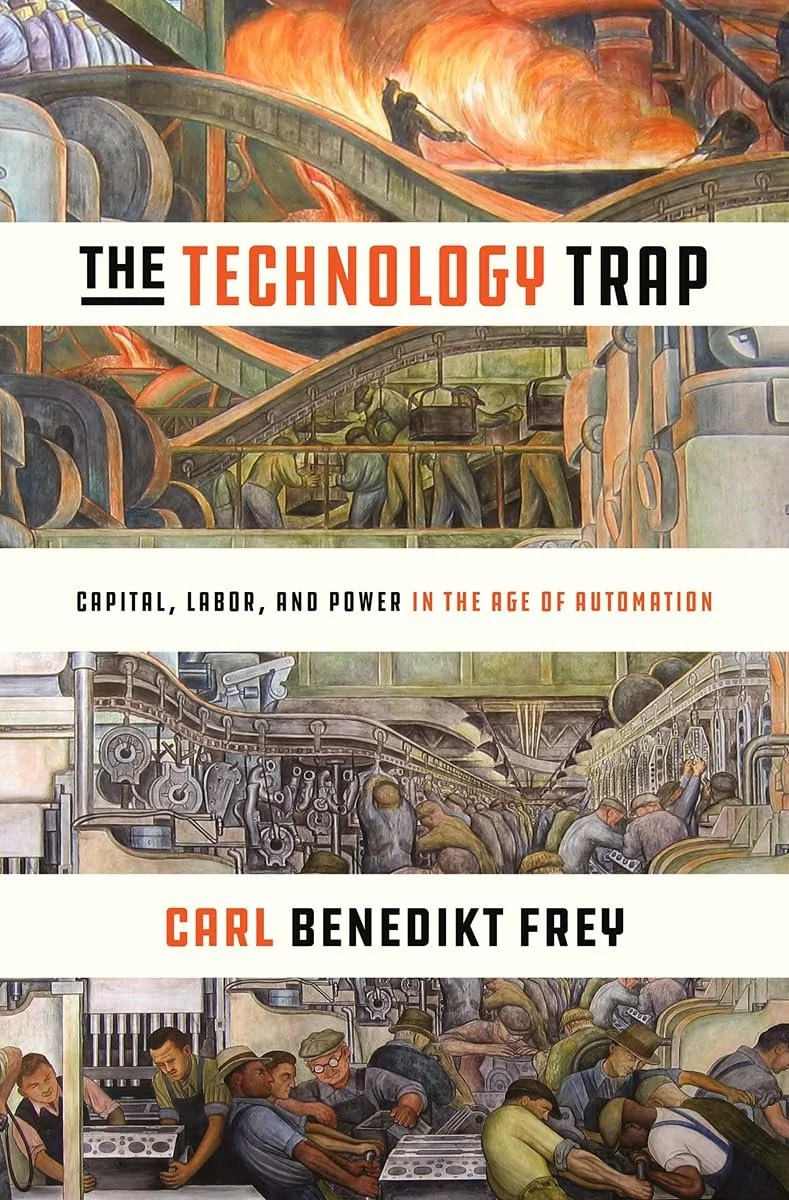
A broad history of the relationship between technological change, institutional development, and the distribution of economic and political power.
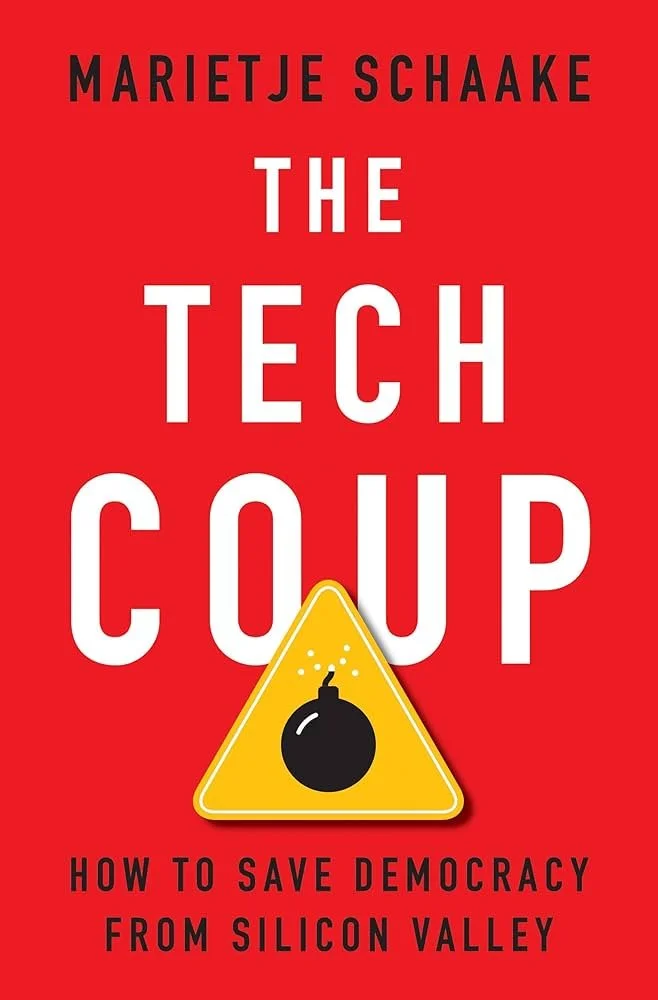
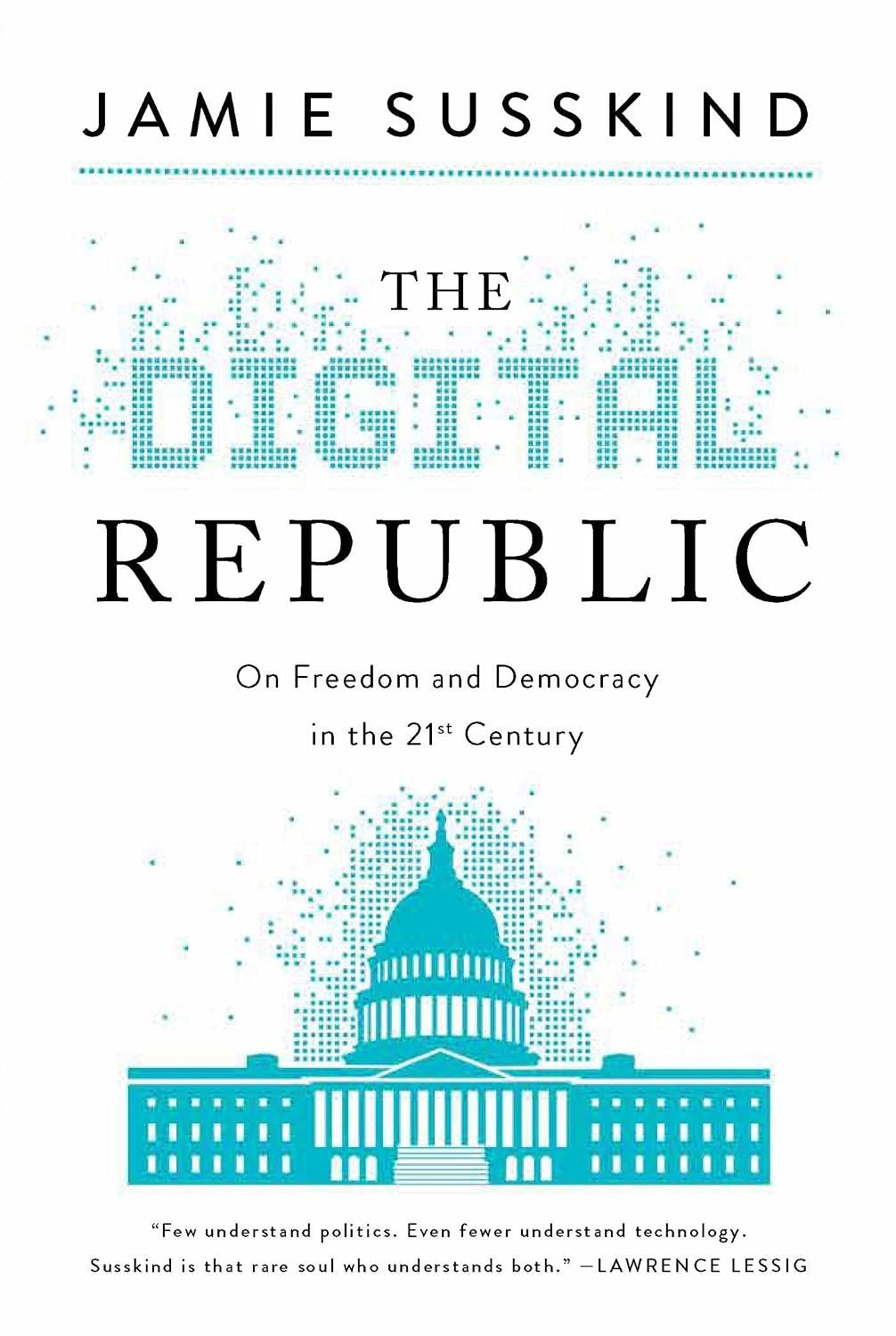
A forceful critique of how technology companies gained institutional influence, combined with a practical account of how liberal democracies can regain control.
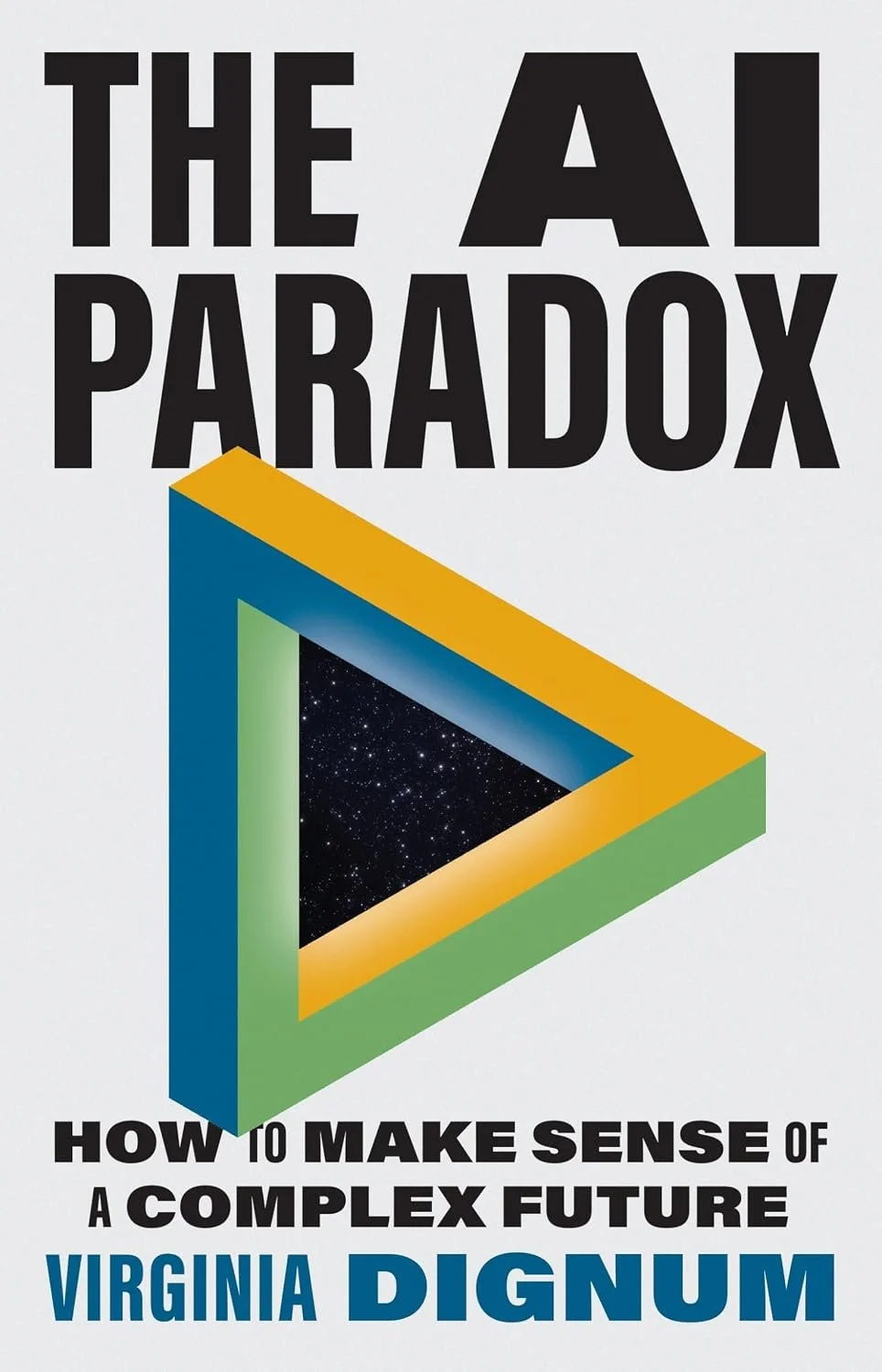
A governance-first account from within the responsible-AI field that treats AI as power to be governed rather than merely a product to be regulated, cutting through hype in both directions.
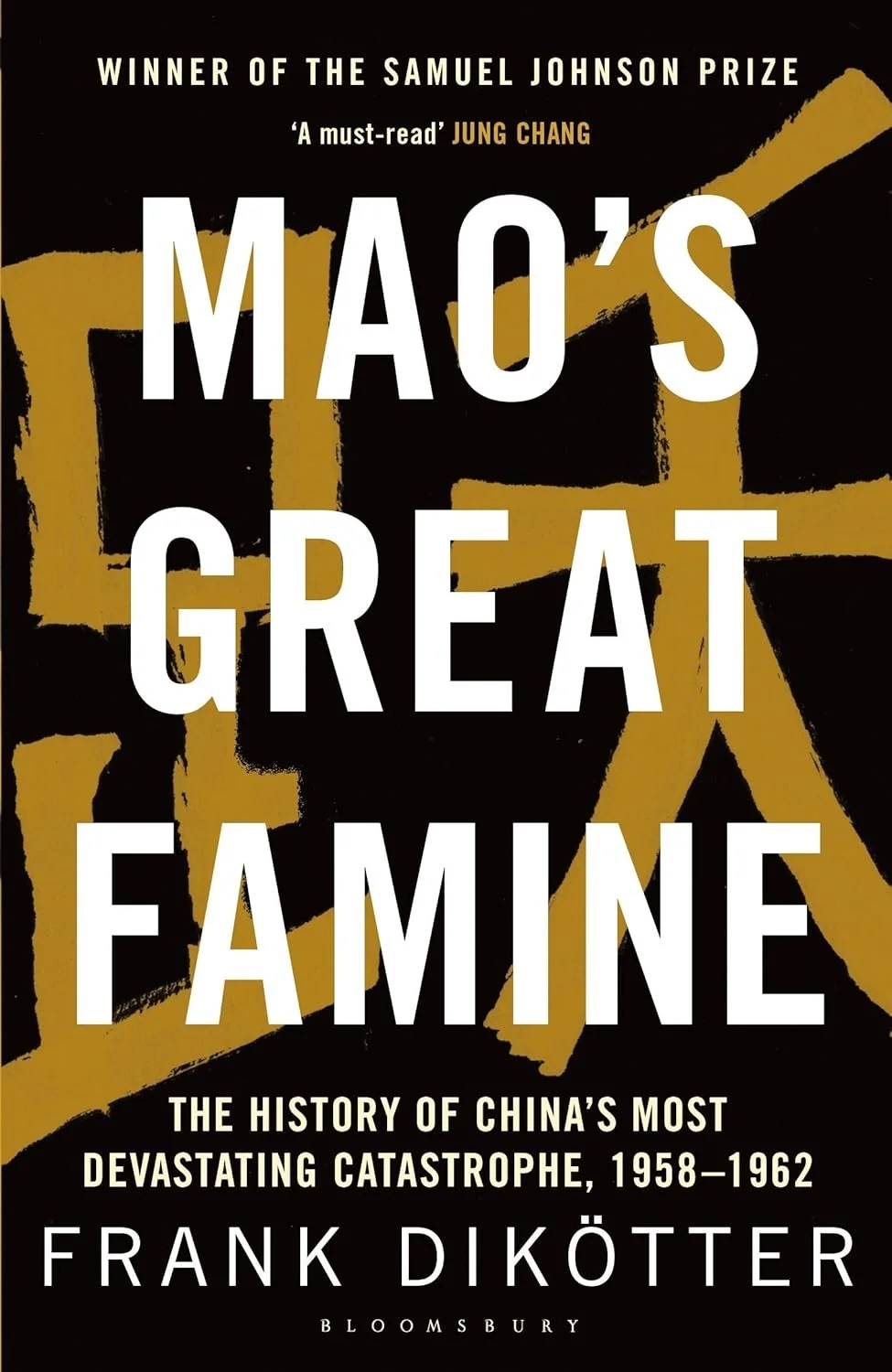
The ultimate optimisation catastrophe: a society reengineered toward a projected future at the cost of tens of millions of lives.
A frontal attack on Western culture as complacent, intellectually frail, and lacking decisive leadership. The book underlines the messianic argument made by technology elites in propagating their own vision of the future.
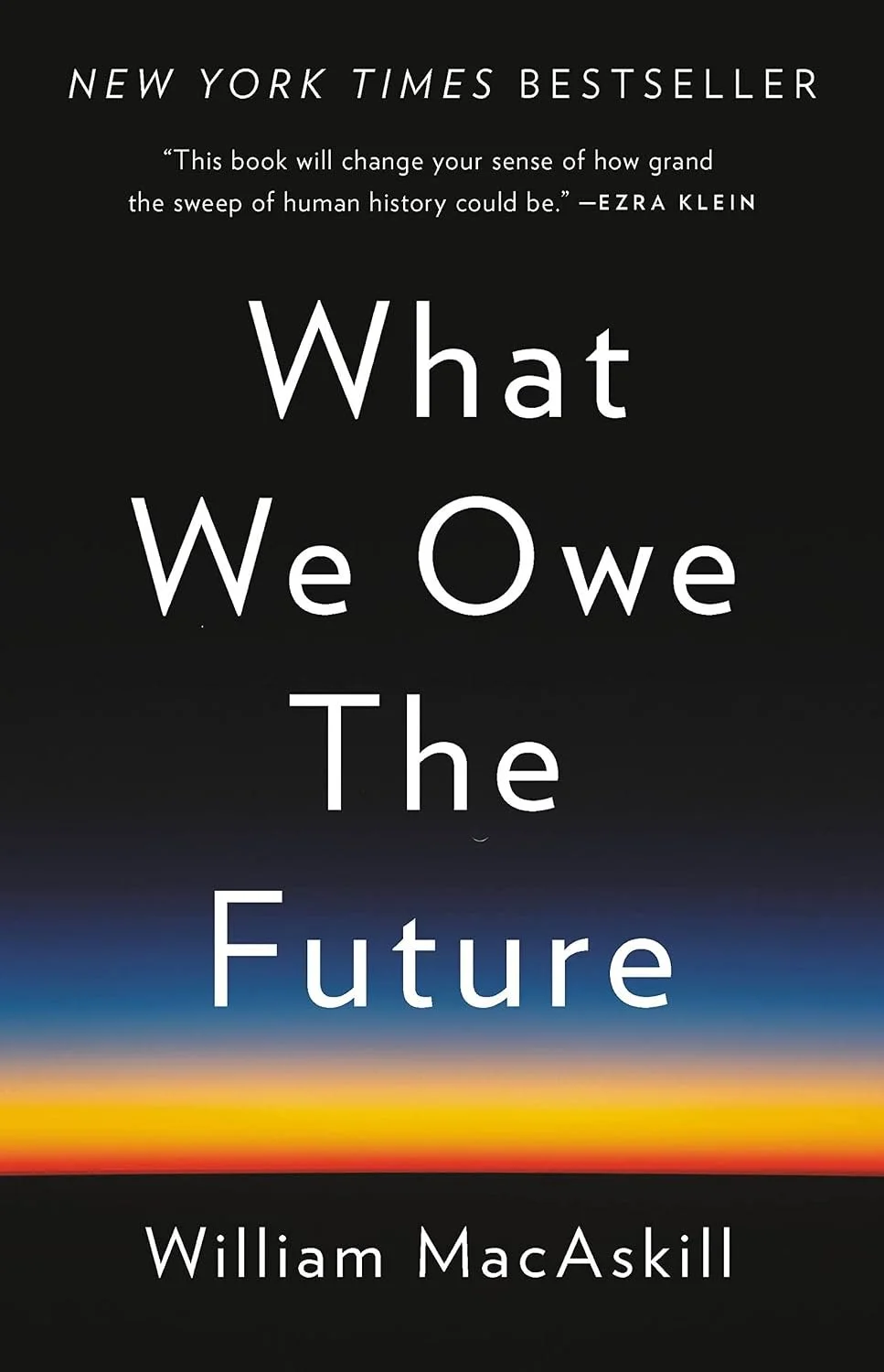
A central statement of longtermism and the idea that safeguarding civilisation’s long-run future should shape decisions made in the present.
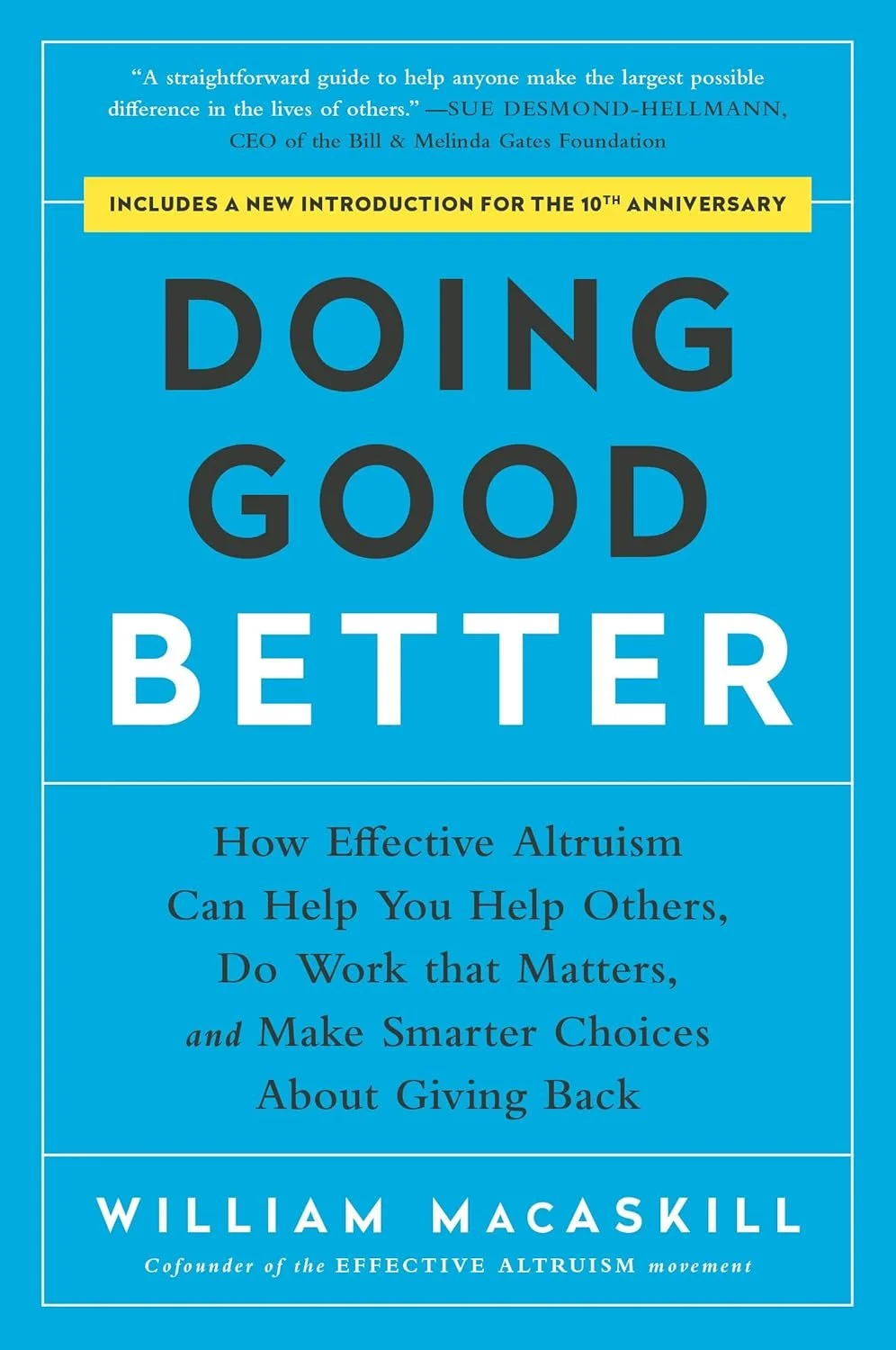
One of the starting points for the effective-altruist movement and the logic that later developed into longtermism and concern with civilisational existential risk.
Takes the argument of AI doomers to its full extent. It is emblematic of both the content and style of the existential-risk faction in Silicon Valley.
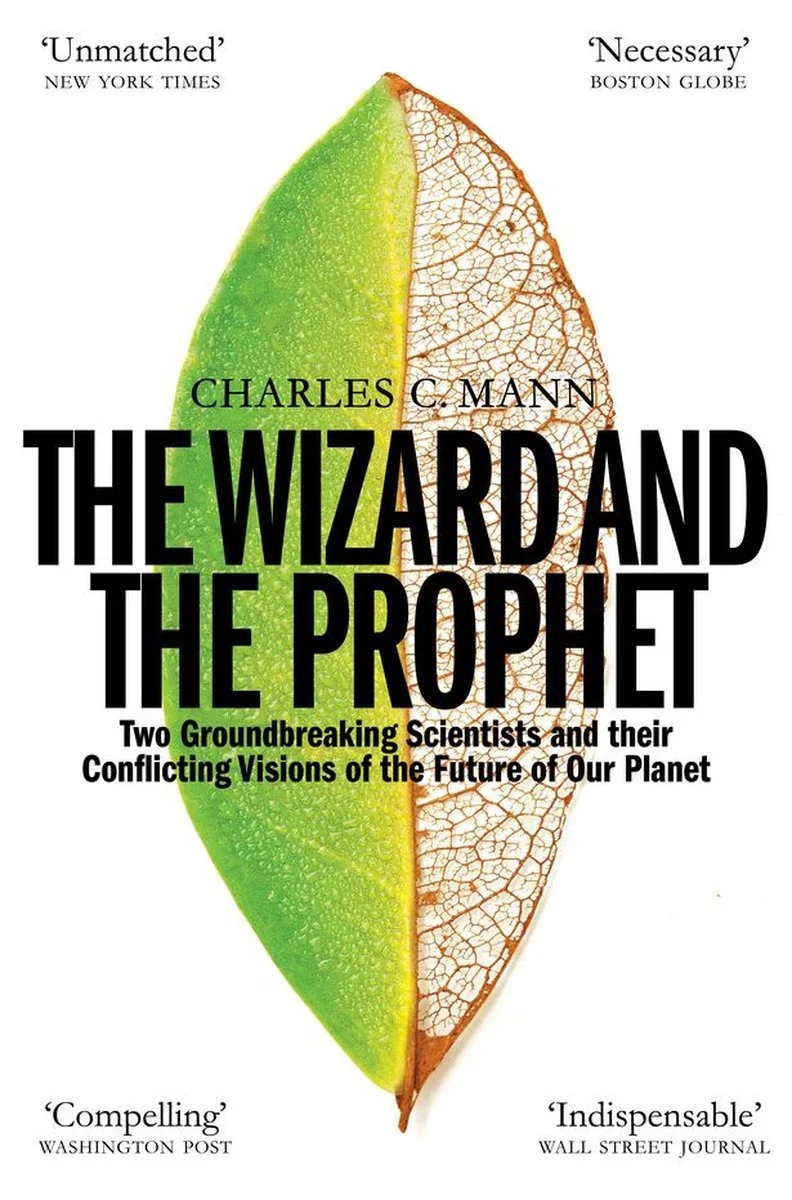
Identifies the two conventional camps structuring the technology optimism-versus-pessimism debate: the Wizard, who favours abundance and acceleration, and the Prophet, who stresses limits and catastrophe.
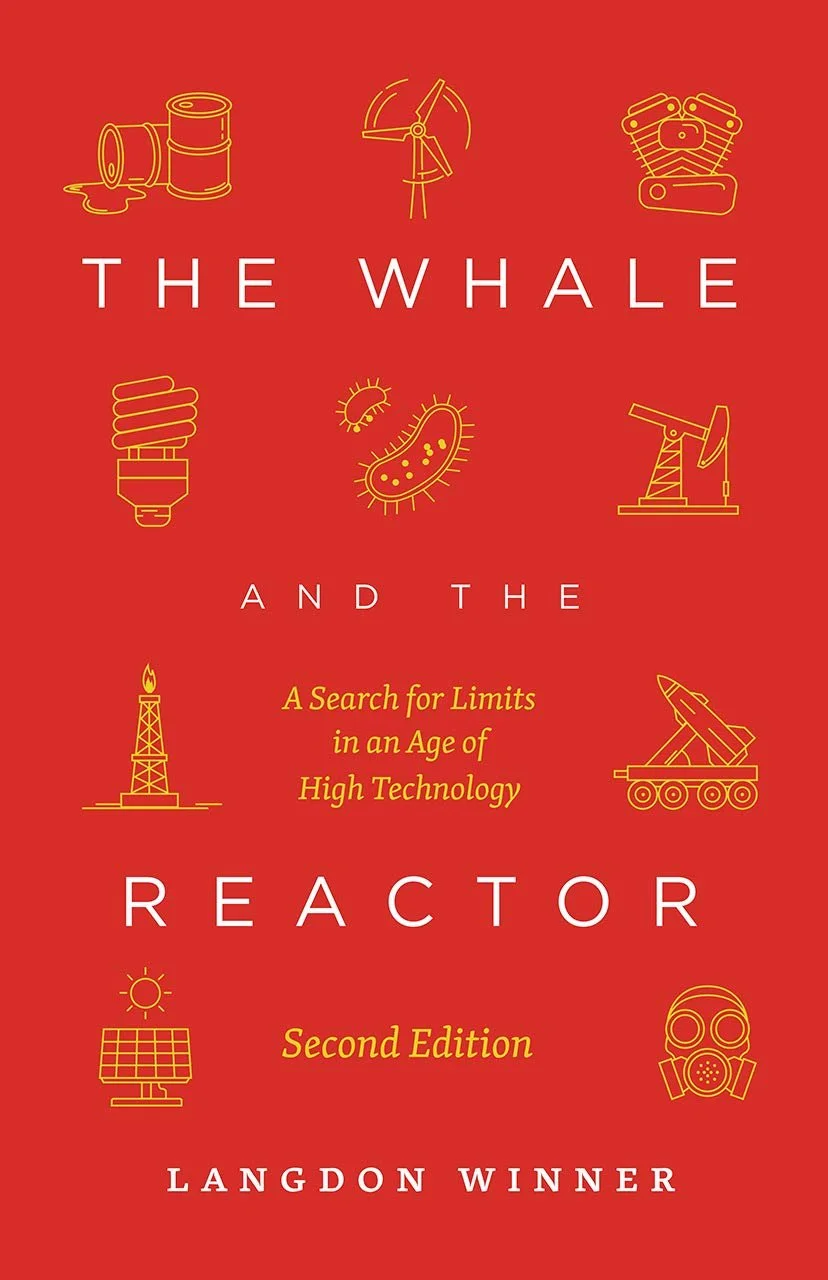
A seminal text in technology and society. It argues that technologies intrinsically carried values long before AI alignment became a central concern.
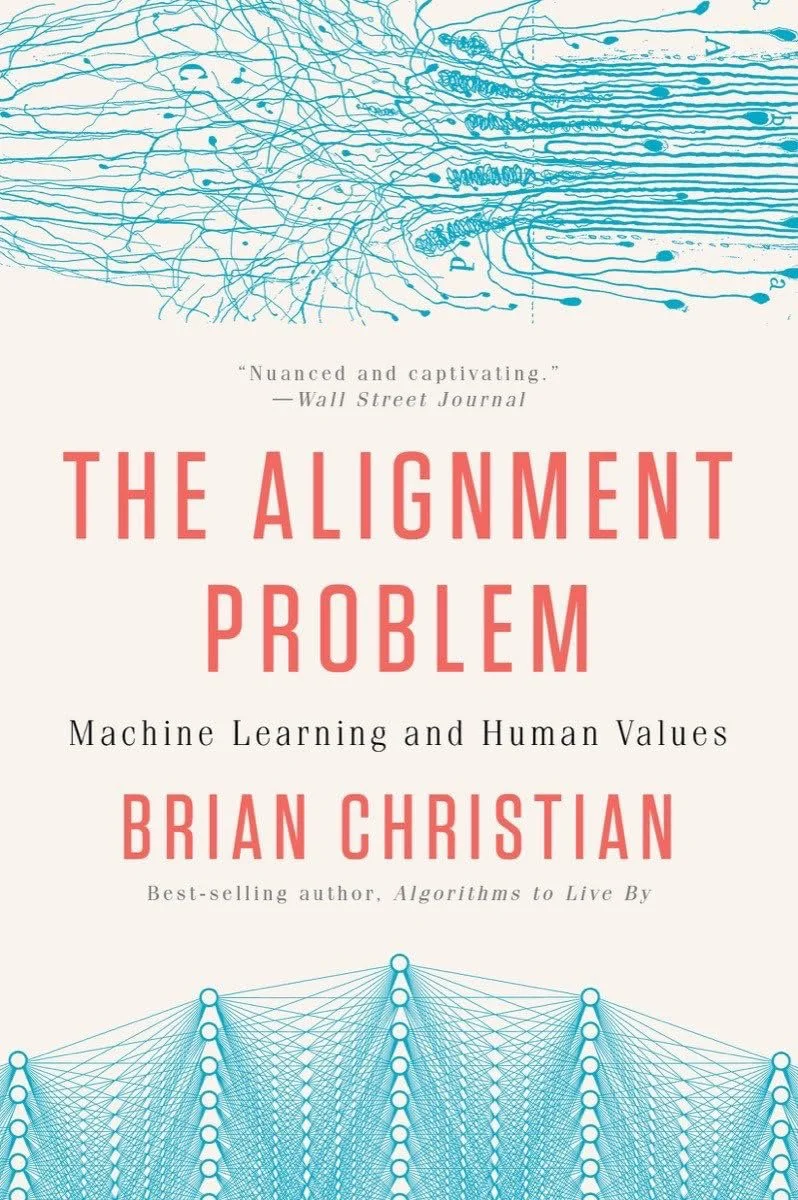
An early major formulation of the alignment problem and the connection between technical and moral questions. Because it was written before the large-language-model revolution, it focuses on more conventional AI systems.
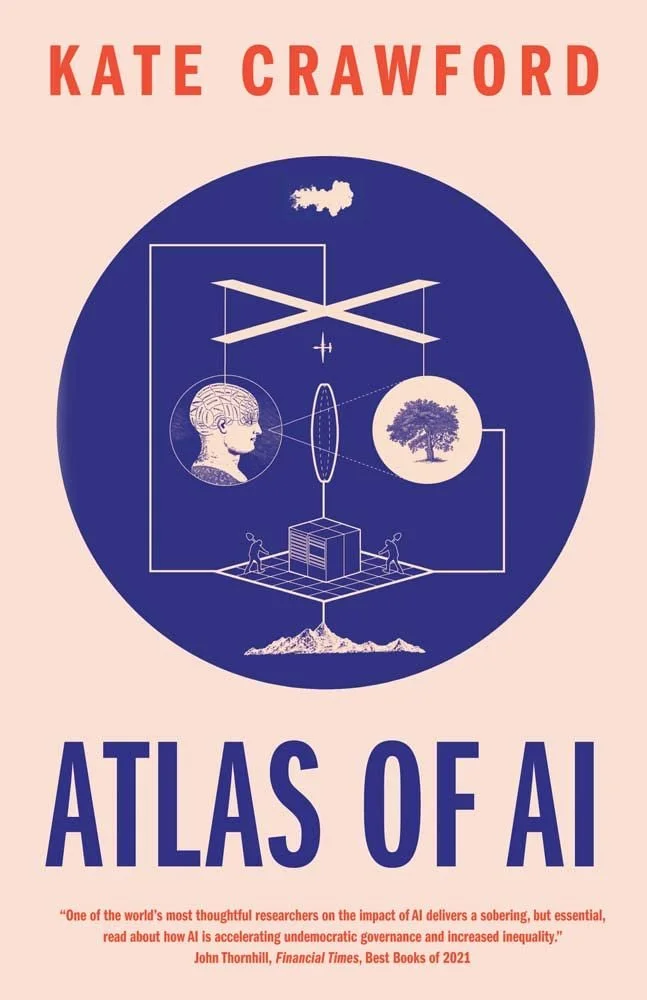
Reframes AI as an extractive industry that mines people, labour, and water while increasing carbon emissions. Those costs are not shared equally.
Takes the recognition that AI is racist and perpetuates injustice to its logical endpoint: how should we resist technology and abolish tools of algorithmic repression?
Zooms in on the disruptive effects of technology on labour. Who wins, who loses, and how does labour disruption destabilise a social order?
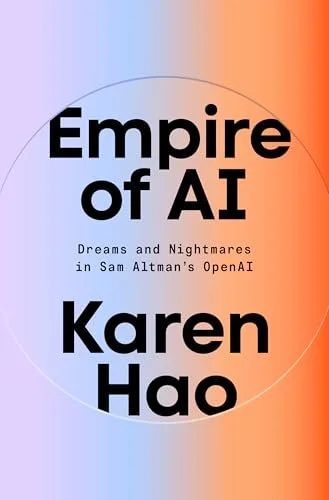
Lifts the curtain on how the inner workings of OpenAI have led to an AI arms race. It highlights the enormous environmental, human, and data requirements of training AI.
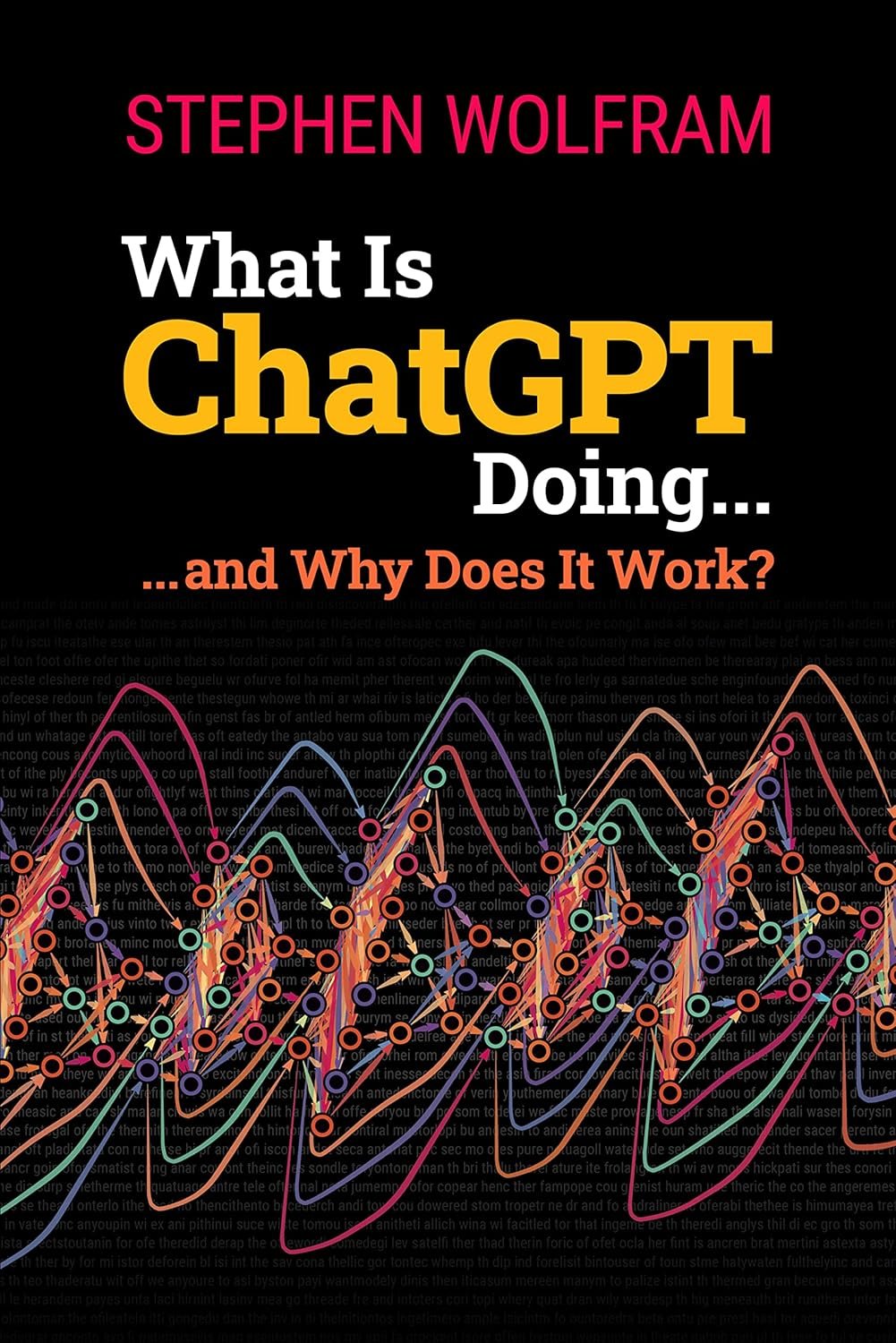
A technical account of modern transformers. It avoids most mathematics, but gives an in-depth explanation of the inner operations of chatbots.
An accessible introduction to artificial intelligence that explains what current systems can do, where they fail, and why intelligence remains difficult to define.
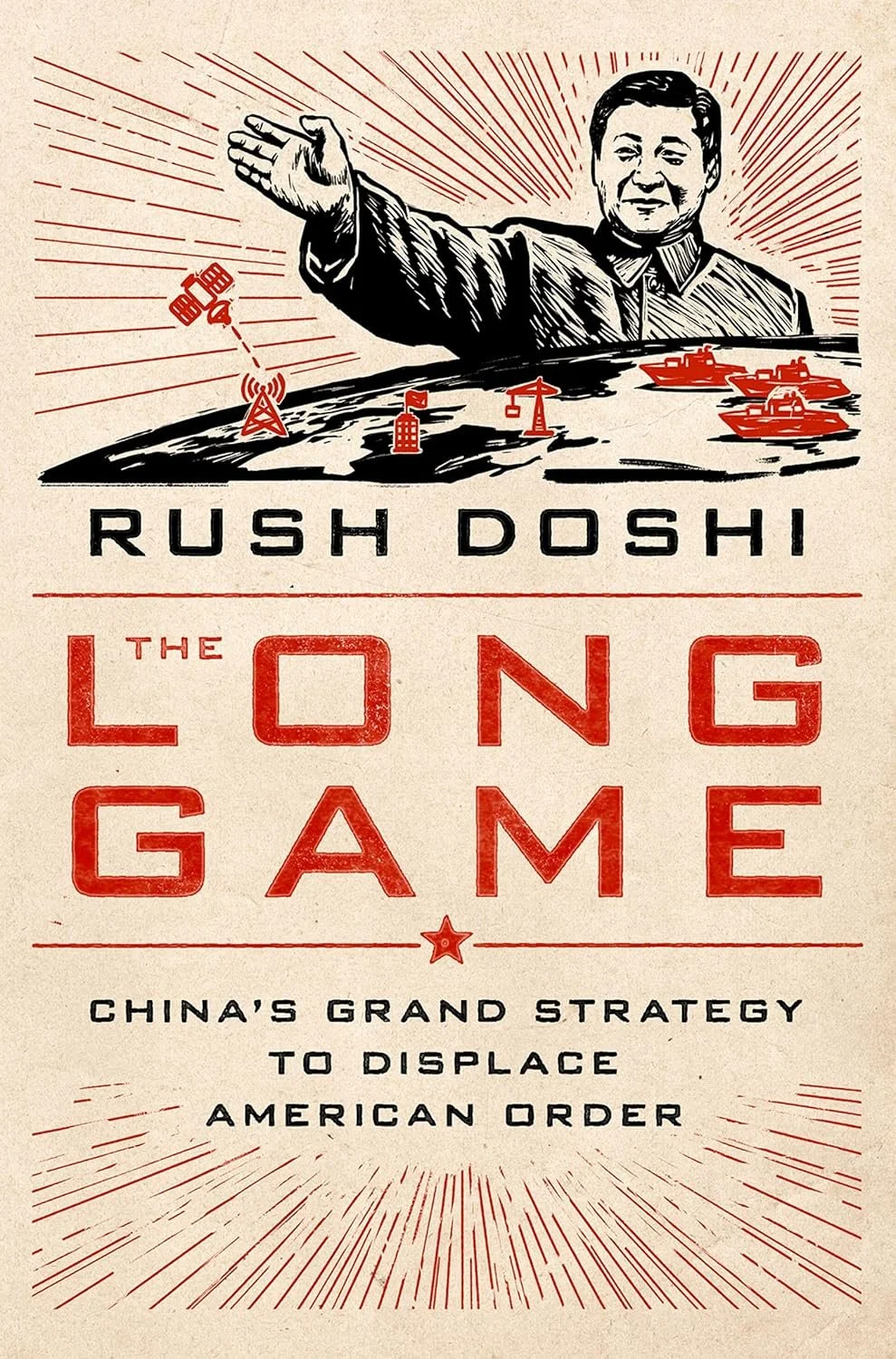
Presents the perspective of a China hawk who sees China as a direct threat to the American order.
The order-builder’s own account of how the postwar equilibrium is coming apart and the grammar of the multipolar order in which any partnership of equals would have to operate.
Explores the long marriage between the military and the frontier sciences.
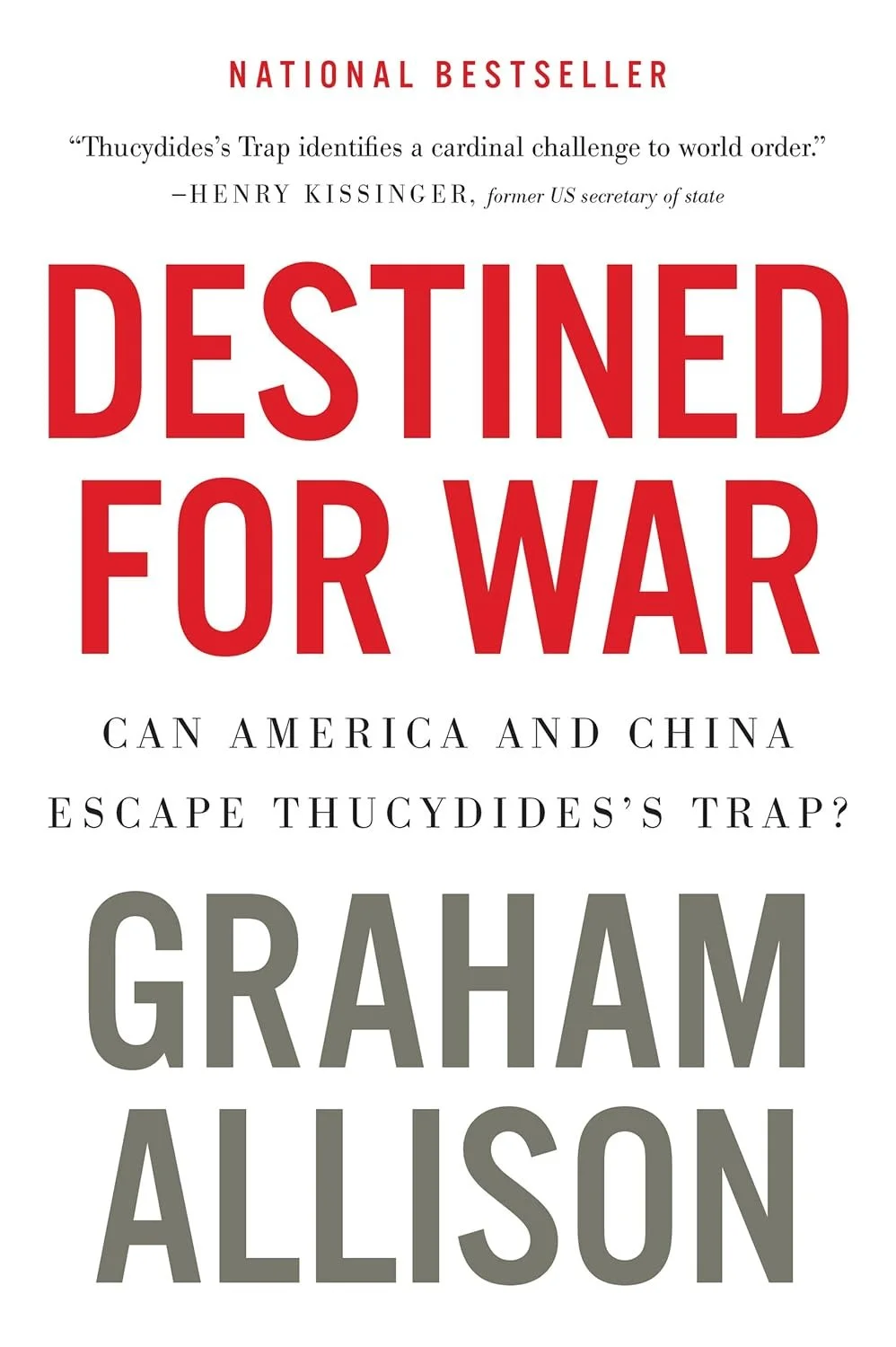
Argues that great-power rivalries tend to end in warfare and popularises the vocabulary of the Thucydides Trap around the supposed inevitability of conflict.
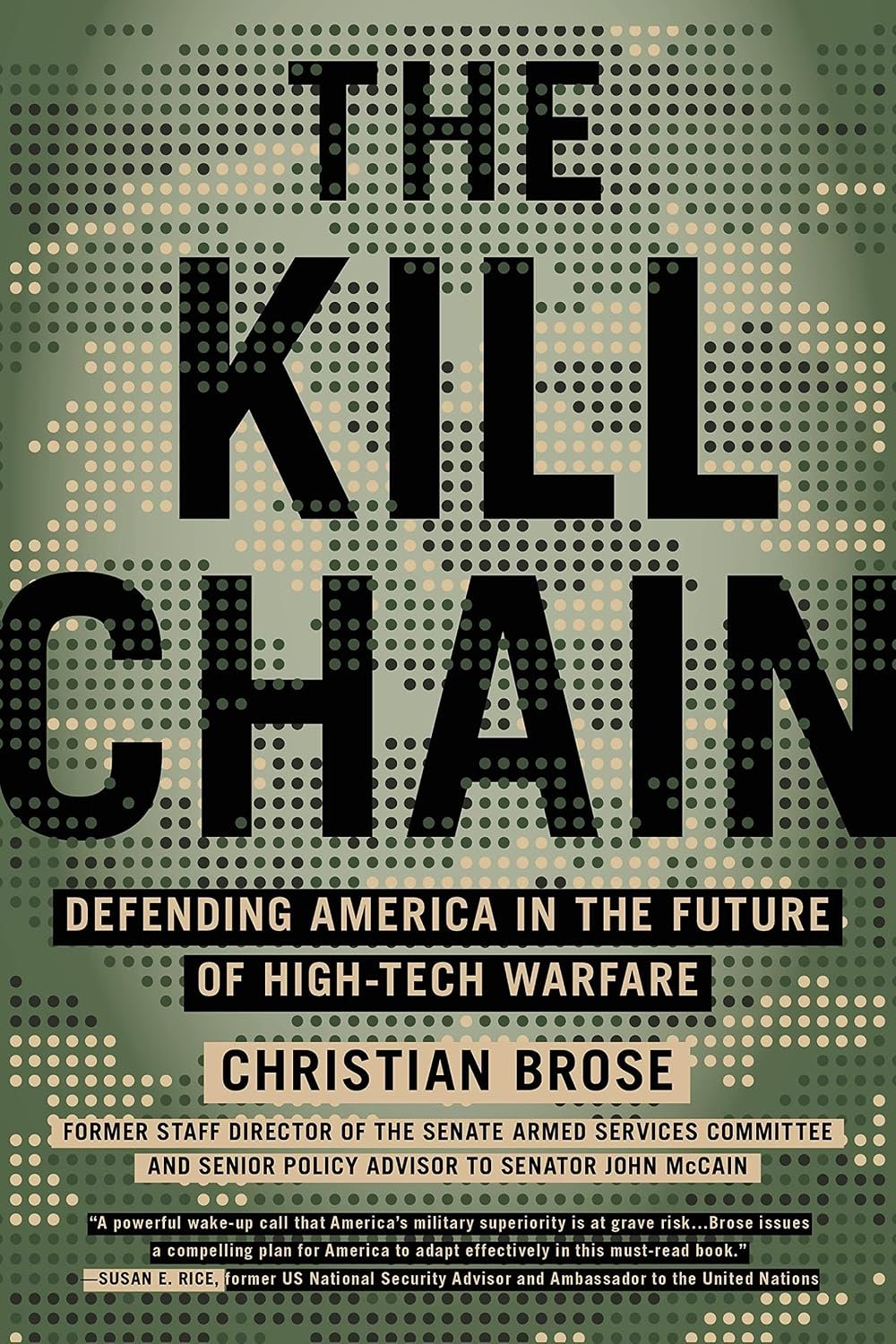
Examines how the future of warfare will be driven by technological integration.
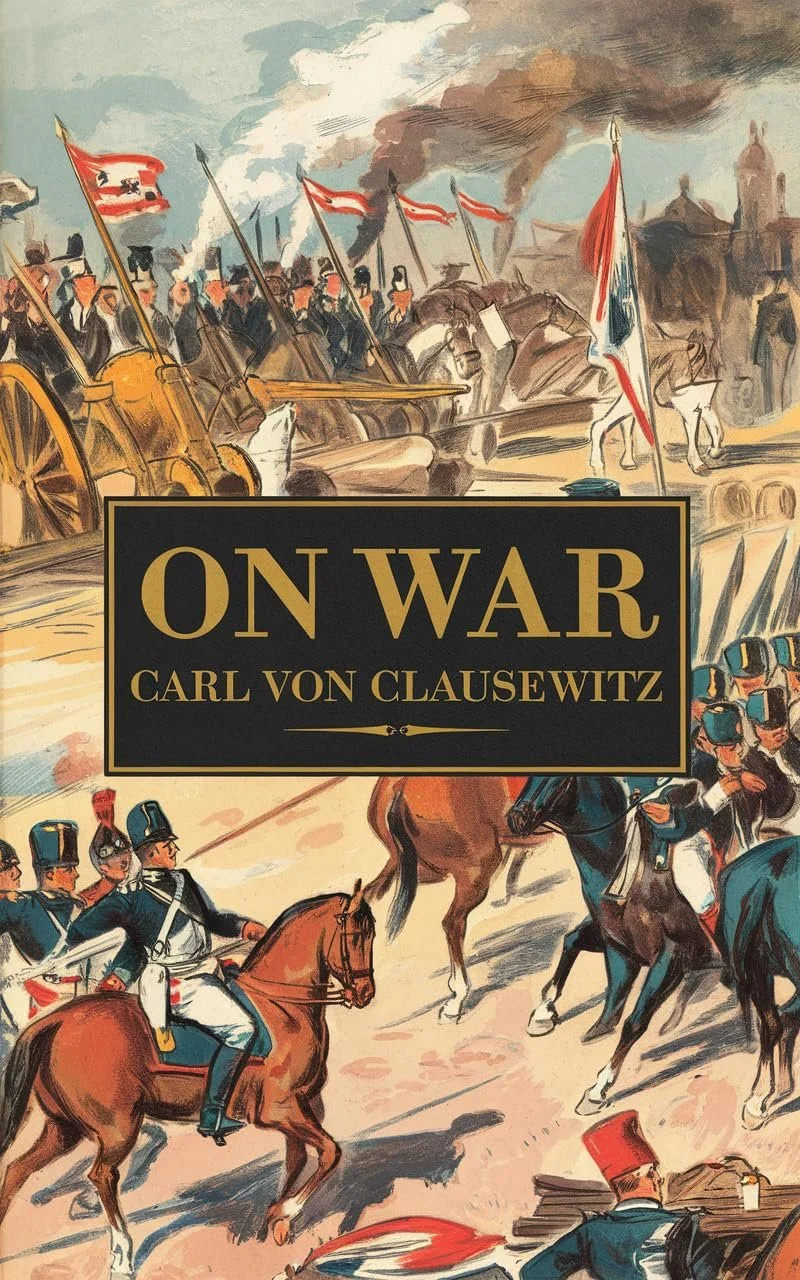
A seminal text in military theory that defines the political nature of war.
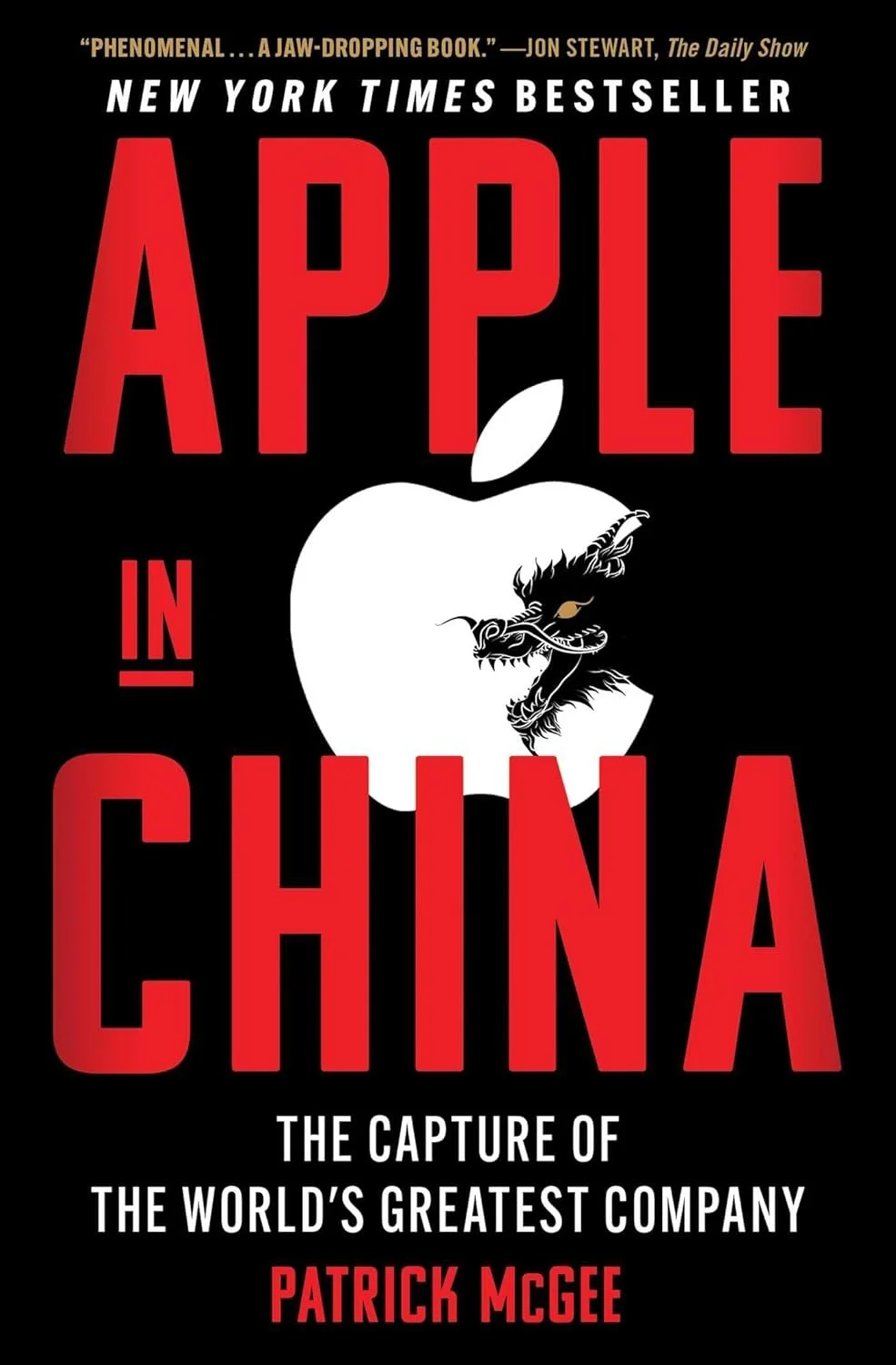
An in-depth examination of China’s use of neoliberal doctrine to pull Apple’s production processes within its borders.
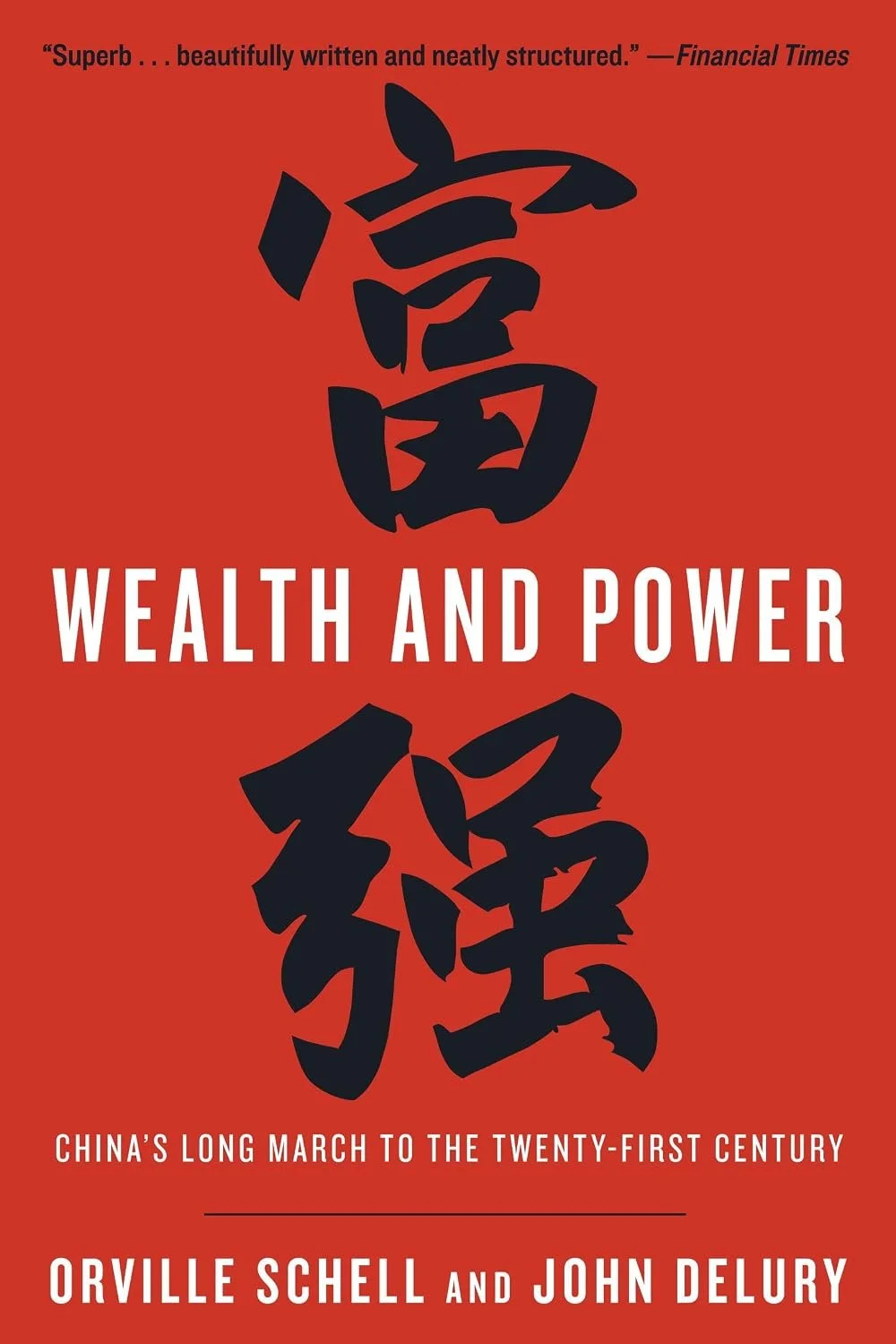
Moves through some of China’s most important figures after the Opium Wars and examines what they considered the path for China to return to wealth and power.
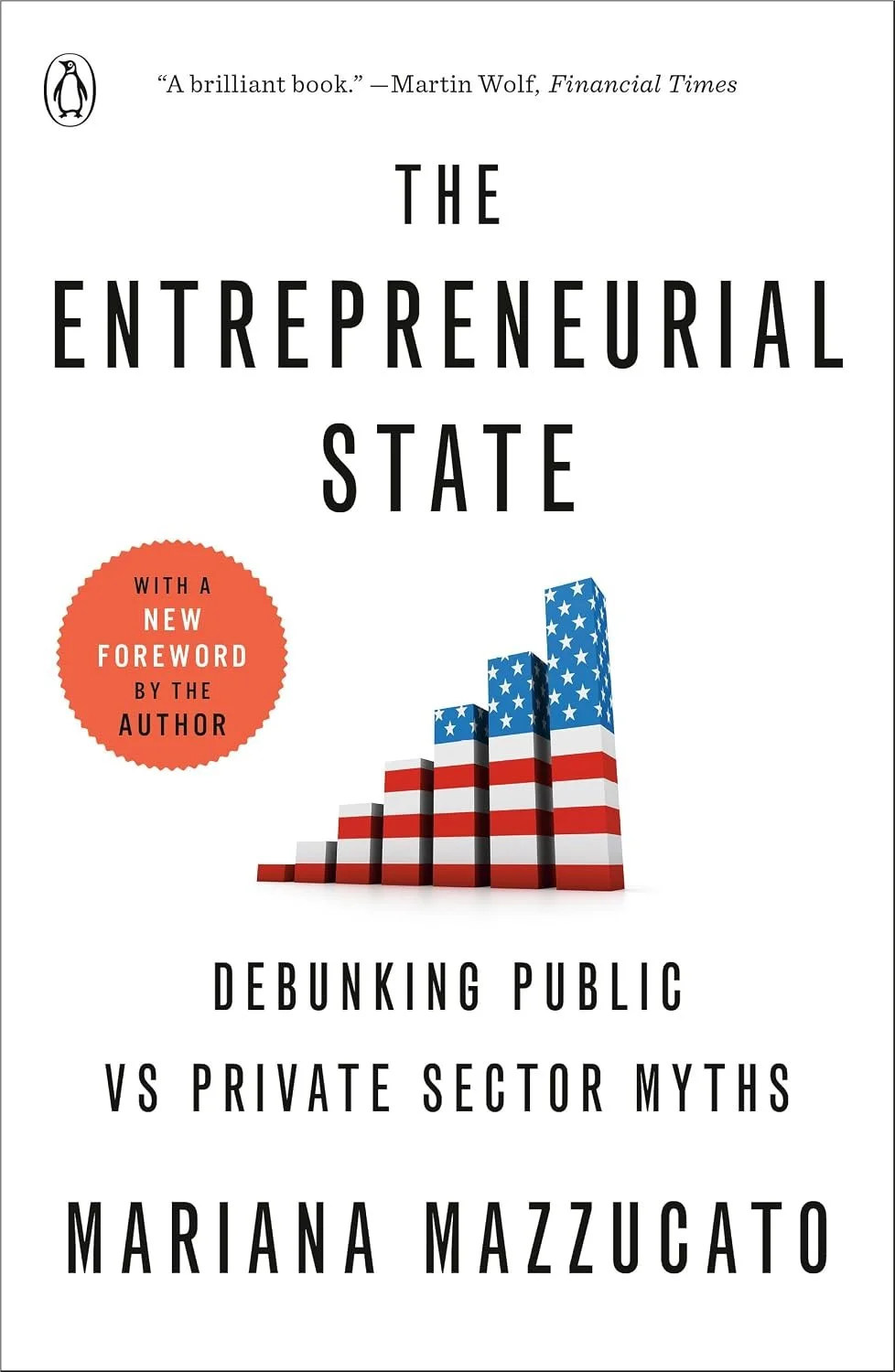
Debunks the myth that only corporations can innovate effectively and demonstrates the enormous role that public-sector research and development played in creating today’s Big Tech firms.
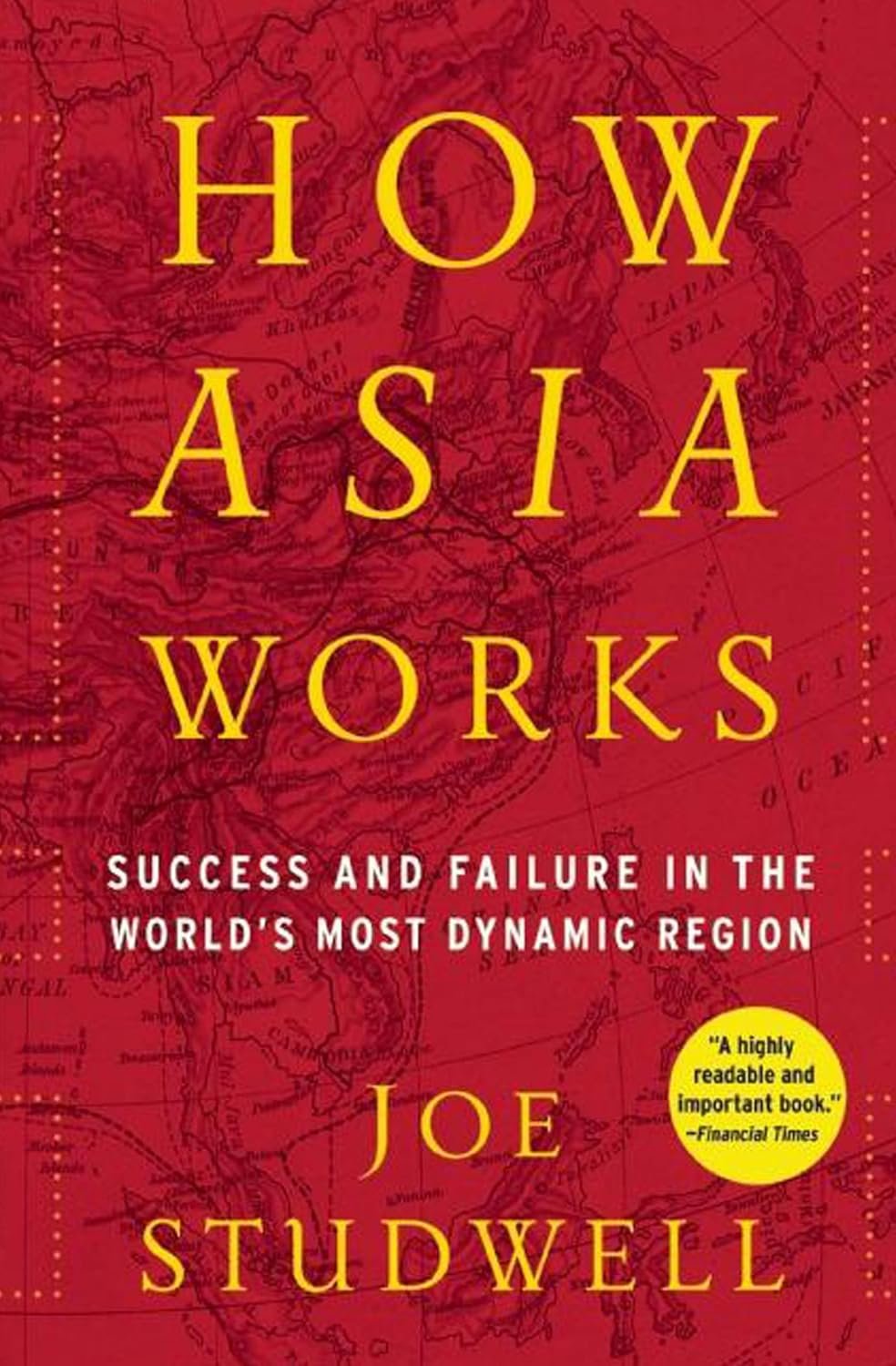
Examines the successful industrial policy of the Asian Tigers: domestic educational and agricultural programmes, followed by national industrial champions, and finally financial liberalisation.
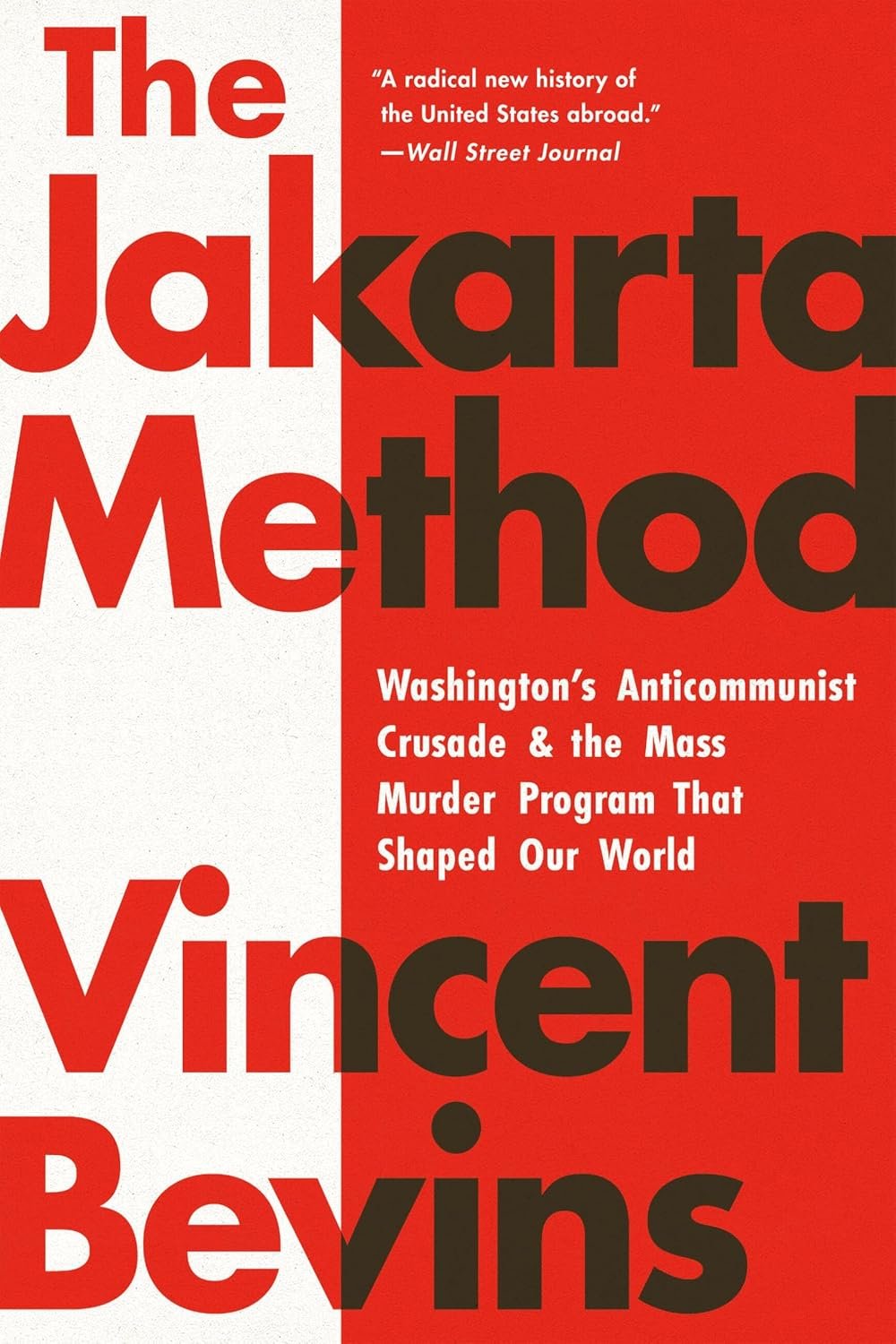
Shows the catastrophic cost of a security spiral run amok and how fear of communism led the United States to support mass murder.
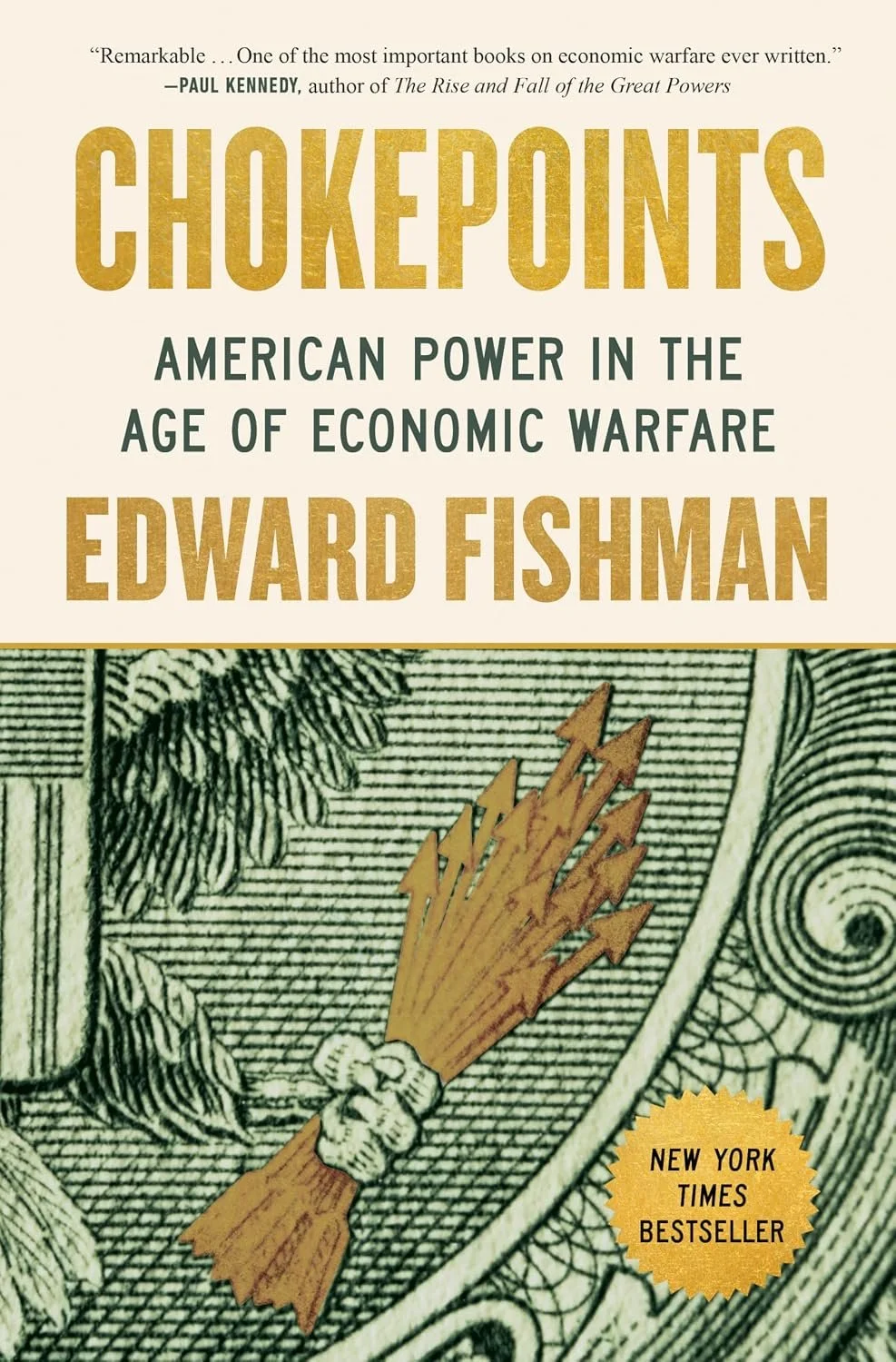
Maps the material dependencies and chokepoints underlying the global economy and shows how a small amount of pressure, applied precisely, can cripple an entire supply chain.
Covers the early securitization of the American academic sector after Chinese spies abused research access. It laid the groundwork for later efforts to ban students from the Seven Sons universities.
Documents the United States’ transition from free-trade orthodoxy towards weaponised interdependence as a tool of geopolitical pressure.
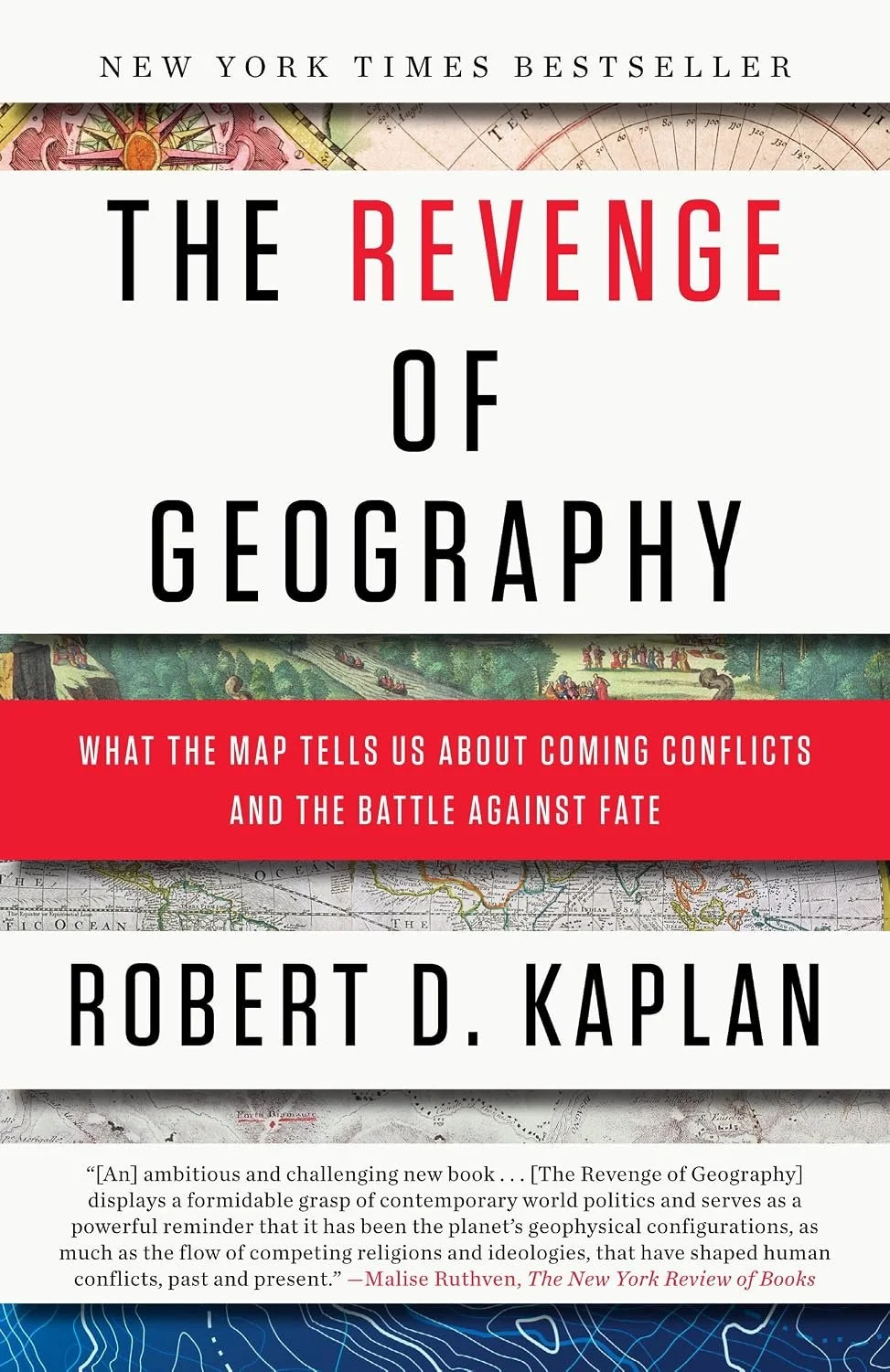
Expands on the strict interpretation of geopolitics and explains how geography shapes foreign relations.
An assessment of the strengths and weaknesses of the United States in an era of returning great-power politics. Crucially, the assessment was made before the election of Donald Trump.
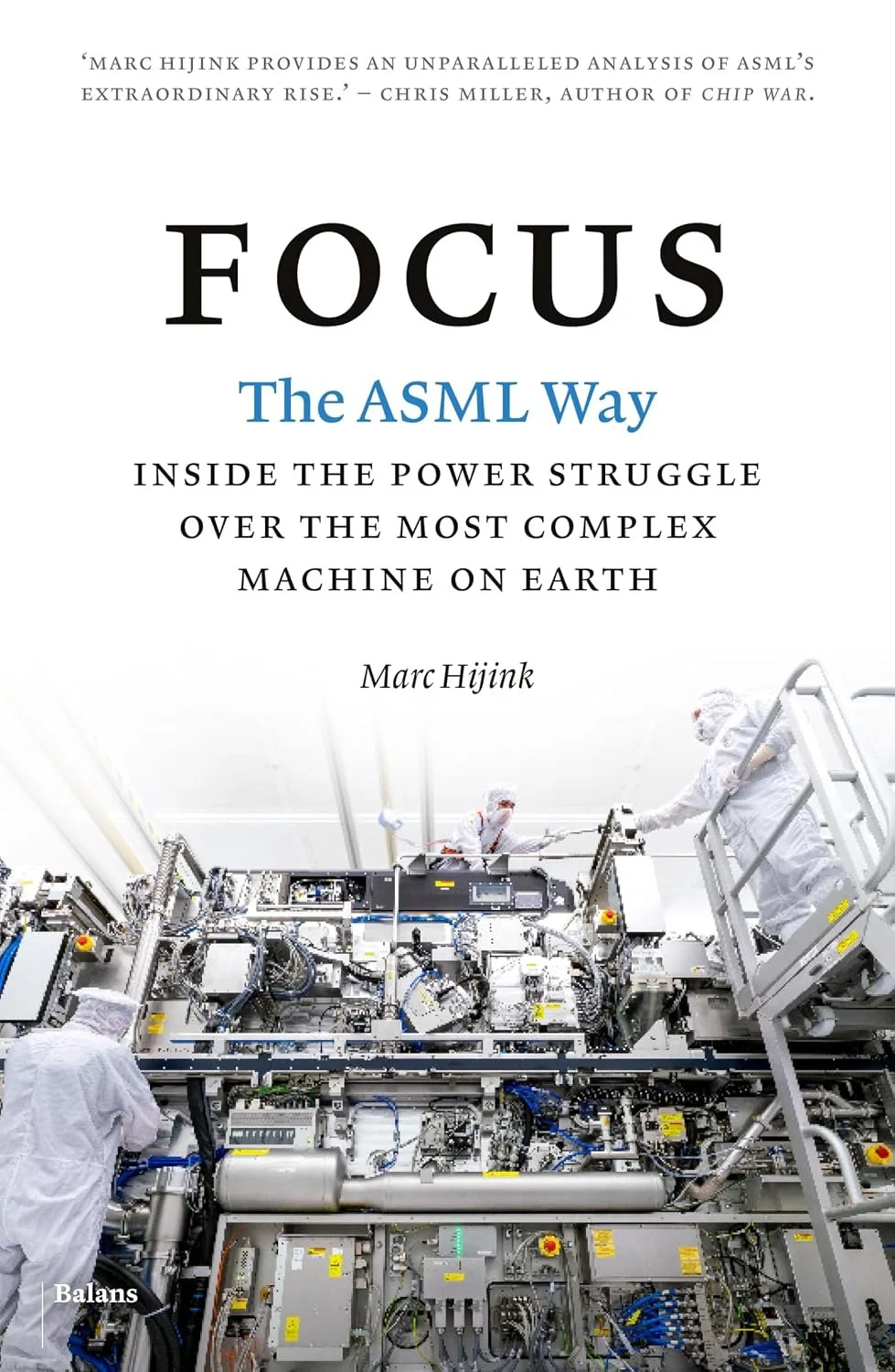
Focuses on the company that has probably been most exposed to the return of geopolitics: the Netherlands-based company ASML.
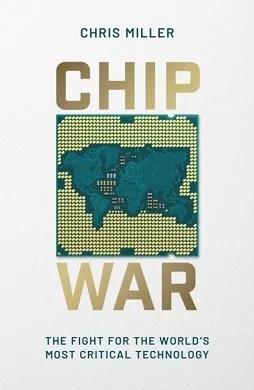
A history of semiconductors and the global supply chains, public investments, and technological chokepoints that made them central to geopolitical competition.
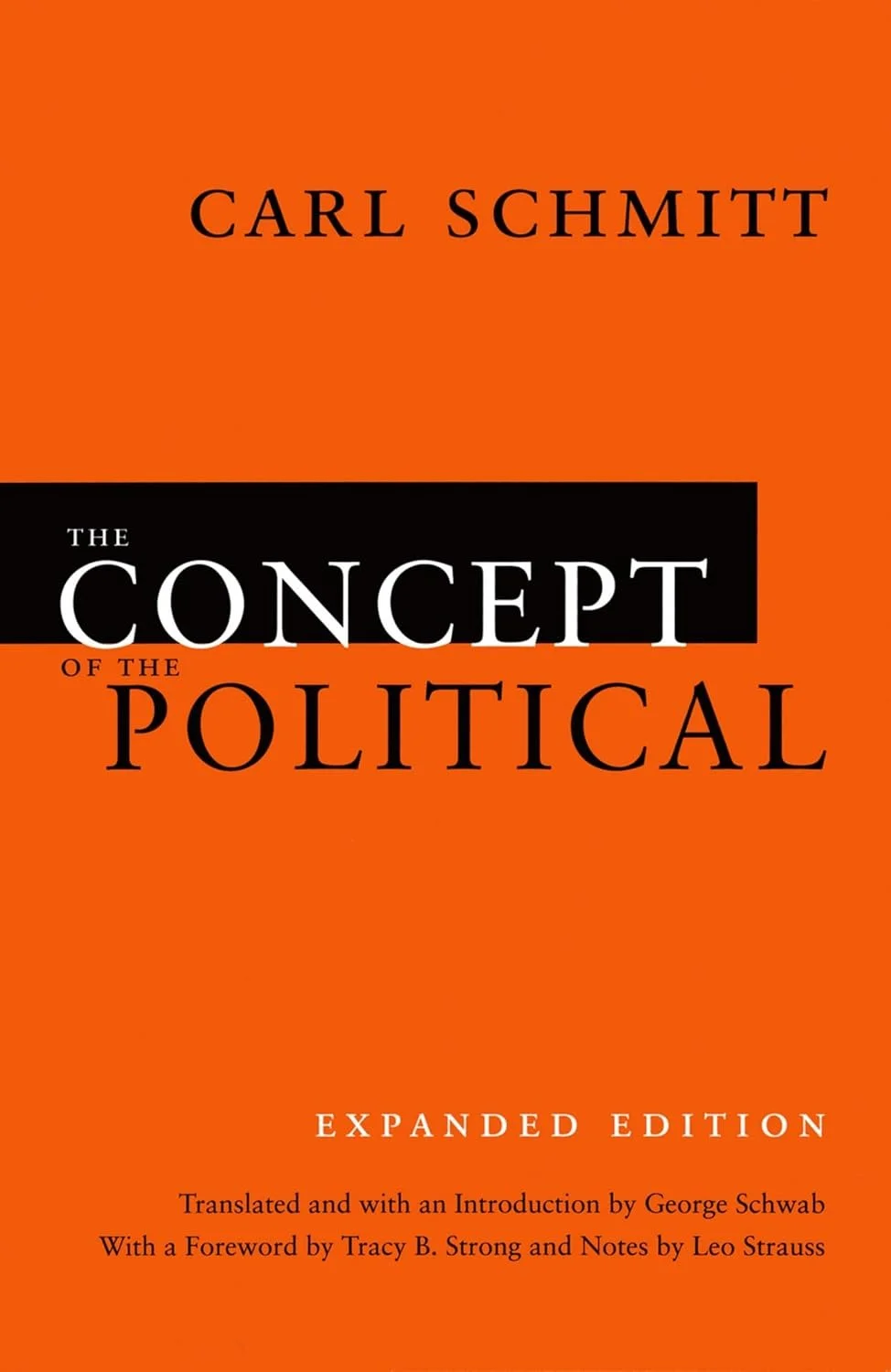
Written by the chief legal theorist of the Nazi regime and frequently cited in Silicon Valley, it operationalises the friend-enemy distinction as the fundamental axis of politics.
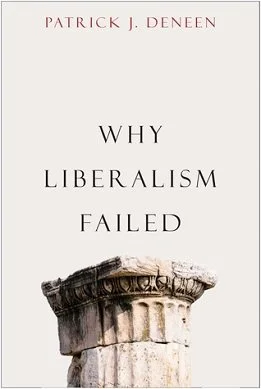
A conservative critique of liberalism’s failures that argues for a return to older values of community, religion, and tradition.
Attempts to apply institutional reform to existing liberal institutions and offers one possible path forward.
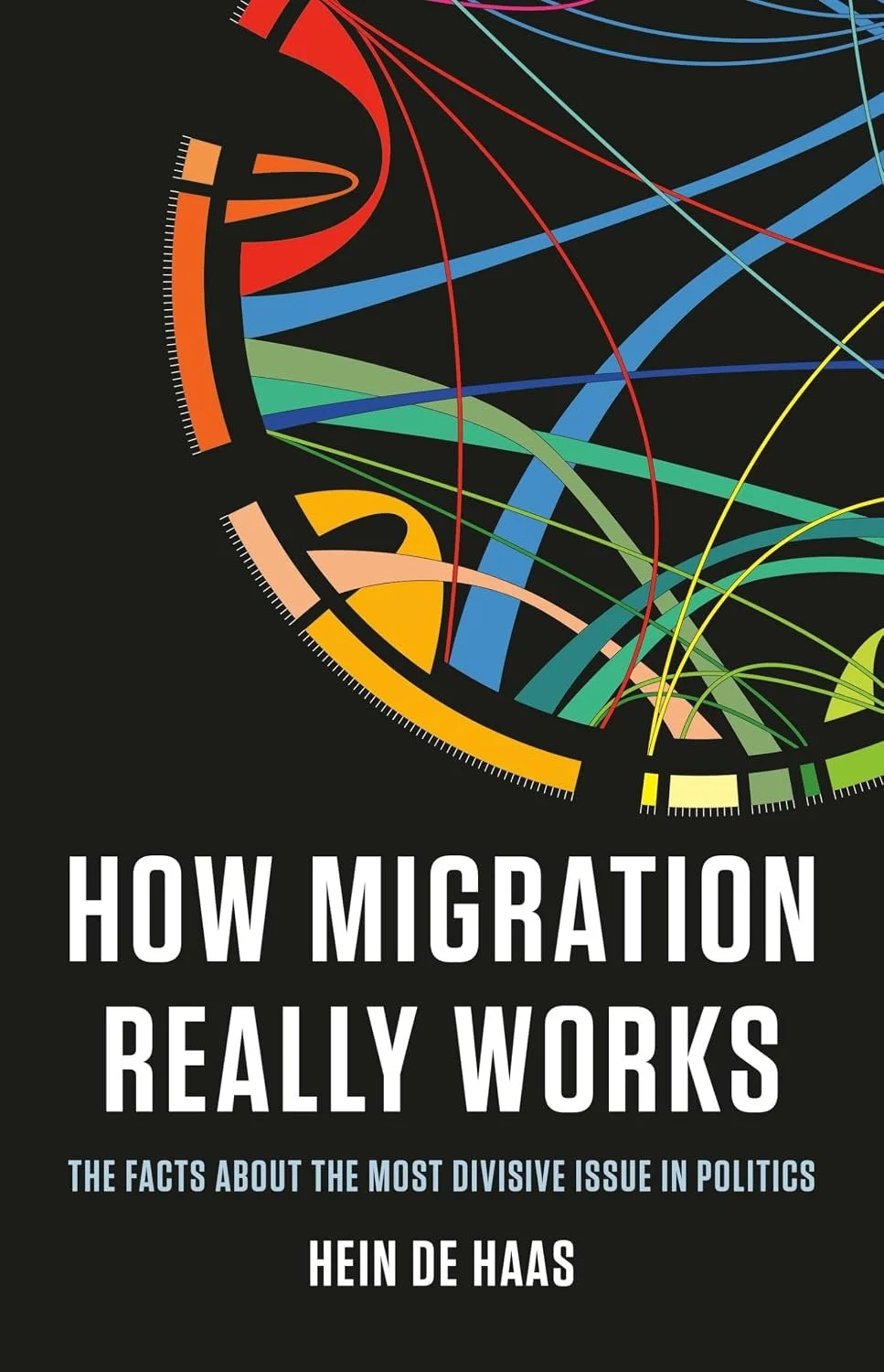
Dismantles the myths driving European migration politics and explains how migration is a strategic source of strength rather than weakness.
Presents the perspective of a China hawk who sees China as a direct threat to the American order.
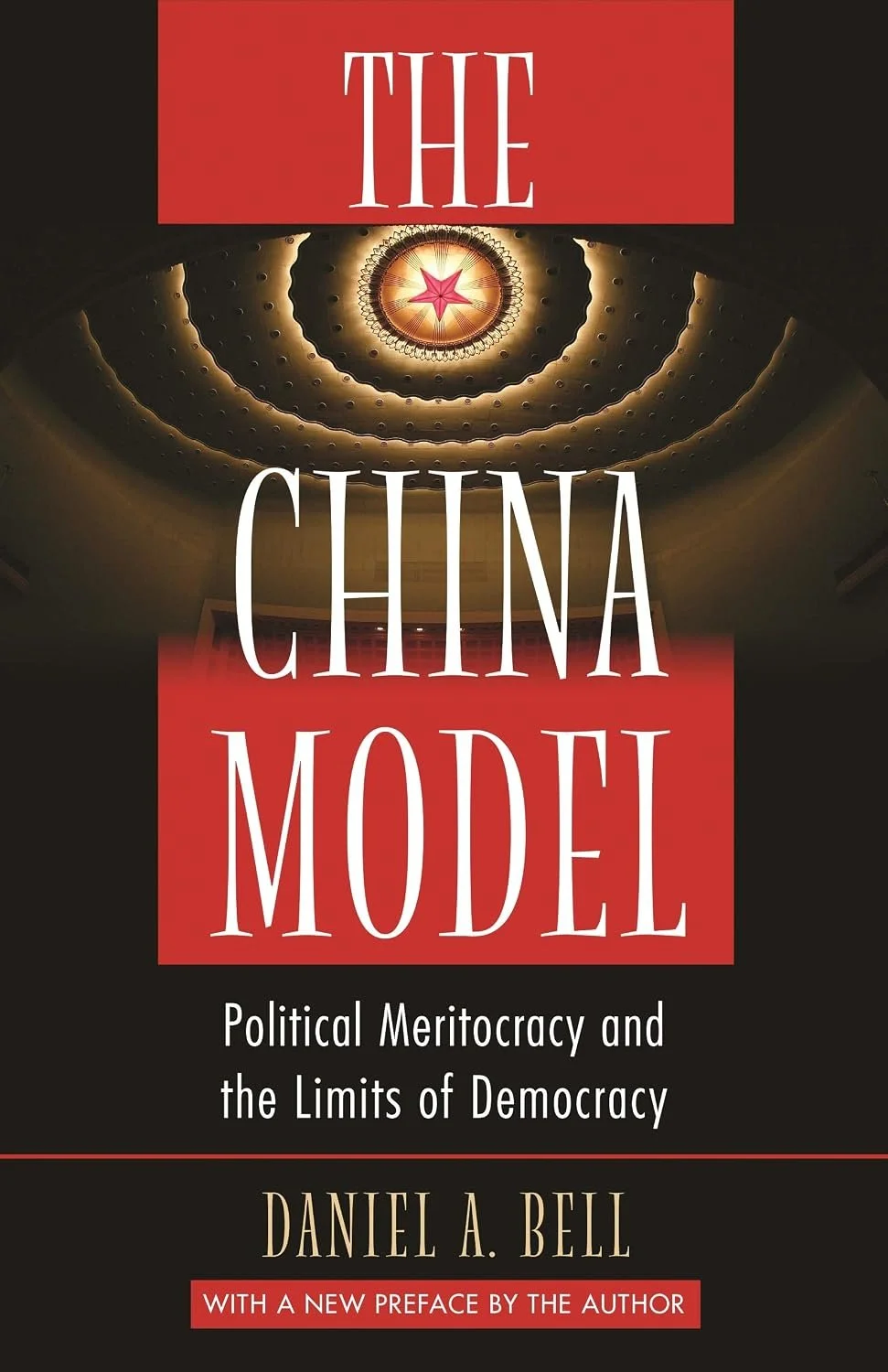
The strongest good-faith case for Chinese political meritocracy on its own terms.
The order-builder’s own account of how the postwar equilibrium is coming apart and the grammar of the multipolar order in which any partnership of equals would have to operate.
A governance-first account from within the responsible-AI field that treats AI as power to be governed rather than merely a product to be regulated, cutting through hype in both directions.
Documents how the European Union exports its rules through the gravity of its market, forcing companies far beyond its borders to comply. It is the clearest account of Europe’s one genuine form of technological power.
Debunks the myth that only corporations can innovate effectively and demonstrates the enormous role that public-sector research and development played in creating today’s Big Tech firms.
The ultimate optimisation catastrophe: a society reengineered toward a projected future at the cost of tens of millions of lives.
Takes the recognition that AI is racist and perpetuates injustice to its logical endpoint: how should we resist technology and abolish tools of algorithmic repression?
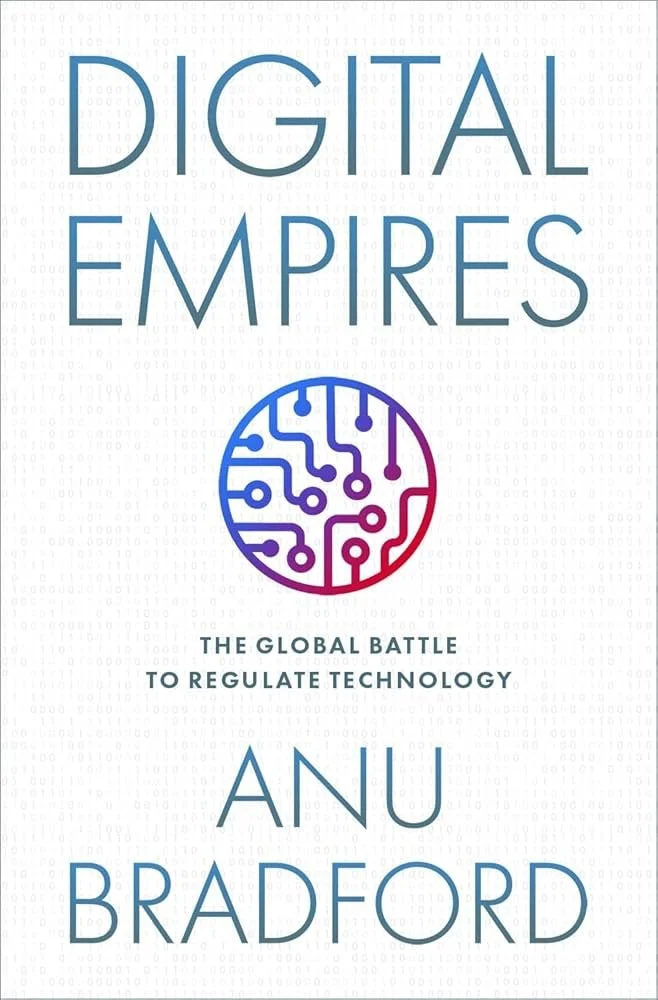
A comparative account of the American, Chinese, and European approaches to governing the digital economy and shaping global technological rules.
An accessible introduction to artificial intelligence that explains what current systems can do, where they fail, and why intelligence remains difficult to define.
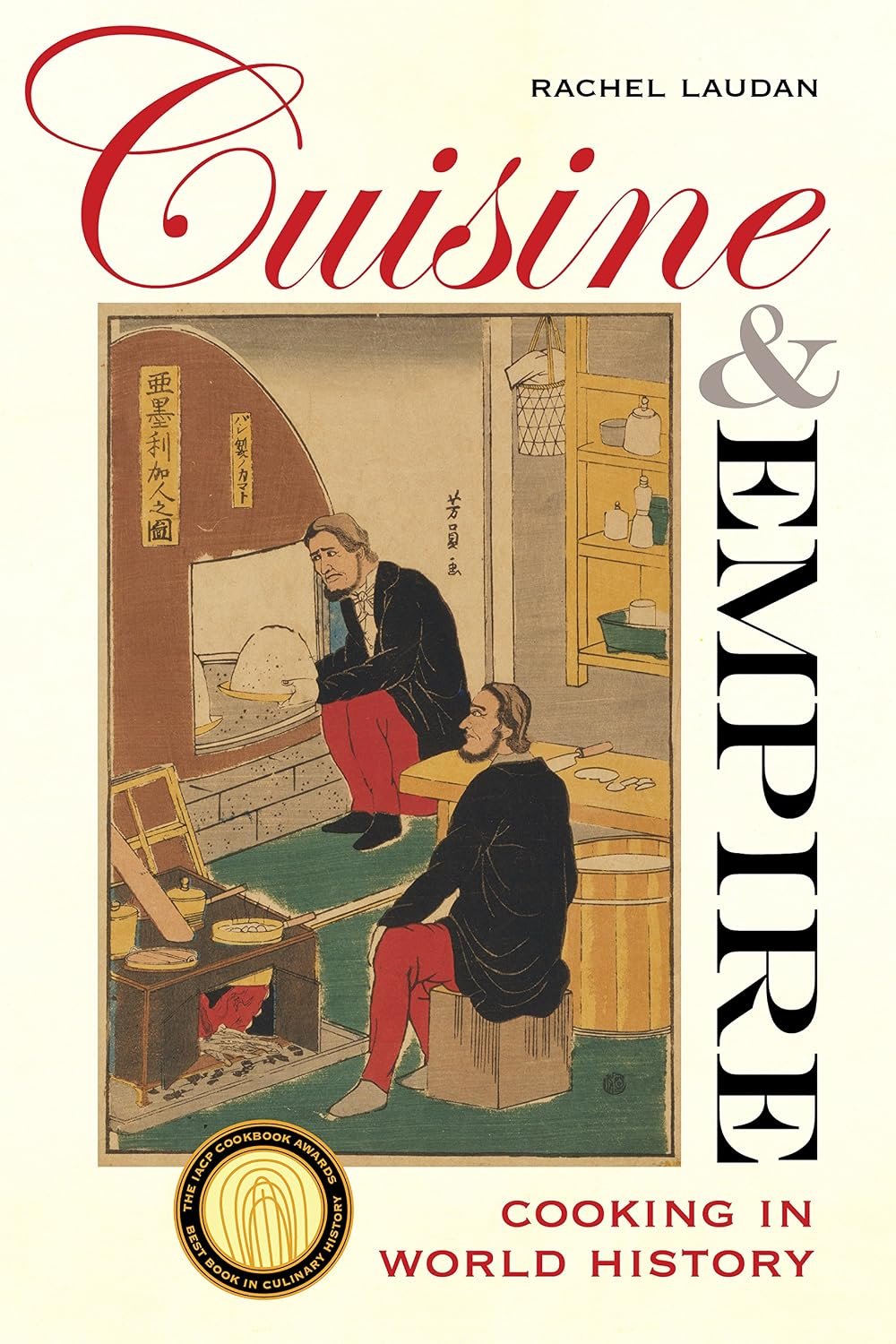
A lively examination of cooking as one of the first transformative technologies and cuisine as a carrier of empire. Culinary techniques have served armies and disseminated culture across the world.
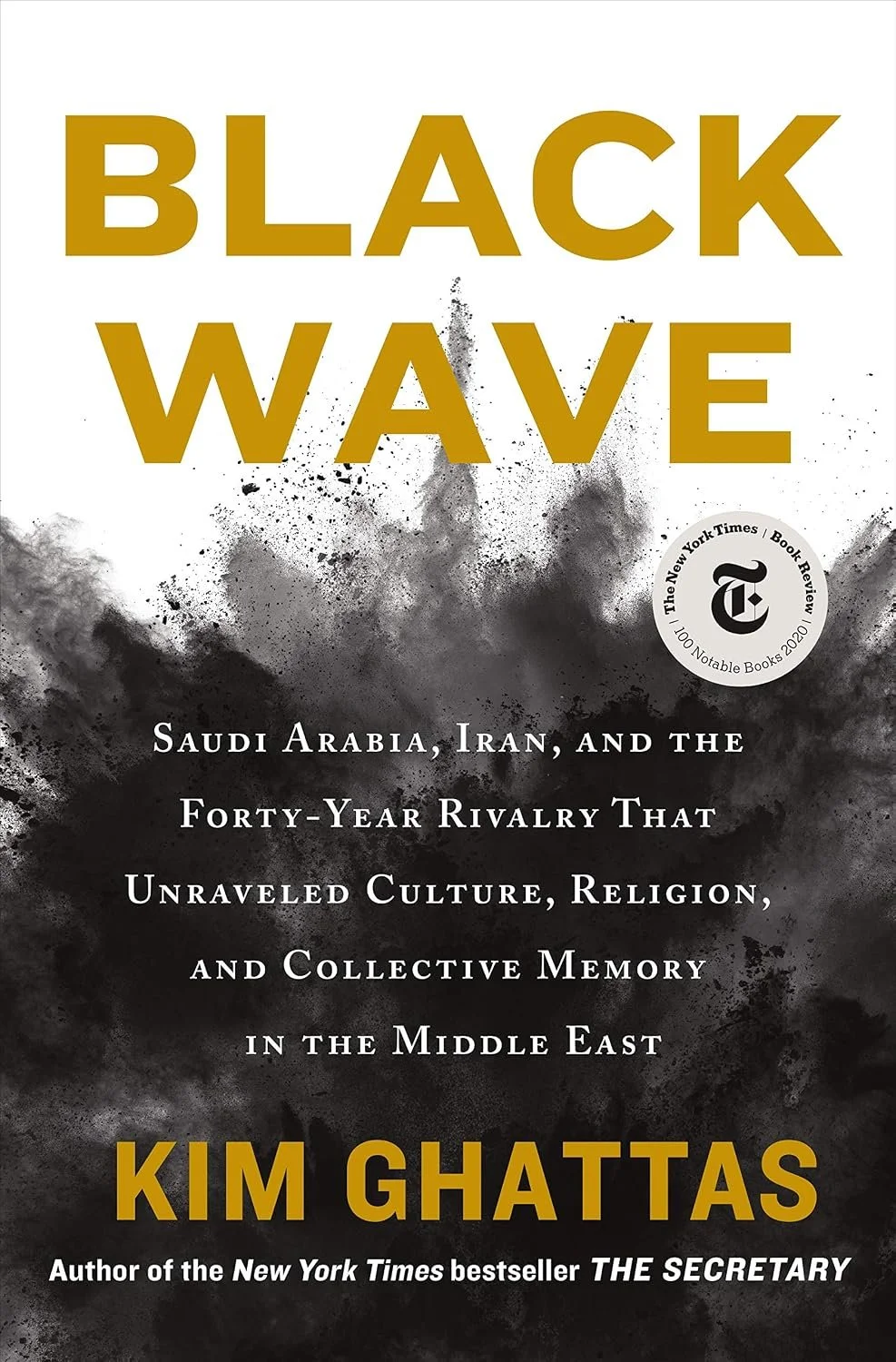
Examines how the Saudi-Iranian rivalry after the Iranian Revolution shaped the region and the wider world. It treats the peoples and actors of the region as agents rather than pawns in a geopolitical chess game.
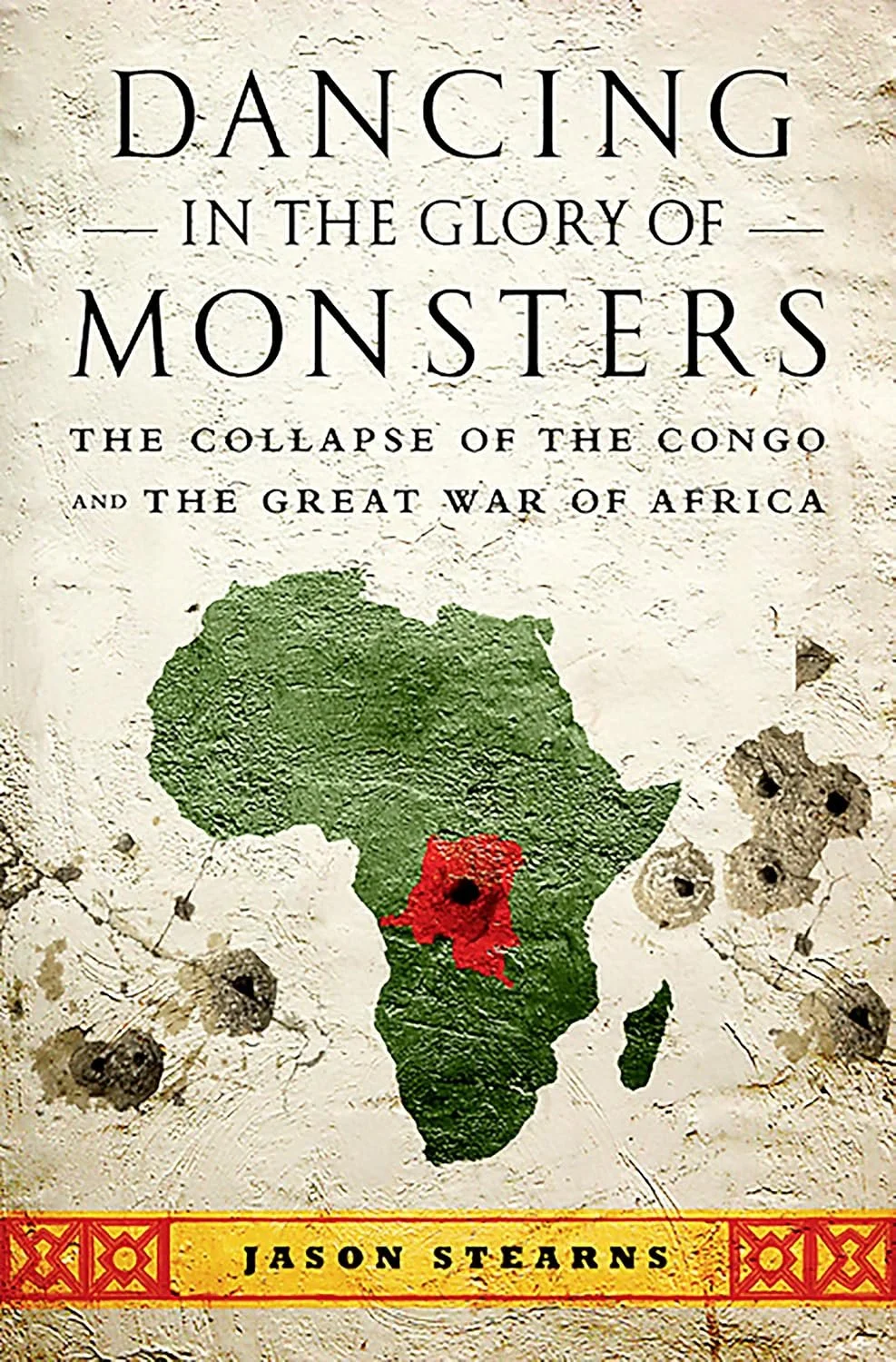
Examines the Congo War, a conflict on such a scale that it is sometimes called Africa’s World War. Rarely covered, it can also be understood as a resource war in which conflict minerals played a critical role.
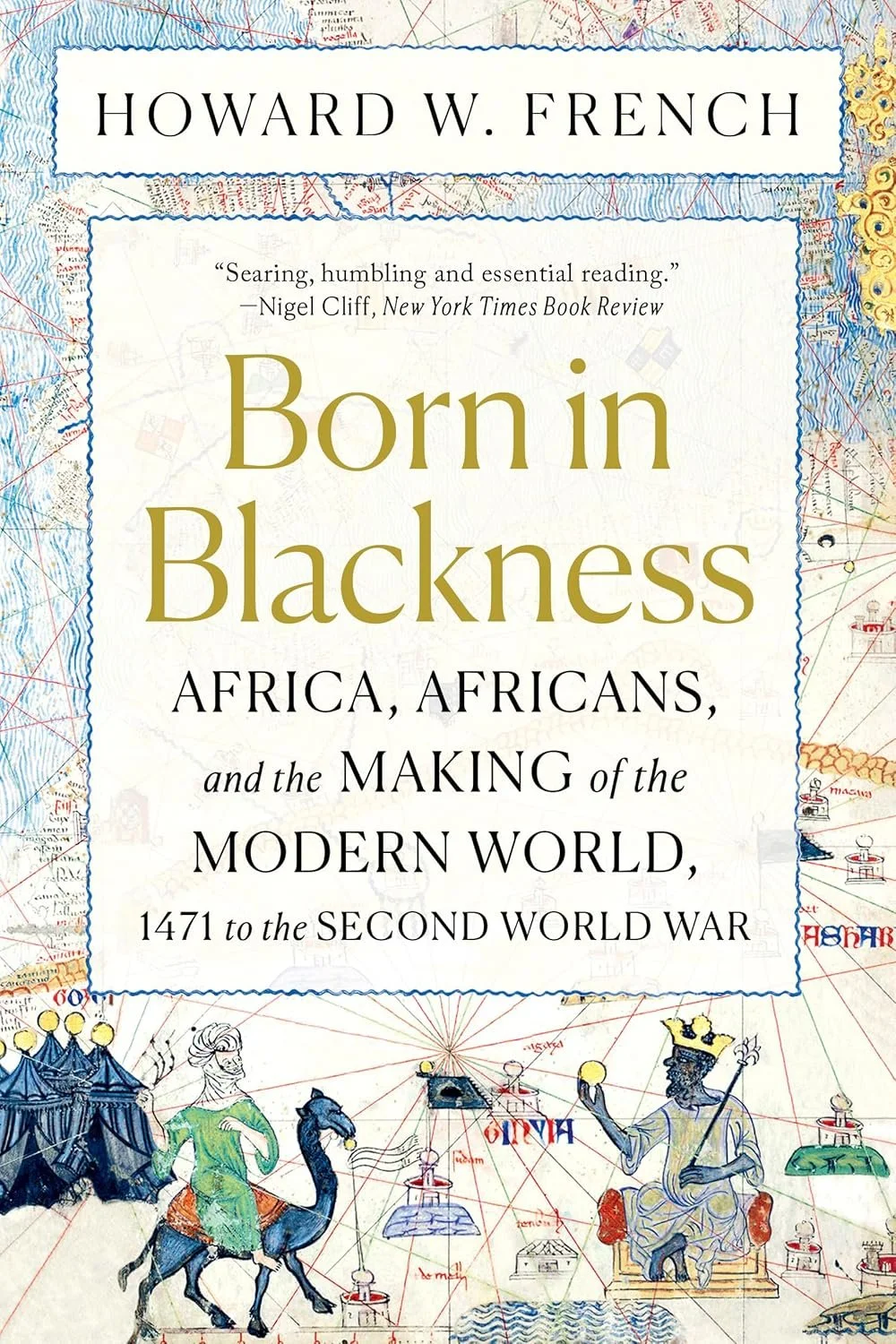
A sweeping analysis of six centuries in which Africa played a crucial part in creating the modern world. It recovers the rise and fall of powerful empires that are studied too little in the West.
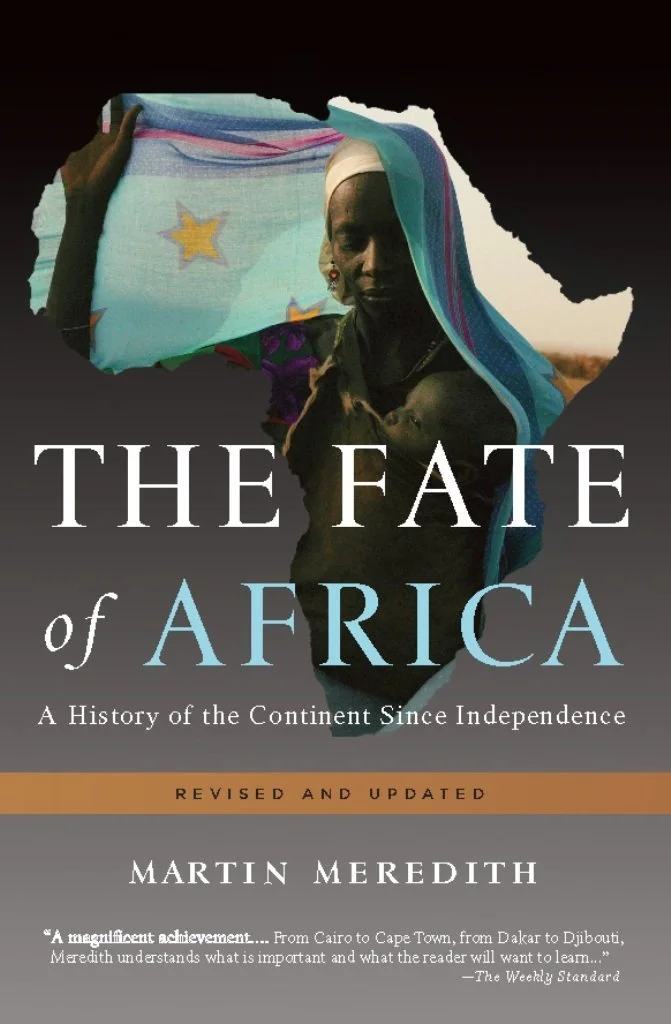
Covers six decades of post-independence Africa and shows how decolonisation took many different forms. Each colonial power left a different legacy and scar that had to be overcome.
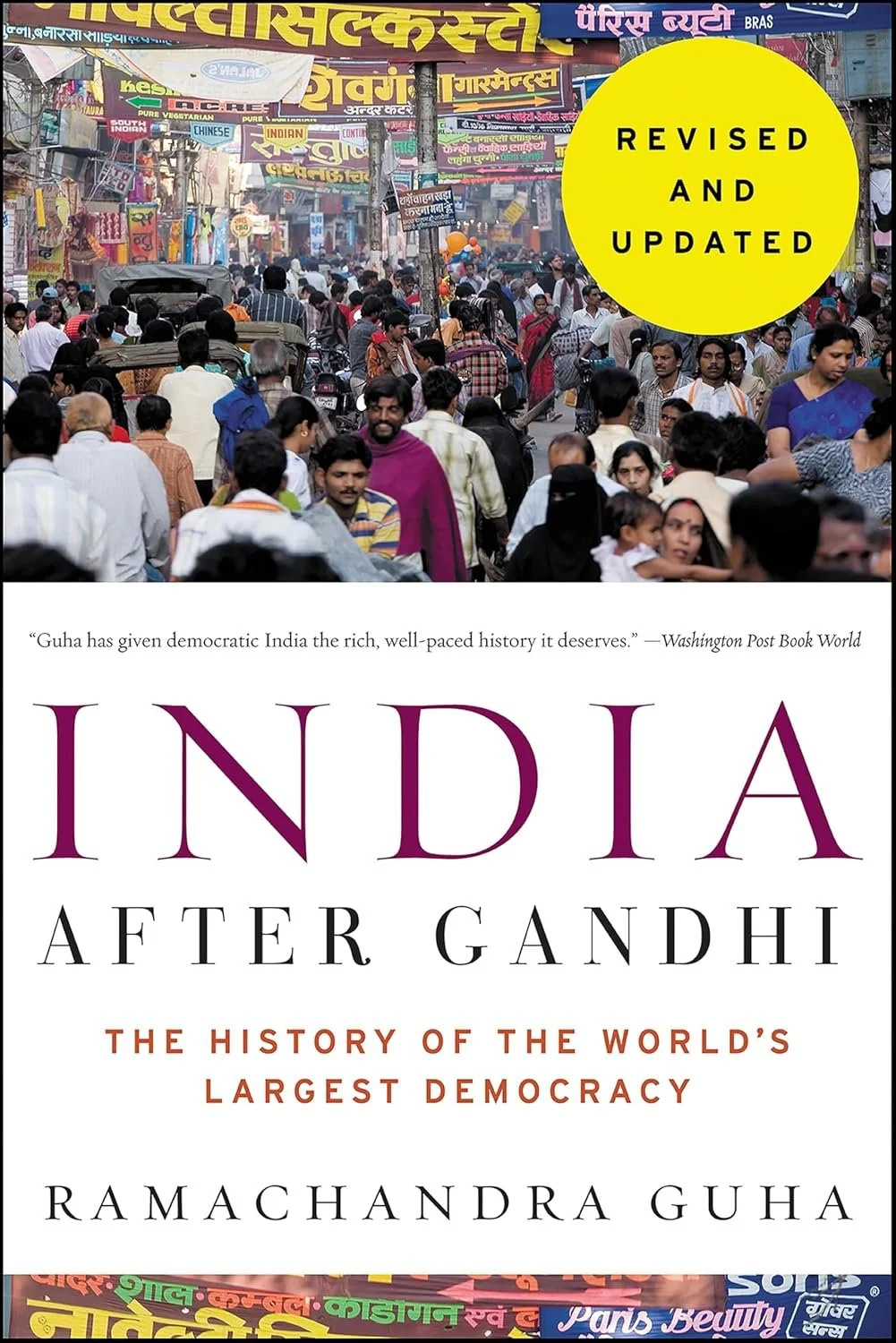
An in-depth history of India’s first steps into democracy. It navigates the legacy of colonialism, geopolitical pressures, and internal cleavages, and shows that India has long charted its own path in the world.
Examines the successful industrial policy of the Asian Tigers: domestic educational and agricultural programmes, followed by national industrial champions, and finally financial liberalisation.
Shows the catastrophic cost of a security spiral run amok and how fear of communism led the United States to support mass murder.
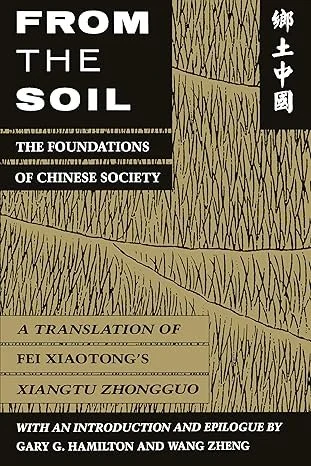
The foundational text of Chinese sociology. It attempts to map Western sociological theory directly onto Chinese society, highlighting crucial differences.