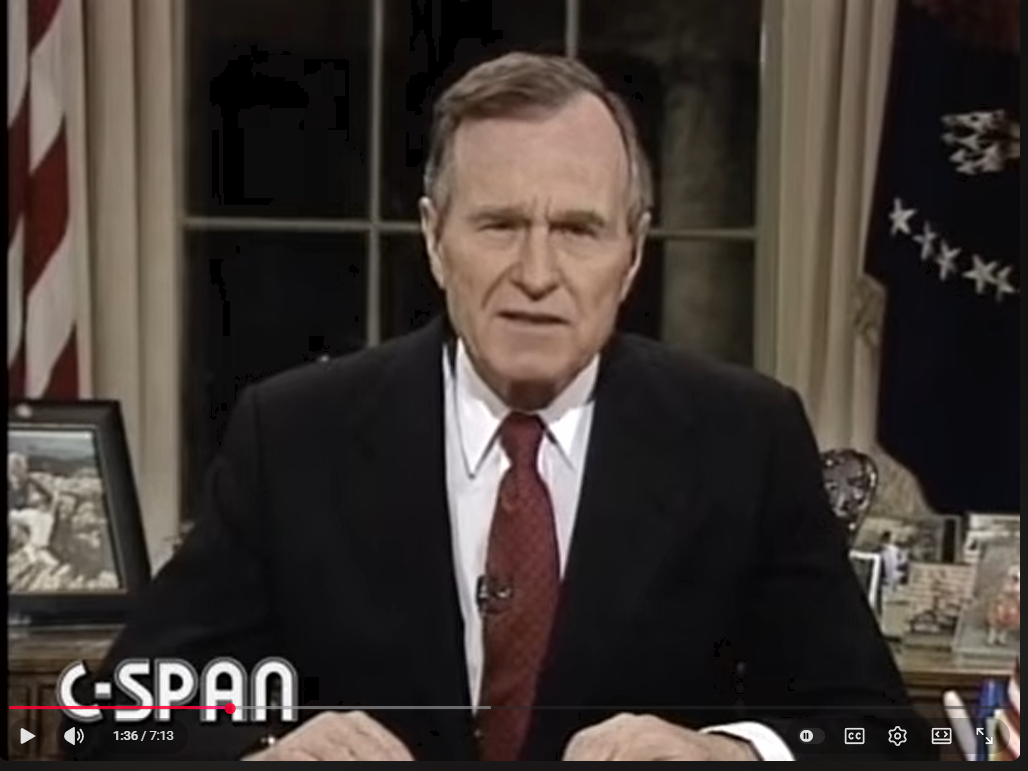
Bush Sr. 1991 Address to the Nation on the Collapse of the USSR
This is the speech described in Chapter 1 that laid out America’s role in the world during the post Cold-War order.

The Dutch Machine the World is Fighting Over, by NOS op 3
Why the world suddenly has started fighting over Dutch EUV machines.
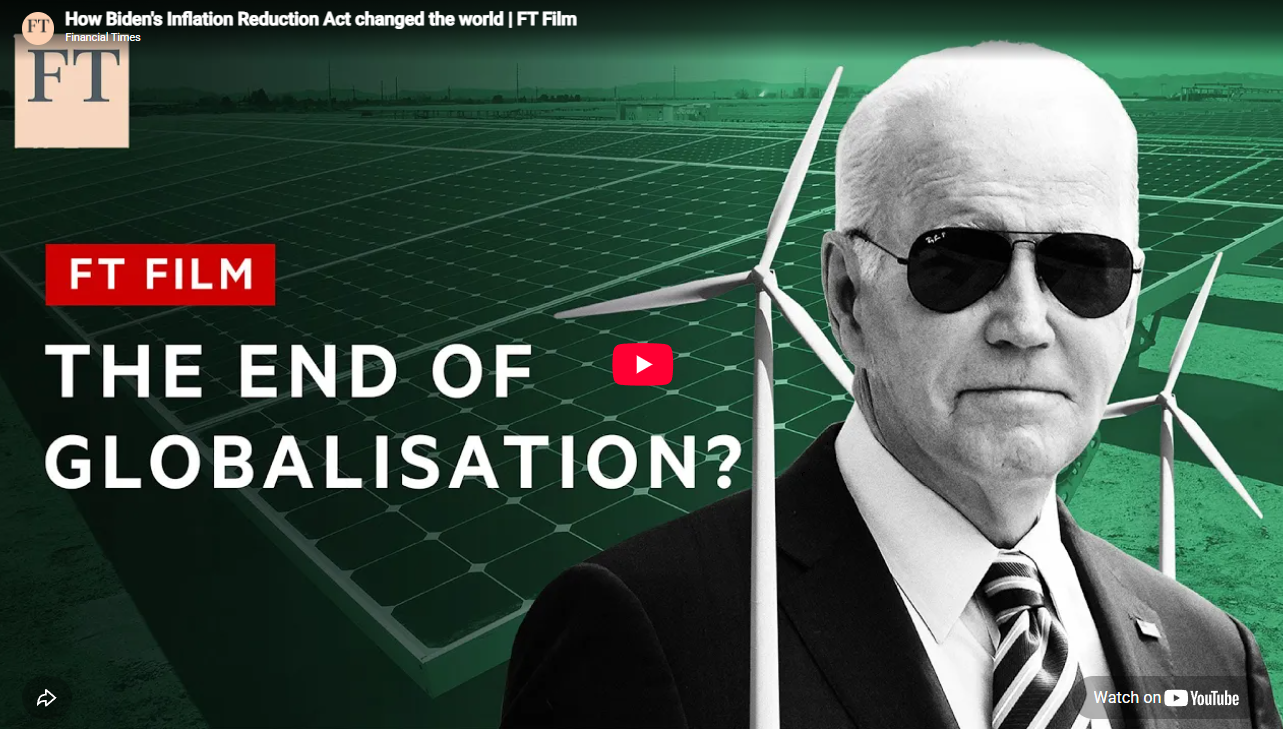
How The Inflation Reduction Act Changed the World, by the Financial Times
What policies do governments use to drive technological innovation, and how do non-state actors like Big Tech operate in a geopolitical paradigm that is state driven?

Hard Fork Podcast, the New York Times
Probably the best way to stay up-to-date on the latest twists and turns in the AI landscape without having to read!
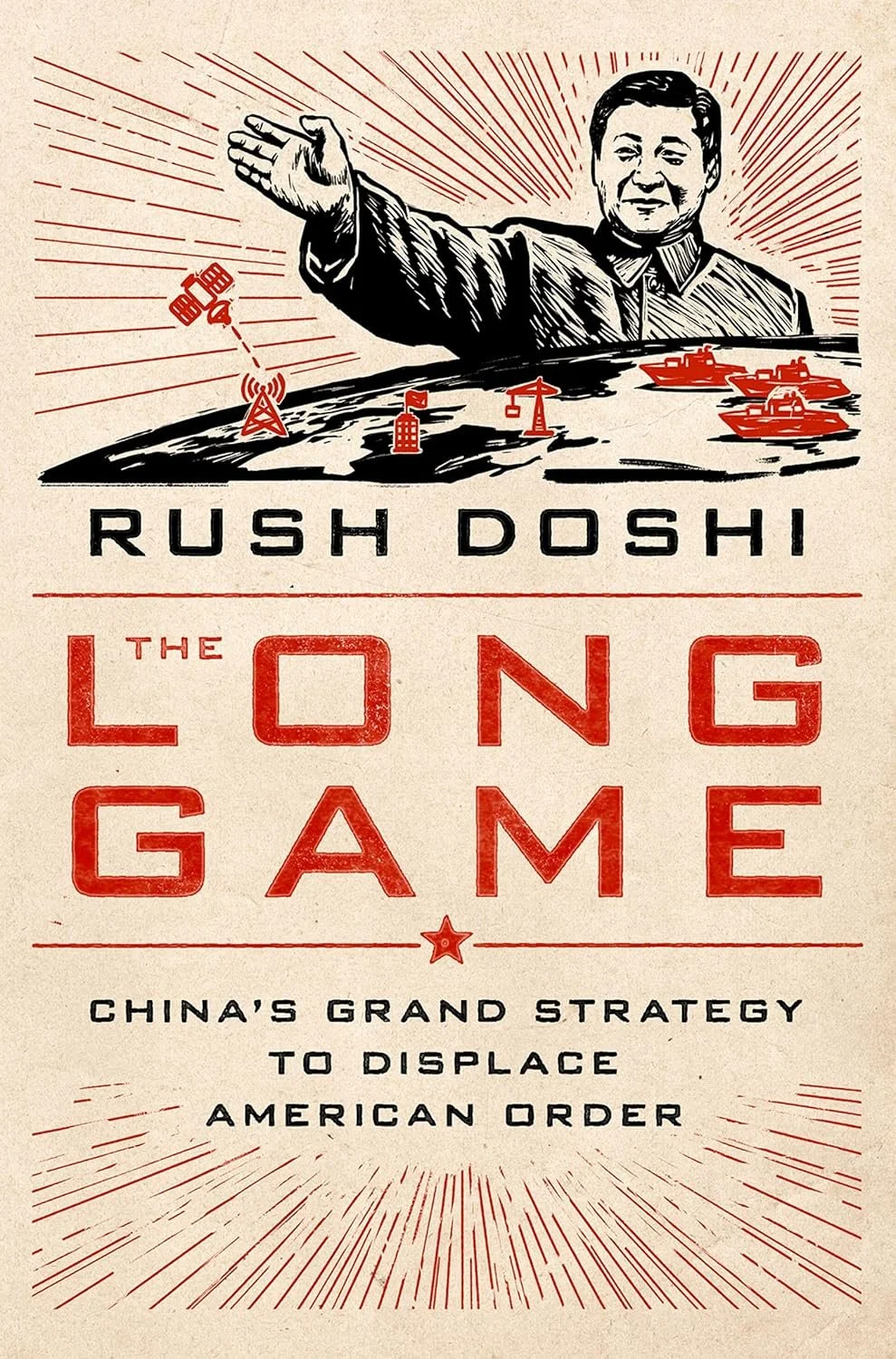
The Long Game, by Rush Doshi
Presents the perspective of a China hawk who sees China as a direct threat to the American order.
World Order, by Henry Kissinger
The order-builder’s own account of how the postwar equilibrium is coming apart and the grammar of the multipolar order in which any partnership of equals would have to operate.
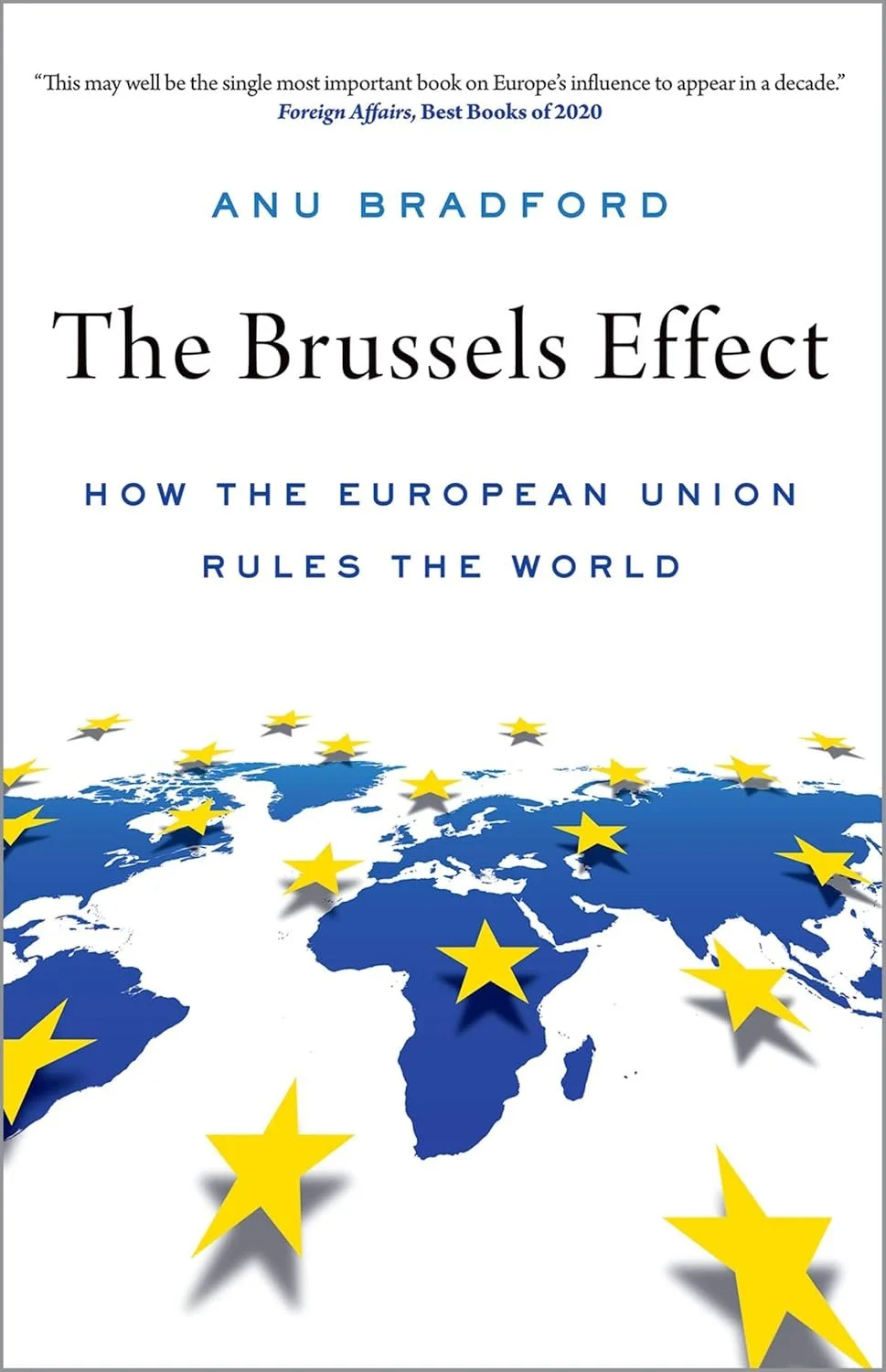
The Brussels Effect, by Anu Bradford
Documents how the European Union exports its rules through the gravity of its market, forcing companies far beyond its borders to comply. It is the clearest account of Europe’s one genuine form of technological power.
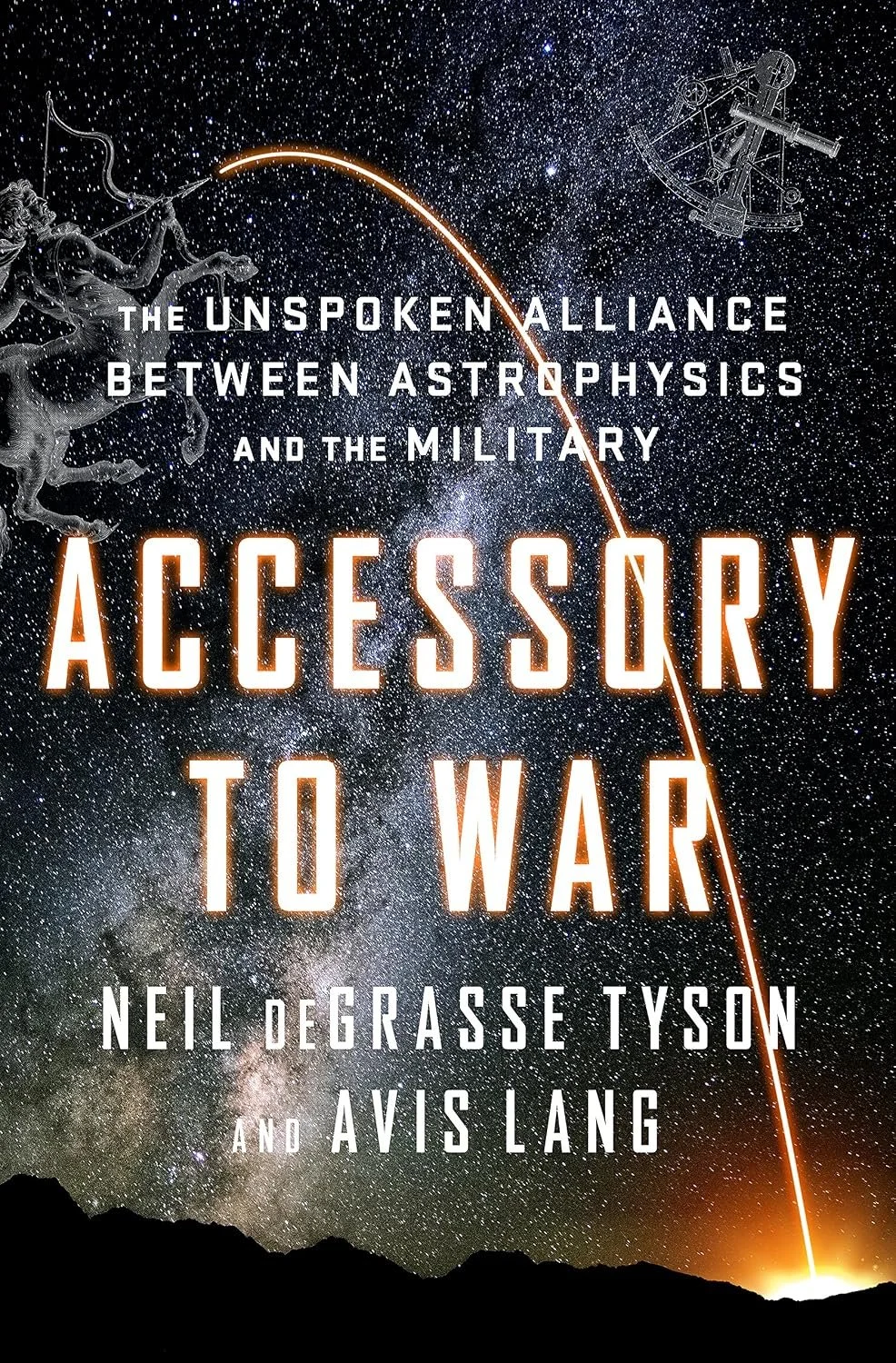
Accessory to War, by Neil de Grasse Tyson & Avis Lang
Explores the long marriage between the military and the frontier sciences.
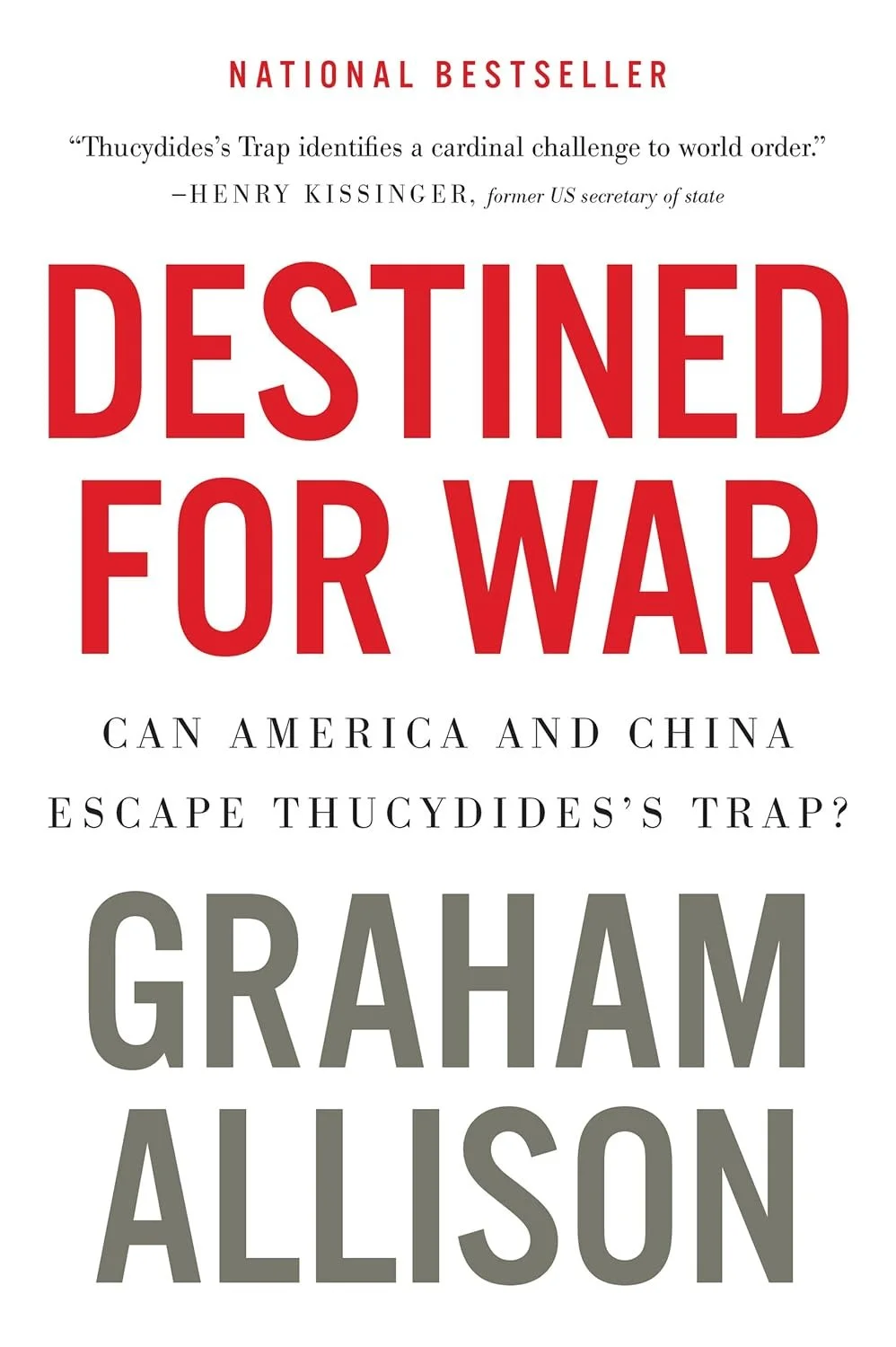
Destined for War, by Graham Allison
Argues that great-power rivalries tend to end in warfare and popularises the vocabulary of the Thucydides Trap around the supposed inevitability of conflict.
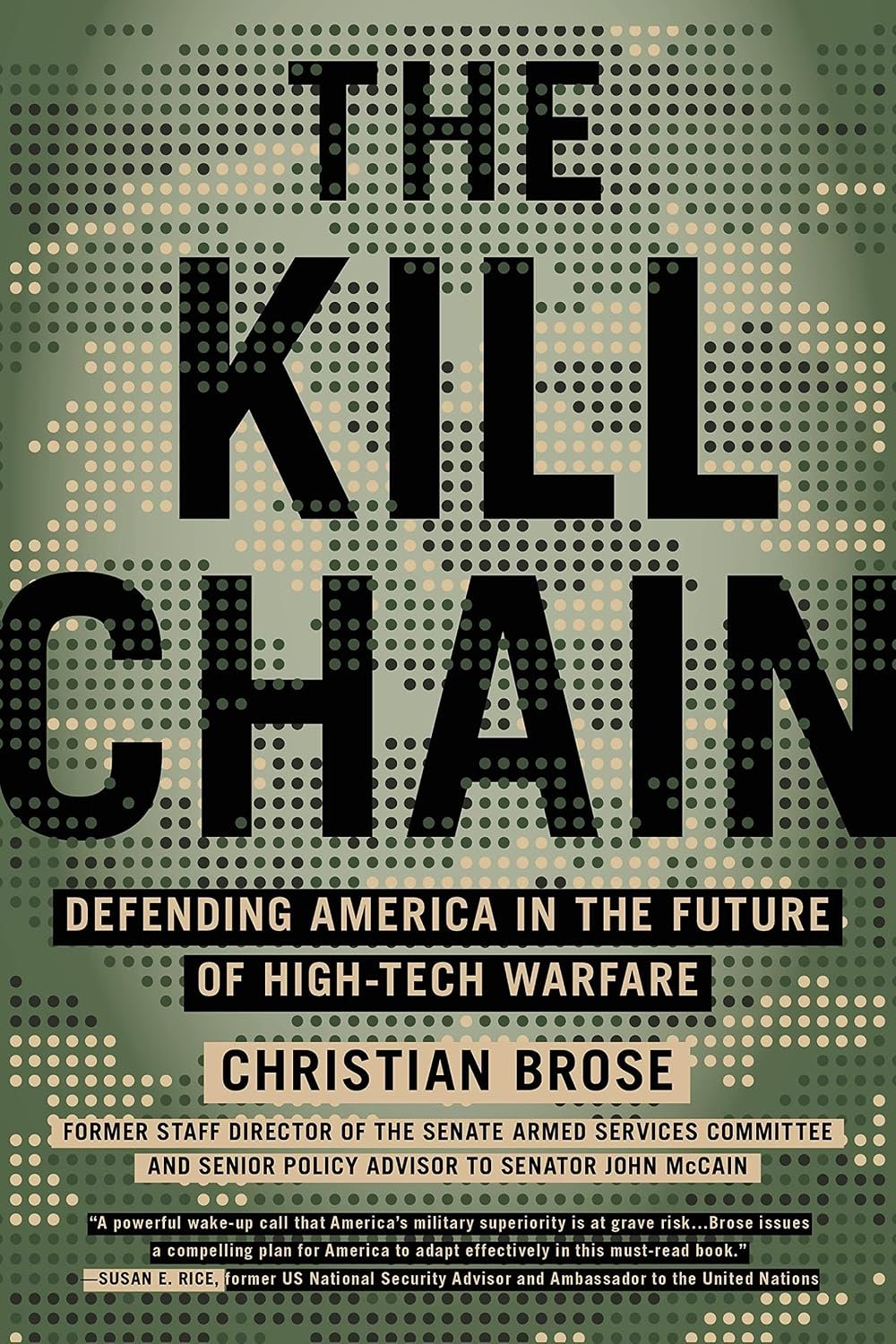
The Kill Chain, by Christian Brose
Examines how the future of warfare will be driven by technological integration.
On War, by Carl von Clausewitz
A seminal text in military theory that defines the political nature of war.
Apple in China, by Patrick McGee
An in-depth examination of China’s use of neoliberal doctrine to pull Apple’s production processes within its borders.
Wealth and Power, by Orville Schell & John Delury
Moves through some of China’s most important figures after the Opium Wars and examines what they considered the path for China to return to wealth and power.
The Entrepreneurial State, by Mariana Mazzucato
Debunks the myth that only corporations can innovate effectively and demonstrates the enormous role that public-sector research and development played in creating today’s Big Tech firms.
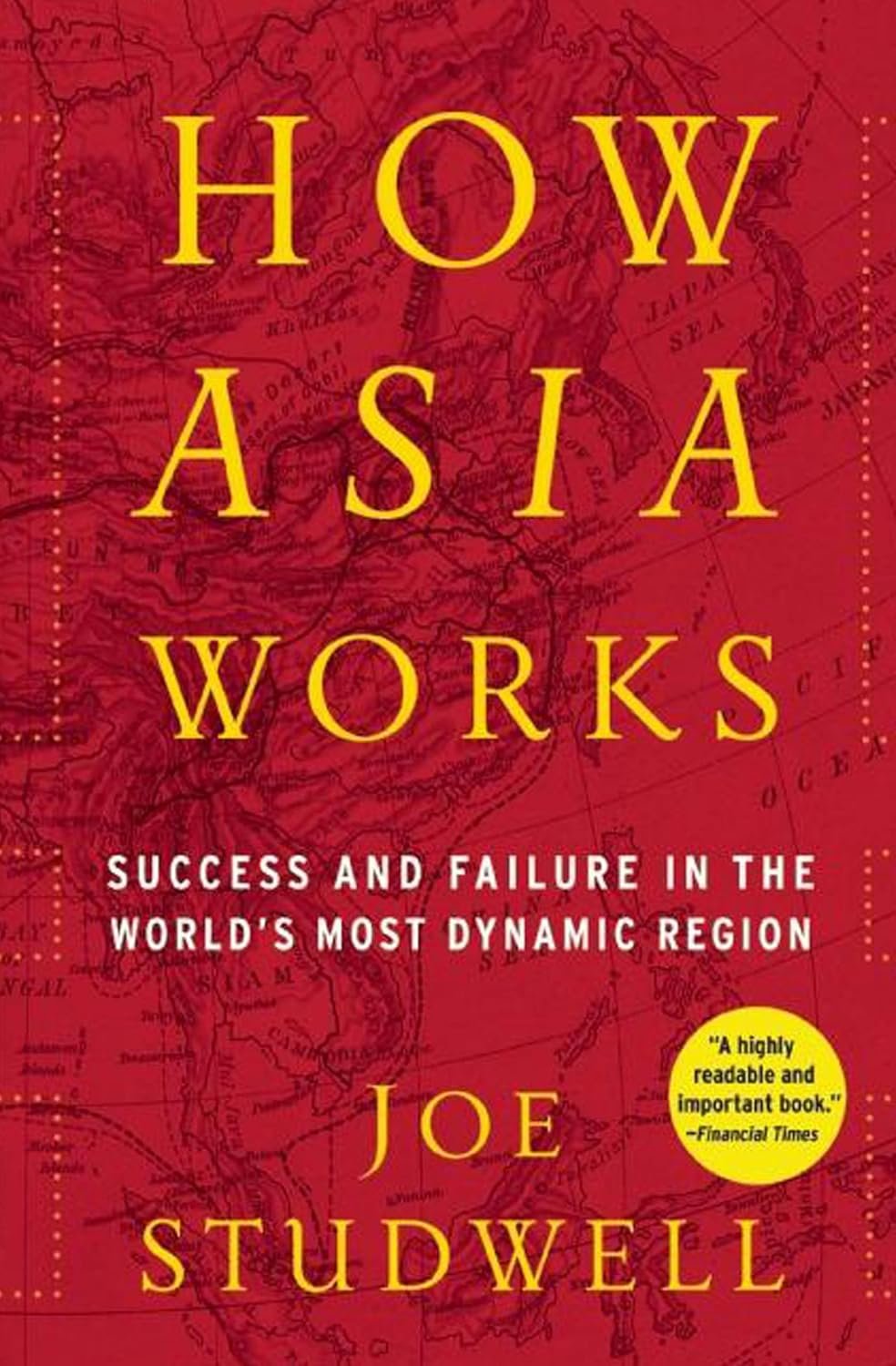
How Asia Works, by Joe Studwell
Examines the successful industrial policy of the Asian Tigers: domestic educational and agricultural programmes, followed by national industrial champions, and finally financial liberalisation.
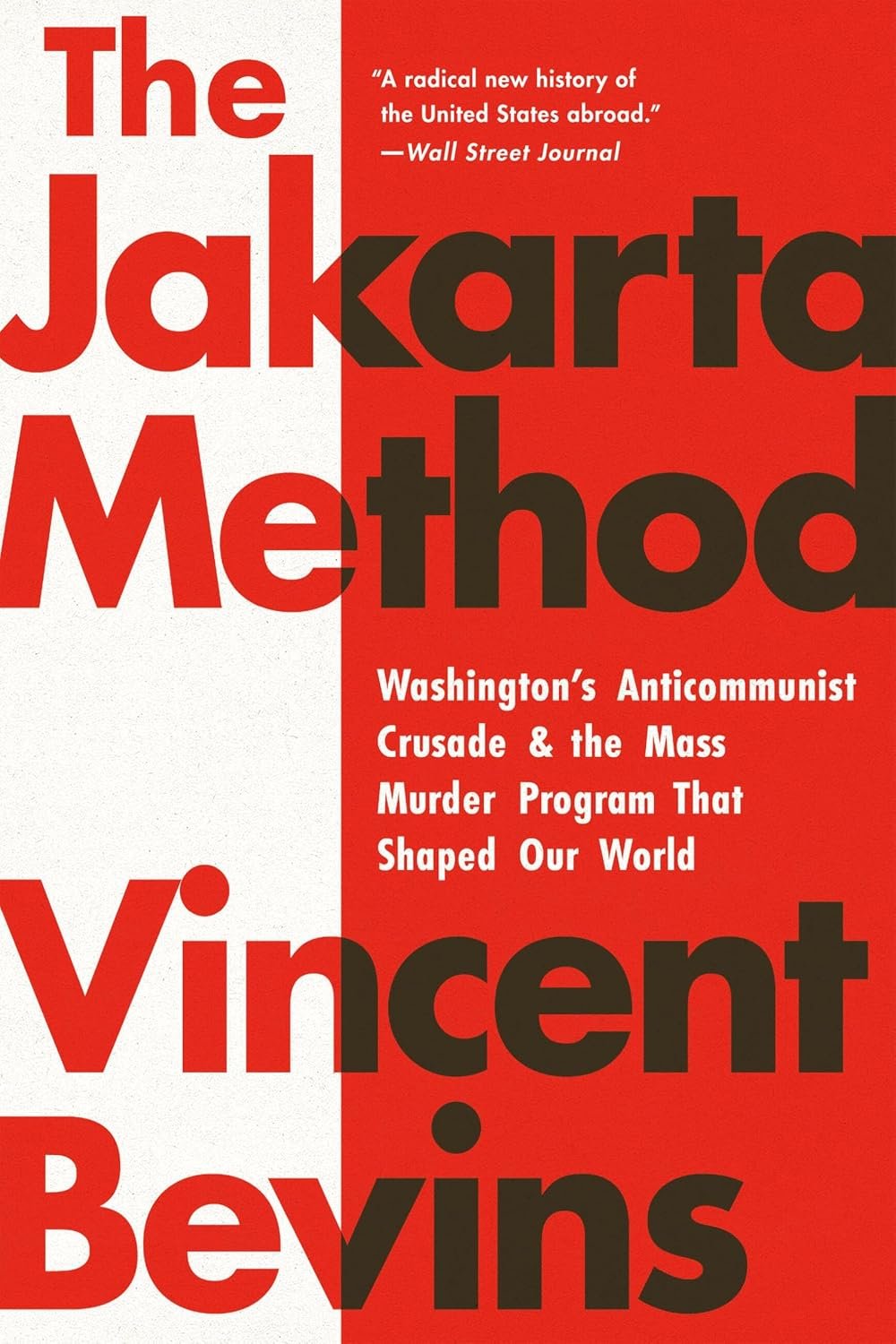
The Jakarta Method, by Vincent Bevins
Shows the catastrophic cost of a security spiral run amok and how fear of communism led the United States to support mass murder.
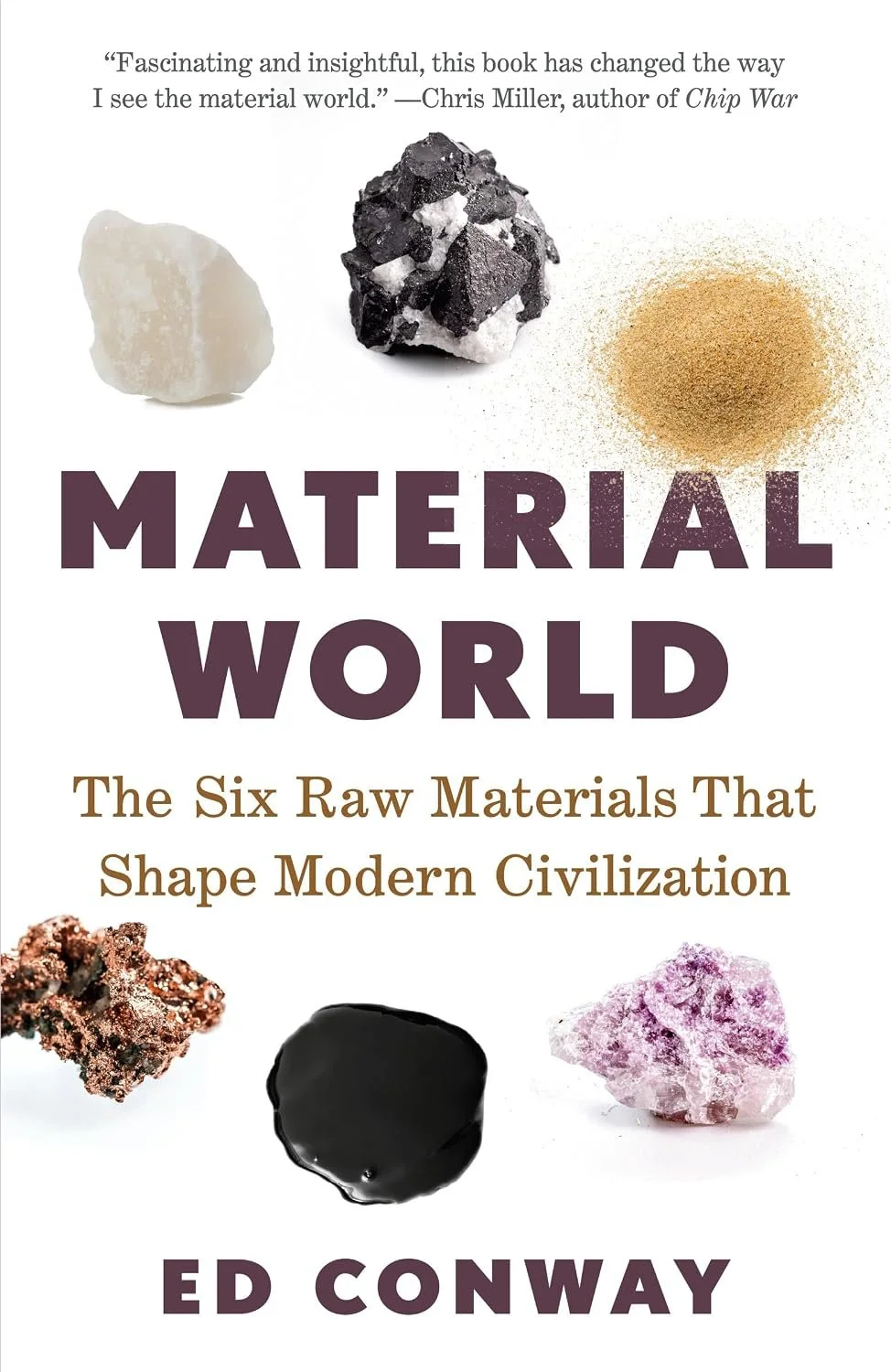
Material World, by Ed Conway
Maps the material dependencies and chokepoints underlying the global economy and shows how a small amount of pressure, applied precisely, can cripple an entire supply chain.
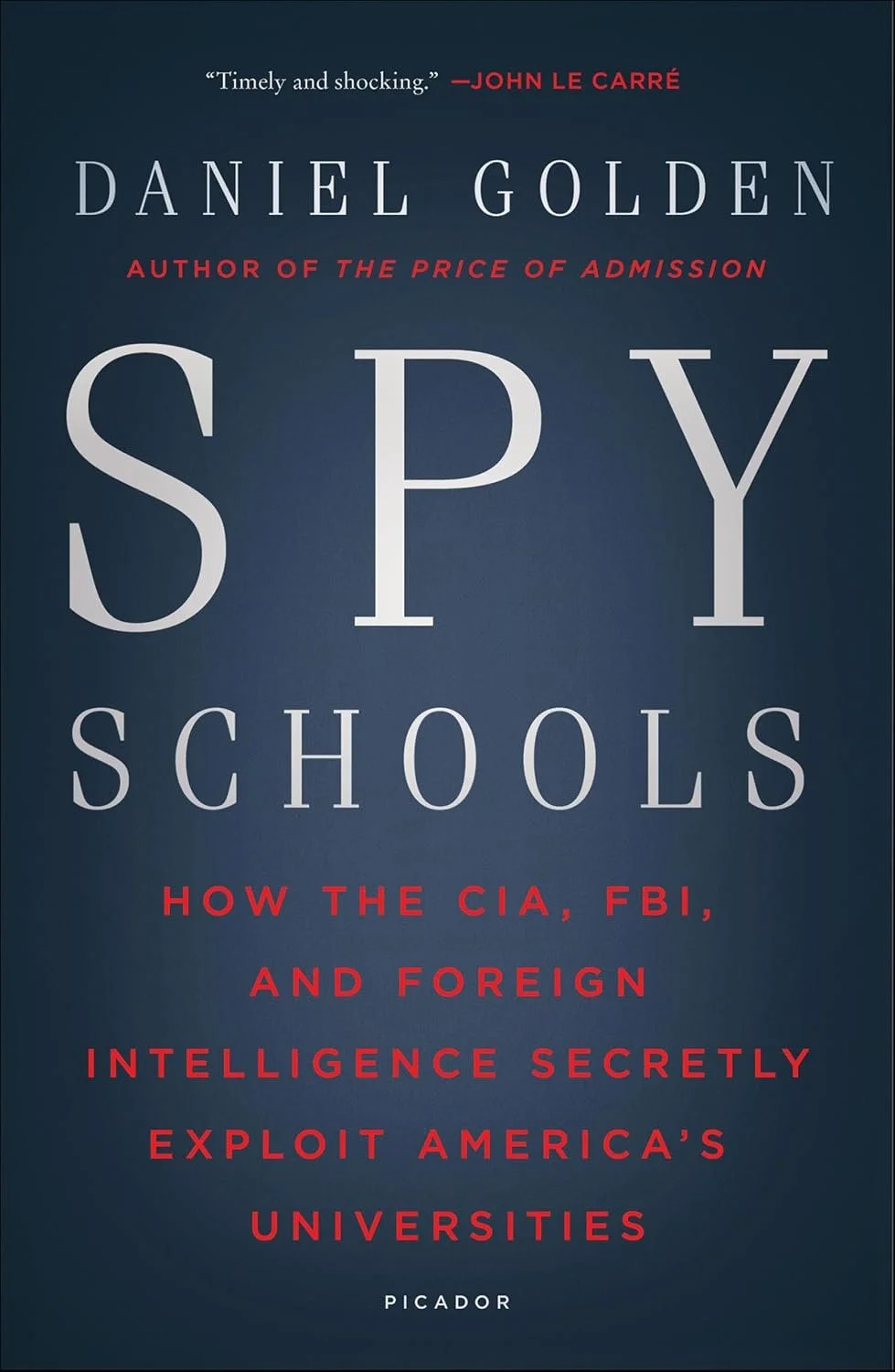
Spy Schools, by Daniel Golden
Covers the early securitization of the American academic sector after Chinese spies abused research access. It laid the groundwork for later efforts to ban students from the Seven Sons universities.
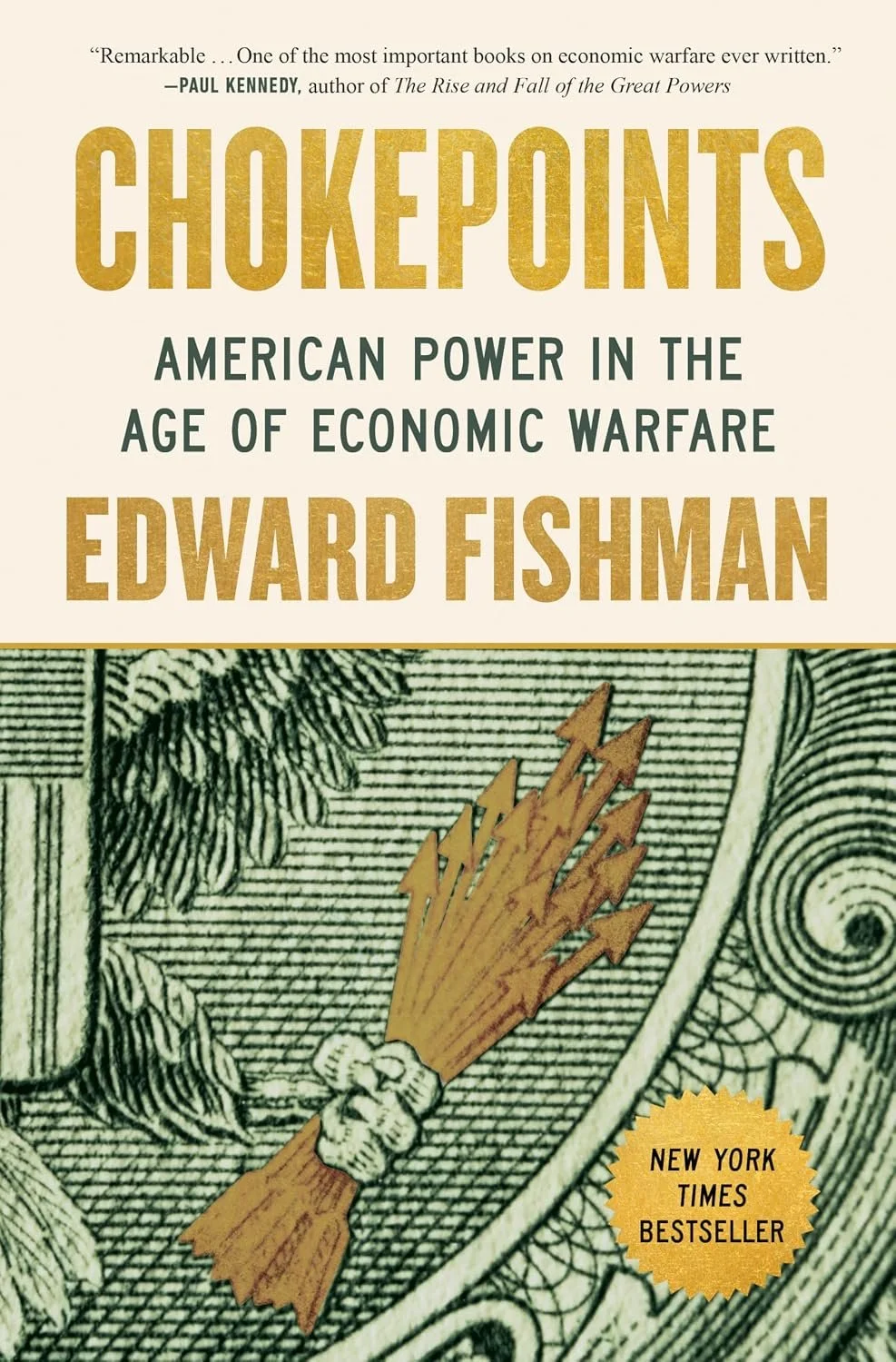
Chokepoints, by Edward Fishman
Documents the United States’ transition from free-trade orthodoxy towards weaponised interdependence as a tool of geopolitical pressure.
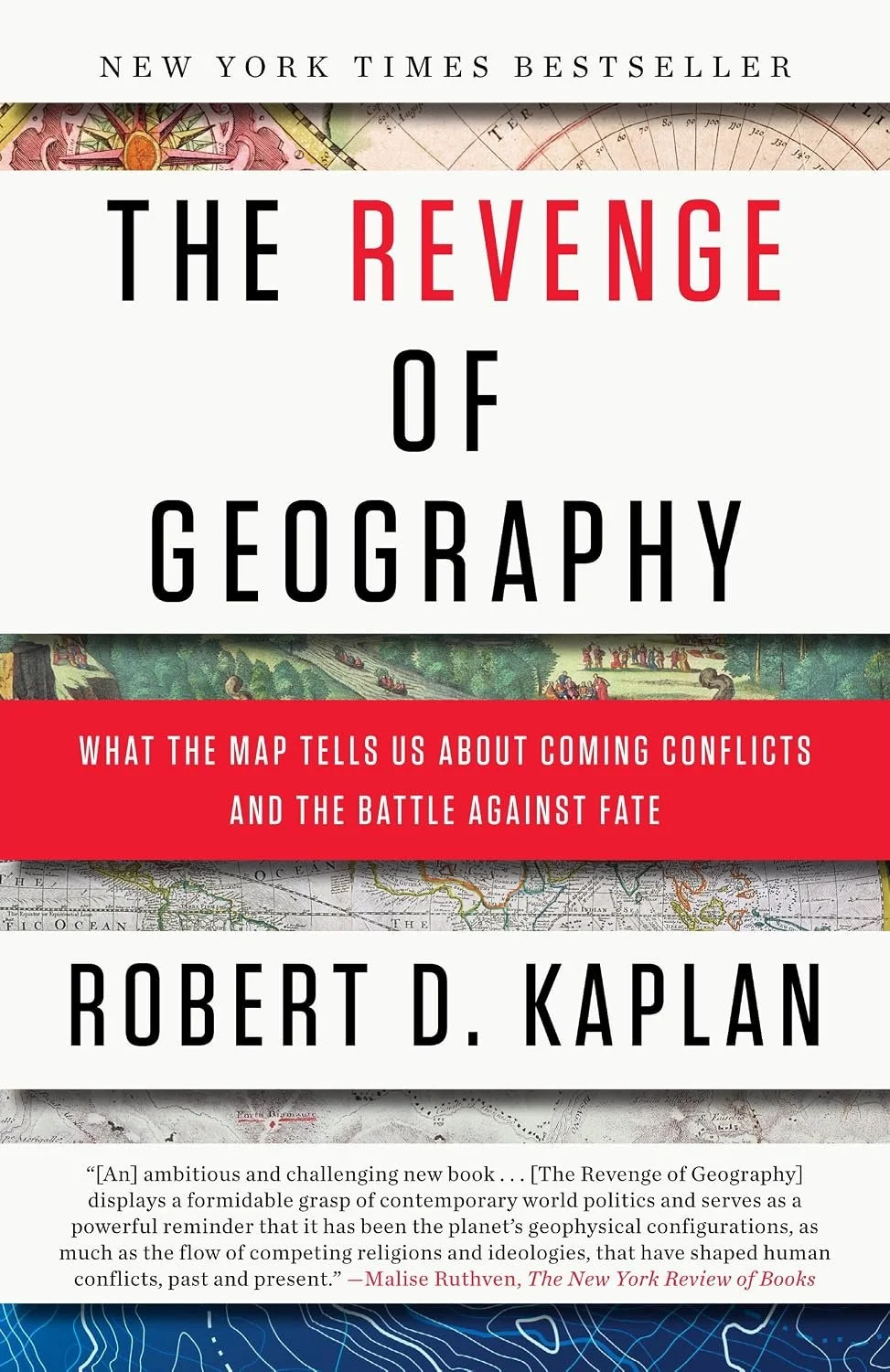
The Revenge of Geography, Robert D. Kaplan
Expands on the strict interpretation of geopolitics and explains how geography shapes foreign relations.