Revolutions Podcast, by Mike Duncan
Over 200 hours of wide-ranging and extensively researched narrative history. It gives a blow-by-blow account of the messy process of revolution, including the English, French, Haitian, Mexican, and Russian Revolutions.
Crash Course World History, Presented by John Green
A light hearted but very comprehensive series on world history.
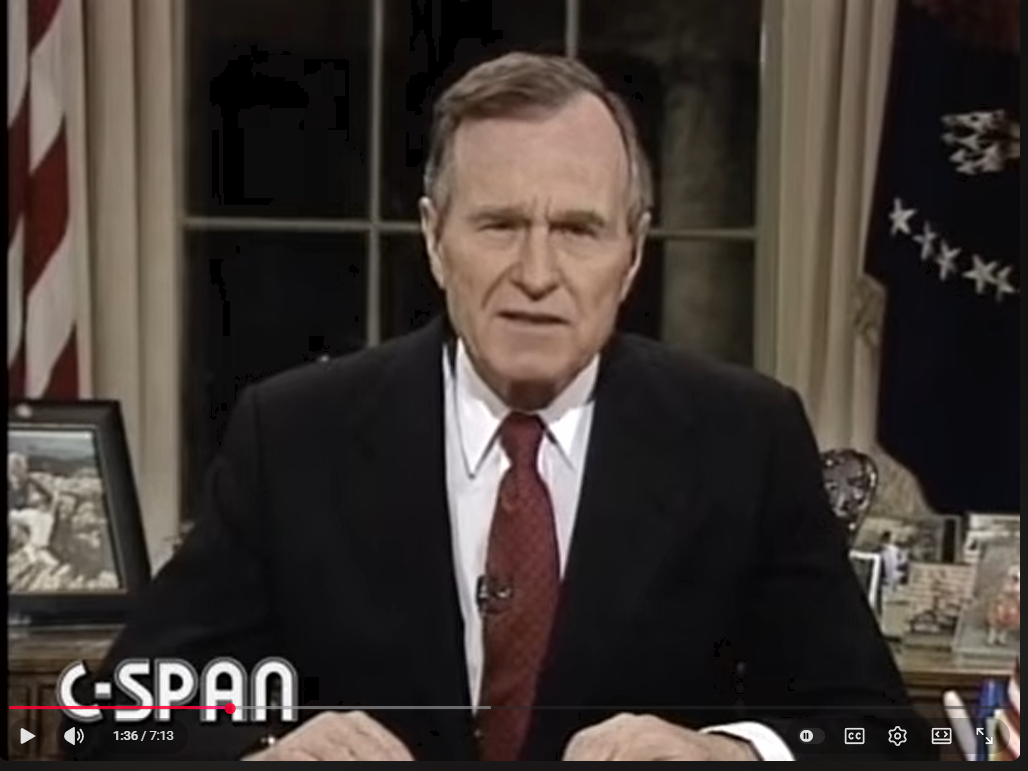
Bush Sr. 1991 Address to the Nation on the Collapse of the USSR
This is the speech described in Chapter 1 that laid out America’s role in the world during the post Cold-War order.

Bubbles, Golden Ages, and Tech Revolutions, Carlota Perez on the Exponential View Podcast
Is there a repeating cycle for technological innovation, and how does it impact the political economy? Are there historical analogies for modern Big Tech?
The History of Light, by NPR’s Planet Money
It’s easy take light for granted. But having regular and reliable access to safe (and non smelly) sources of light has fundamentally altered society

Hard Fork Podcast, the New York Times
Probably the best way to stay up-to-date on the latest twists and turns in the AI landscape without having to read!
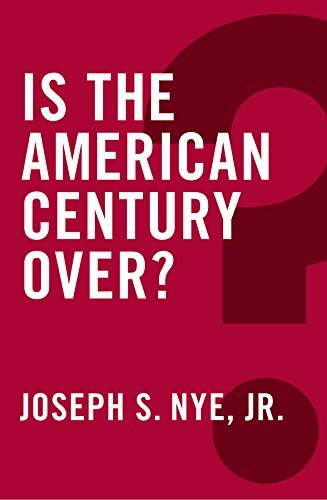
Is the American Century Over? by Joseph S. Nye, Jr.
An assessment of the strengths and weaknesses of the United States in an era of returning great-power politics. Crucially, the assessment was made before the election of Donald Trump.

Embracing Defeat, By John W. Dower
Shows how Japan has gone through institutional rebuilding not once, but twice. The entire political and economic architecture of Japan was altered in the rubble of postwar Japan.
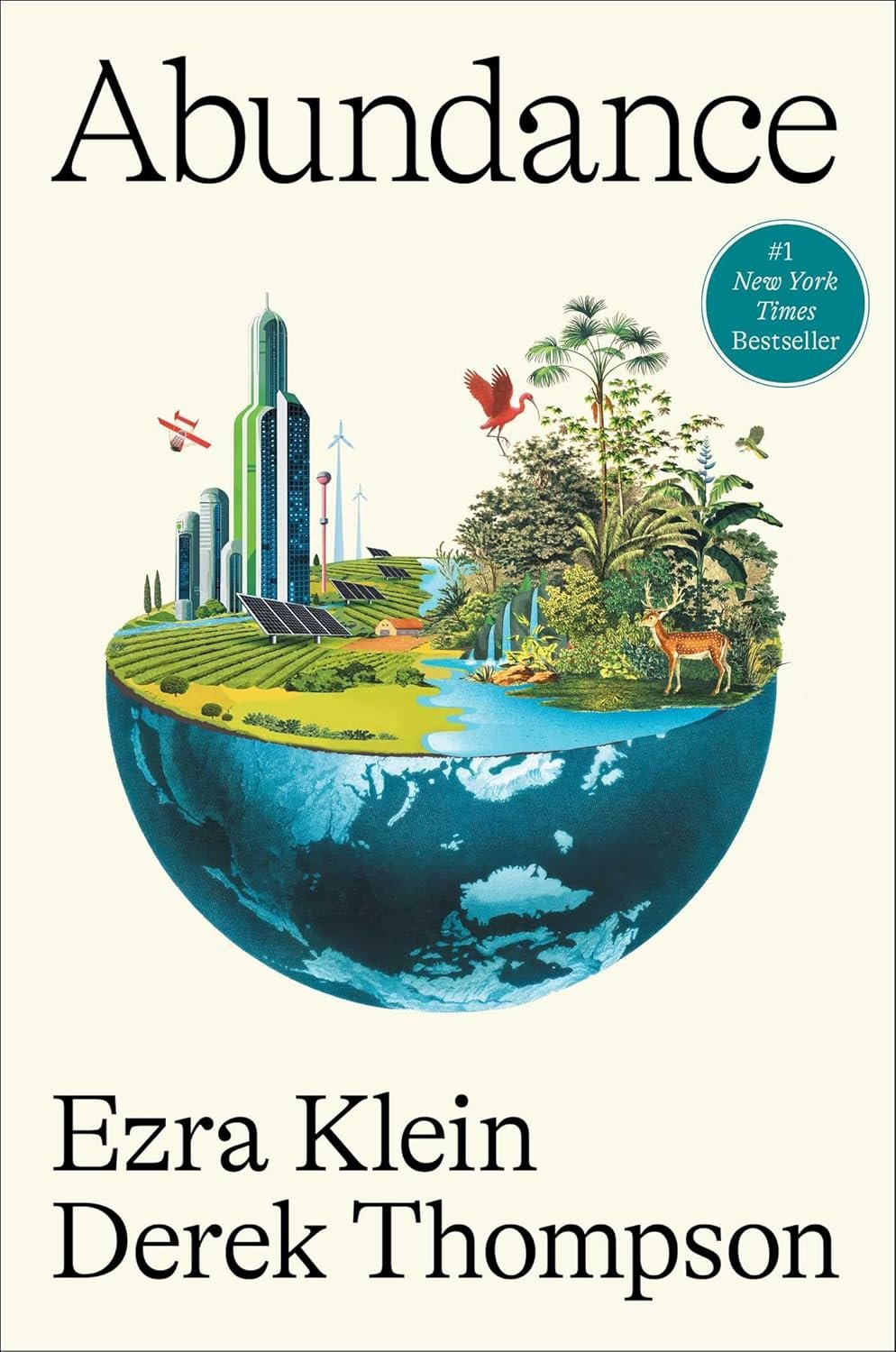
Abundance, by Ezra Klein and Derek Thompson
Diagnoses the failure of liberal institutions to keep building and highlights the tension between progressives’ dismissal of economic growth and conservatives’ dislike of government intervention.
How Democracies Die, by Steven Levitsky & Daniel Ziblatt
Shows how institutional erosion occurs when politics becomes all-consuming. In the absence of institutional evolution, wear and tear will eventually destroy any political system.
Political Order in Changing Societies, by Samuel P. Huntington
One of the foundational texts in the history of institutions and an intellectual counterpoint to Fukuyama. It considers the role of political institutions within changing political systems and argues that political decline is at least as likely as political development.
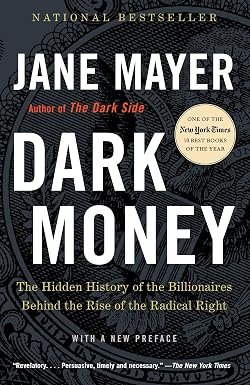
Dark Money, by Jane Mayer
Shows how billionaires and ultrarich individuals have gradually captured the political system through funding academic institutions, think tanks, and political donations. Written before the Big Tech era, it demonstrates that the corrupting influence of money is not new, but is vastly compounded by technology.
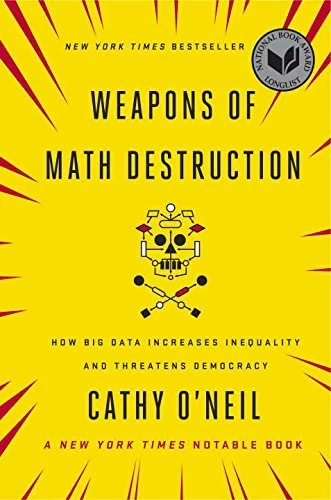
Weapons of Math Destruction, by Cathy O’Neil
One of the earlier books to cover the connection between technology and social inequality. It explores how seemingly innocuous algorithms can deepen and reinforce racism and socioeconomic injustice.
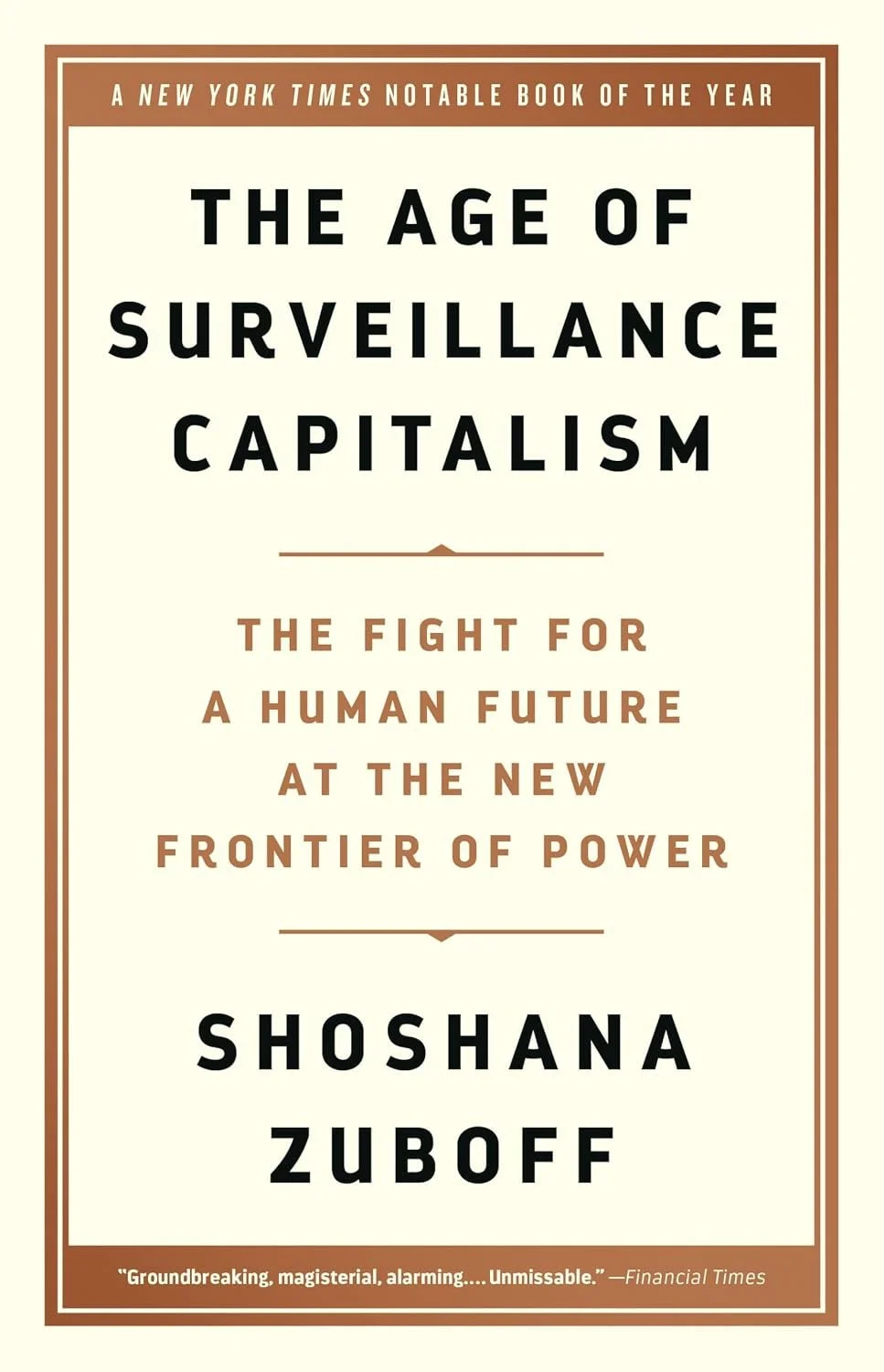
The age of surveillance capitalism, by Shoshana Zuboff
A book that lays down much of the vocabulary around algorithms and agency. It highlights the silent coup that occurred when we began outsourcing epistemic and cognitive agency to profit-driven algorithms.

Technological Revolutions and Financial Capital, by Carlota Perez
Presents the techno-economic “surge” model: why each general-purpose technology arrives with a lag between installation and absorption.
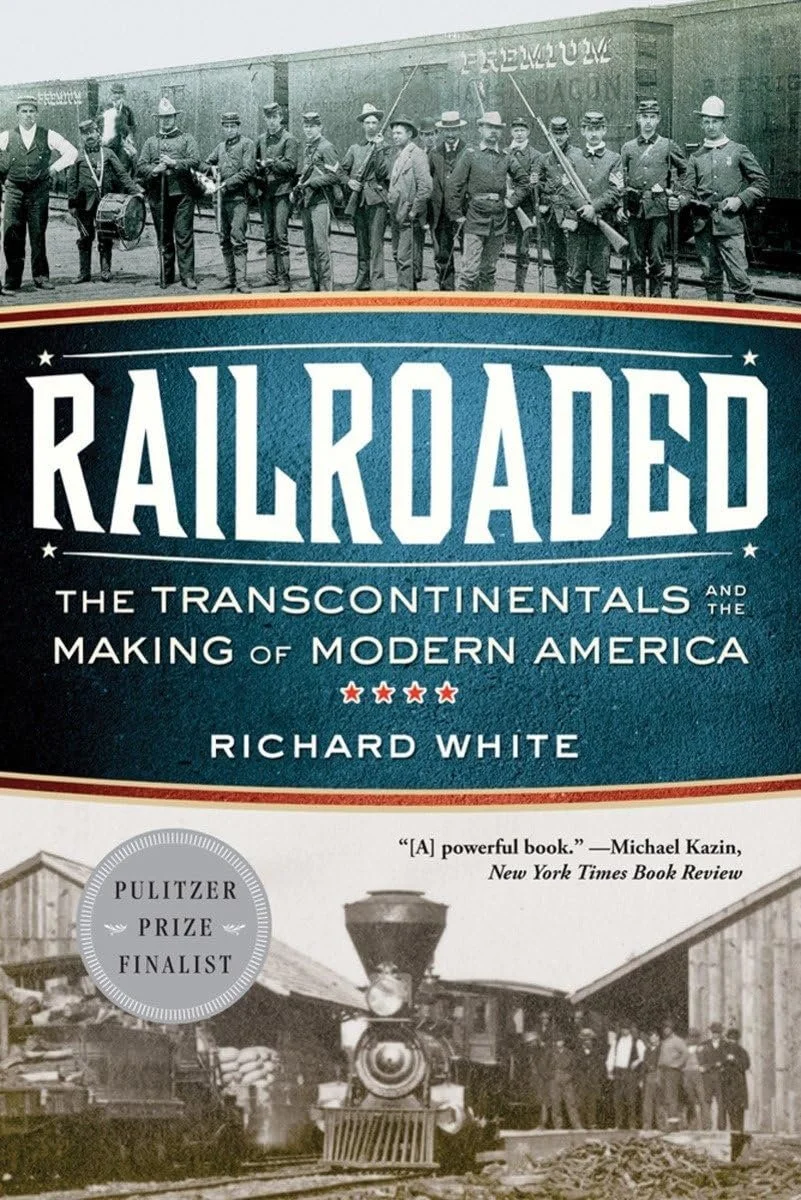
Railroaded, by Richard white
The development of the Transcontinental Railroad during the nineteenth century was one of the largest technological infrastructure projects in human history. It remade the continent, created new monopolies, captured government and institutions, and carries deep echoes with contemporary Big Tech.
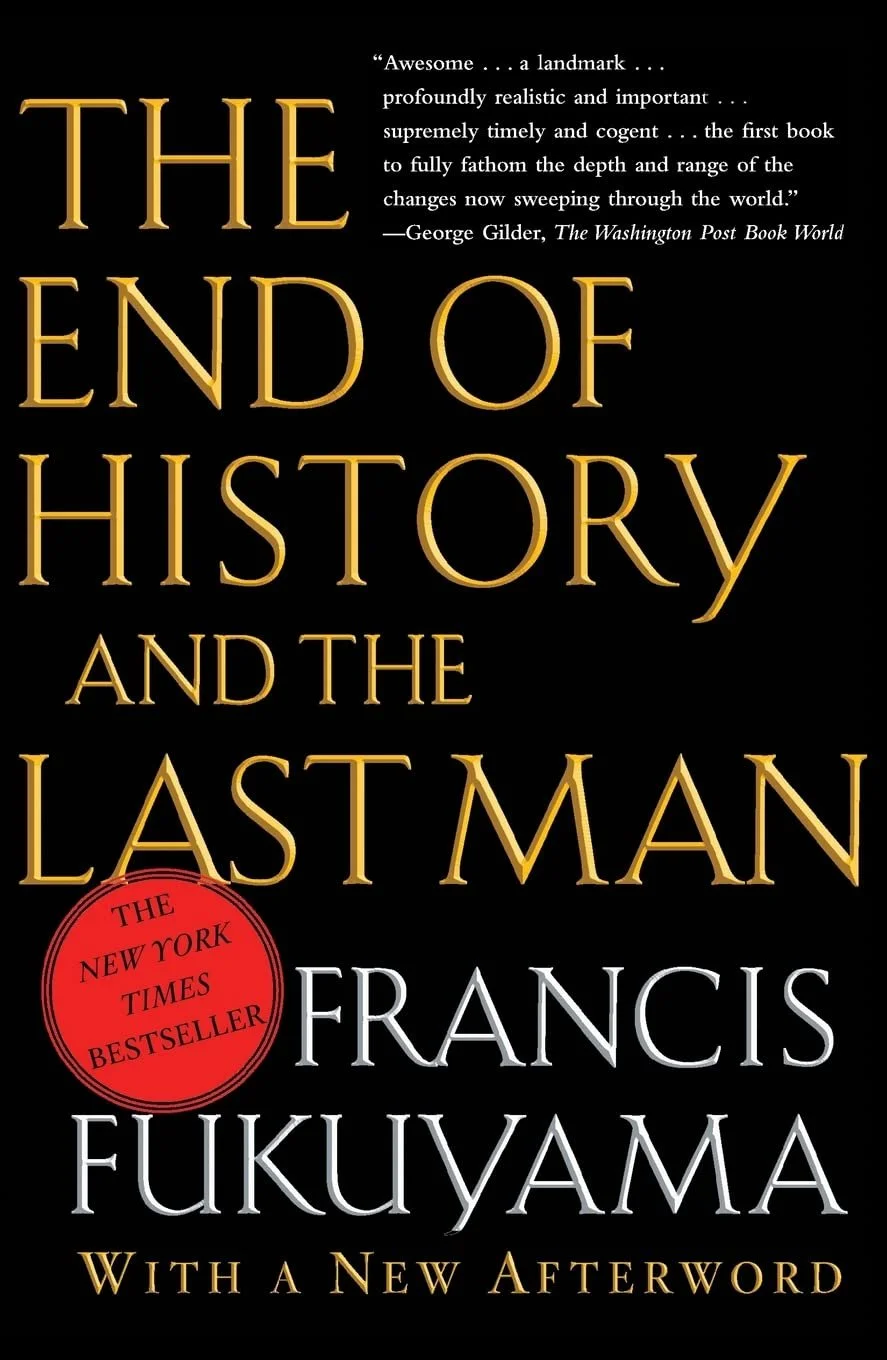
The End of History and the Last man, By Francis Fukuyama
Since the End of History is so important to Western political thought, it is useful to read the argument in its original form. Despite its triumphant overtones, Fukuyama himself notes that the End of History will be a sad time.
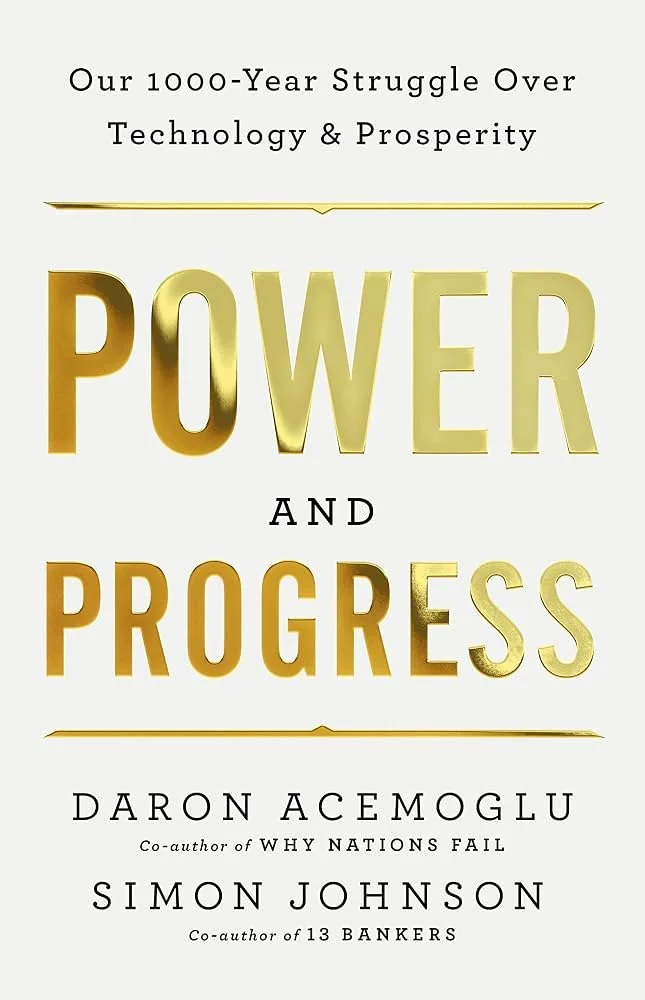
Power and Progress, by Daron Acemoglu and Simon Johnson
A broad history of the relationship between technological change, institutional development, and the distribution of economic and political power.
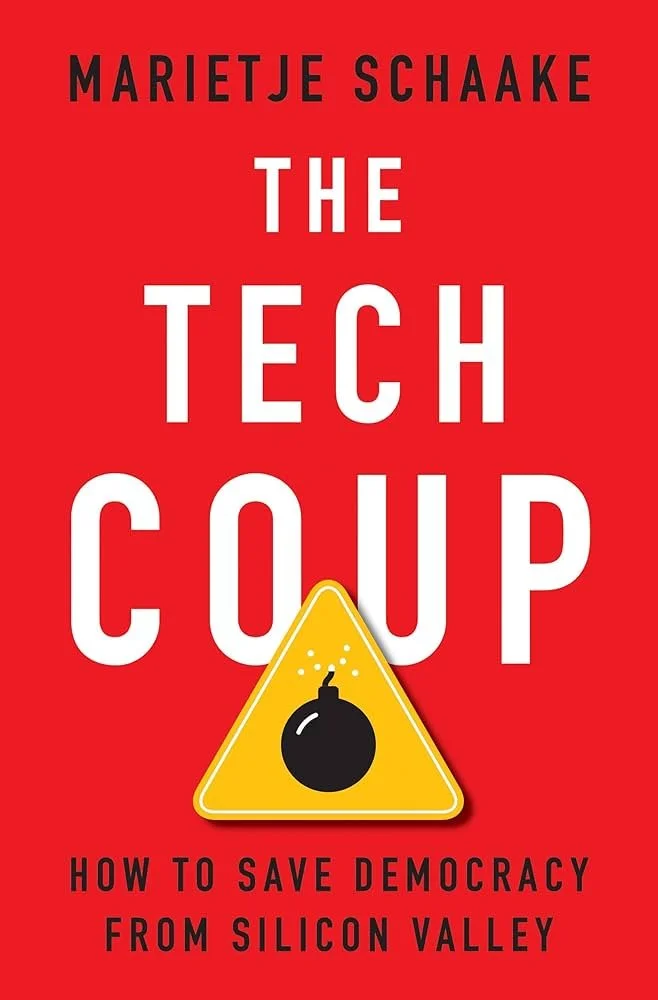
The Tech Coup, by Marietje Schaake
A forceful critique of how technology companies gained institutional influence, combined with a practical account of how liberal democracies can regain control.