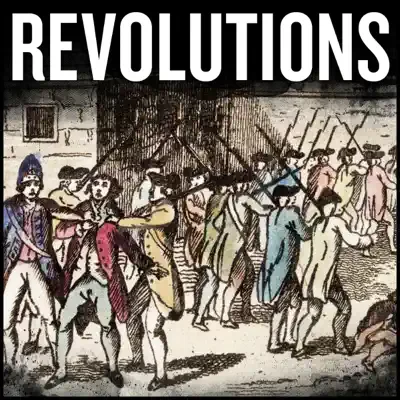
Revolutions Podcast, by Mike Duncan
Over 200 hours of wide-ranging and extensively researched narrative history. It gives a blow-by-blow account of the messy process of revolution, including the English, French, Haitian, Mexican, and Russian Revolutions.

How to do the Most Good, The Ezra Klein Show
Is ‘merely’ a revolution, or is AI qualitatively different than previous revolutions? How does the emergence of AI change the way in which we think about meta-ethics?
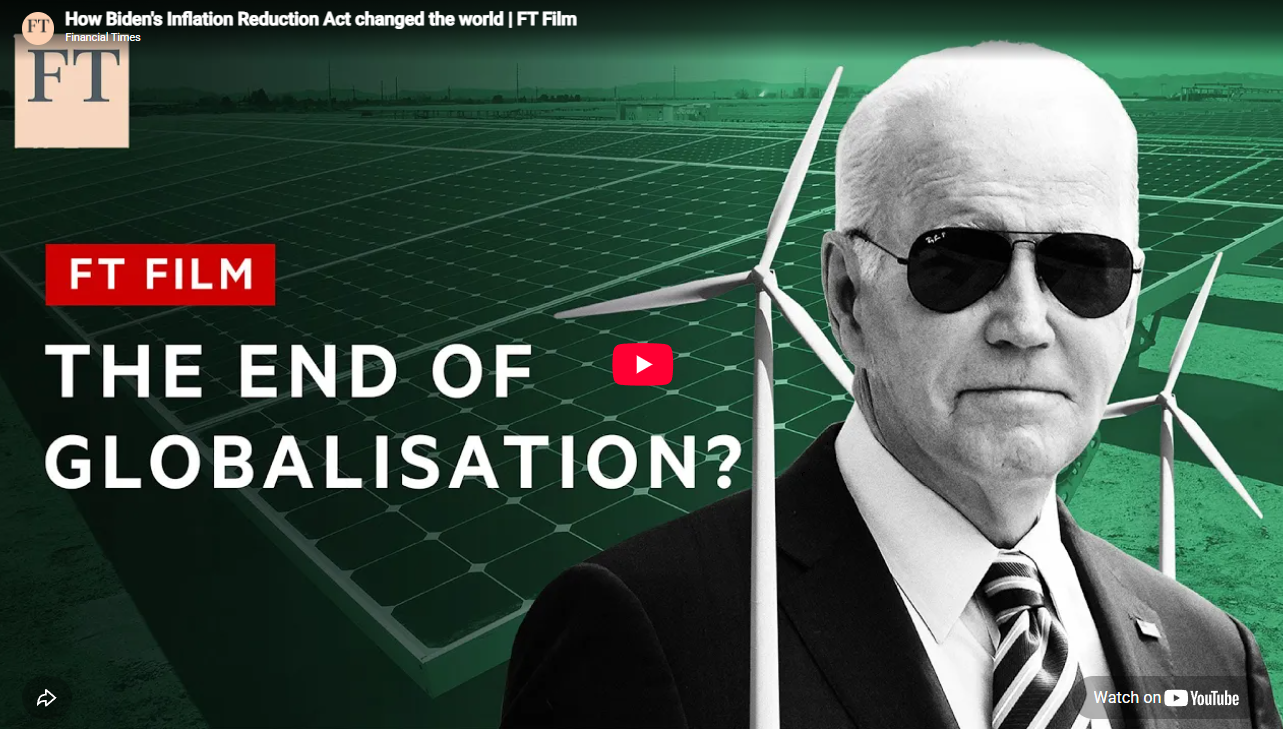
How The Inflation Reduction Act Changed the World, by the Financial Times
What policies do governments use to drive technological innovation, and how do non-state actors like Big Tech operate in a geopolitical paradigm that is state driven?
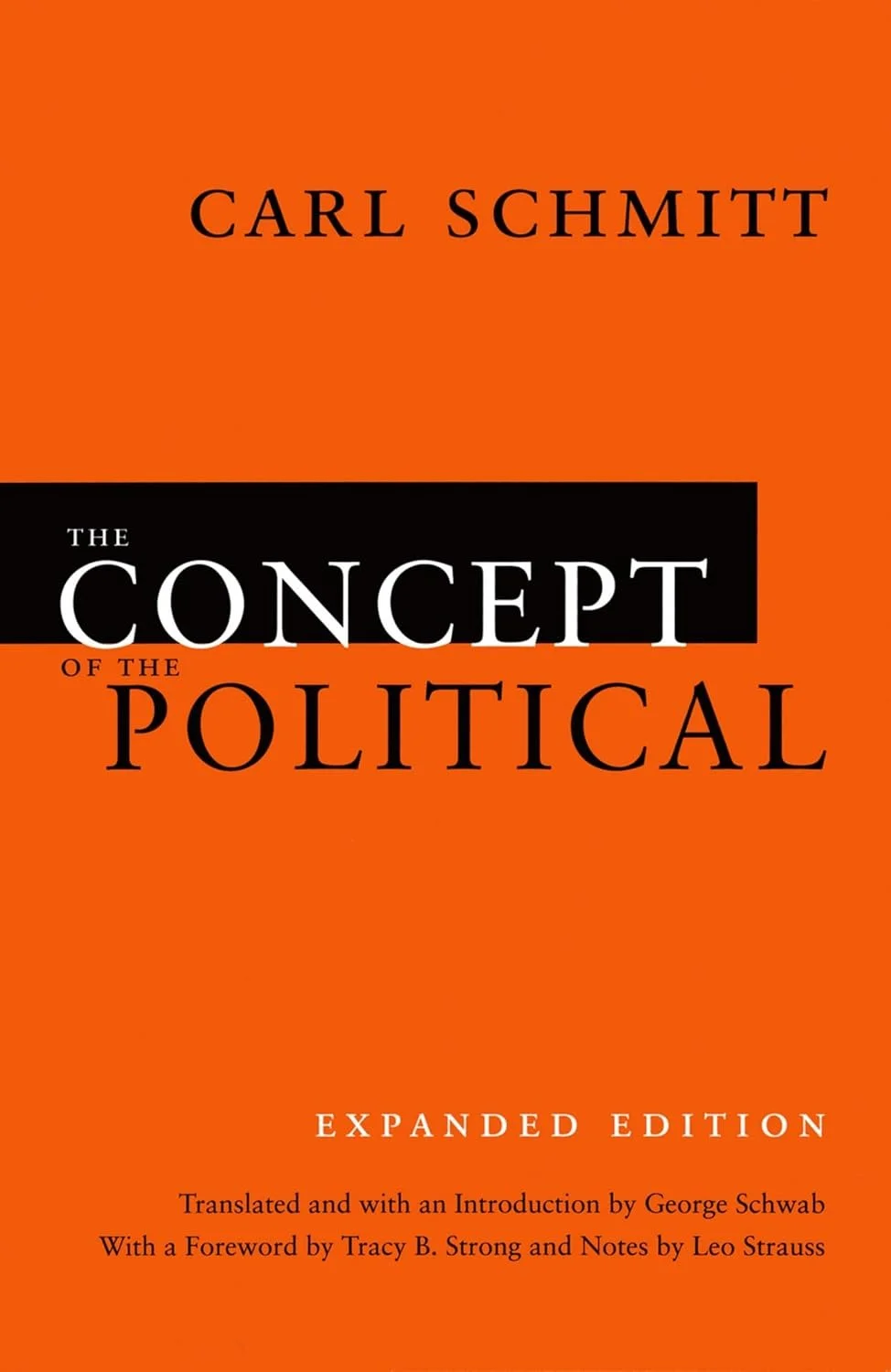
The Concept of the Political, by Carl Schmitt
Written by the chief legal theorist of the Nazi regime and frequently cited in Silicon Valley, it operationalises the friend-enemy distinction as the fundamental axis of politics.
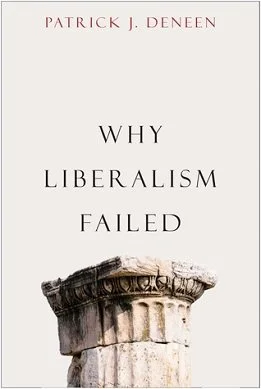
Why Liberalism Failed, by Patrick J. Deneen
A conservative critique of liberalism’s failures that argues for a return to older values of community, religion, and tradition.
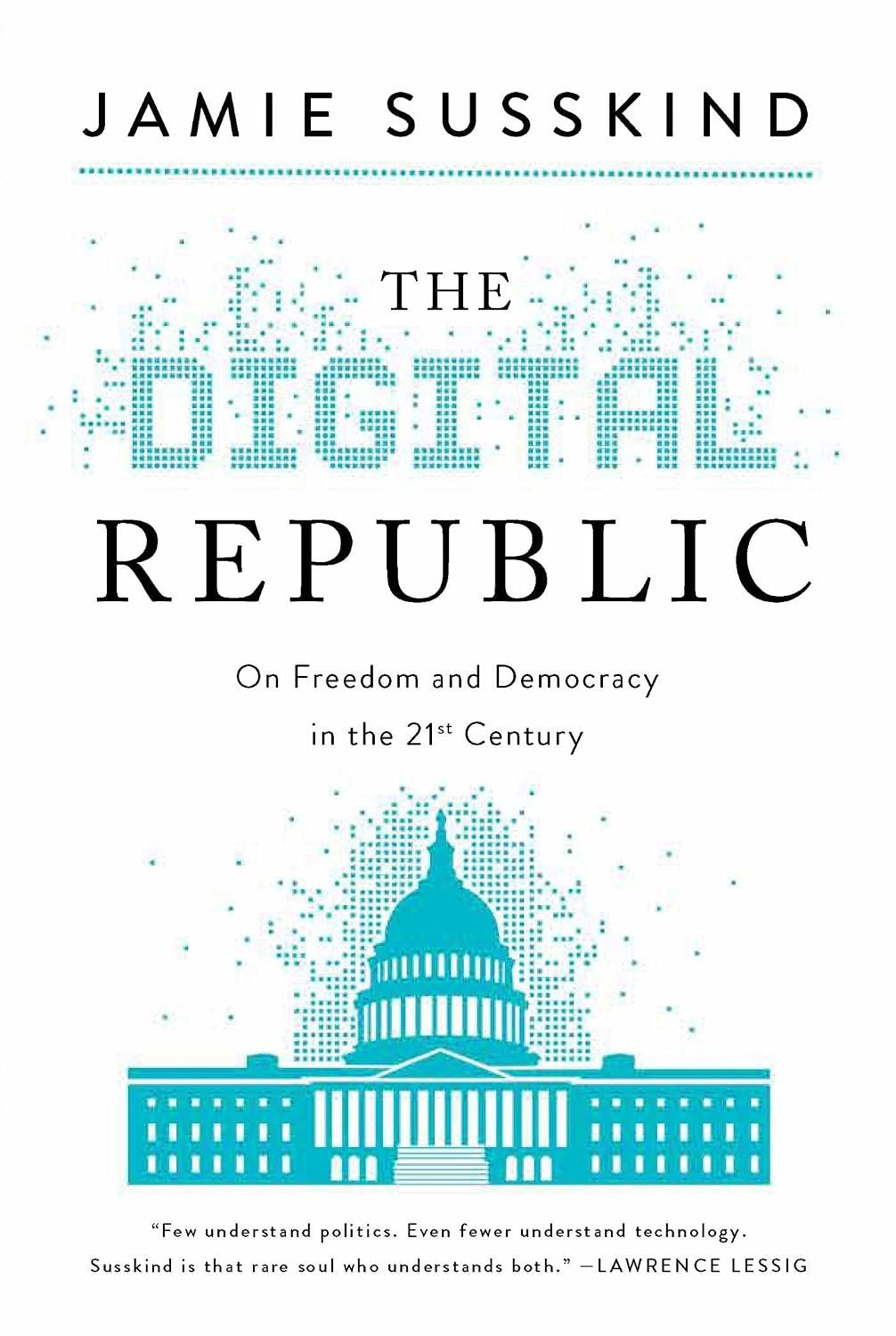
The Digital Republic, by Jamie Susskind
Attempts to apply institutional reform to existing liberal institutions and offers one possible path forward.
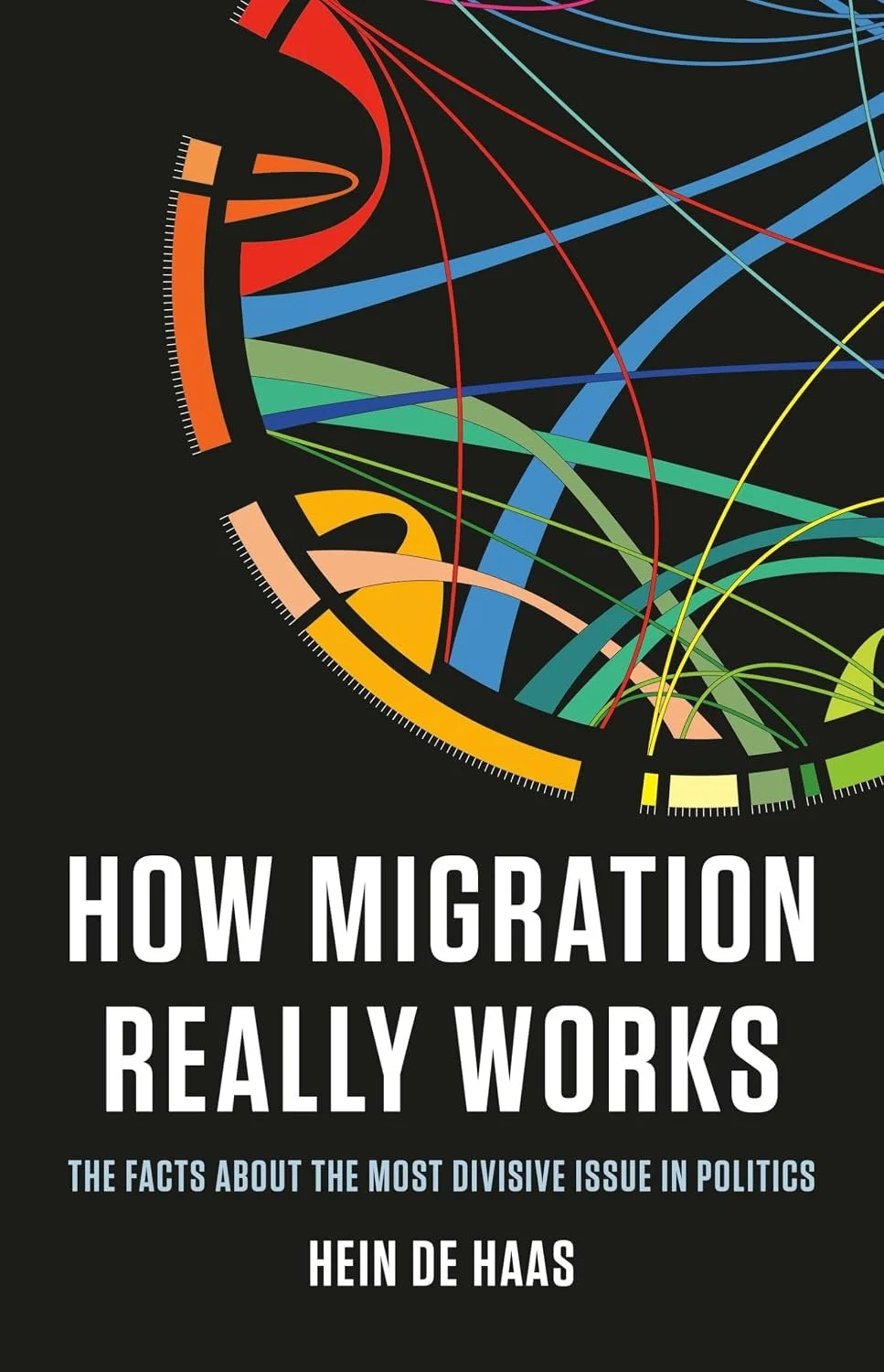
How Migration Really Works, by Hein de Haas
Dismantles the myths driving European migration politics and explains how migration is a strategic source of strength rather than weakness.
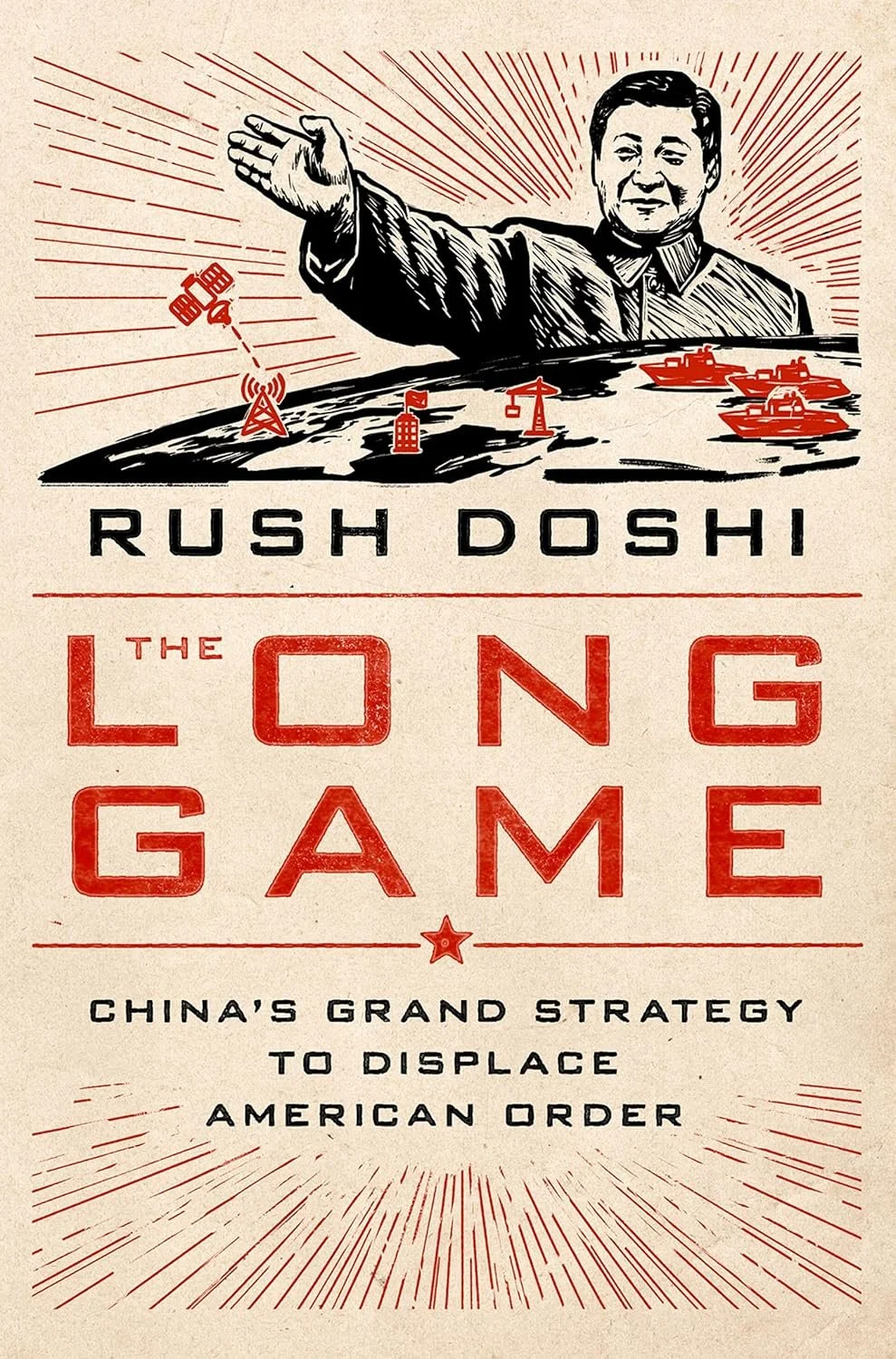
The Long Game, by Rush Doshi
Presents the perspective of a China hawk who sees China as a direct threat to the American order.
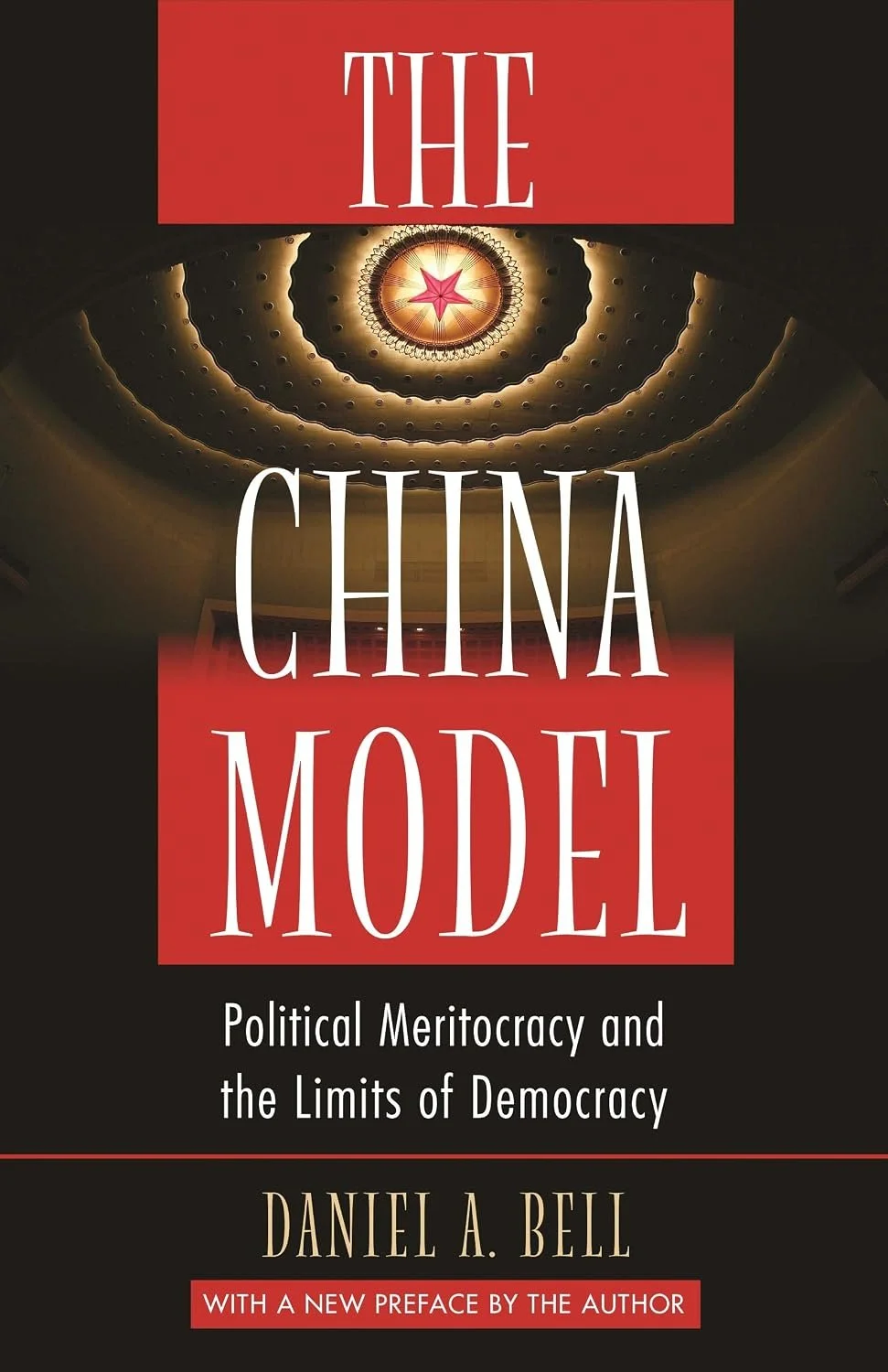
The China Model, by Daniel A. Bell
The strongest good-faith case for Chinese political meritocracy on its own terms.
World Order, by Henry Kissinger
The order-builder’s own account of how the postwar equilibrium is coming apart and the grammar of the multipolar order in which any partnership of equals would have to operate.
The AI Paradox, by Virginia Dignum
A governance-first account from within the responsible-AI field that treats AI as power to be governed rather than merely a product to be regulated, cutting through hype in both directions.
The Brussels Effect, by Anu Bradford
Documents how the European Union exports its rules through the gravity of its market, forcing companies far beyond its borders to comply. It is the clearest account of Europe’s one genuine form of technological power.
The Entrepreneurial State, by Mariana Mazzucato
Debunks the myth that only corporations can innovate effectively and demonstrates the enormous role that public-sector research and development played in creating today’s Big Tech firms.
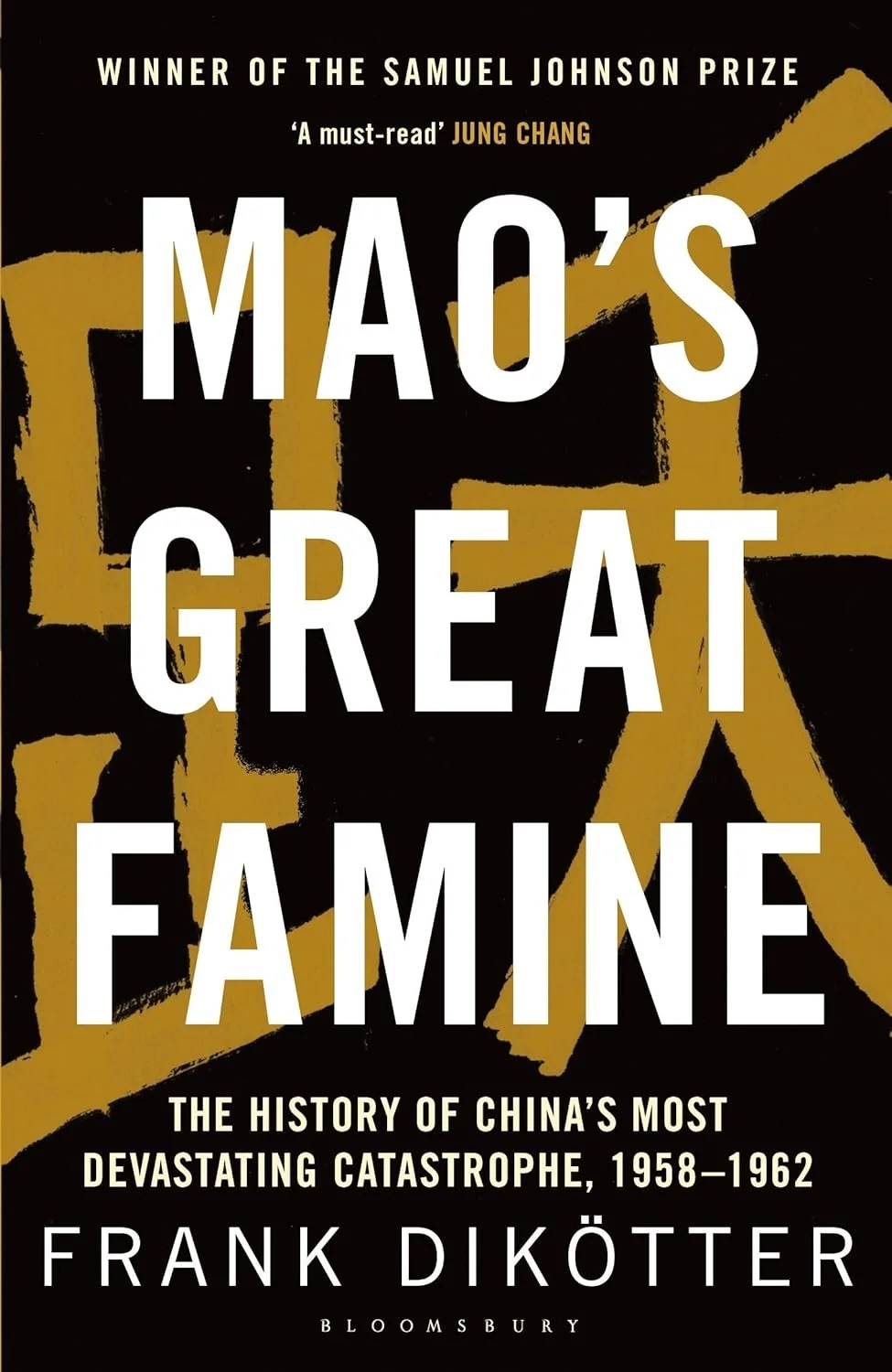
Mao’s Great Famine, by Frank Dikötter
The ultimate optimisation catastrophe: a society reengineered toward a projected future at the cost of tens of millions of lives.
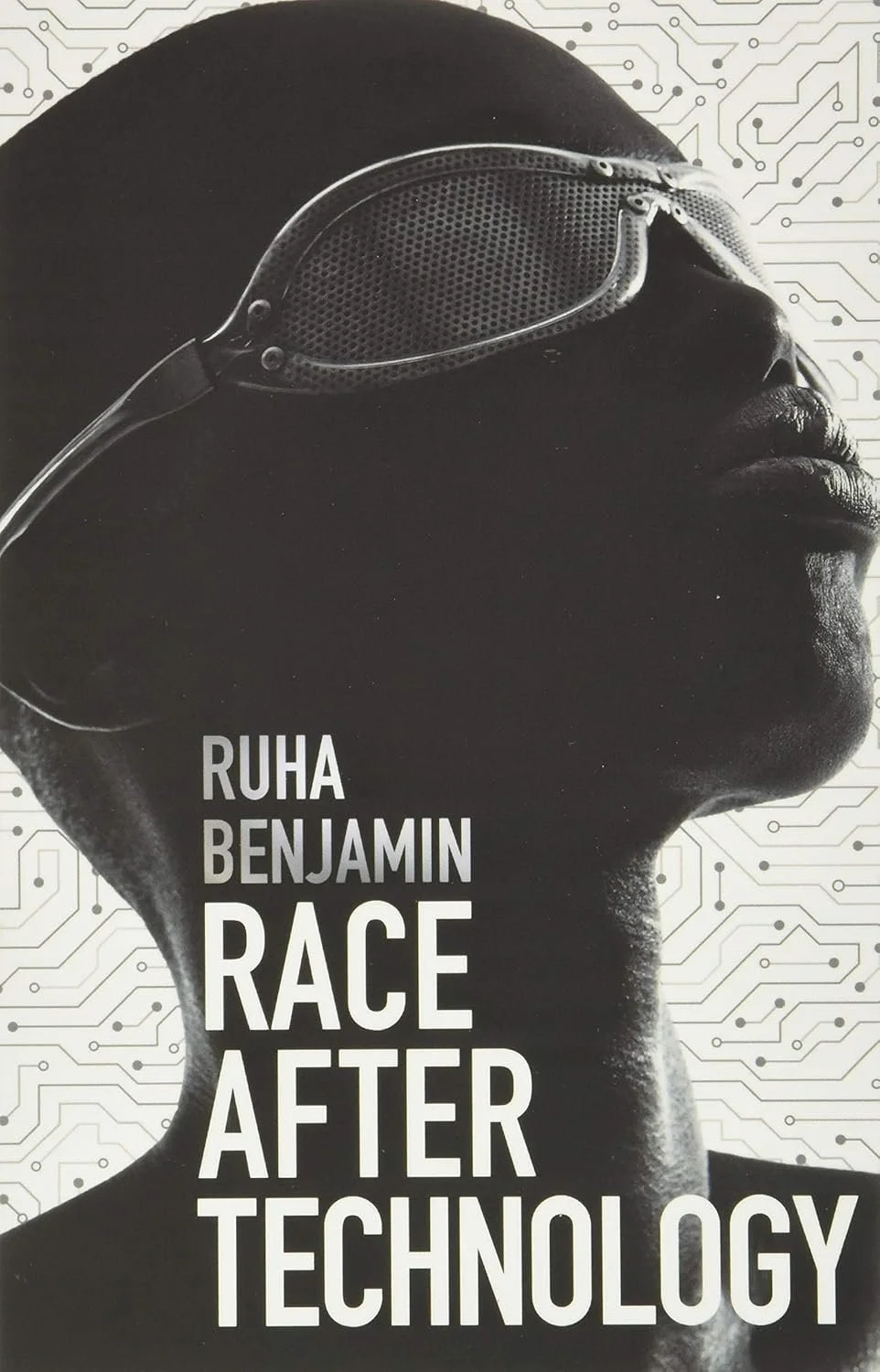
Race After Technology, by Ruha Benjamin
Takes the recognition that AI is racist and perpetuates injustice to its logical endpoint: how should we resist technology and abolish tools of algorithmic repression?
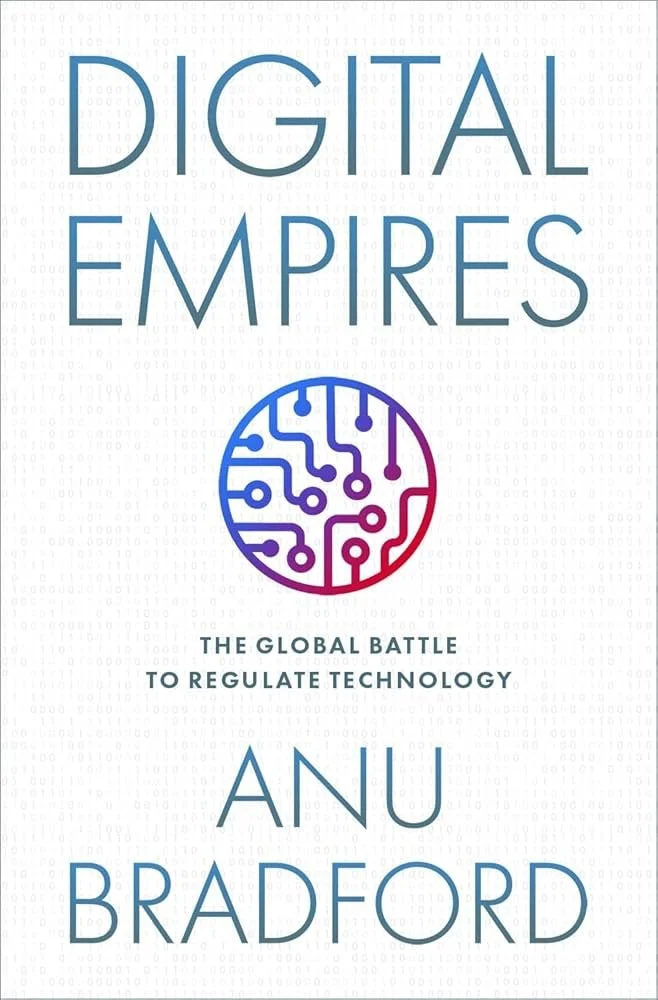
Digital Empires, by Anu Bradford
A comparative account of the American, Chinese, and European approaches to governing the digital economy and shaping global technological rules.

Artificial Intelligence: A Guide for Thinking Humans, by Melanie Mitchell
An accessible introduction to artificial intelligence that explains what current systems can do, where they fail, and why intelligence remains difficult to define.