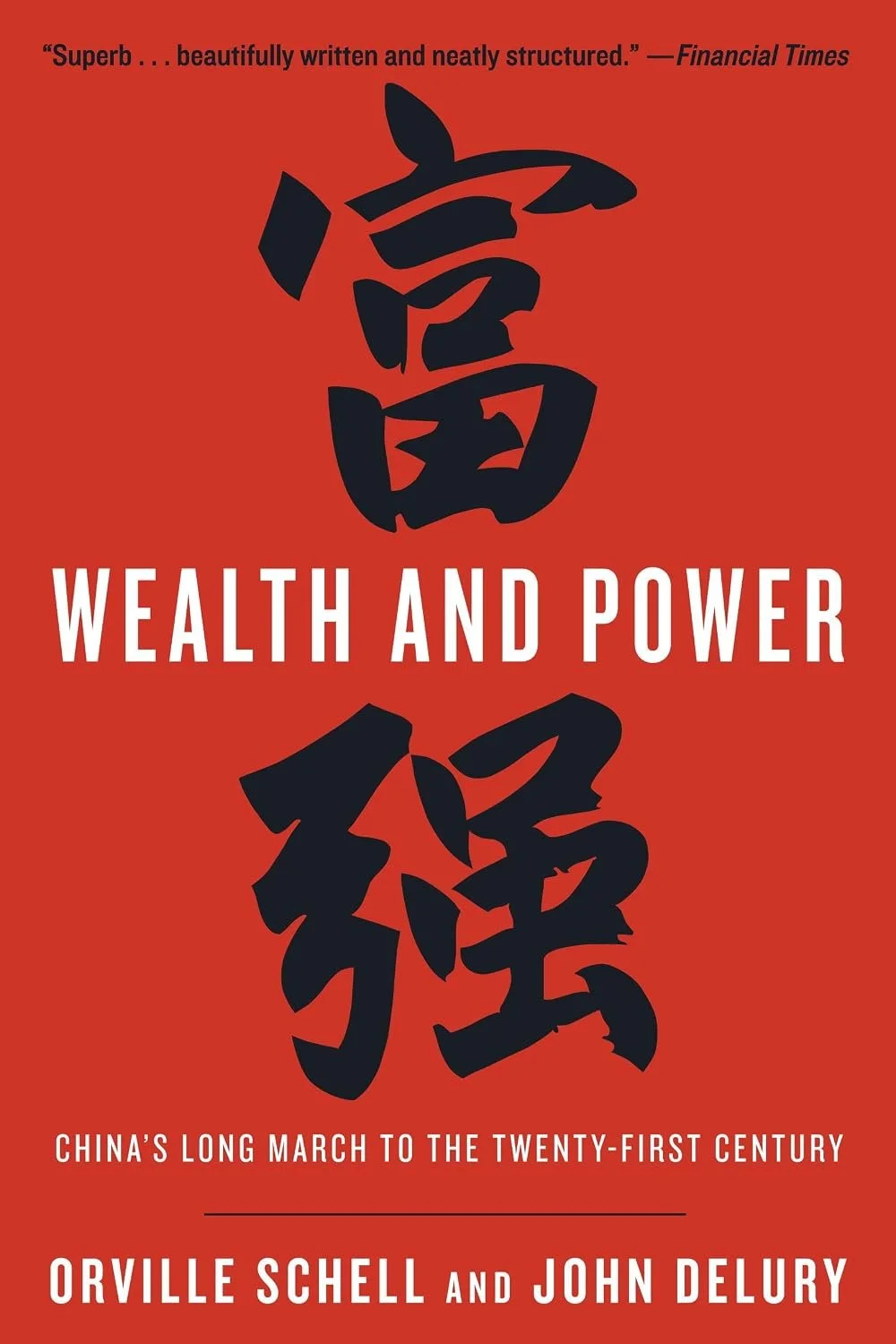
Wealth and Power, by Orville Schell & John Delury
Moves through some of China’s most important figures after the Opium Wars and examines what they considered the path for China to return to wealth and power.
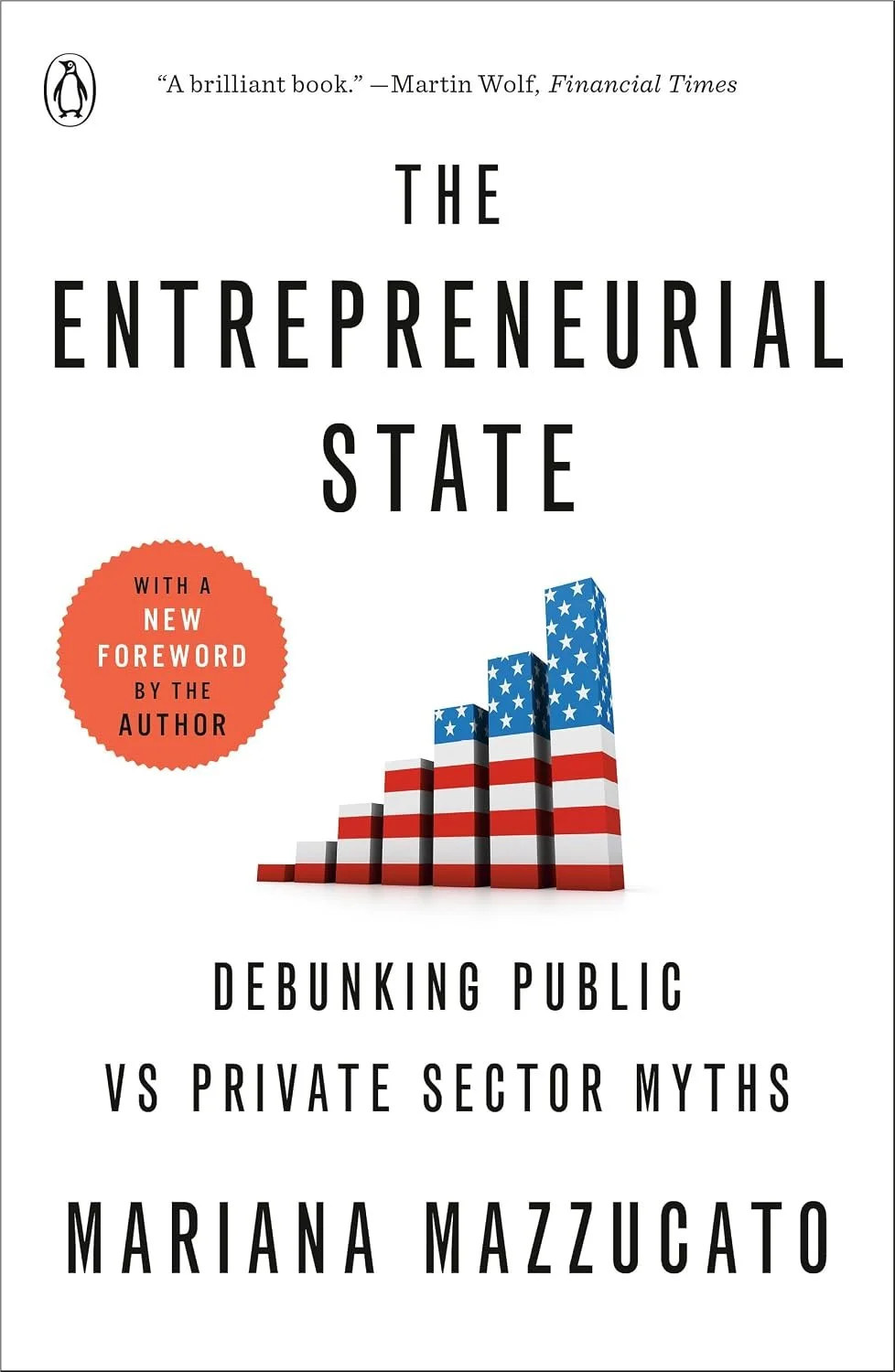
The Entrepreneurial State, by Mariana Mazzucato
Debunks the myth that only corporations can innovate effectively and demonstrates the enormous role that public-sector research and development played in creating today’s Big Tech firms.
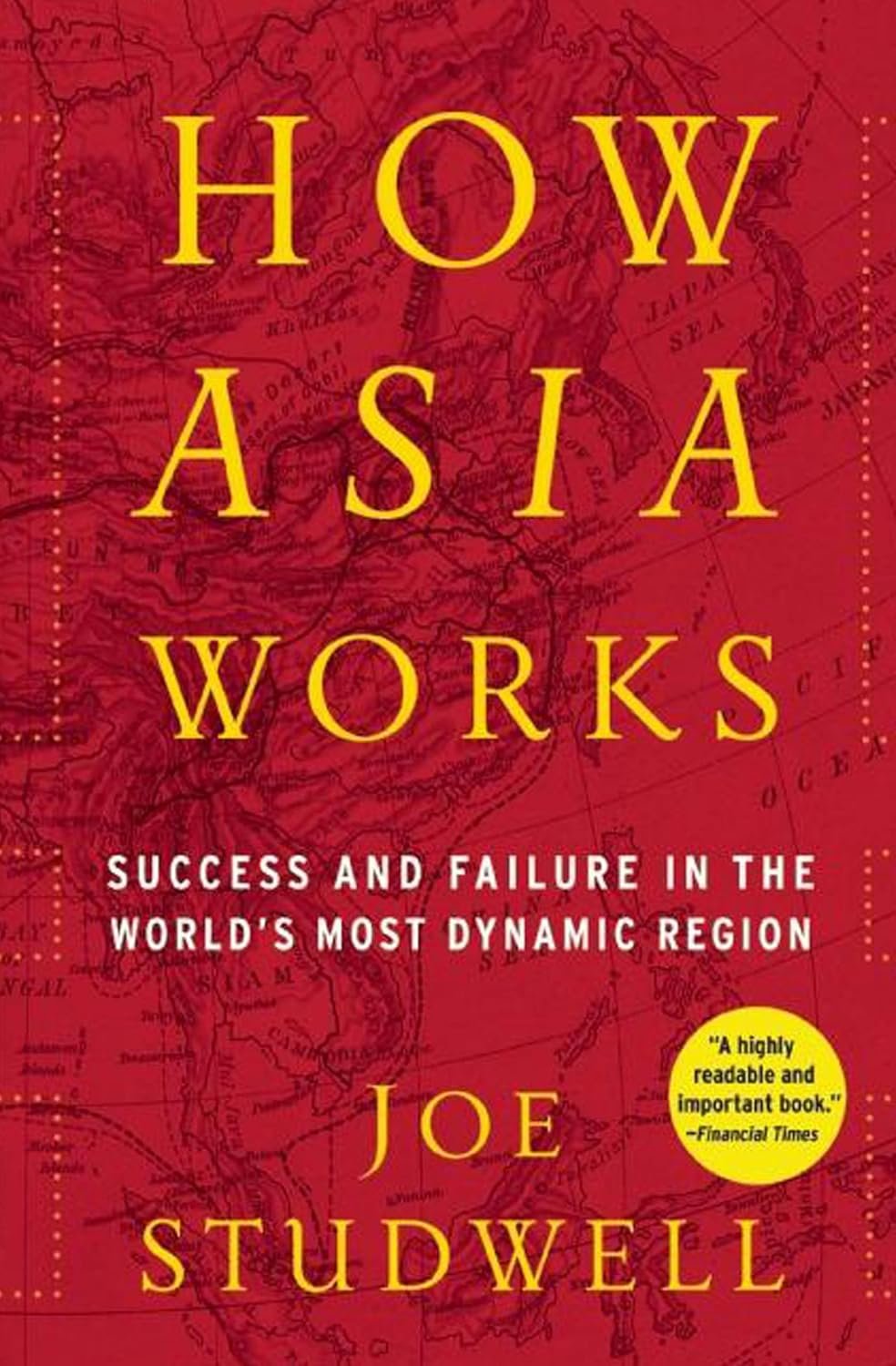
How Asia Works, by Joe Studwell
Examines the successful industrial policy of the Asian Tigers: domestic educational and agricultural programmes, followed by national industrial champions, and finally financial liberalisation.
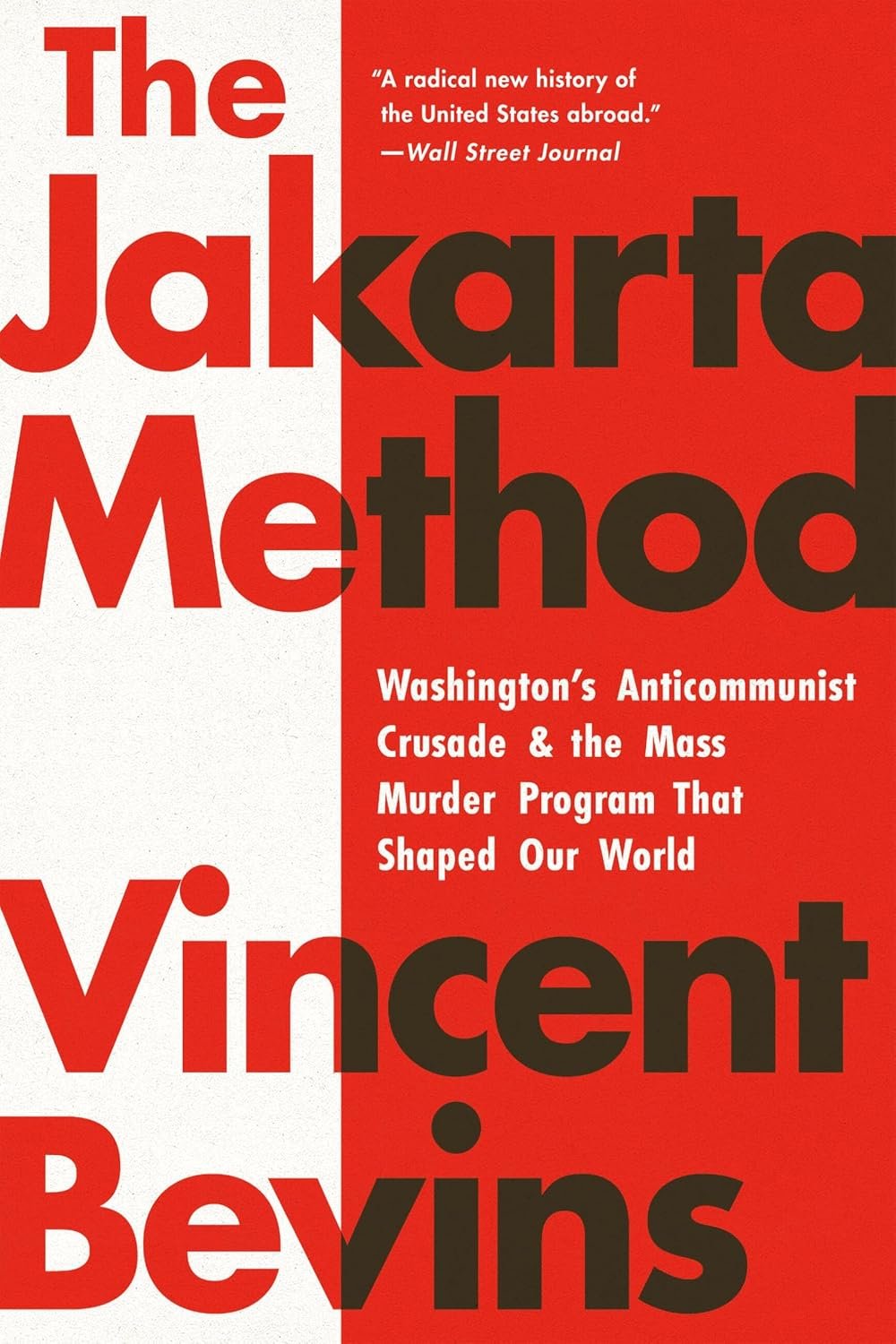
The Jakarta Method, by Vincent Bevins
Shows the catastrophic cost of a security spiral run amok and how fear of communism led the United States to support mass murder.
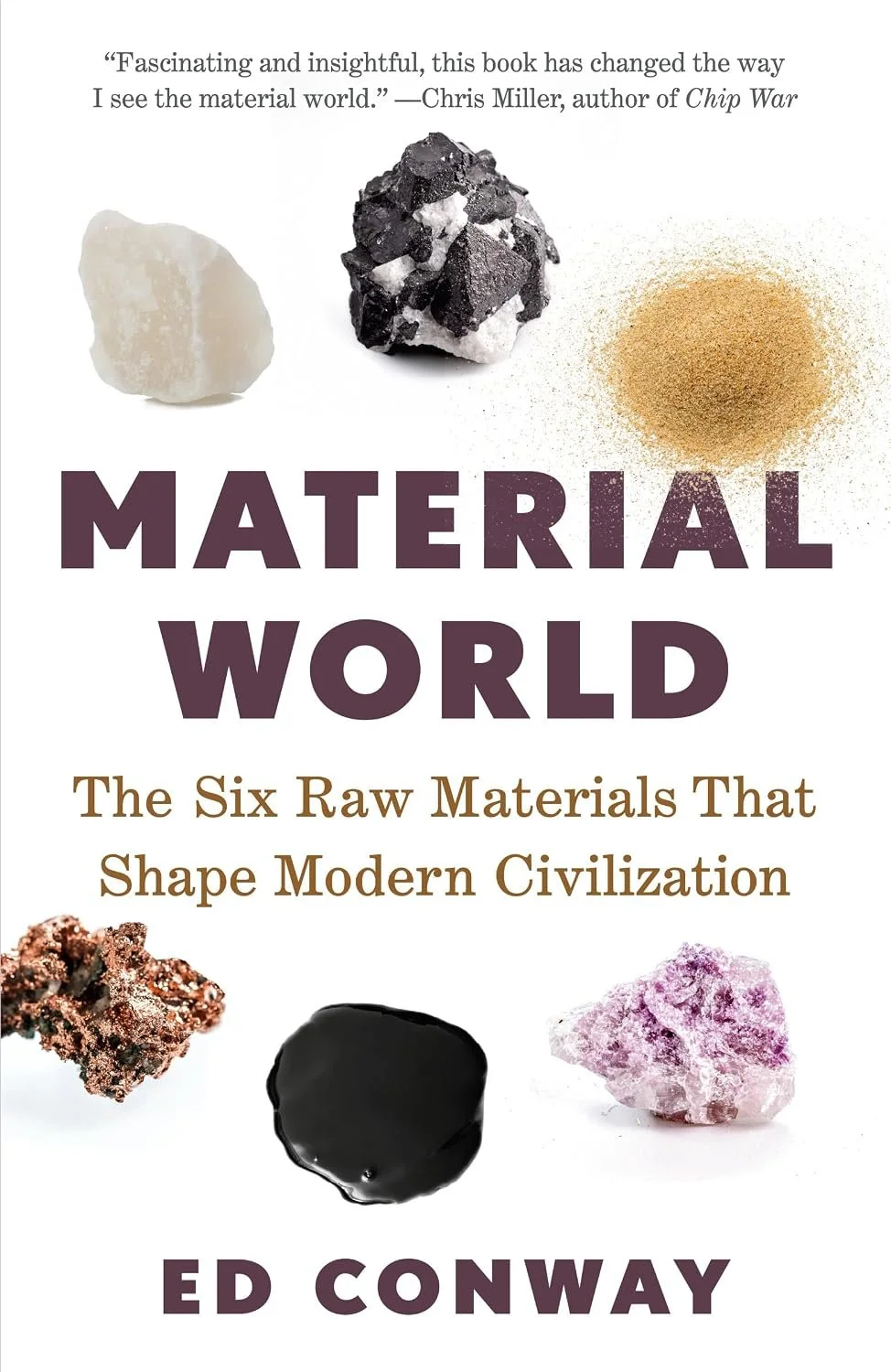
Material World, by Ed Conway
Maps the material dependencies and chokepoints underlying the global economy and shows how a small amount of pressure, applied precisely, can cripple an entire supply chain.
Spy Schools, by Daniel Golden
Covers the early securitization of the American academic sector after Chinese spies abused research access. It laid the groundwork for later efforts to ban students from the Seven Sons universities.
Chokepoints, by Edward Fishman
Documents the United States’ transition from free-trade orthodoxy towards weaponised interdependence as a tool of geopolitical pressure.
The Revenge of Geography, Robert D. Kaplan
Expands on the strict interpretation of geopolitics and explains how geography shapes foreign relations.
Is the American Century Over? by Joseph S. Nye, Jr.
An assessment of the strengths and weaknesses of the United States in an era of returning great-power politics. Crucially, the assessment was made before the election of Donald Trump.
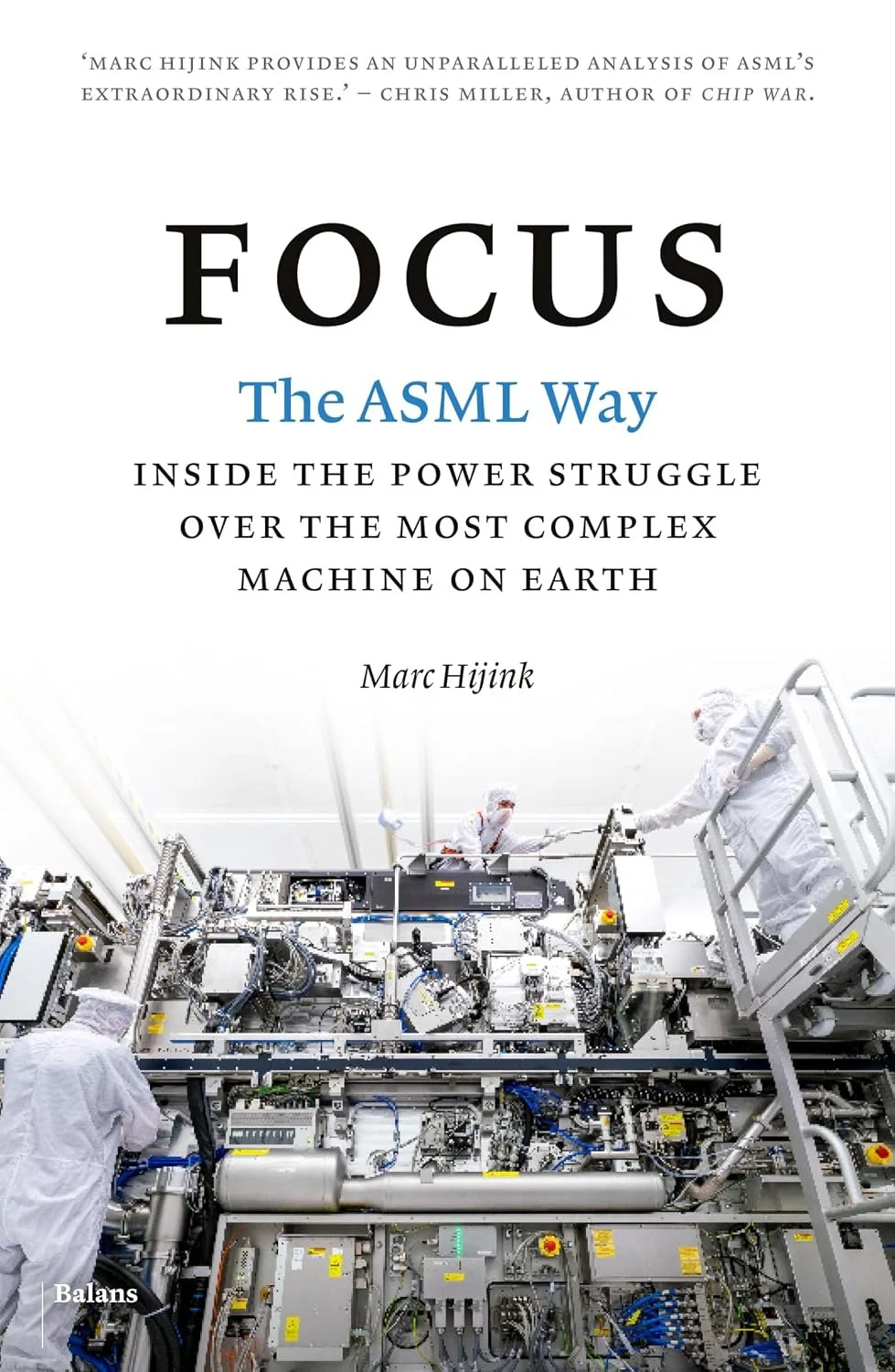
Focus: The ASML Way, by Marc Hijink
Focuses on the company that has probably been most exposed to the return of geopolitics: the Netherlands-based company ASML.
Mao’s Great Famine, by Frank Dikötter
The ultimate optimisation catastrophe: a society reengineered toward a projected future at the cost of tens of millions of lives.
The Technological Republic, by Alexander Karp & Nicholas Zamiska
A frontal attack on Western culture as complacent, intellectually frail, and lacking decisive leadership. The book underlines the messianic argument made by technology elites in propagating their own vision of the future.
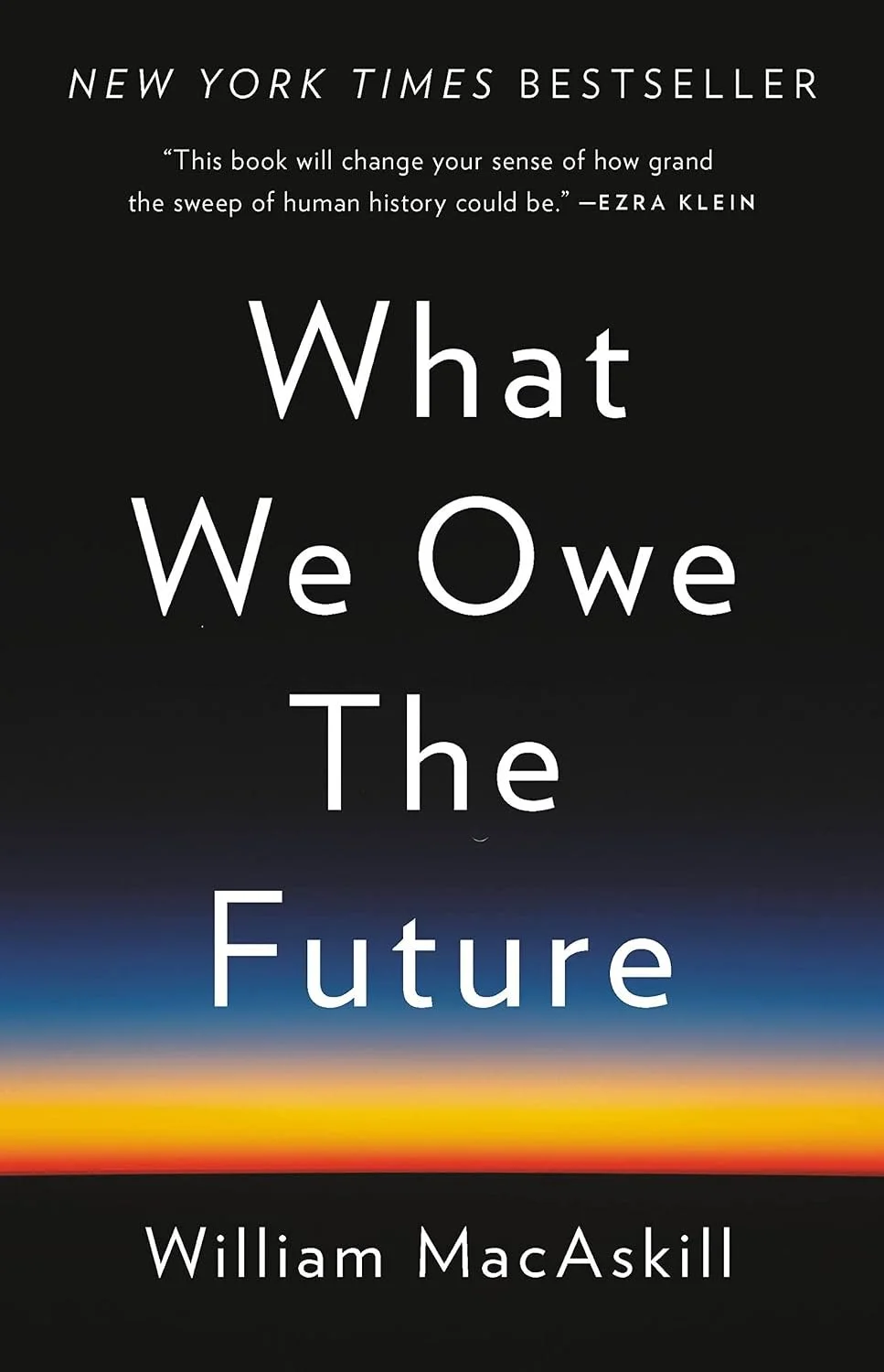
What We Owe the Future, by William MacAskill
A central statement of longtermism and the idea that safeguarding civilisation’s long-run future should shape decisions made in the present.
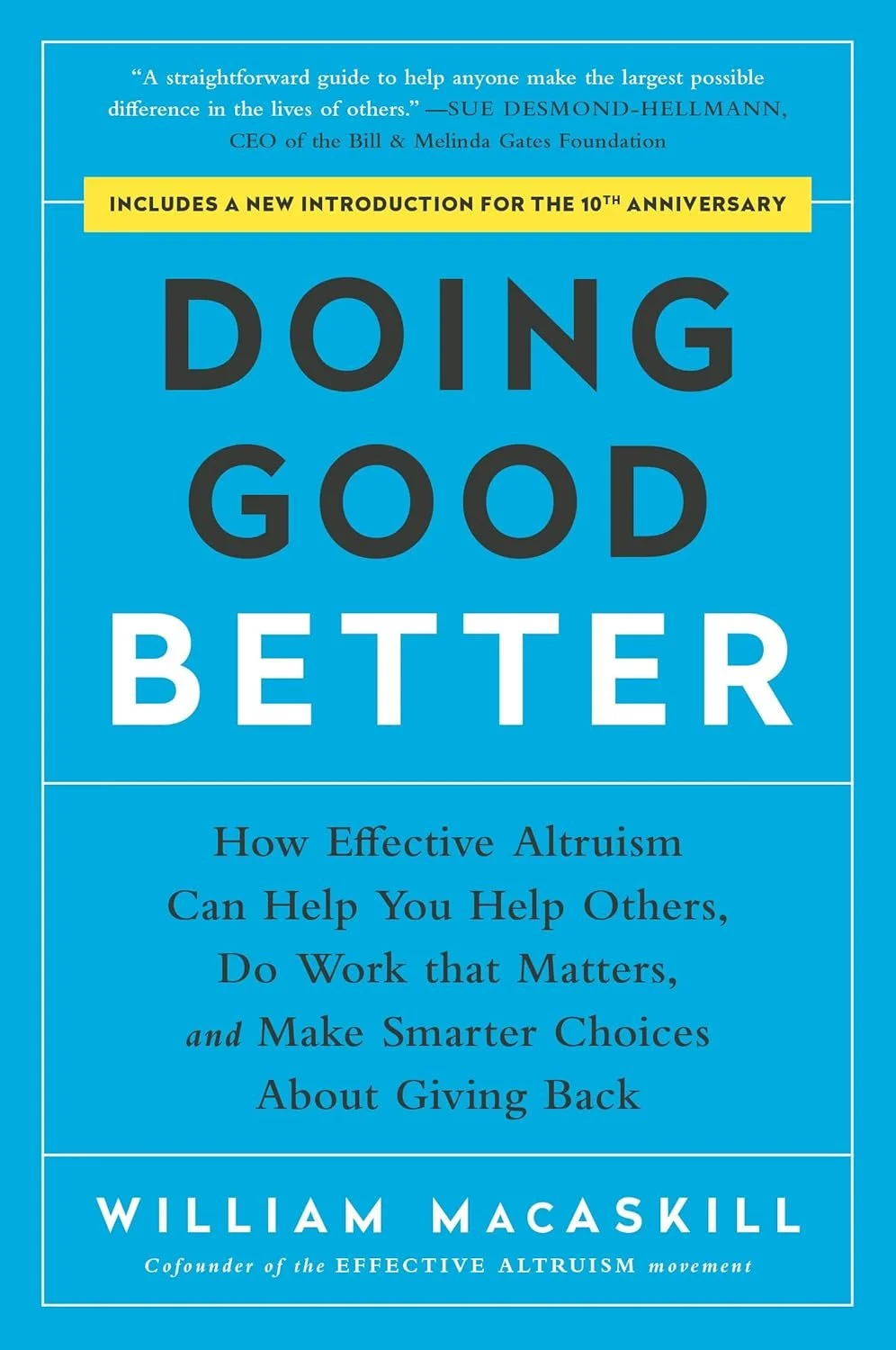
Doing Good Better, by William MacASkill
One of the starting points for the effective-altruist movement and the logic that later developed into longtermism and concern with civilisational existential risk.

If Anyone Builds It, Everyone Dies, by Eliezer Yudkowsky & Nate Soares
Takes the argument of AI doomers to its full extent. It is emblematic of both the content and style of the existential-risk faction in Silicon Valley.
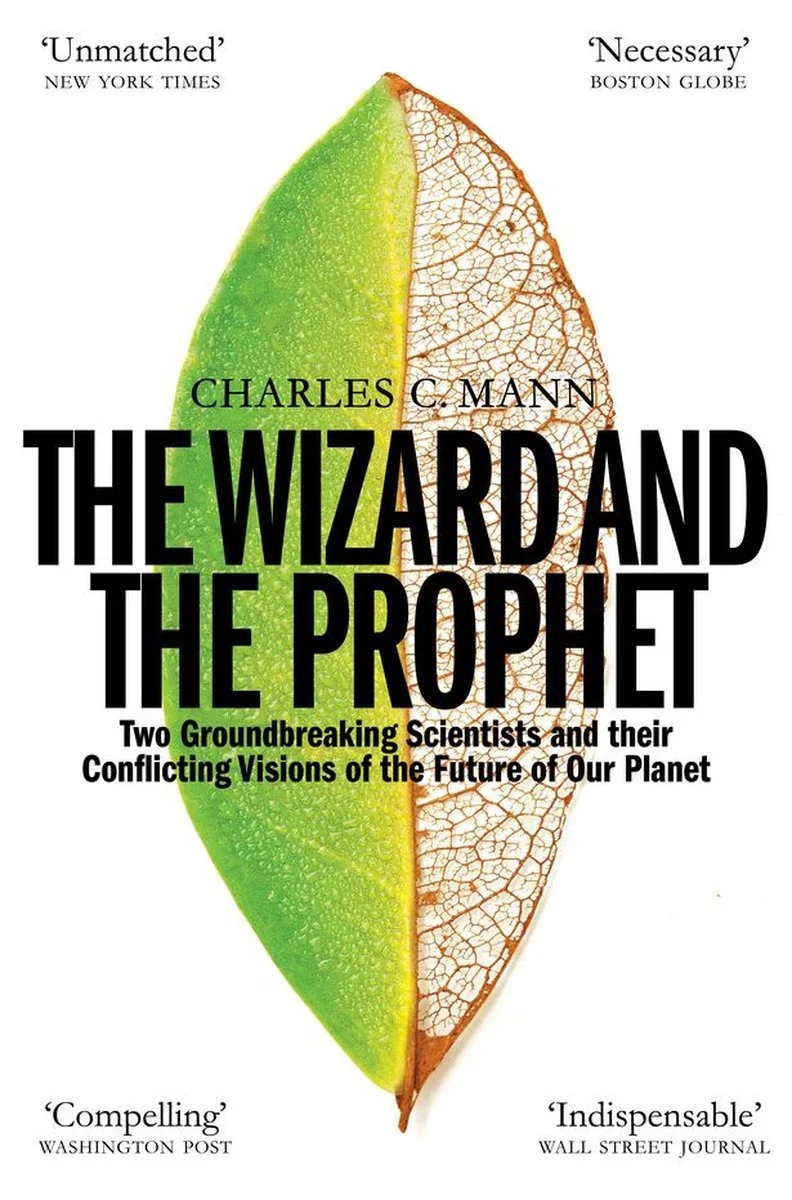
The Wizard and the Prophet, by Charles C. Mann
Identifies the two conventional camps structuring the technology optimism-versus-pessimism debate: the Wizard, who favours abundance and acceleration, and the Prophet, who stresses limits and catastrophe.
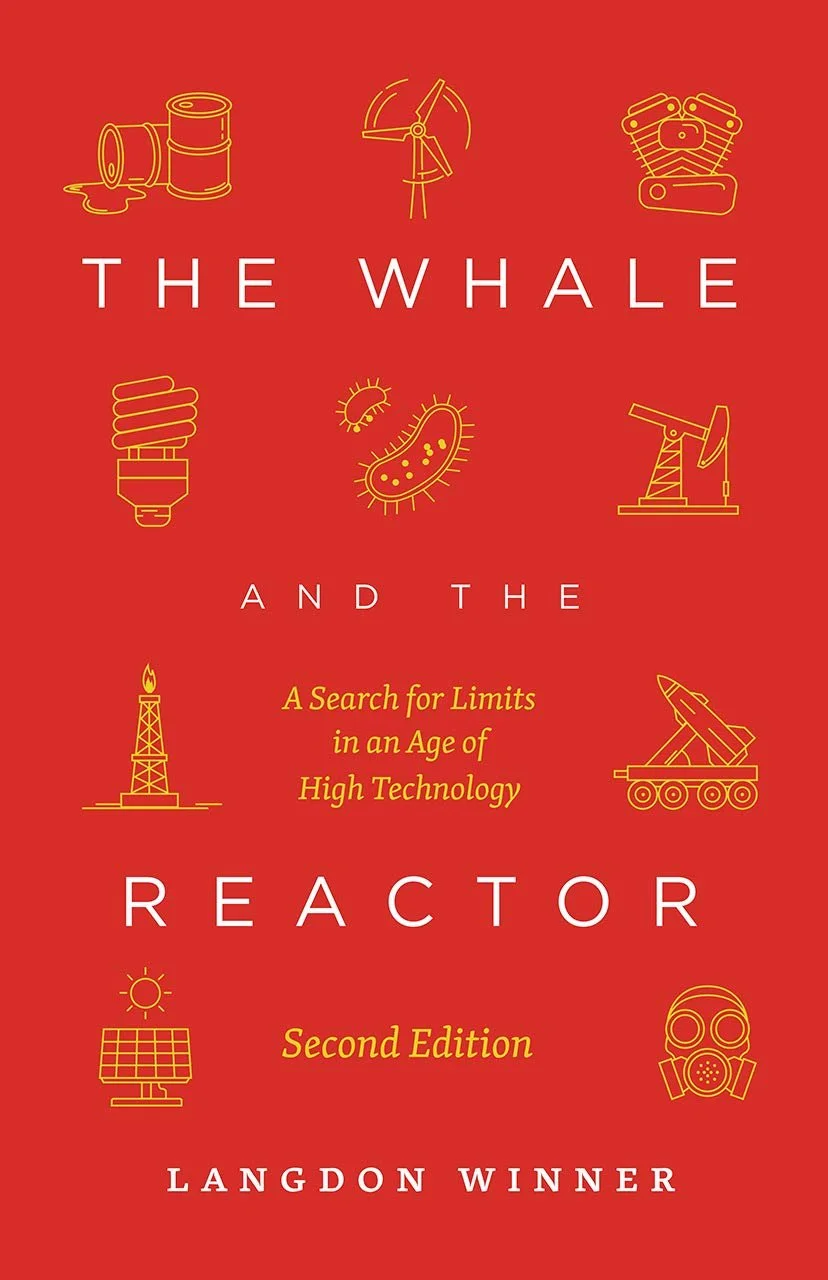
The Whale and the Reactor, by Langdon Winner
A seminal text in technology and society. It argues that technologies intrinsically carried values long before AI alignment became a central concern.
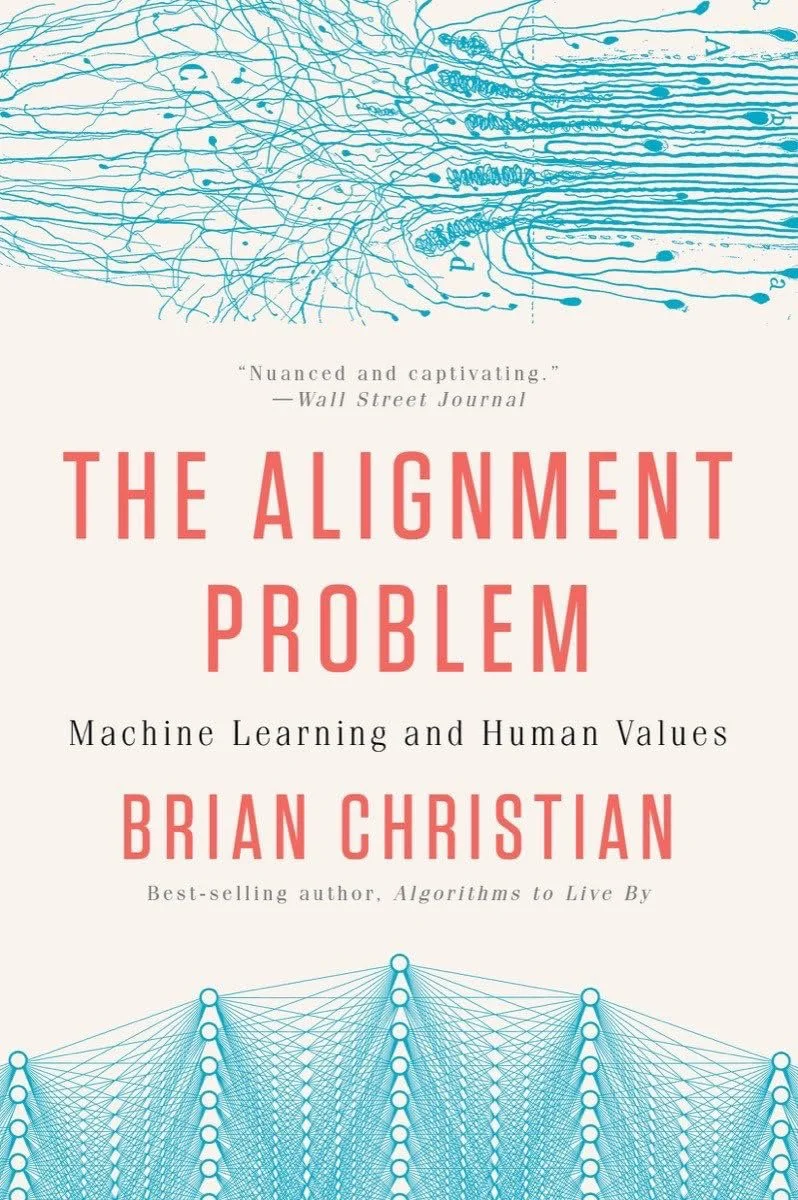
The Alignment Problem, by Brian Christian
An early major formulation of the alignment problem and the connection between technical and moral questions. Because it was written before the large-language-model revolution, it focuses on more conventional AI systems.
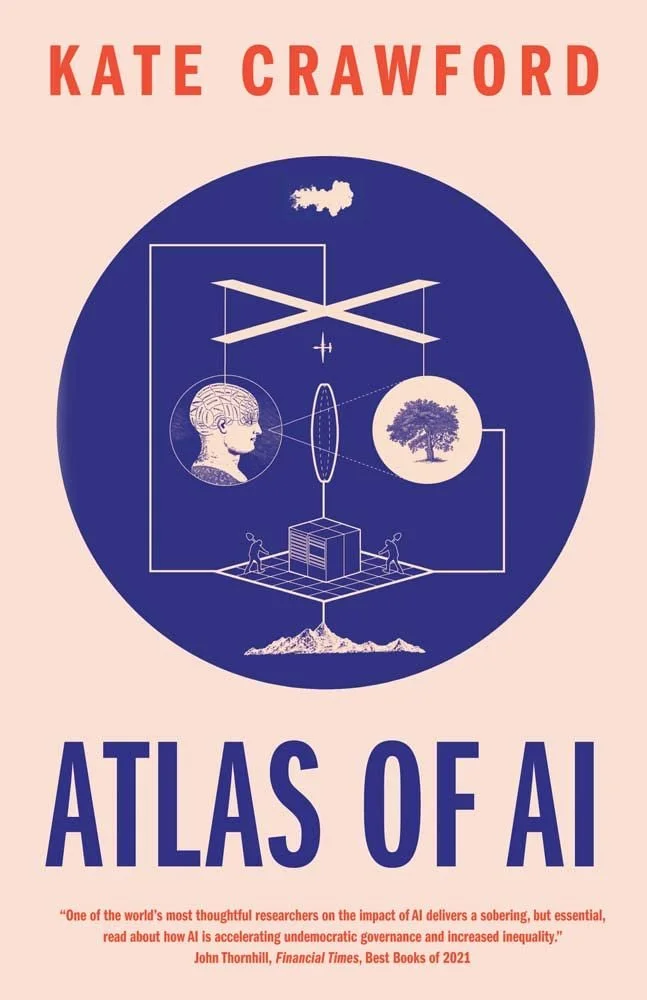
Atlas of AI, by Kate Crawford
Reframes AI as an extractive industry that mines people, labour, and water while increasing carbon emissions. Those costs are not shared equally.
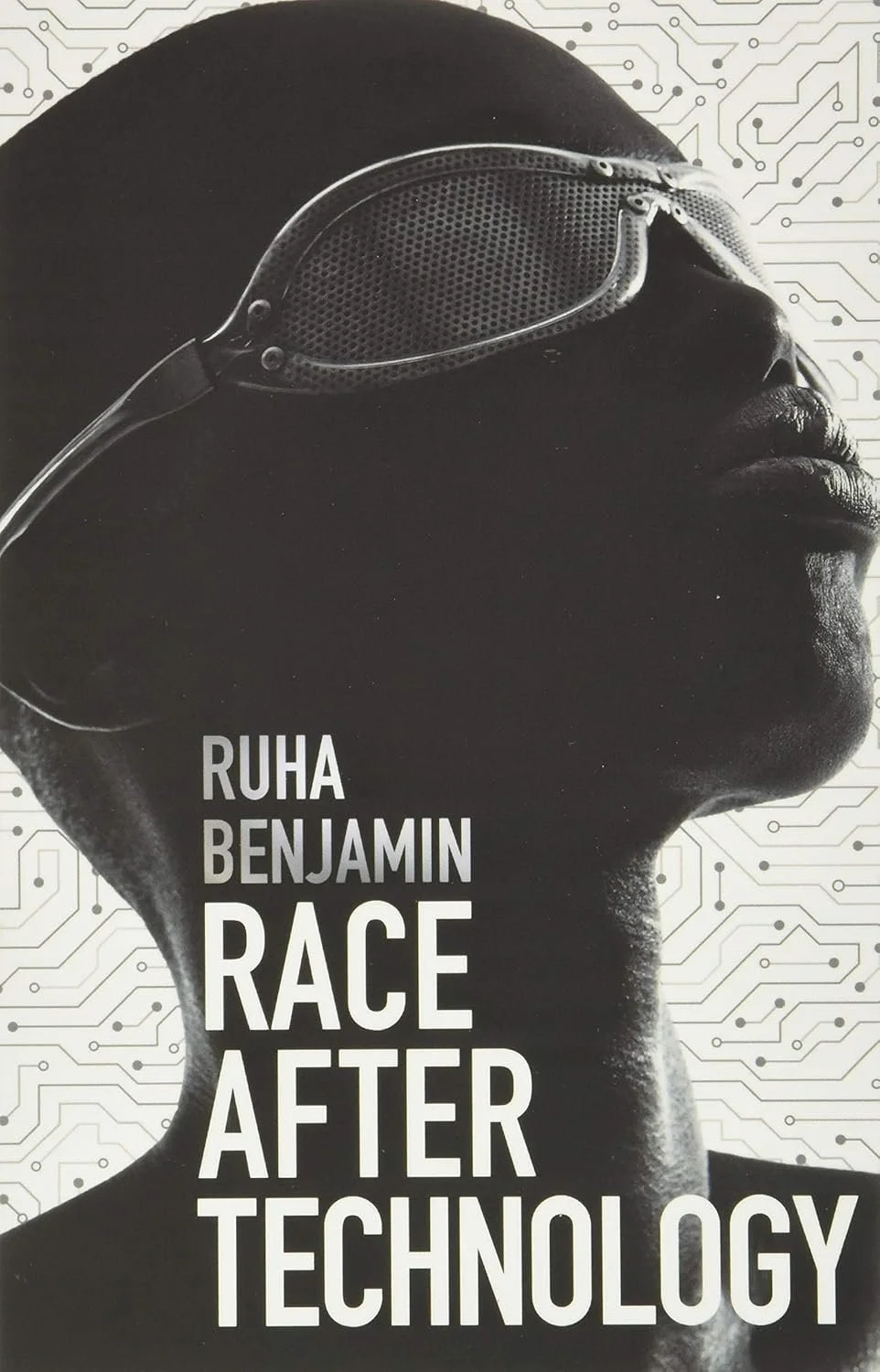
Race After Technology, by Ruha Benjamin
Takes the recognition that AI is racist and perpetuates injustice to its logical endpoint: how should we resist technology and abolish tools of algorithmic repression?