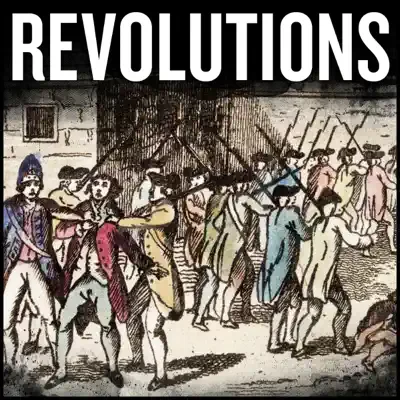
Revolutions Podcast, by Mike Duncan
Over 200 hours of wide-ranging and extensively researched narrative history. It gives a blow-by-blow account of the messy process of revolution, including the English, French, Haitian, Mexican, and Russian Revolutions.
Crash Course World History, Presented by John Green
A light hearted but very comprehensive series on world history.
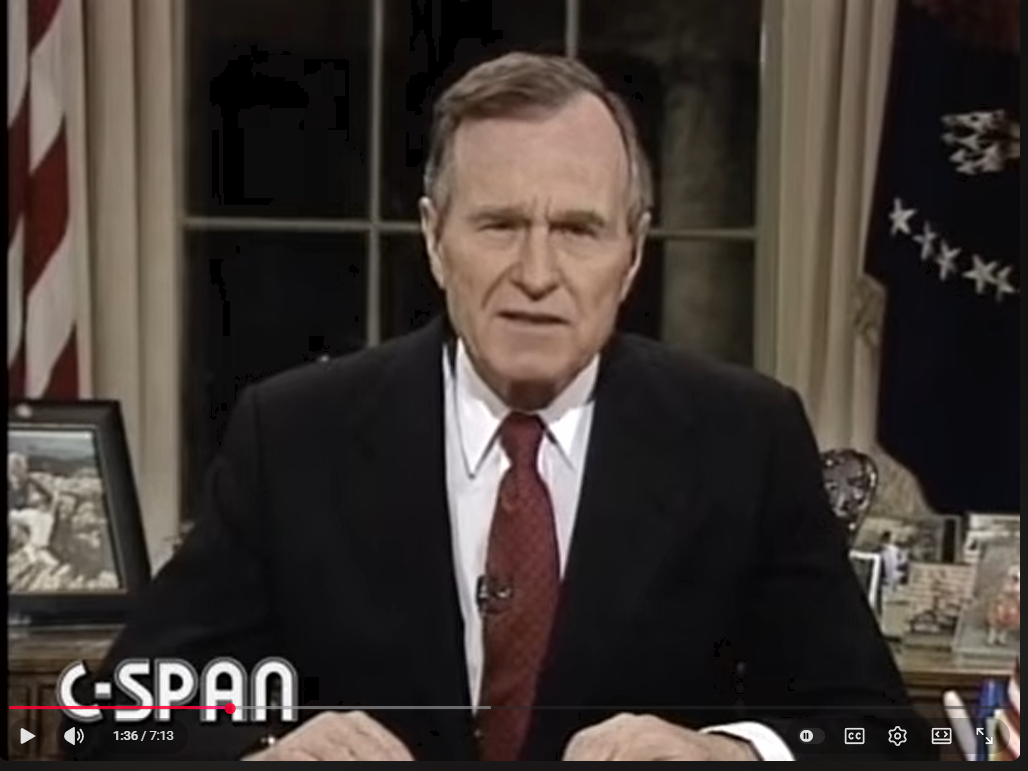
Bush Sr. 1991 Address to the Nation on the Collapse of the USSR
This is the speech described in Chapter 1 that laid out America’s role in the world during the post Cold-War order.

How to do the Most Good, The Ezra Klein Show
Is ‘merely’ a revolution, or is AI qualitatively different than previous revolutions? How does the emergence of AI change the way in which we think about meta-ethics?

Bubbles, Golden Ages, and Tech Revolutions, Carlota Perez on the Exponential View Podcast
Is there a repeating cycle for technological innovation, and how does it impact the political economy? Are there historical analogies for modern Big Tech?
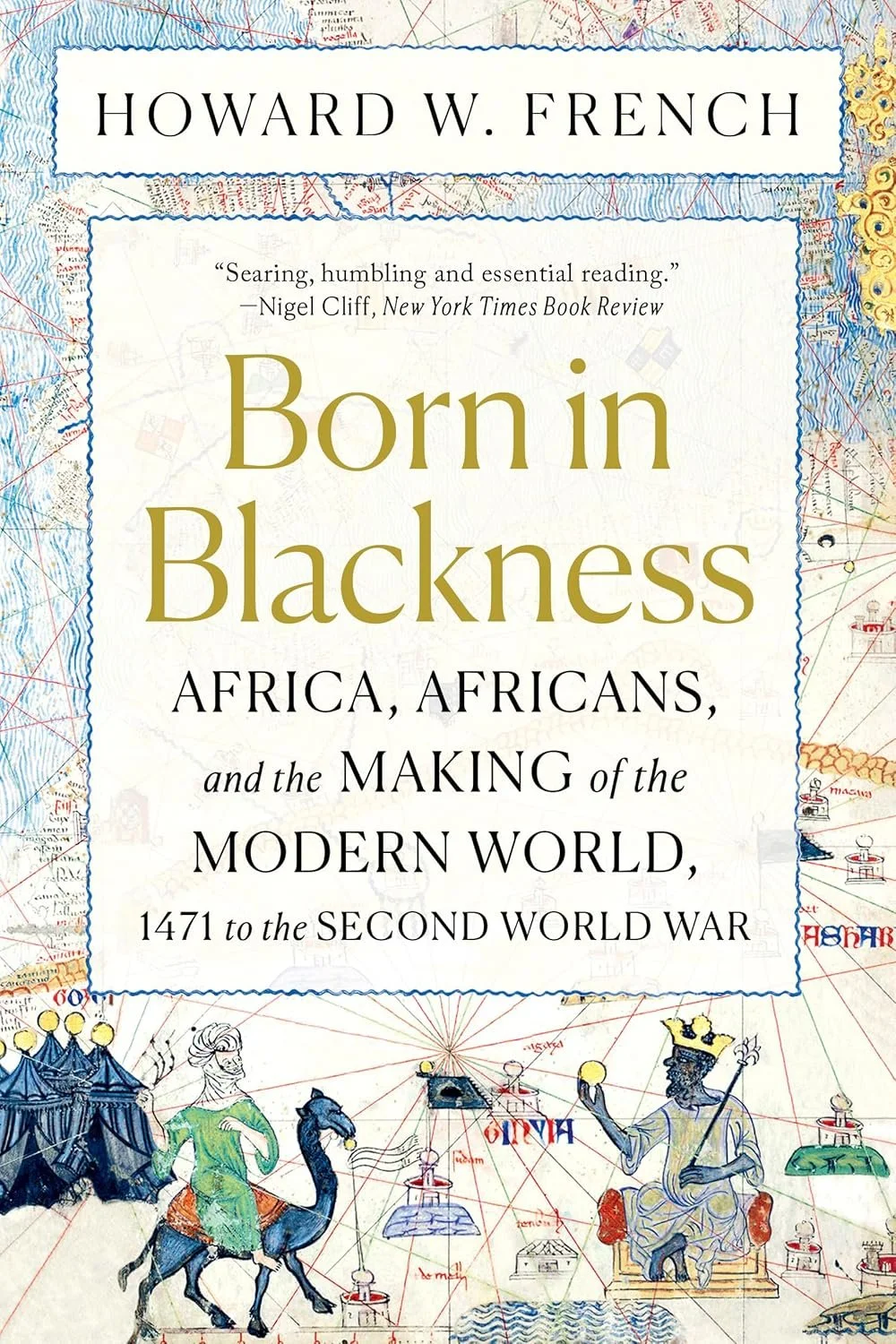
Born in Blackness, Howard W. French
A sweeping analysis of six centuries in which Africa played a crucial part in creating the modern world. It recovers the rise and fall of powerful empires that are studied too little in the West.
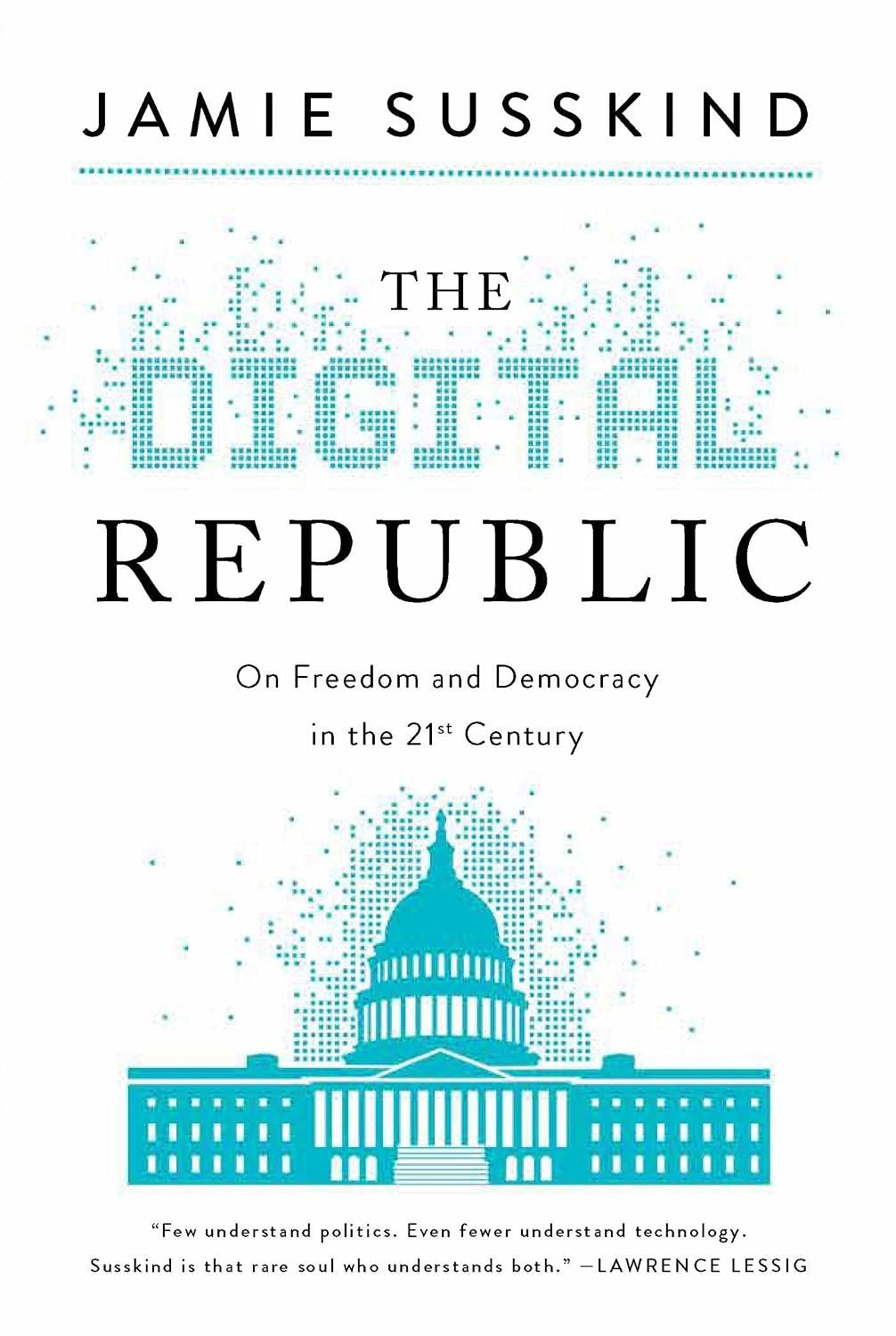
The Digital Republic, by Jamie Susskind
Attempts to apply institutional reform to existing liberal institutions and offers one possible path forward.
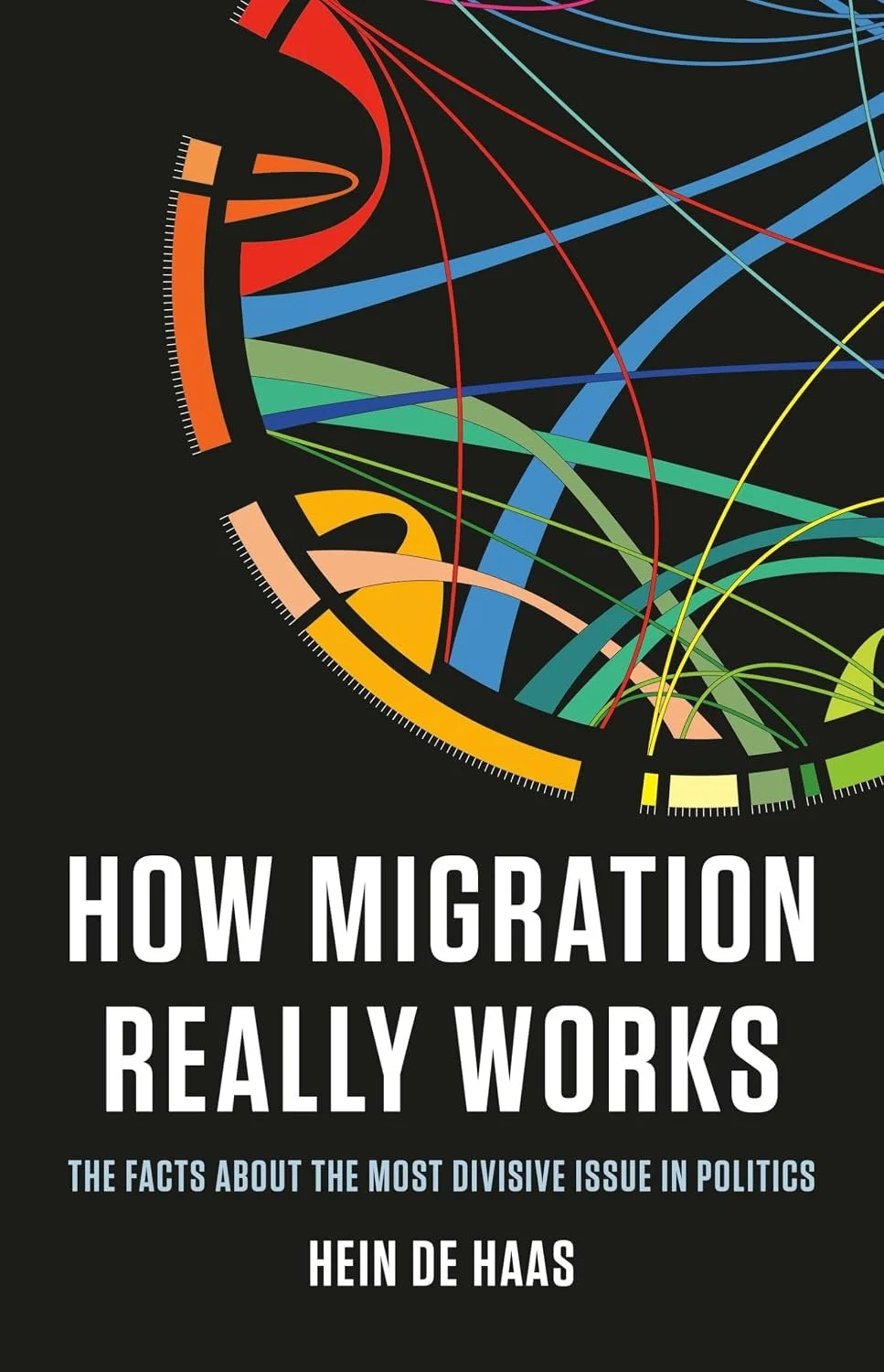
How Migration Really Works, by Hein de Haas
Dismantles the myths driving European migration politics and explains how migration is a strategic source of strength rather than weakness.
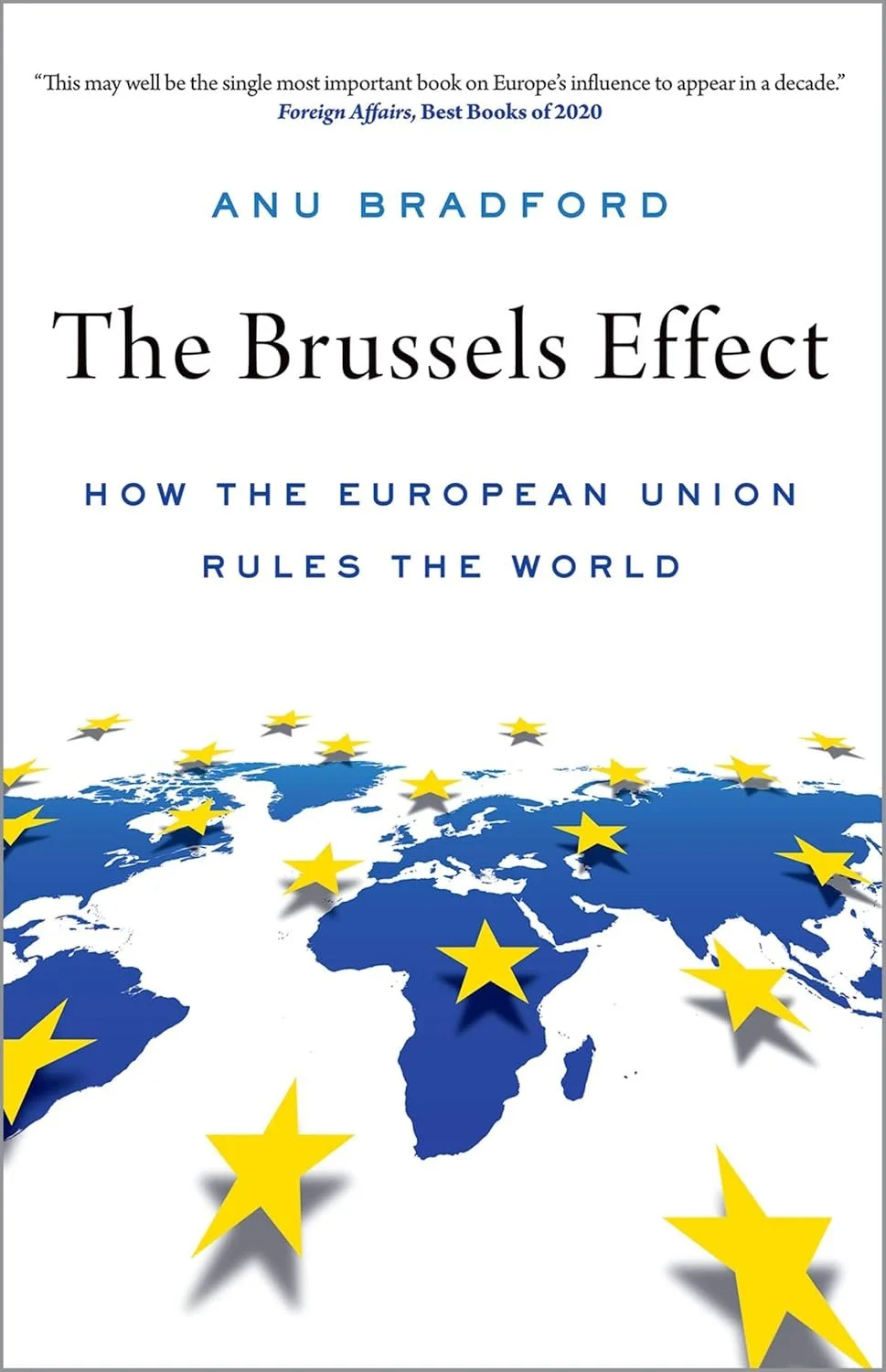
The Brussels Effect, by Anu Bradford
Documents how the European Union exports its rules through the gravity of its market, forcing companies far beyond its borders to comply. It is the clearest account of Europe’s one genuine form of technological power.
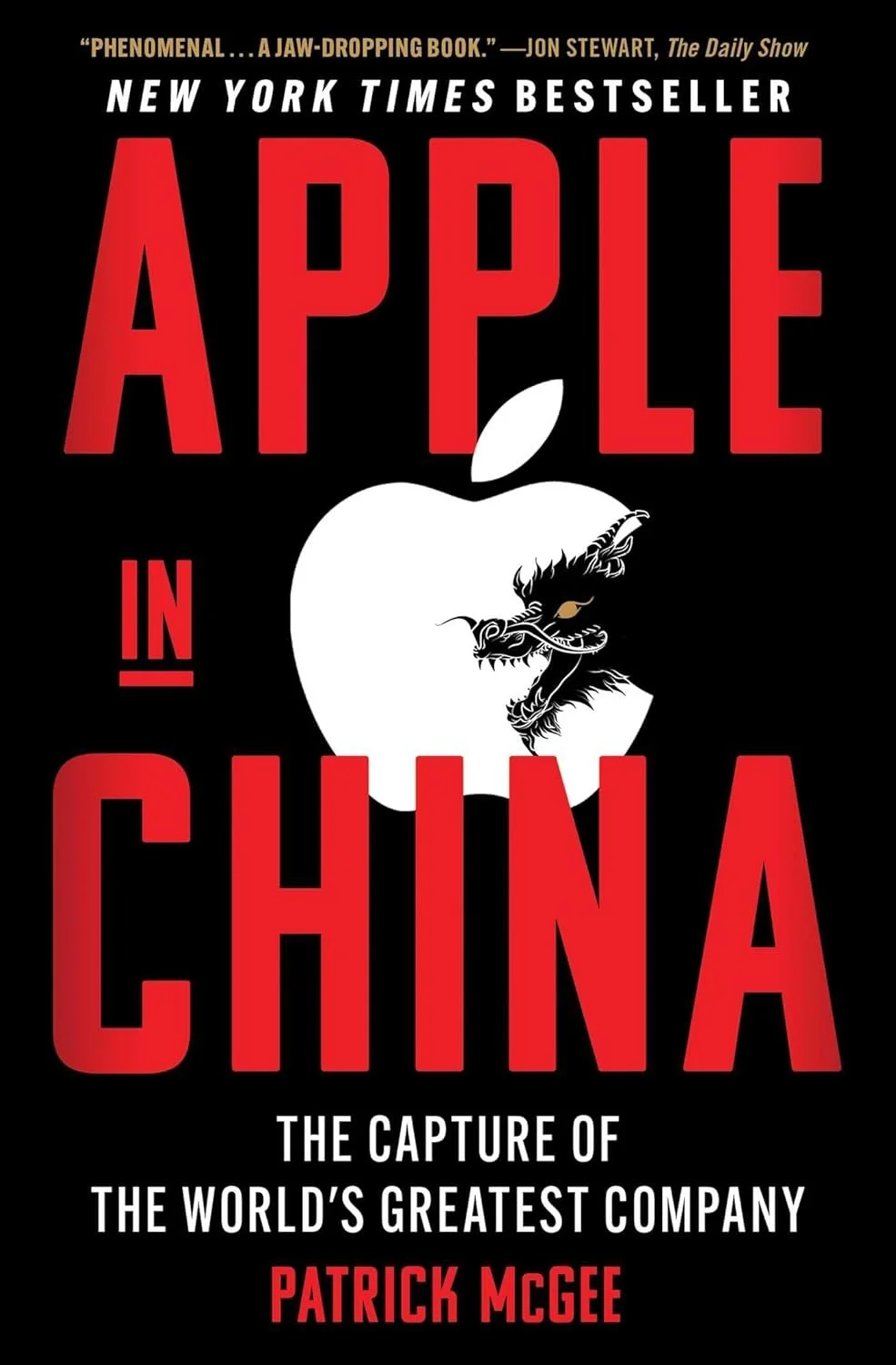
Apple in China, by Patrick McGee
An in-depth examination of China’s use of neoliberal doctrine to pull Apple’s production processes within its borders.
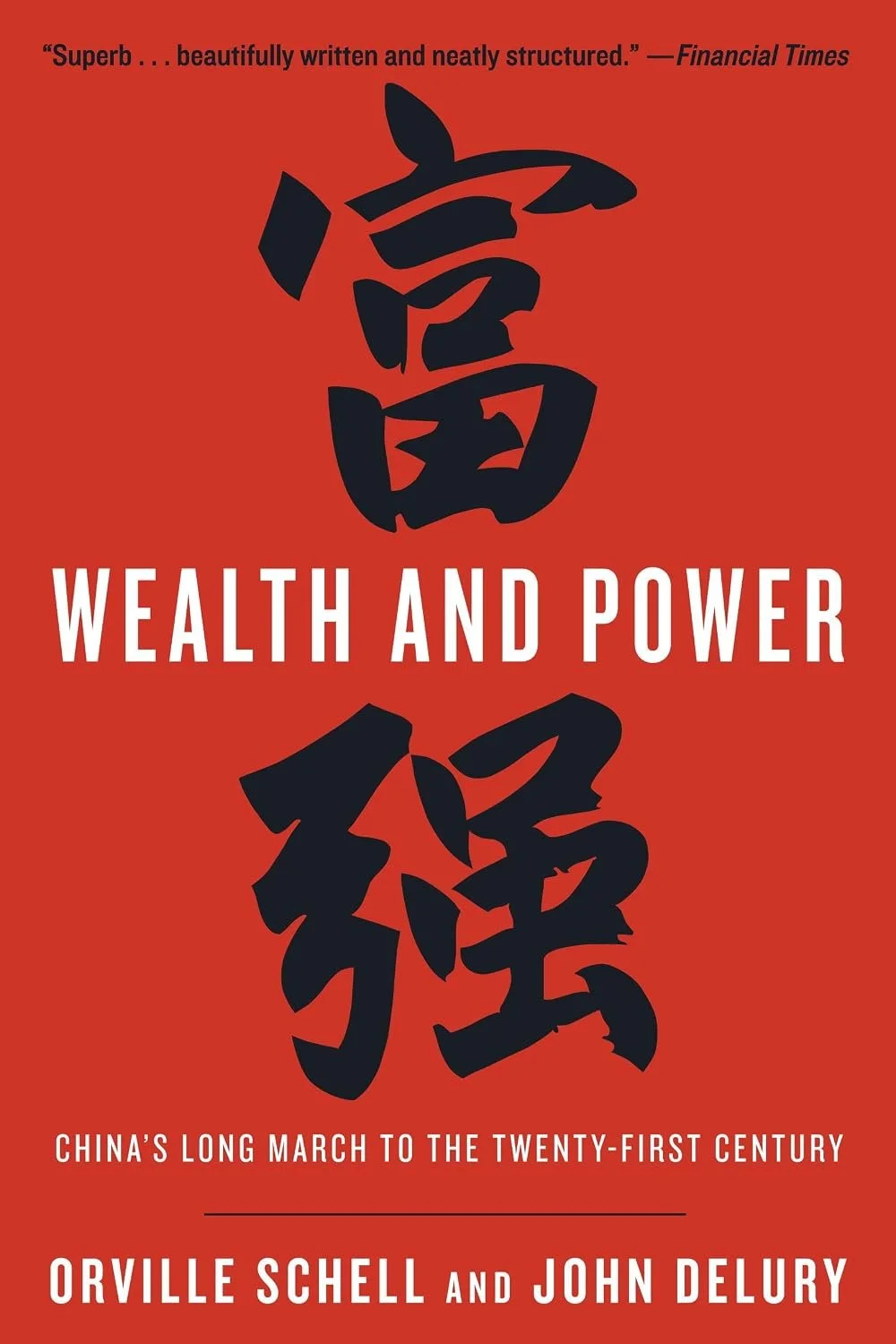
Wealth and Power, by Orville Schell & John Delury
Moves through some of China’s most important figures after the Opium Wars and examines what they considered the path for China to return to wealth and power.
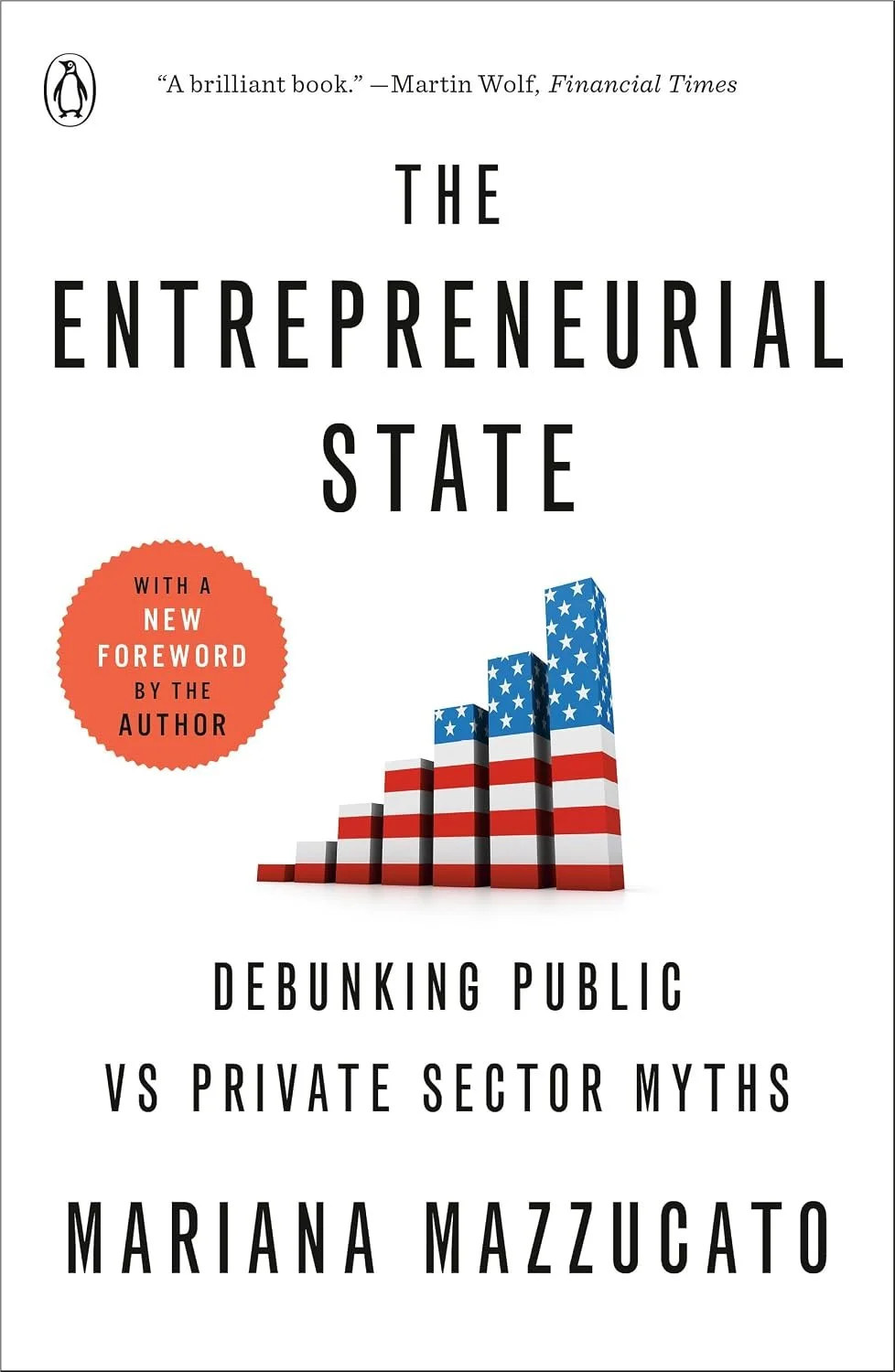
The Entrepreneurial State, by Mariana Mazzucato
Debunks the myth that only corporations can innovate effectively and demonstrates the enormous role that public-sector research and development played in creating today’s Big Tech firms.
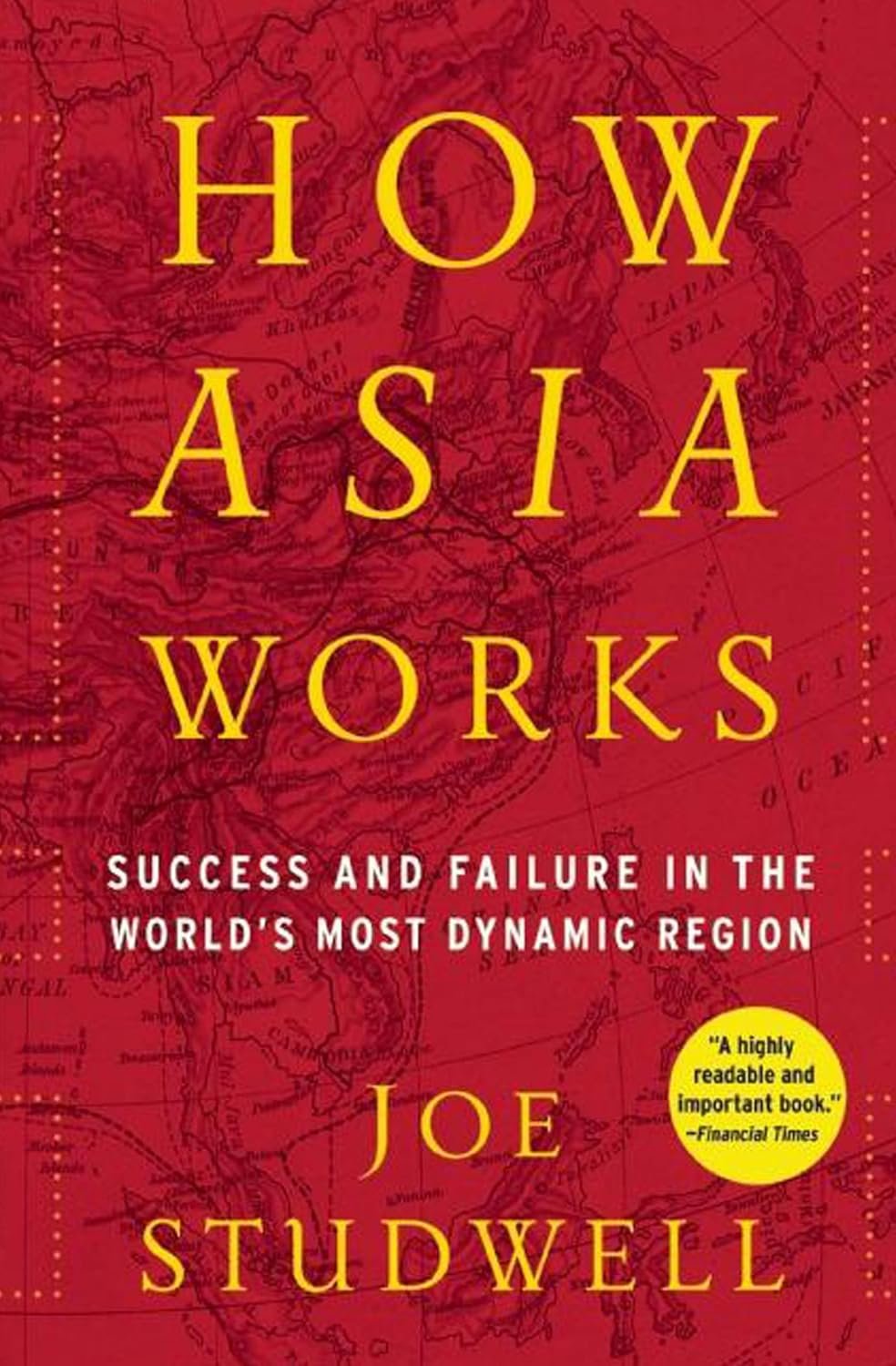
How Asia Works, by Joe Studwell
Examines the successful industrial policy of the Asian Tigers: domestic educational and agricultural programmes, followed by national industrial champions, and finally financial liberalisation.
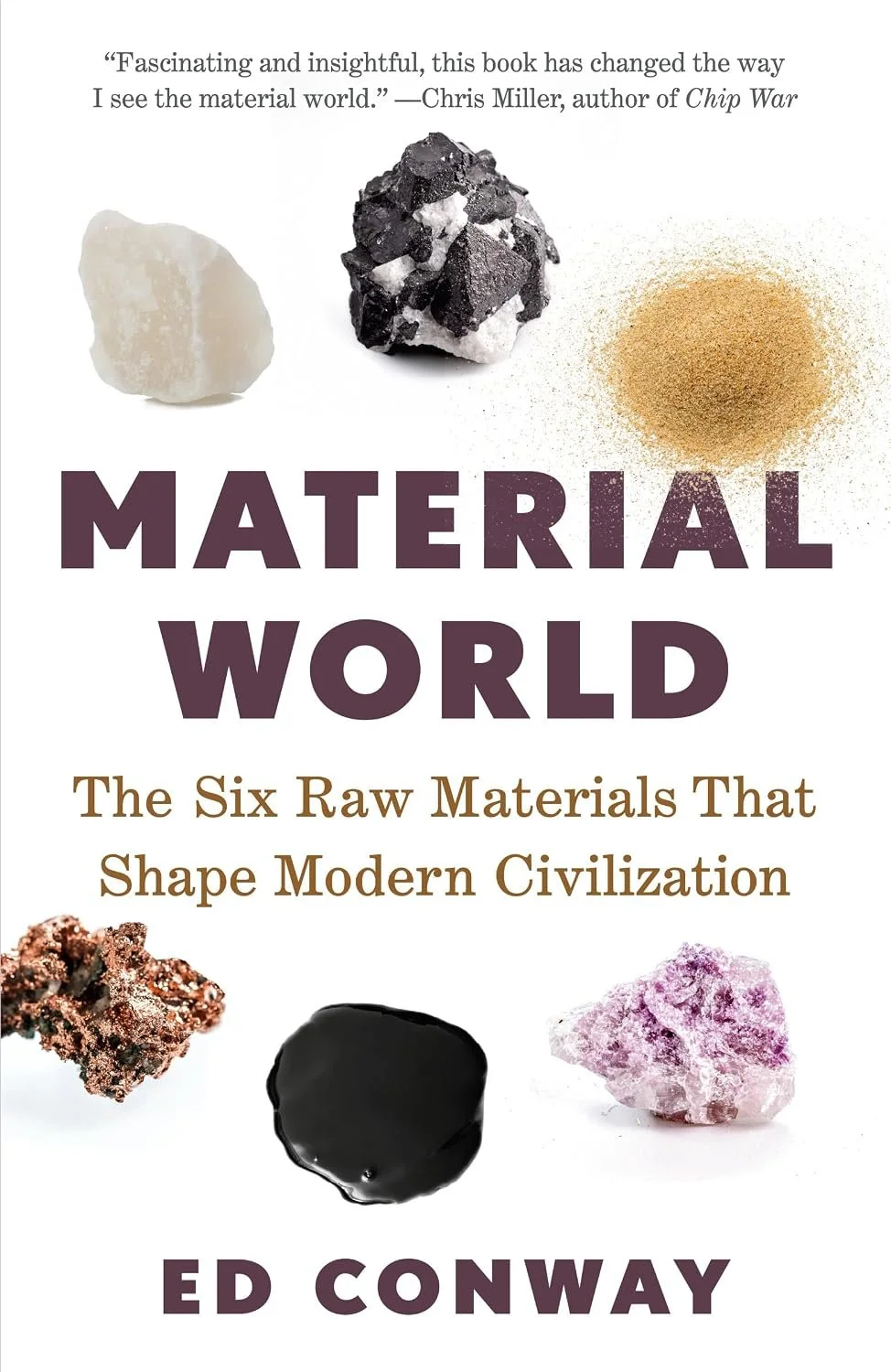
Material World, by Ed Conway
Maps the material dependencies and chokepoints underlying the global economy and shows how a small amount of pressure, applied precisely, can cripple an entire supply chain.
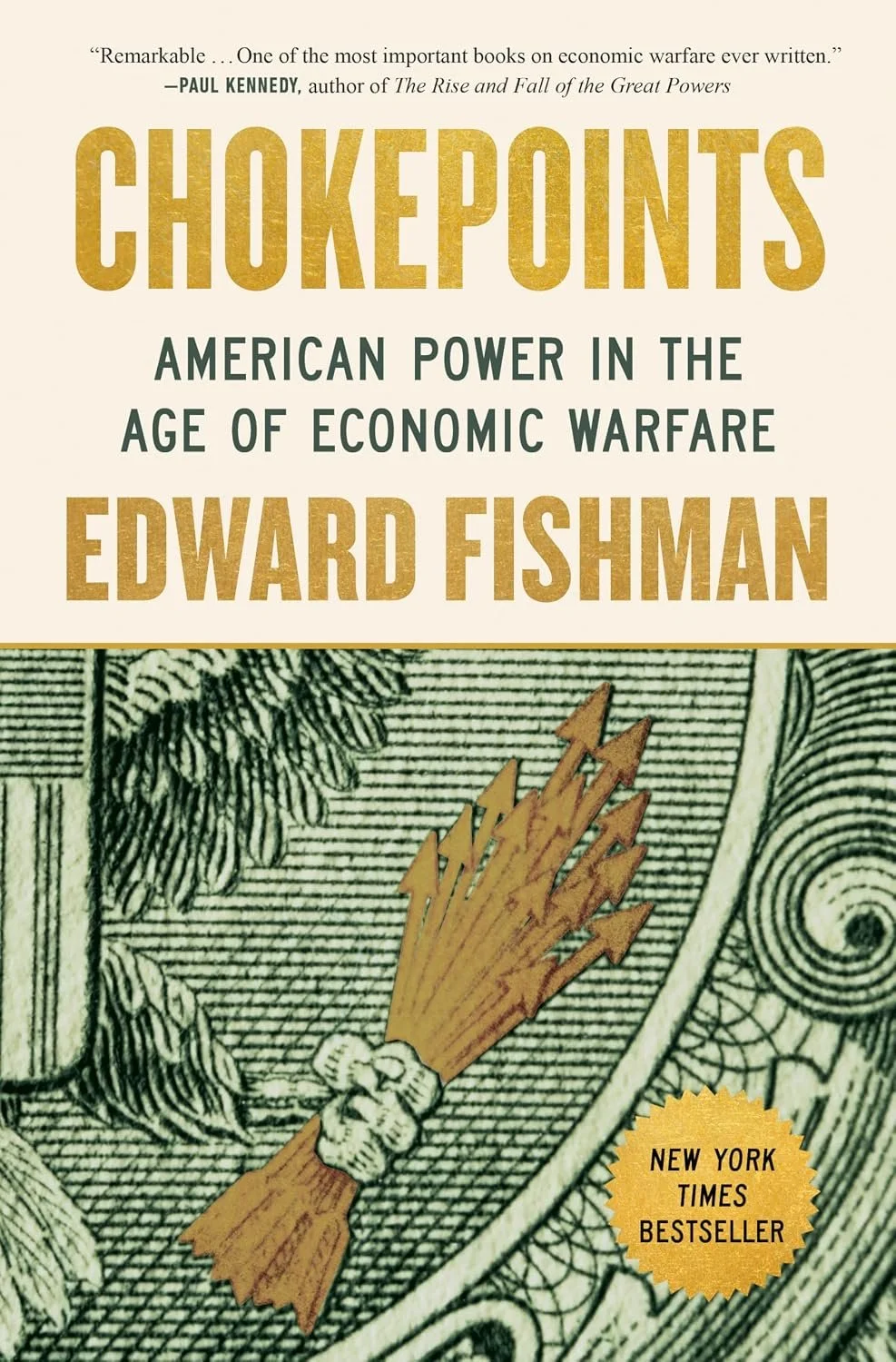
Chokepoints, by Edward Fishman
Documents the United States’ transition from free-trade orthodoxy towards weaponised interdependence as a tool of geopolitical pressure.
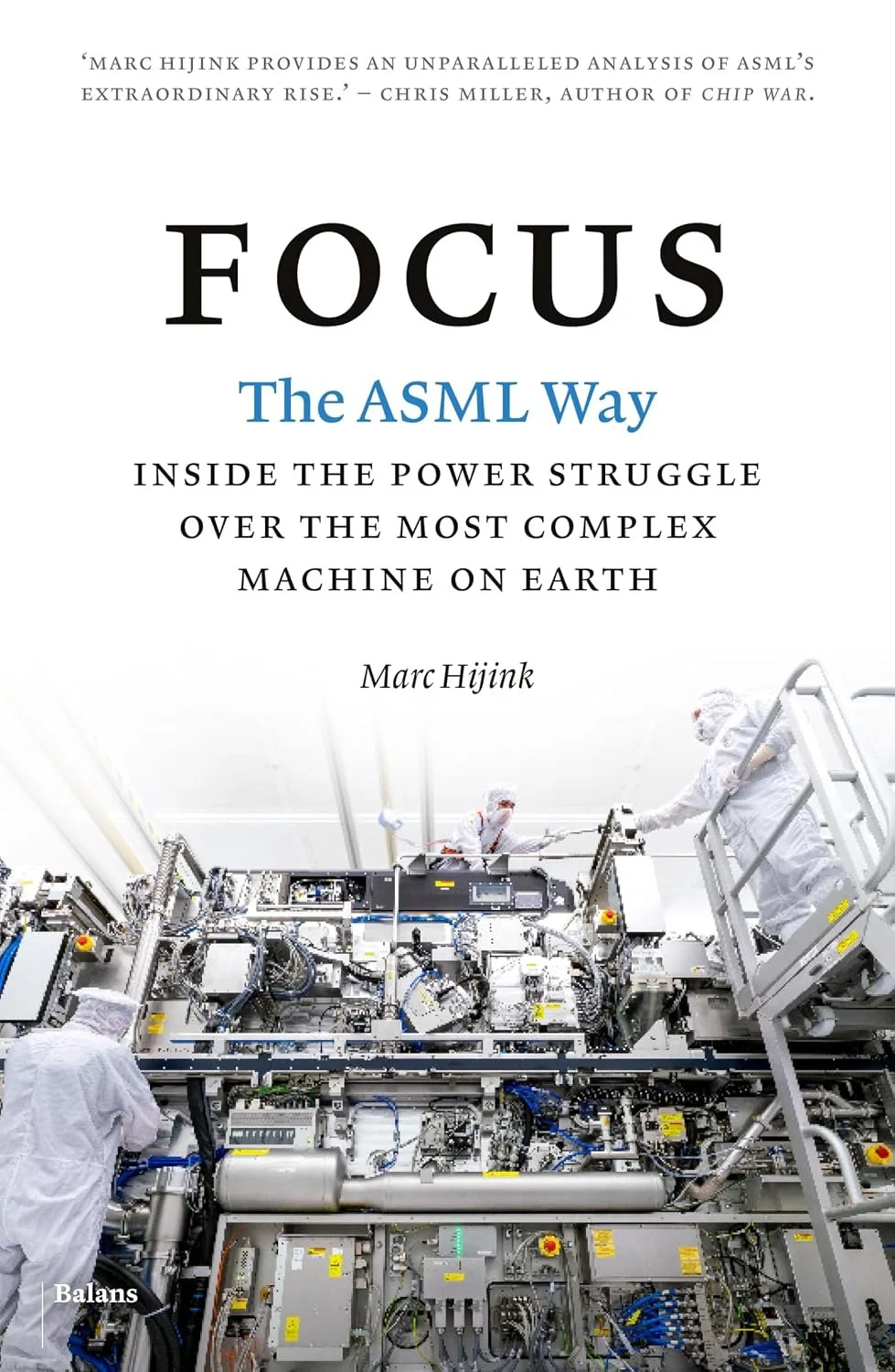
Focus: The ASML Way, by Marc Hijink
Focuses on the company that has probably been most exposed to the return of geopolitics: the Netherlands-based company ASML.
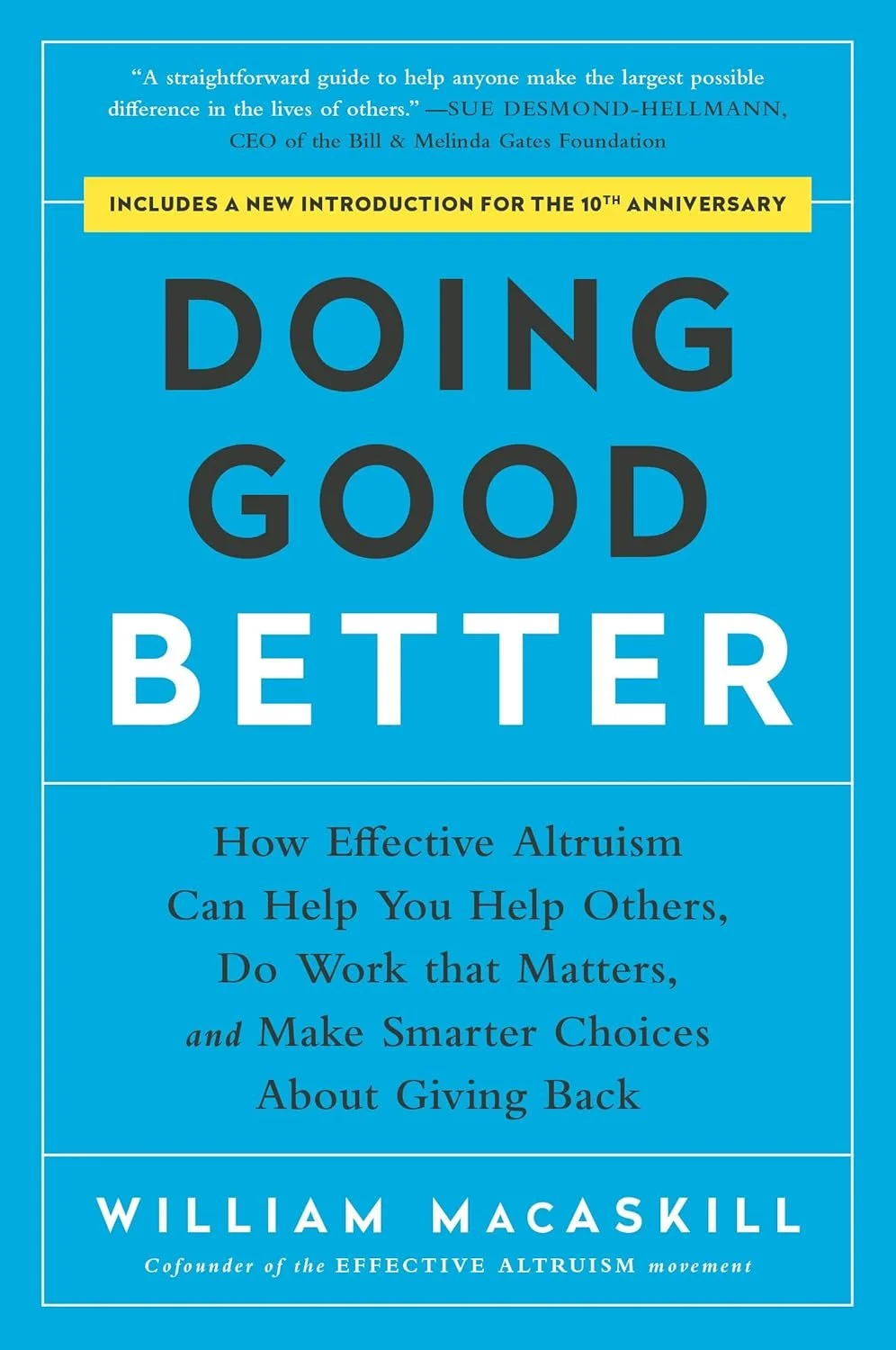
Doing Good Better, by William MacASkill
One of the starting points for the effective-altruist movement and the logic that later developed into longtermism and concern with civilisational existential risk.
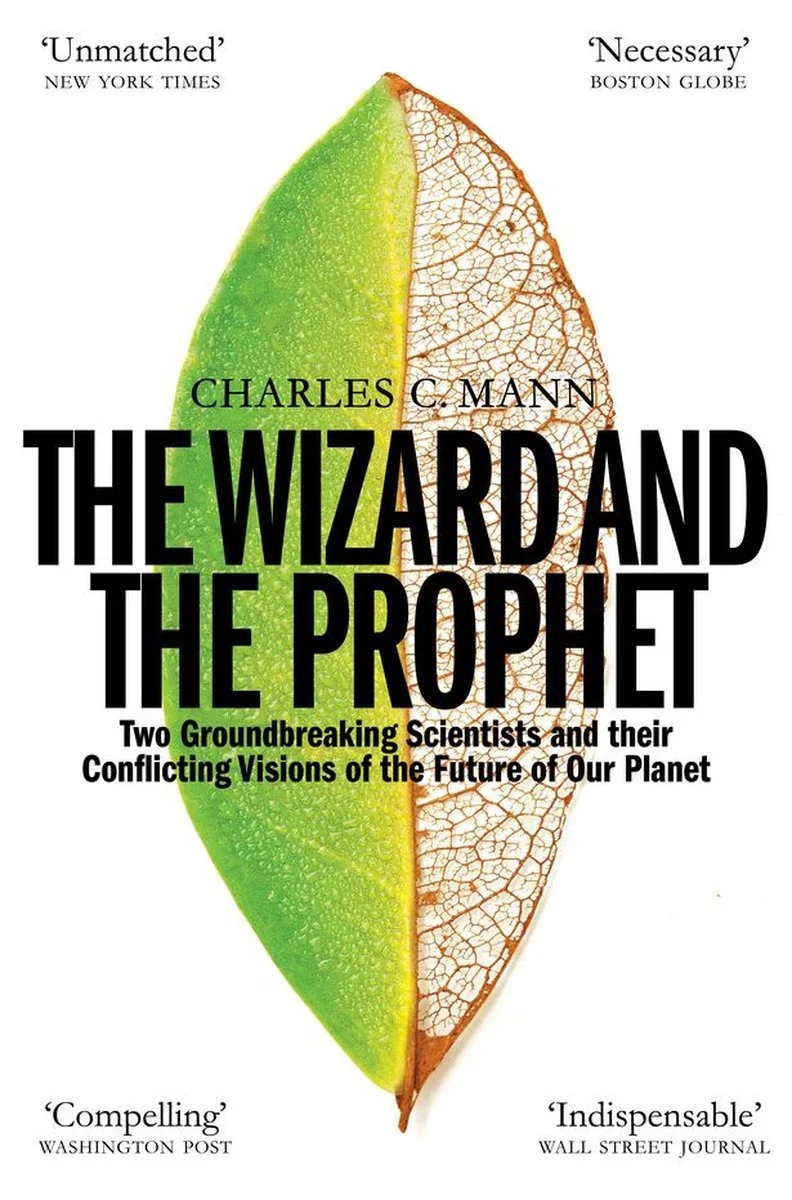
The Wizard and the Prophet, by Charles C. Mann
Identifies the two conventional camps structuring the technology optimism-versus-pessimism debate: the Wizard, who favours abundance and acceleration, and the Prophet, who stresses limits and catastrophe.
Atlas of AI, by Kate Crawford
Reframes AI as an extractive industry that mines people, labour, and water while increasing carbon emissions. Those costs are not shared equally.
The Technology Trap, by Carl Benedikt Frey
Zooms in on the disruptive effects of technology on labour. Who wins, who loses, and how does labour disruption destabilise a social order?