Is the American Century Over? by Joseph S. Nye, Jr.
An assessment of the strengths and weaknesses of the United States in an era of returning great-power politics. Crucially, the assessment was made before the election of Donald Trump.
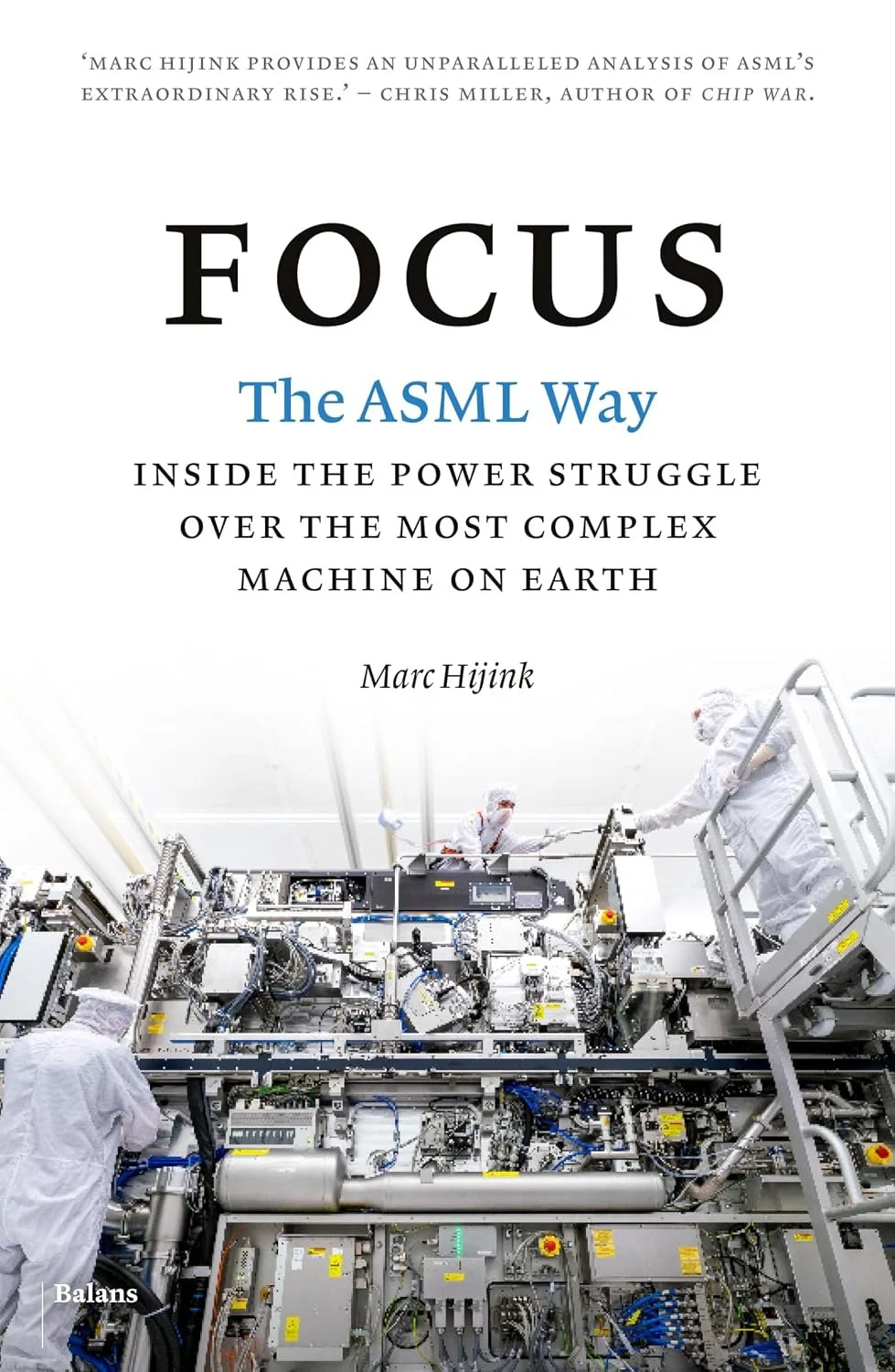
Focus: The ASML Way, by Marc Hijink
Focuses on the company that has probably been most exposed to the return of geopolitics: the Netherlands-based company ASML.
Mao’s Great Famine, by Frank Dikötter
The ultimate optimisation catastrophe: a society reengineered toward a projected future at the cost of tens of millions of lives.
The Technological Republic, by Alexander Karp & Nicholas Zamiska
A frontal attack on Western culture as complacent, intellectually frail, and lacking decisive leadership. The book underlines the messianic argument made by technology elites in propagating their own vision of the future.
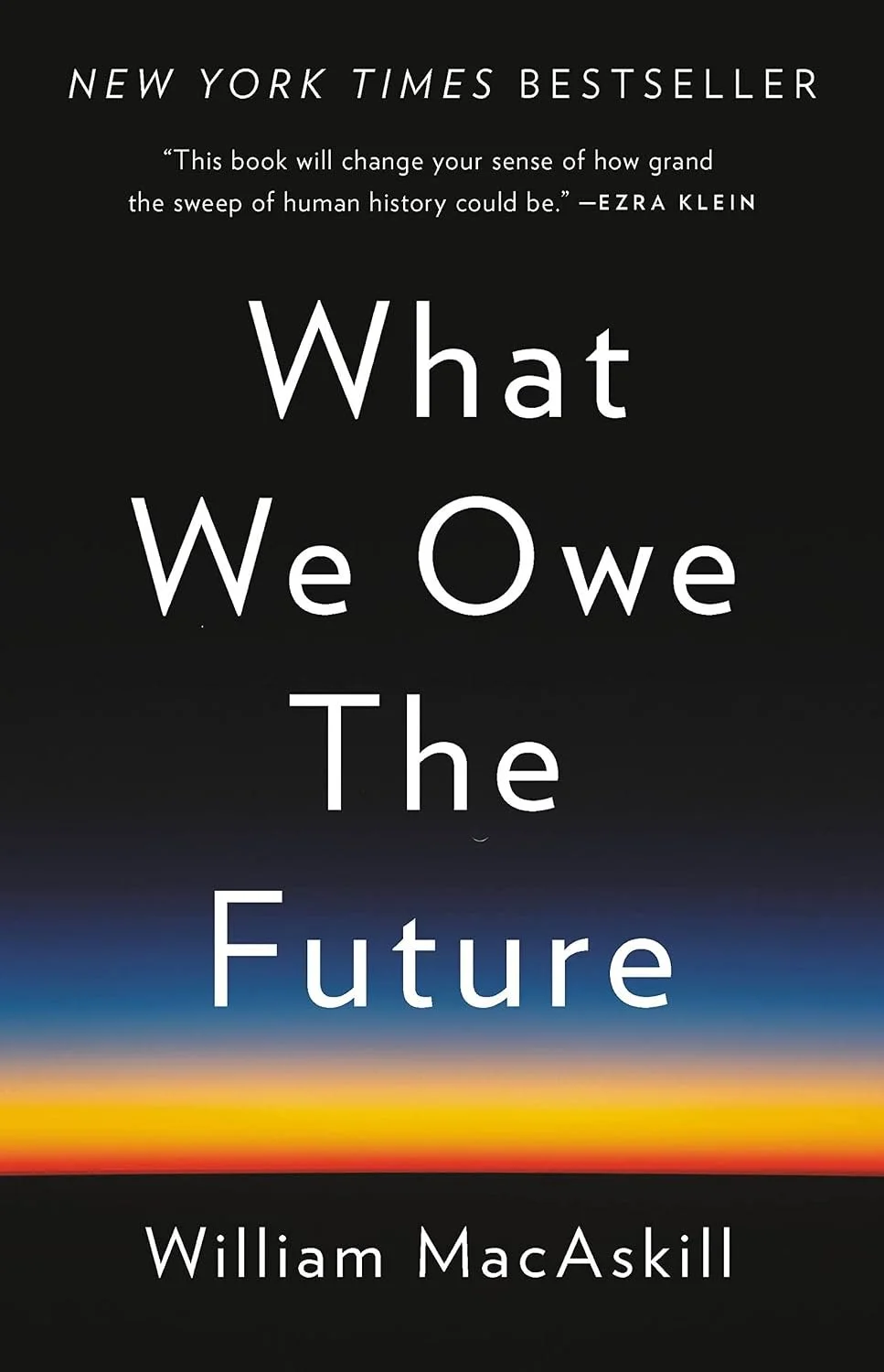
What We Owe the Future, by William MacAskill
A central statement of longtermism and the idea that safeguarding civilisation’s long-run future should shape decisions made in the present.
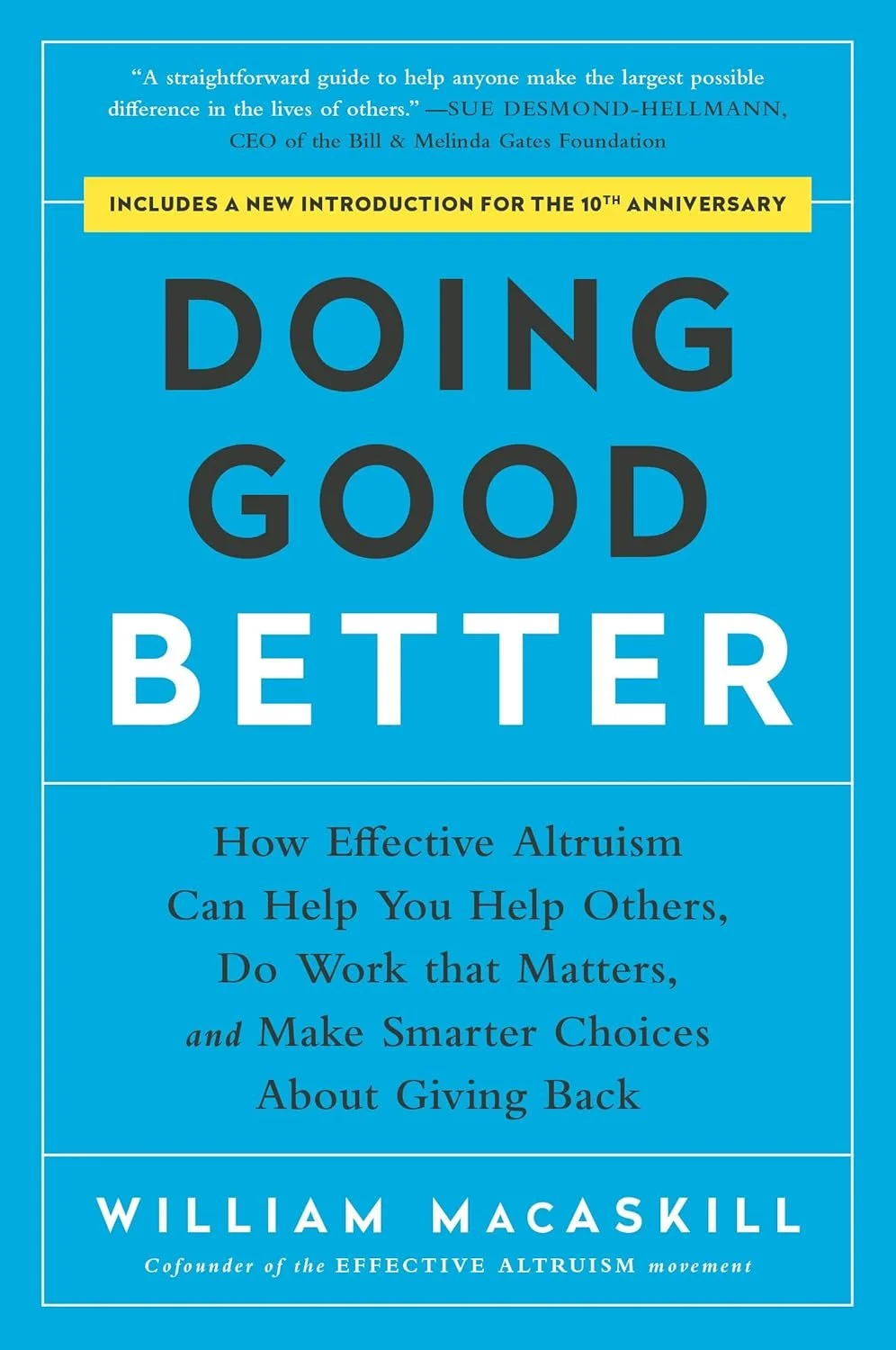
Doing Good Better, by William MacASkill
One of the starting points for the effective-altruist movement and the logic that later developed into longtermism and concern with civilisational existential risk.

If Anyone Builds It, Everyone Dies, by Eliezer Yudkowsky & Nate Soares
Takes the argument of AI doomers to its full extent. It is emblematic of both the content and style of the existential-risk faction in Silicon Valley.
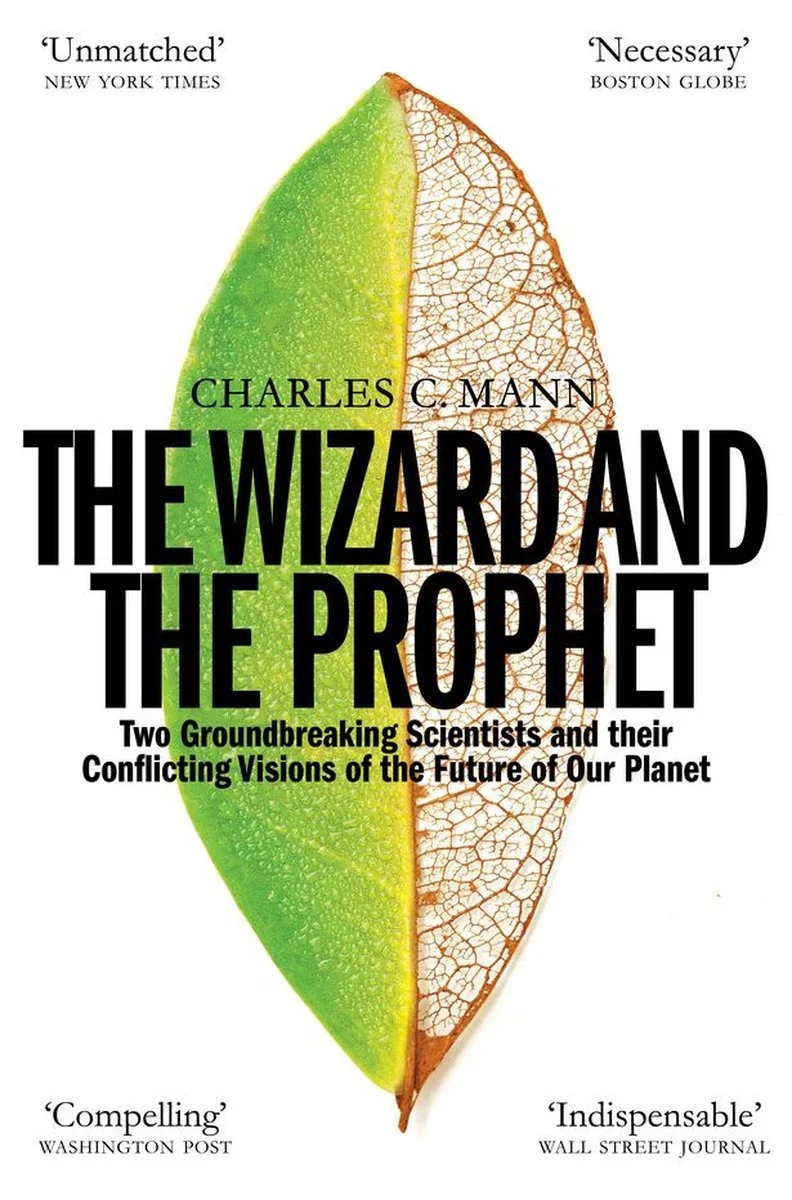
The Wizard and the Prophet, by Charles C. Mann
Identifies the two conventional camps structuring the technology optimism-versus-pessimism debate: the Wizard, who favours abundance and acceleration, and the Prophet, who stresses limits and catastrophe.
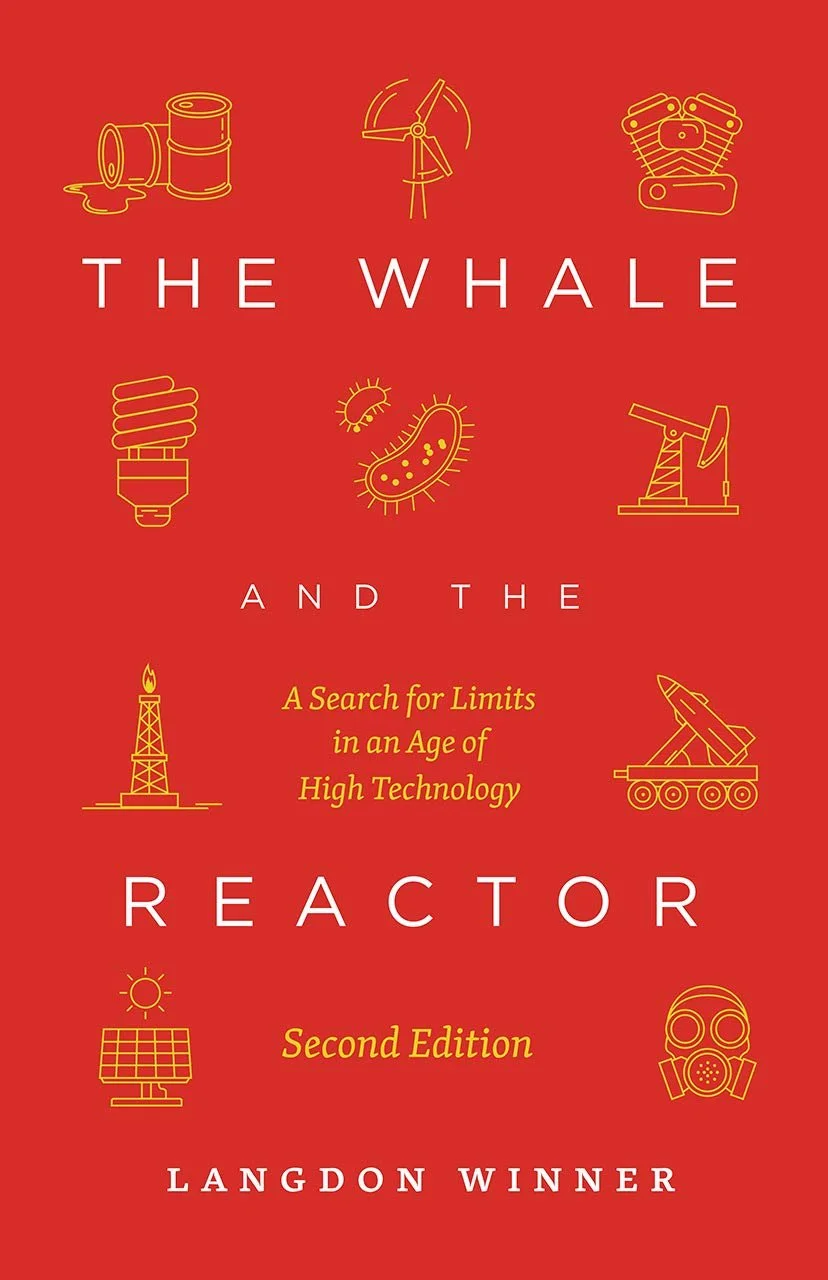
The Whale and the Reactor, by Langdon Winner
A seminal text in technology and society. It argues that technologies intrinsically carried values long before AI alignment became a central concern.
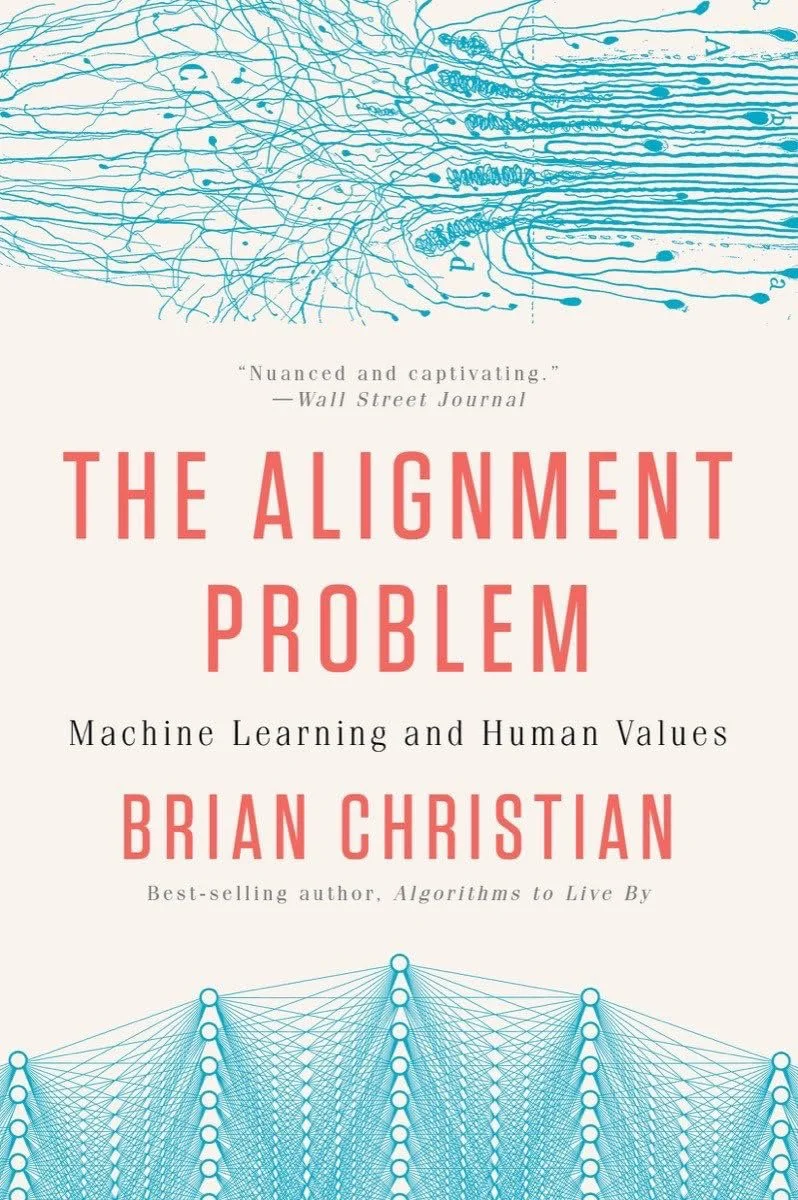
The Alignment Problem, by Brian Christian
An early major formulation of the alignment problem and the connection between technical and moral questions. Because it was written before the large-language-model revolution, it focuses on more conventional AI systems.
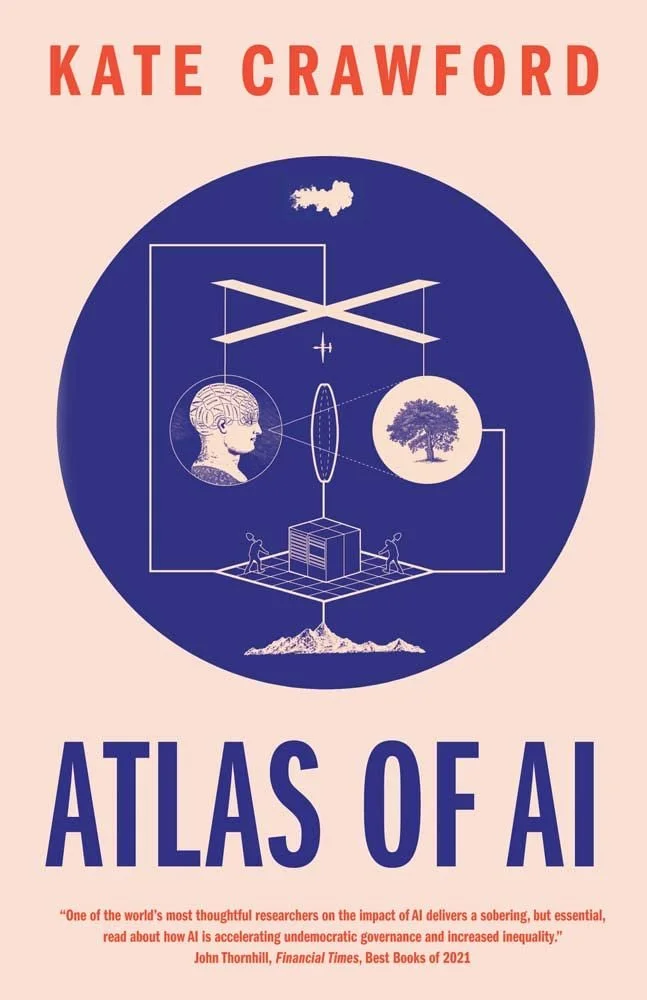
Atlas of AI, by Kate Crawford
Reframes AI as an extractive industry that mines people, labour, and water while increasing carbon emissions. Those costs are not shared equally.
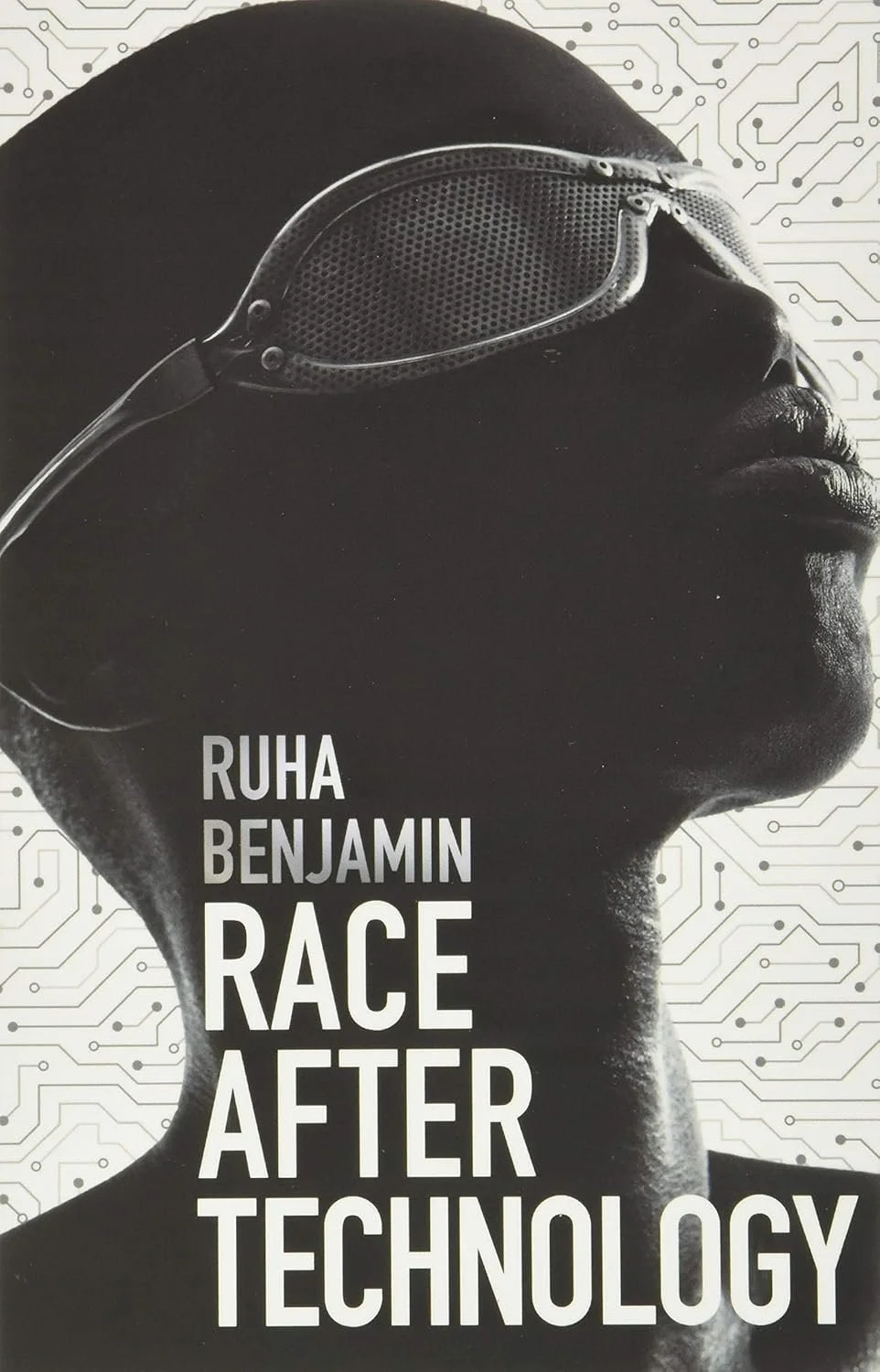
Race After Technology, by Ruha Benjamin
Takes the recognition that AI is racist and perpetuates injustice to its logical endpoint: how should we resist technology and abolish tools of algorithmic repression?
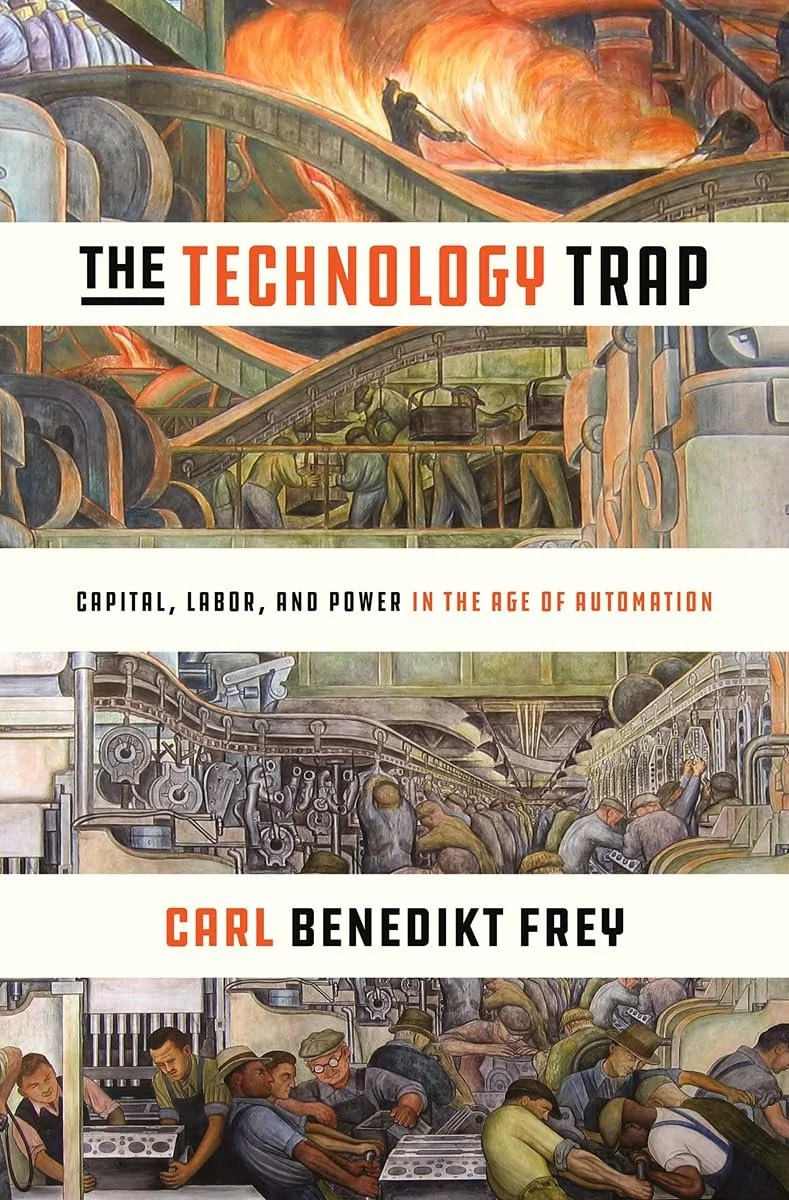
The Technology Trap, by Carl Benedikt Frey
Zooms in on the disruptive effects of technology on labour. Who wins, who loses, and how does labour disruption destabilise a social order?
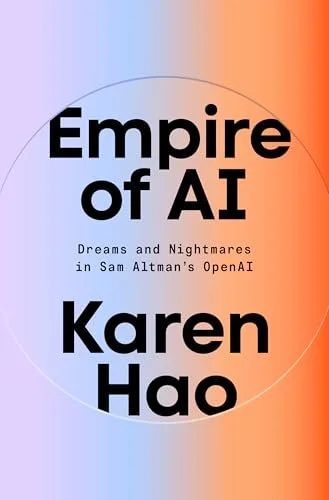
Empire of AI, by Karen Hao
Lifts the curtain on how the inner workings of OpenAI have led to an AI arms race. It highlights the enormous environmental, human, and data requirements of training AI.
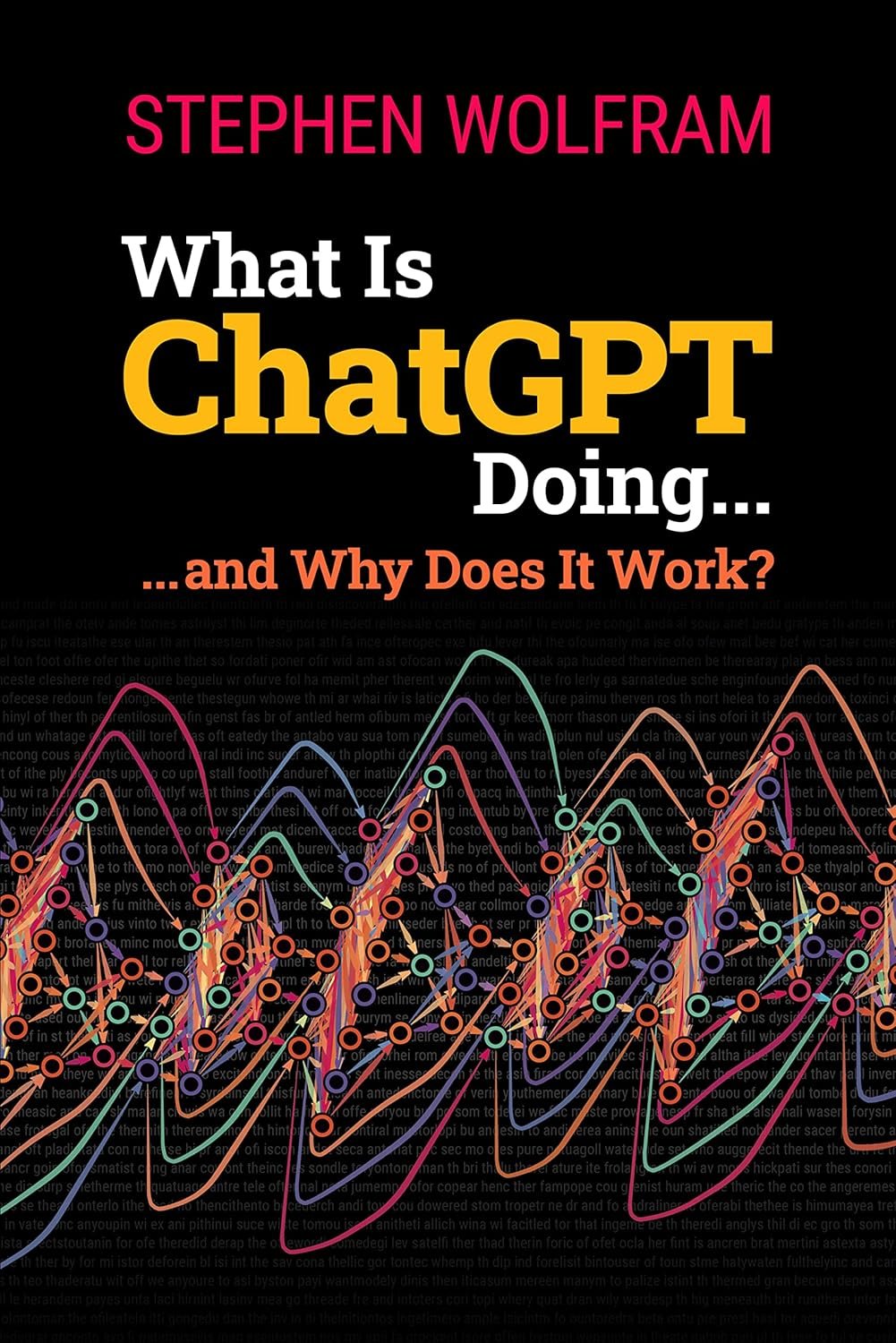
What Is ChatGPT Doing … and Why Does It Work? by Stephen Wolfram
A technical account of modern transformers. It avoids most mathematics, but gives an in-depth explanation of the inner operations of chatbots.

Embracing Defeat, By John W. Dower
Shows how Japan has gone through institutional rebuilding not once, but twice. The entire political and economic architecture of Japan was altered in the rubble of postwar Japan.
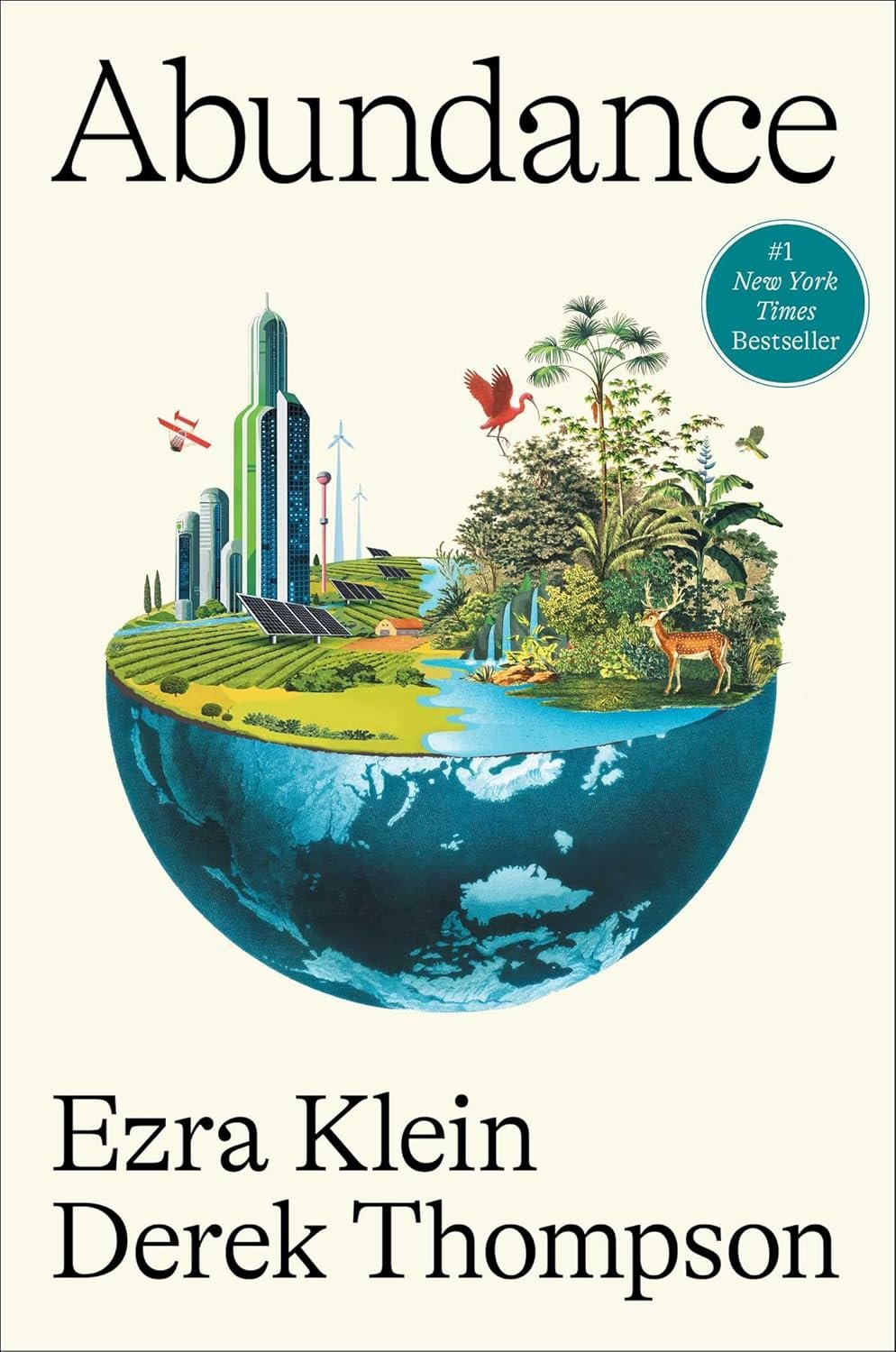
Abundance, by Ezra Klein and Derek Thompson
Diagnoses the failure of liberal institutions to keep building and highlights the tension between progressives’ dismissal of economic growth and conservatives’ dislike of government intervention.
How Democracies Die, by Steven Levitsky & Daniel Ziblatt
Shows how institutional erosion occurs when politics becomes all-consuming. In the absence of institutional evolution, wear and tear will eventually destroy any political system.
Political Order in Changing Societies, by Samuel P. Huntington
One of the foundational texts in the history of institutions and an intellectual counterpoint to Fukuyama. It considers the role of political institutions within changing political systems and argues that political decline is at least as likely as political development.
Dark Money, by Jane Mayer
Shows how billionaires and ultrarich individuals have gradually captured the political system through funding academic institutions, think tanks, and political donations. Written before the Big Tech era, it demonstrates that the corrupting influence of money is not new, but is vastly compounded by technology.