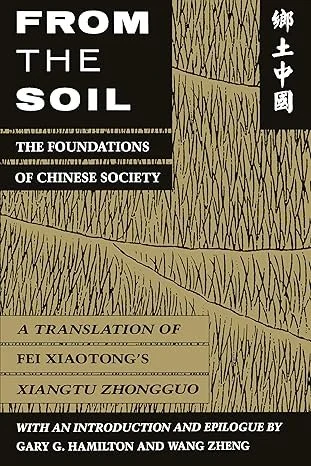
From the Soil, By Feixiao Tong
The foundational text of Chinese sociology. It attempts to map Western sociological theory directly onto Chinese society, highlighting crucial differences.
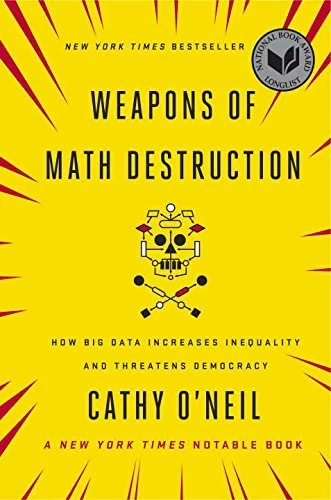
Weapons of Math Destruction, by Cathy O’Neil
One of the earlier books to cover the connection between technology and social inequality. It explores how seemingly innocuous algorithms can deepen and reinforce racism and socioeconomic injustice.
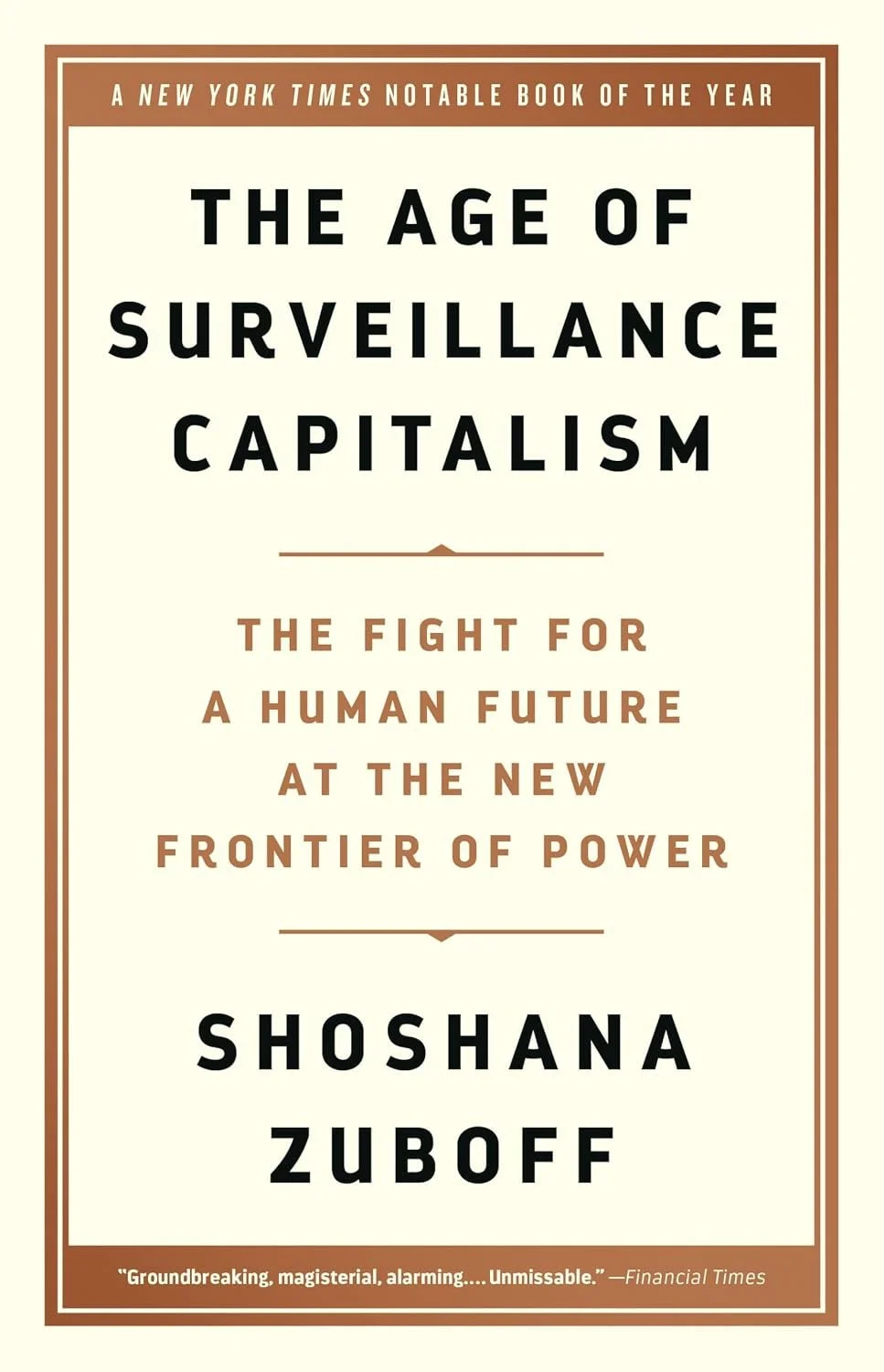
The age of surveillance capitalism, by Shoshana Zuboff
A book that lays down much of the vocabulary around algorithms and agency. It highlights the silent coup that occurred when we began outsourcing epistemic and cognitive agency to profit-driven algorithms.

Technological Revolutions and Financial Capital, by Carlota Perez
Presents the techno-economic “surge” model: why each general-purpose technology arrives with a lag between installation and absorption.
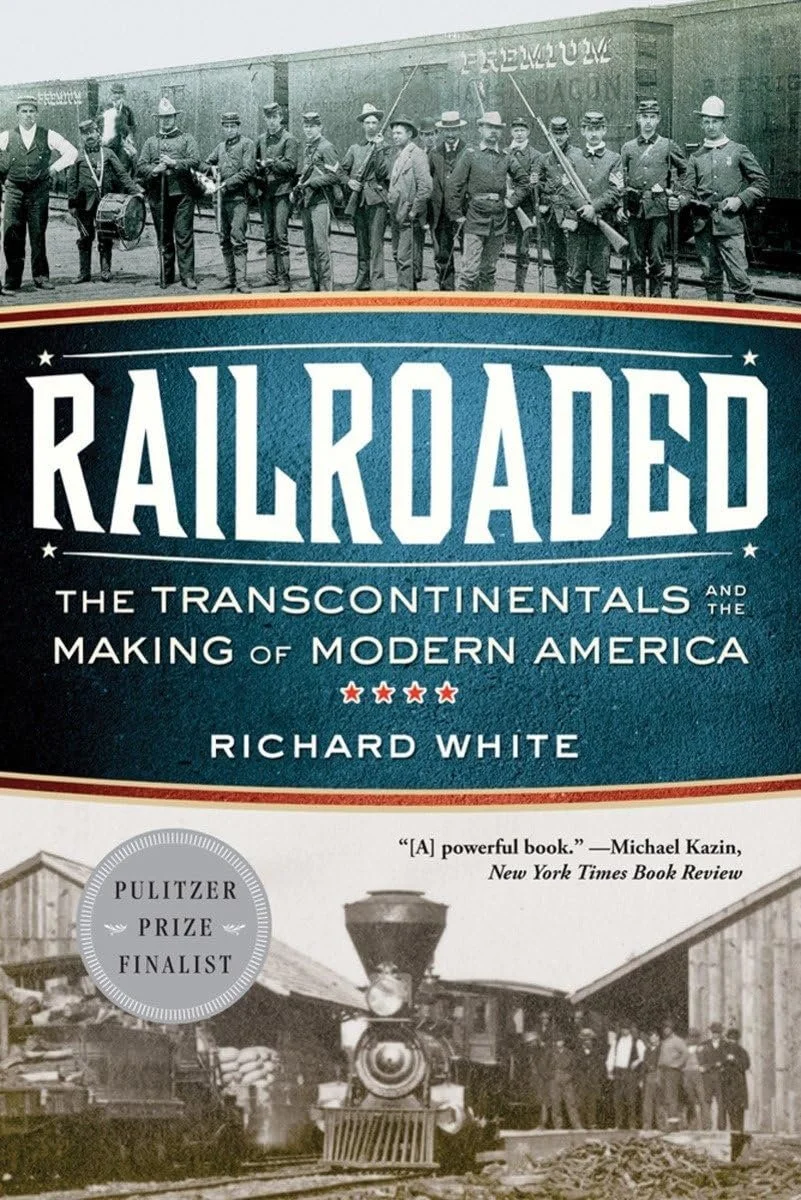
Railroaded, by Richard white
The development of the Transcontinental Railroad during the nineteenth century was one of the largest technological infrastructure projects in human history. It remade the continent, created new monopolies, captured government and institutions, and carries deep echoes with contemporary Big Tech.
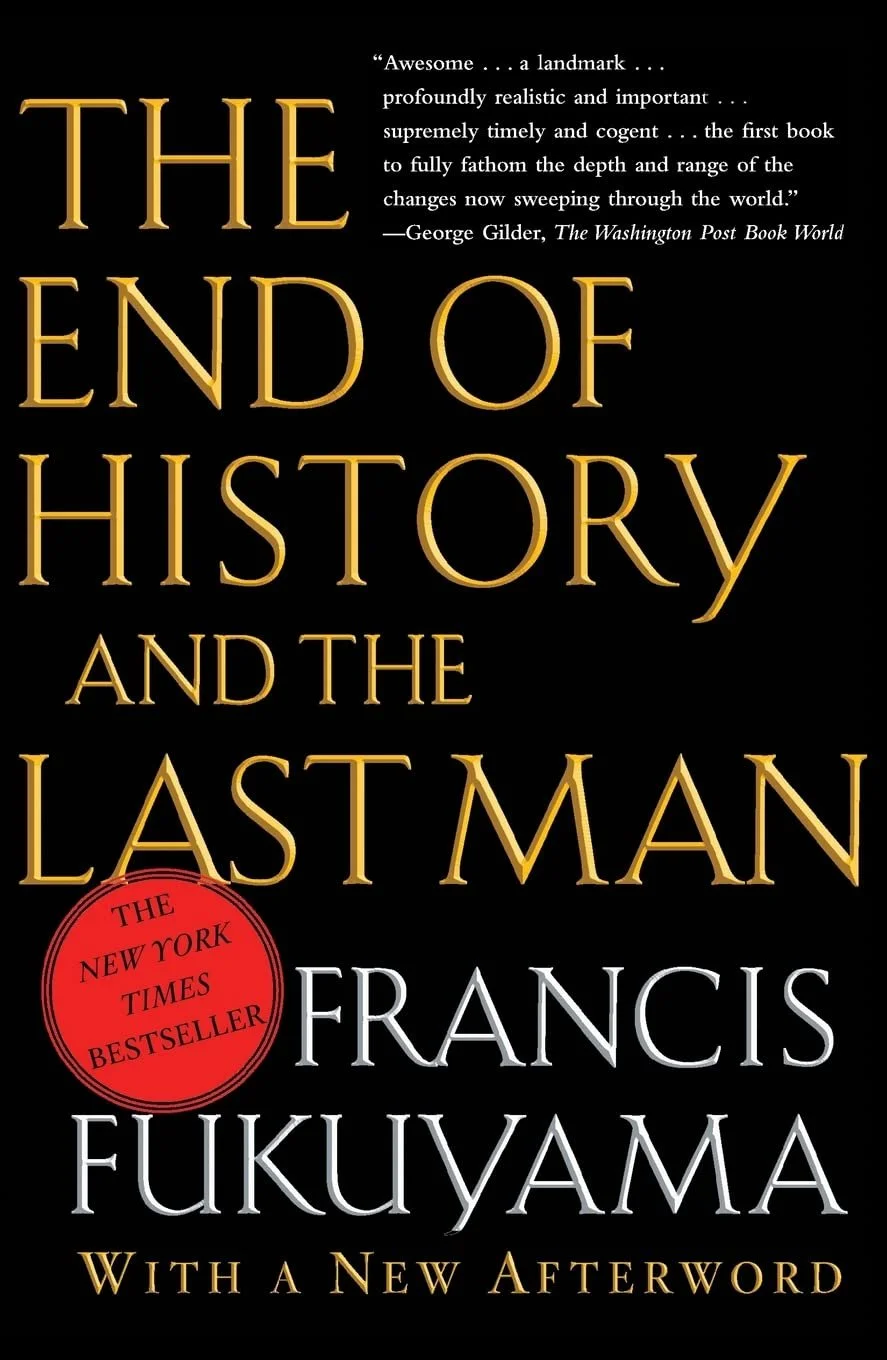
The End of History and the Last man, By Francis Fukuyama
Since the End of History is so important to Western political thought, it is useful to read the argument in its original form. Despite its triumphant overtones, Fukuyama himself notes that the End of History will be a sad time.
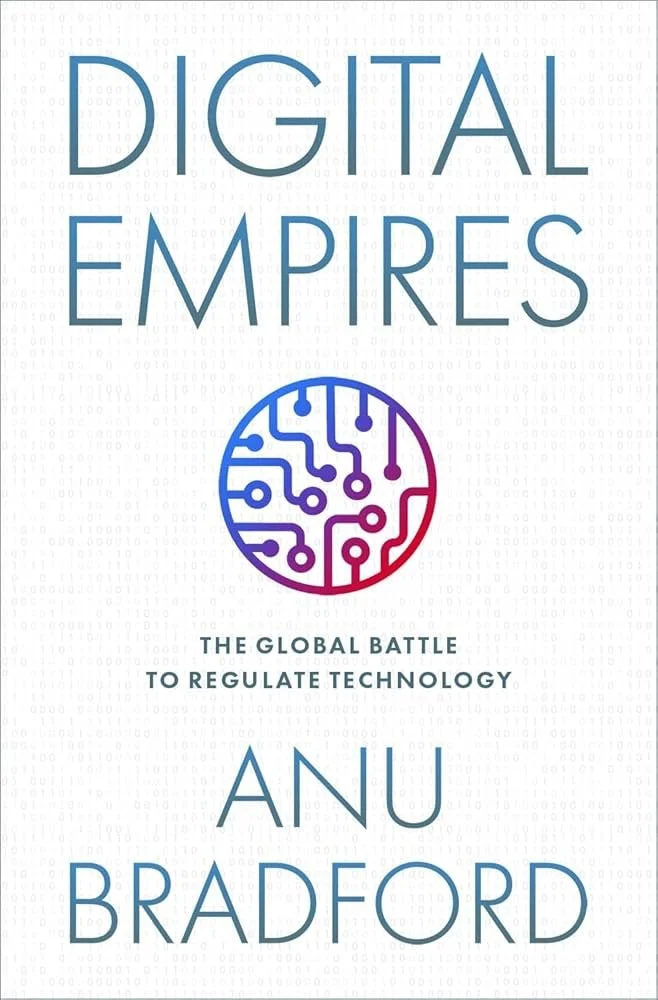
Digital Empires, by Anu Bradford
A comparative account of the American, Chinese, and European approaches to governing the digital economy and shaping global technological rules.
Chip War, by Chris Miller
A history of semiconductors and the global supply chains, public investments, and technological chokepoints that made them central to geopolitical competition.

Artificial Intelligence: A Guide for Thinking Humans, by Melanie Mitchell
An accessible introduction to artificial intelligence that explains what current systems can do, where they fail, and why intelligence remains difficult to define.
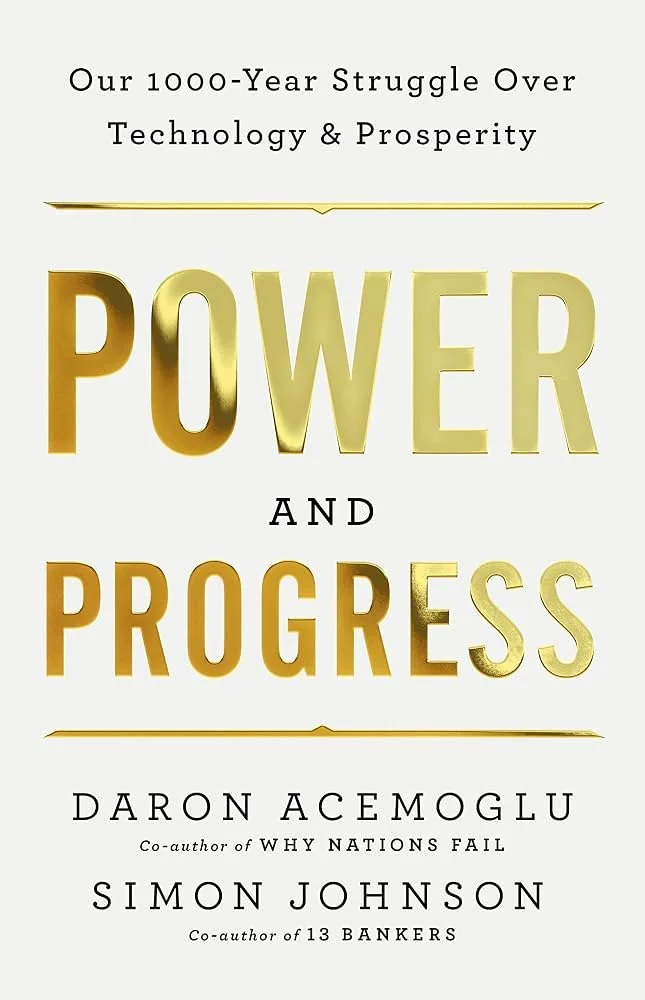
Power and Progress, by Daron Acemoglu and Simon Johnson
A broad history of the relationship between technological change, institutional development, and the distribution of economic and political power.
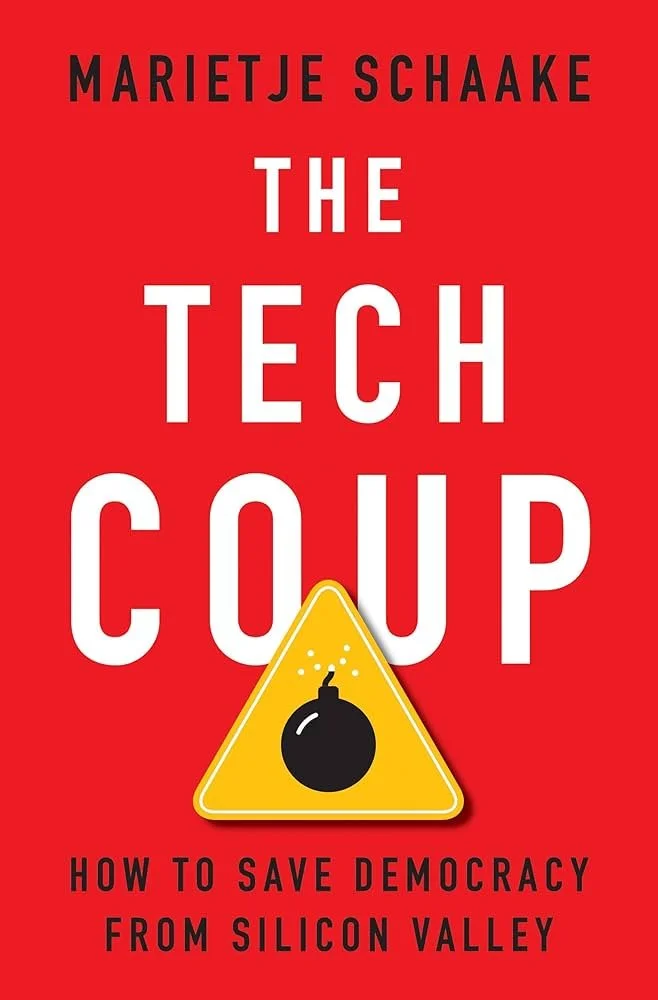
The Tech Coup, by Marietje Schaake
A forceful critique of how technology companies gained institutional influence, combined with a practical account of how liberal democracies can regain control.