Revolutions Podcast, by Mike Duncan
Over 200 hours of wide-ranging and extensively researched narrative history. It gives a blow-by-blow account of the messy process of revolution, including the English, French, Haitian, Mexican, and Russian Revolutions.
Crash Course World History, Presented by John Green
A light hearted but very comprehensive series on world history.
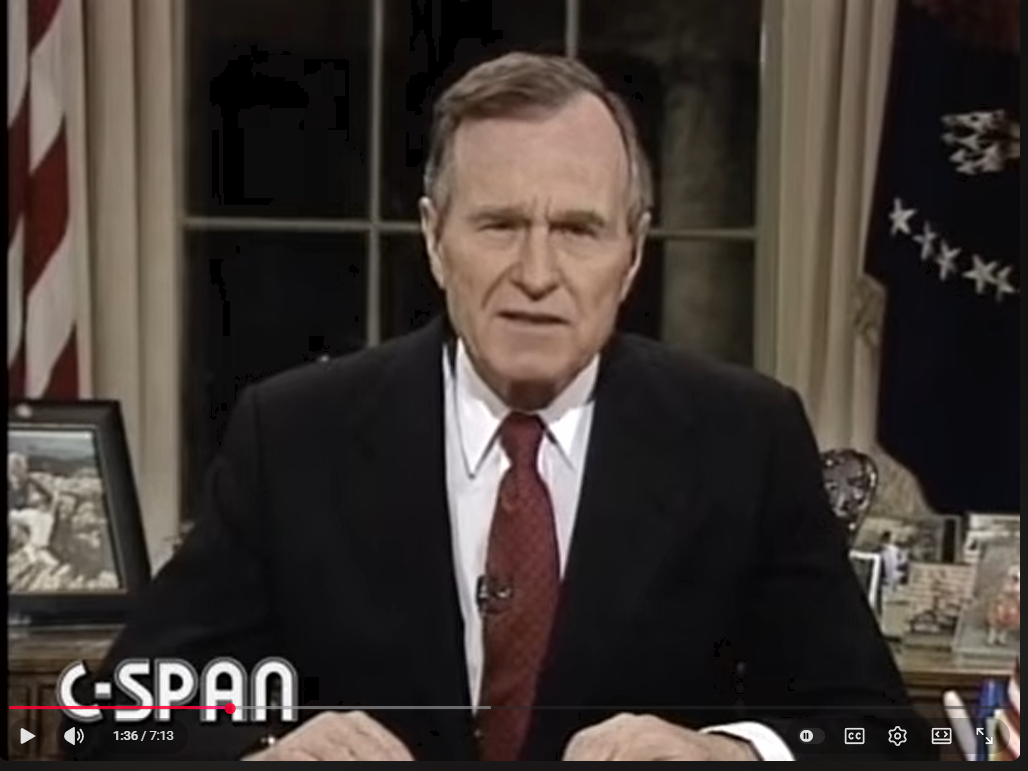
Bush Sr. 1991 Address to the Nation on the Collapse of the USSR
This is the speech described in Chapter 1 that laid out America’s role in the world during the post Cold-War order.

The Dutch Machine the World is Fighting Over, by NOS op 3
Why the world suddenly has started fighting over Dutch EUV machines.
The World’s Most Important Machine, by Veritasium
A great entry point to try and wrap your head around the unbelievably complex machinery behind the EUV machines.

How to do the Most Good, The Ezra Klein Show
Is ‘merely’ a revolution, or is AI qualitatively different than previous revolutions? How does the emergence of AI change the way in which we think about meta-ethics?

But What is a Neural Network? By 3Blue1Brown
Conceptual introduction into the key technical concepts involved in AI and its use.

Bubbles, Golden Ages, and Tech Revolutions, Carlota Perez on the Exponential View Podcast
Is there a repeating cycle for technological innovation, and how does it impact the political economy? Are there historical analogies for modern Big Tech?
The History of Light, by NPR’s Planet Money
It’s easy take light for granted. But having regular and reliable access to safe (and non smelly) sources of light has fundamentally altered society
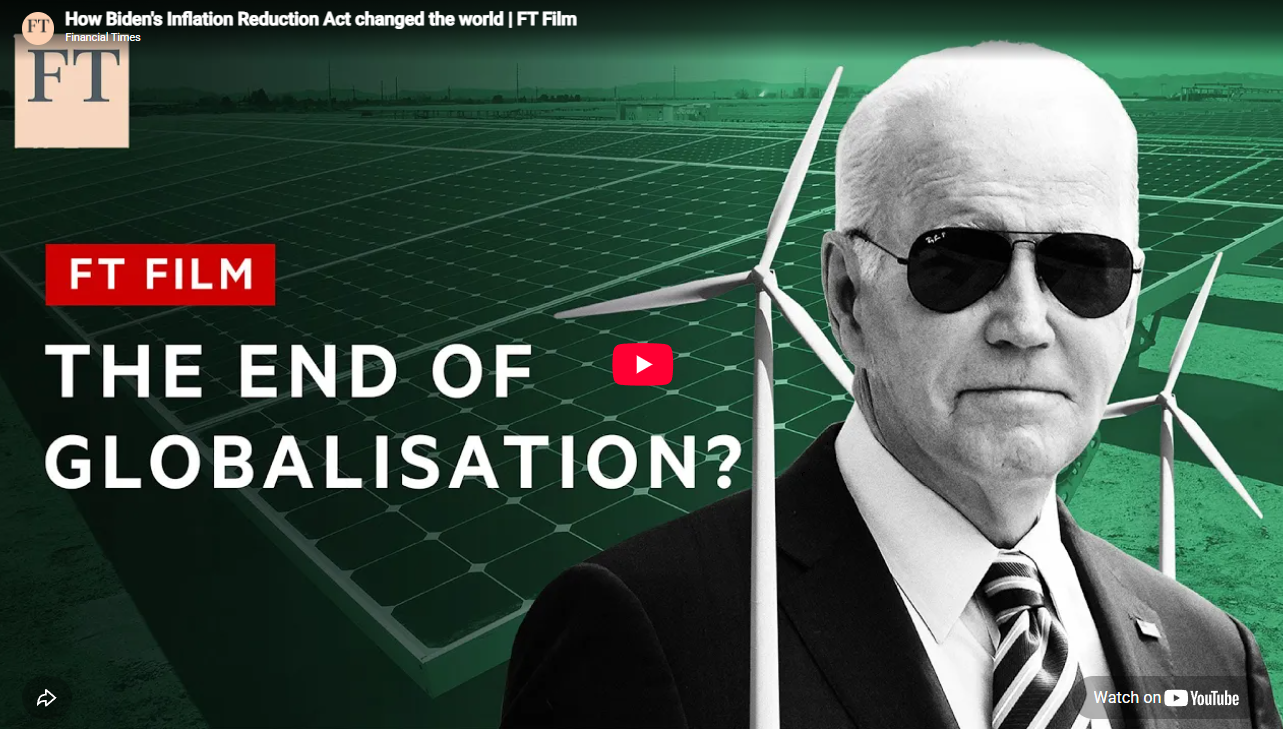
How The Inflation Reduction Act Changed the World, by the Financial Times
What policies do governments use to drive technological innovation, and how do non-state actors like Big Tech operate in a geopolitical paradigm that is state driven?
GPU vs CPU Demonstration, by the Mythbusters and Nvidia
Visual demonstration of the difference between GPU and CPU computation. This is what unleashed the current AI revolution.
Hard Fork Podcast, the New York Times
Probably the best way to stay up-to-date on the latest twists and turns in the AI landscape without having to read!
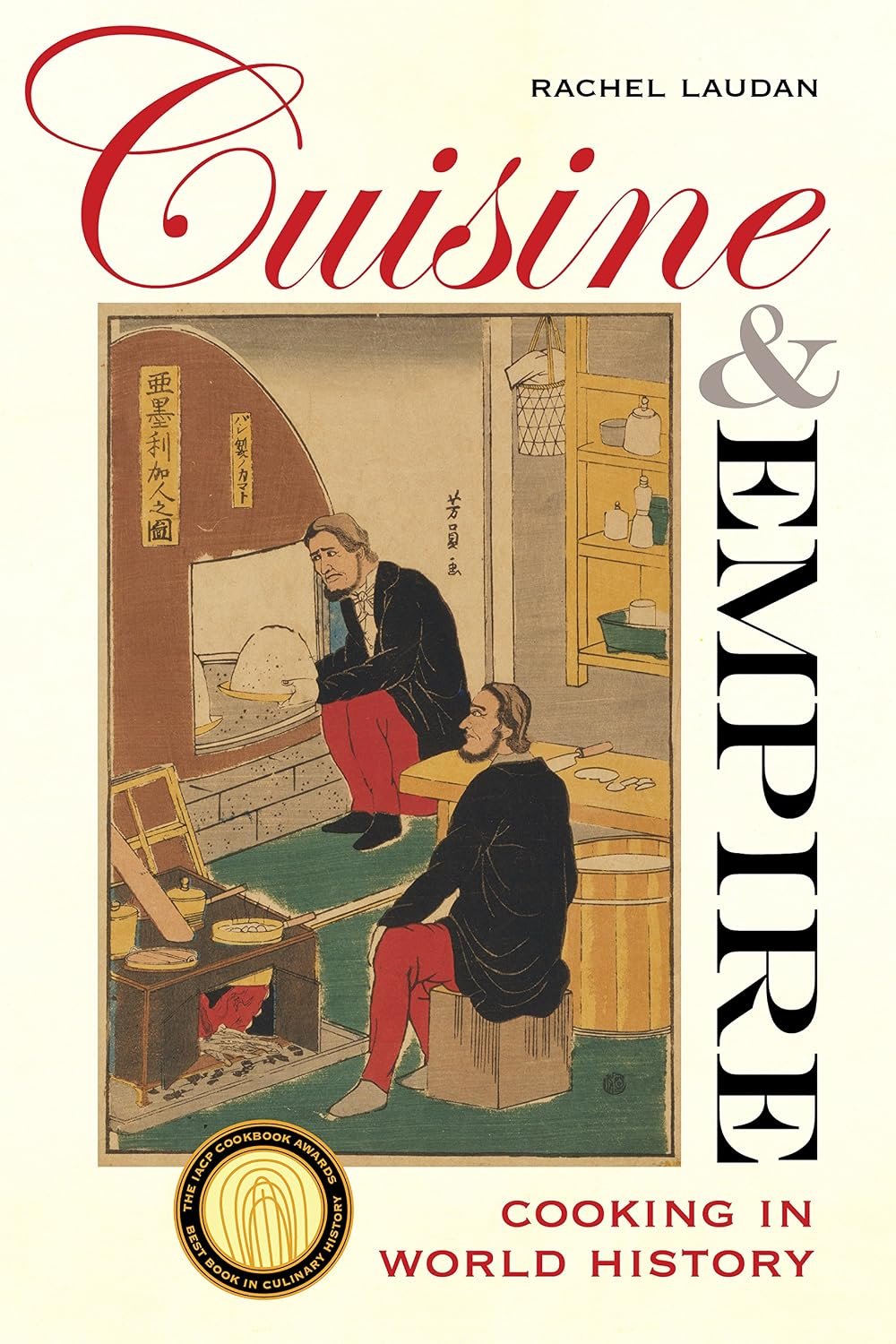
Cuisine and Empire, by Rachel Laudan
A lively examination of cooking as one of the first transformative technologies and cuisine as a carrier of empire. Culinary techniques have served armies and disseminated culture across the world.
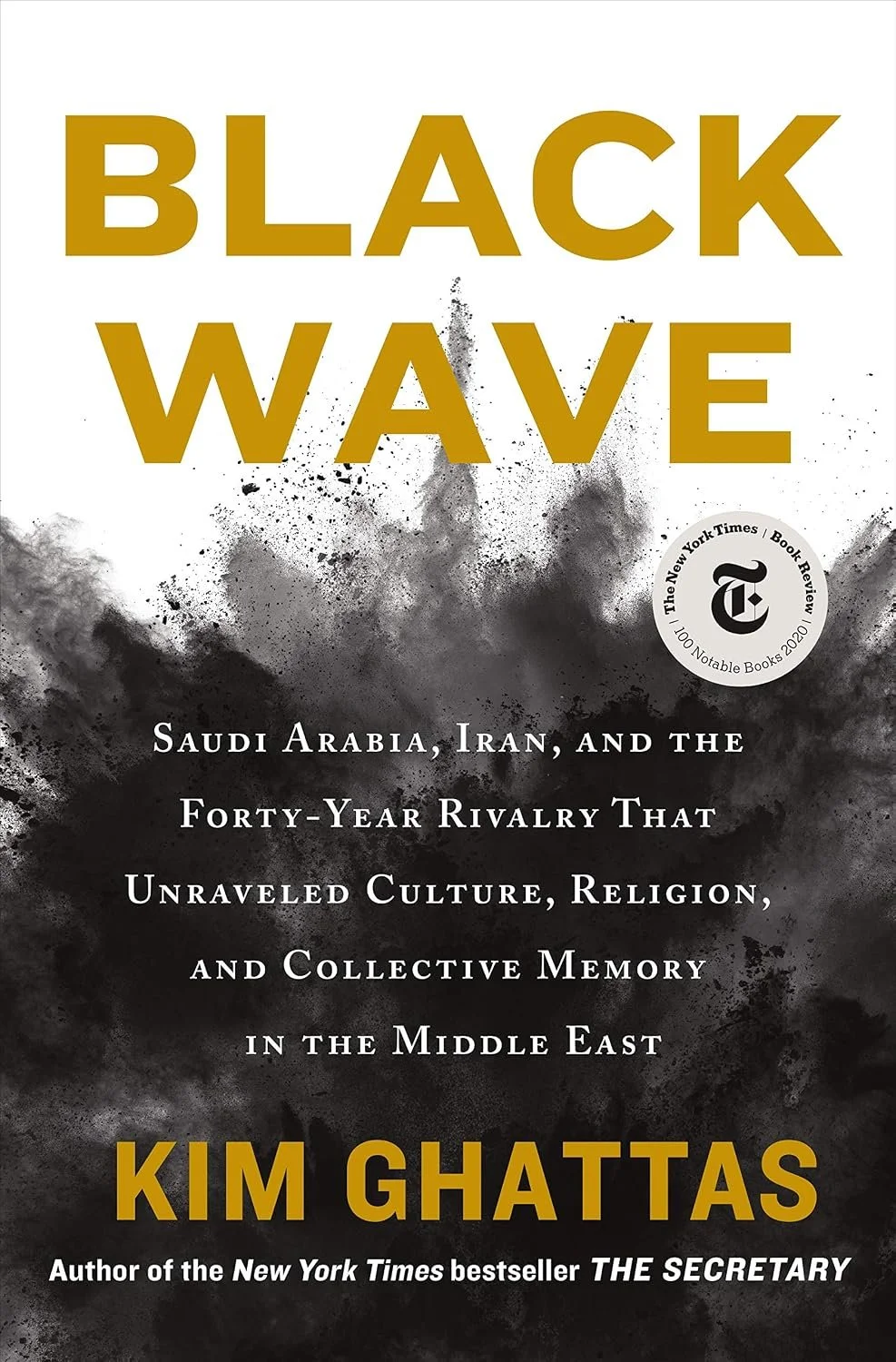
Black Wave, by Kim Ghattas
Examines how the Saudi-Iranian rivalry after the Iranian Revolution shaped the region and the wider world. It treats the peoples and actors of the region as agents rather than pawns in a geopolitical chess game.
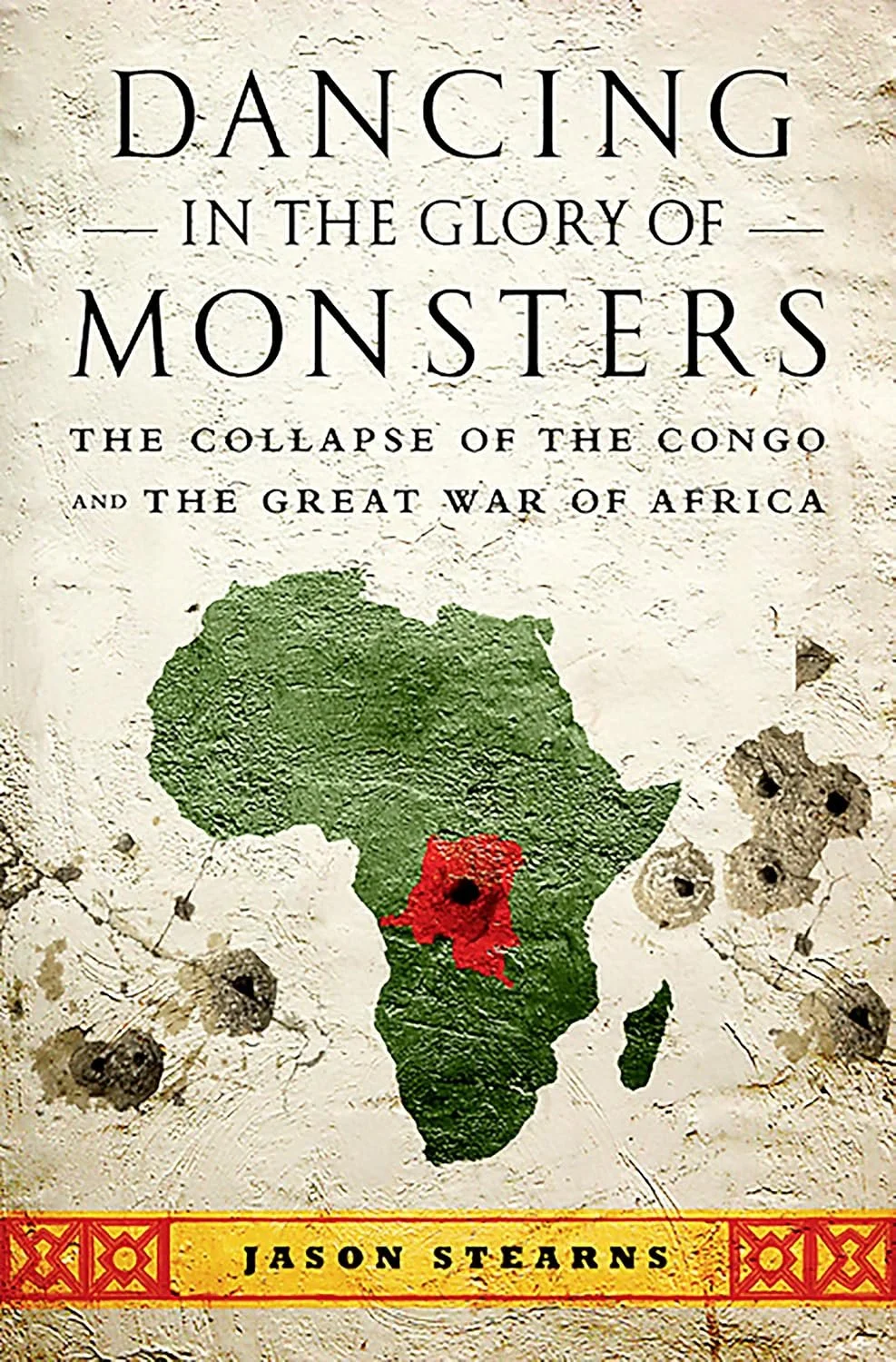
Dancing in the Glory of Monsters, by Jason Stearns
Examines the Congo War, a conflict on such a scale that it is sometimes called Africa’s World War. Rarely covered, it can also be understood as a resource war in which conflict minerals played a critical role.
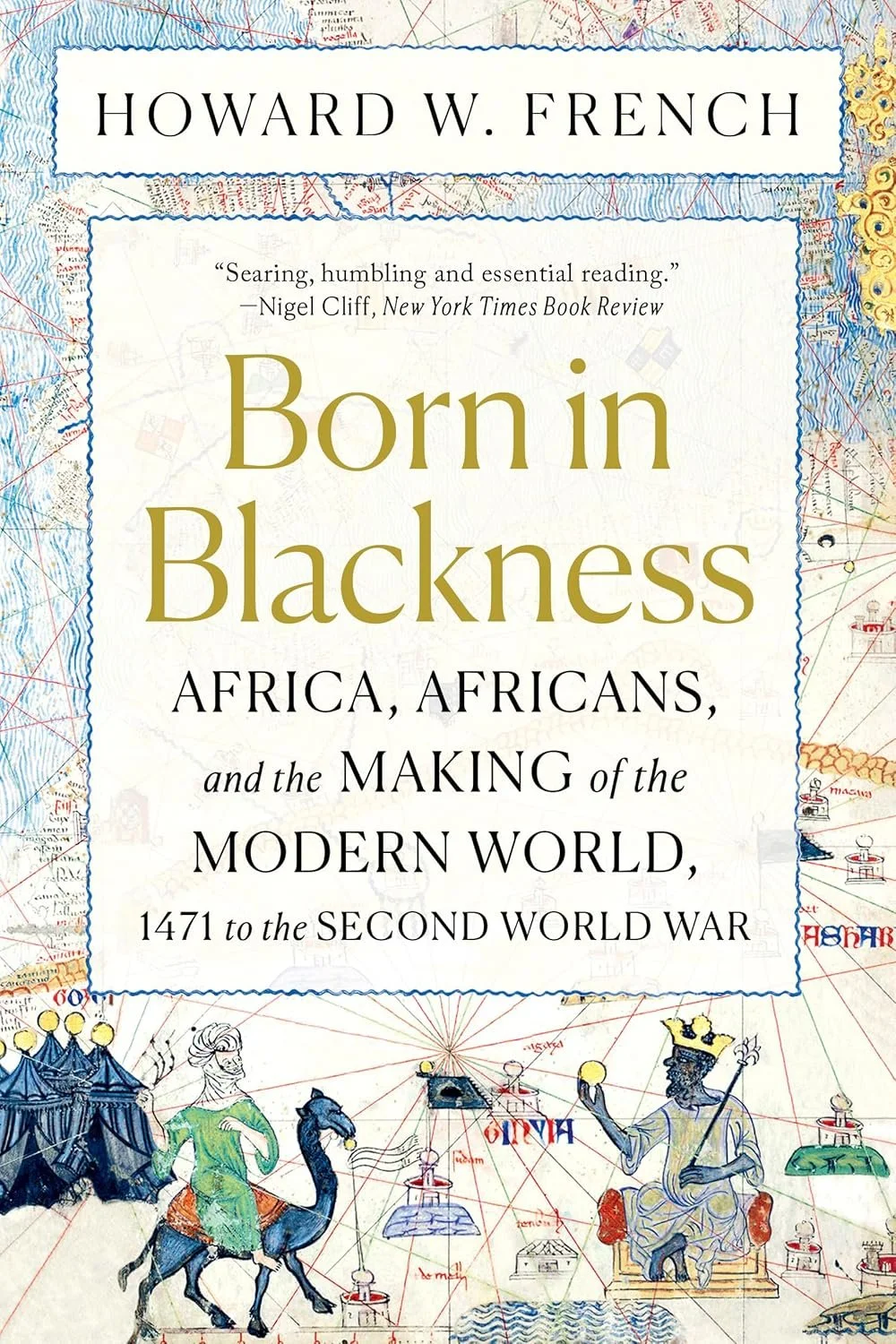
Born in Blackness, Howard W. French
A sweeping analysis of six centuries in which Africa played a crucial part in creating the modern world. It recovers the rise and fall of powerful empires that are studied too little in the West.
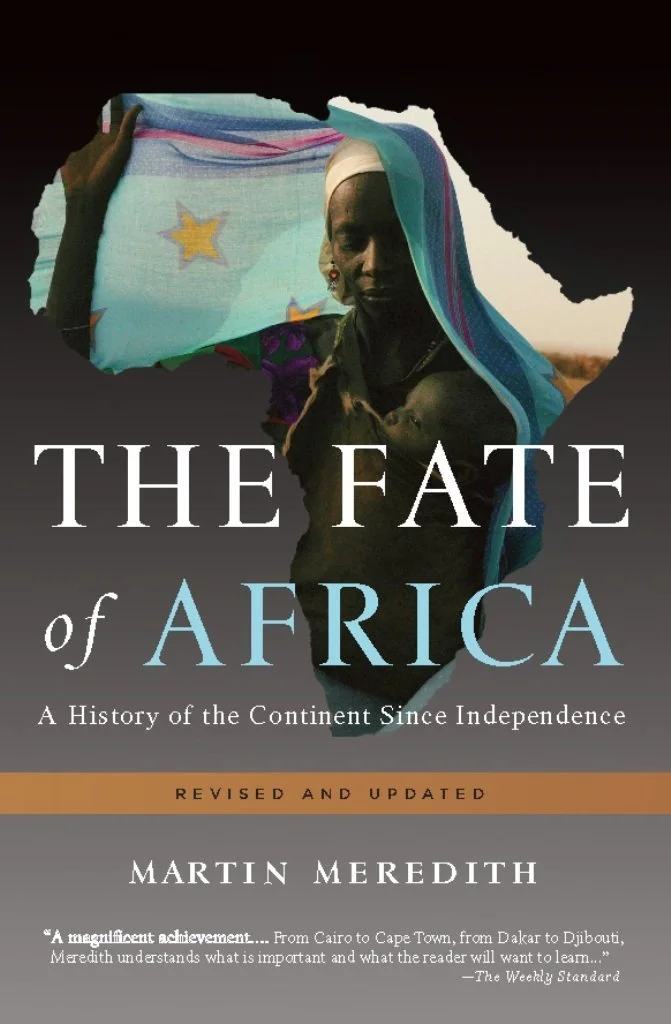
The Fate of Africa, by Martin Meredith
Covers six decades of post-independence Africa and shows how decolonisation took many different forms. Each colonial power left a different legacy and scar that had to be overcome.
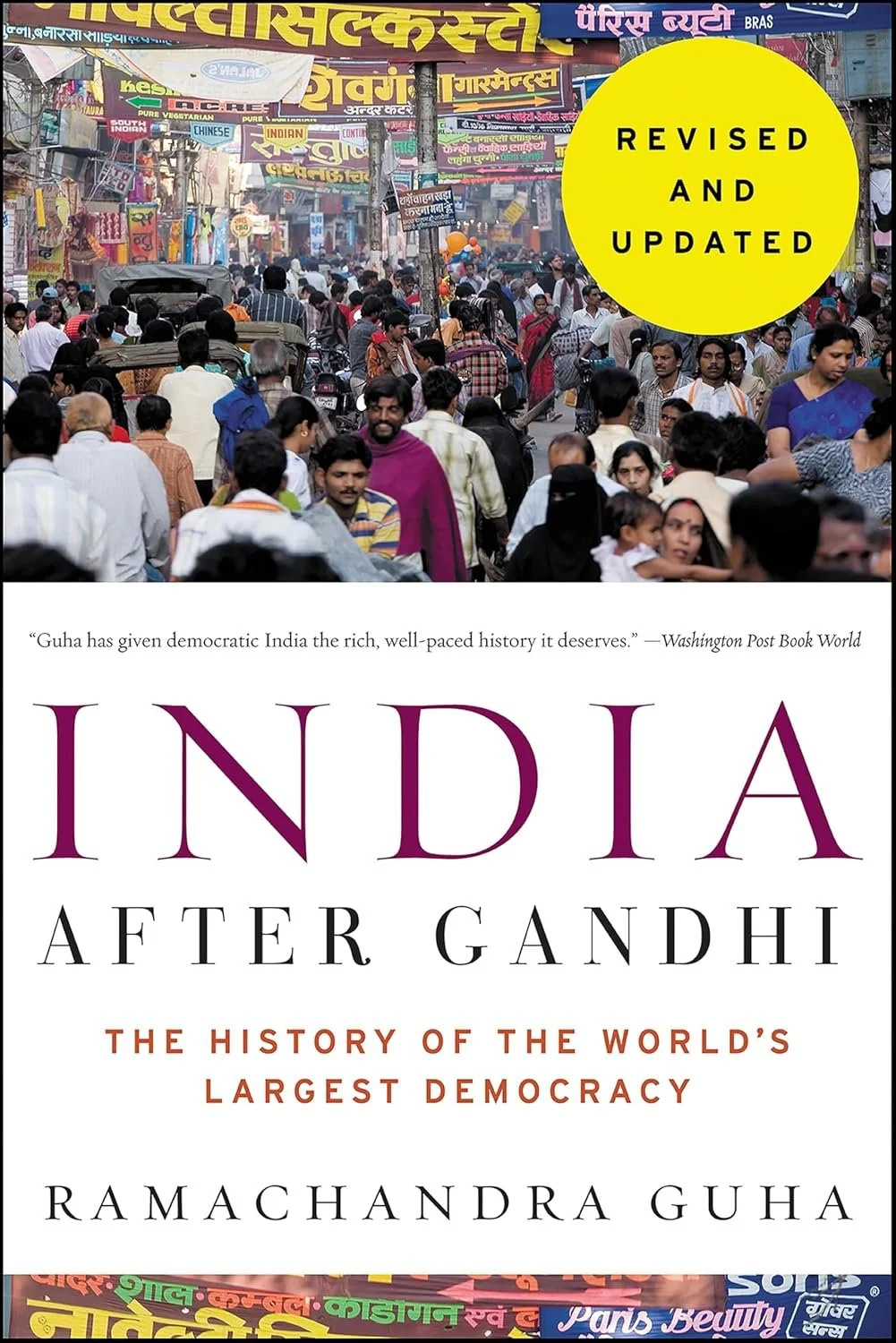
India After Gandhi, Ramachandra Guha
An in-depth history of India’s first steps into democracy. It navigates the legacy of colonialism, geopolitical pressures, and internal cleavages, and shows that India has long charted its own path in the world.
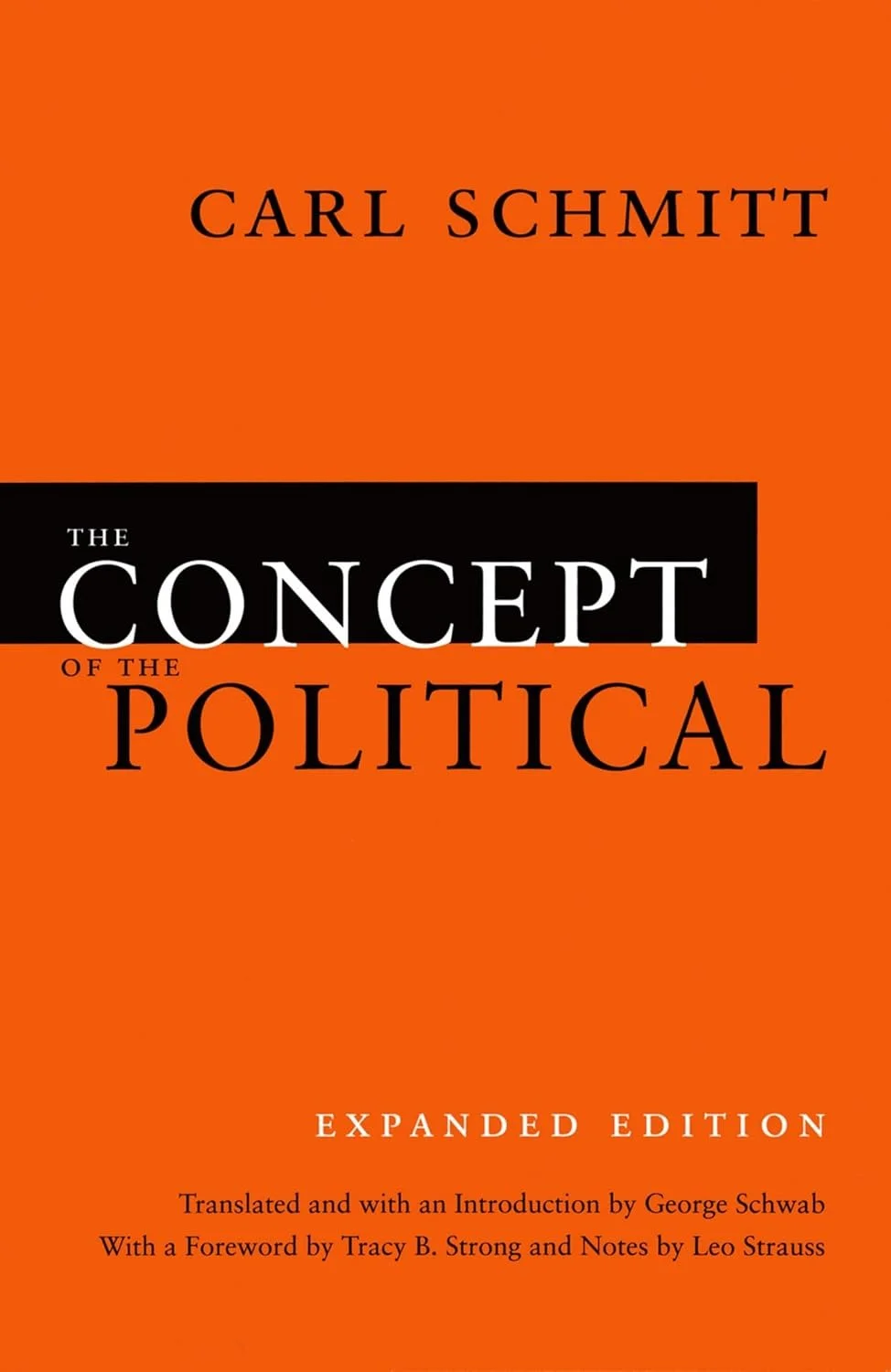
The Concept of the Political, by Carl Schmitt
Written by the chief legal theorist of the Nazi regime and frequently cited in Silicon Valley, it operationalises the friend-enemy distinction as the fundamental axis of politics.
Why Liberalism Failed, by Patrick J. Deneen
A conservative critique of liberalism’s failures that argues for a return to older values of community, religion, and tradition.