Crash Course World History, Presented by John Green
A light hearted but very comprehensive series on world history.
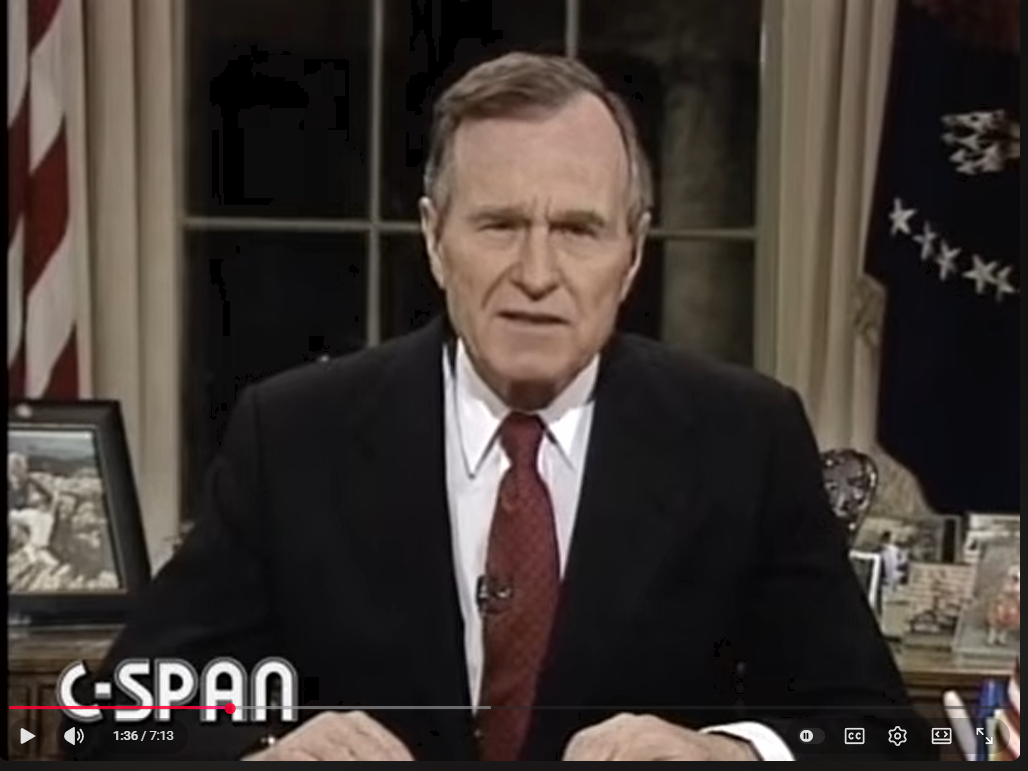
Bush Sr. 1991 Address to the Nation on the Collapse of the USSR
This is the speech described in Chapter 1 that laid out America’s role in the world during the post Cold-War order.

The Dutch Machine the World is Fighting Over, by NOS op 3
Why the world suddenly has started fighting over Dutch EUV machines.
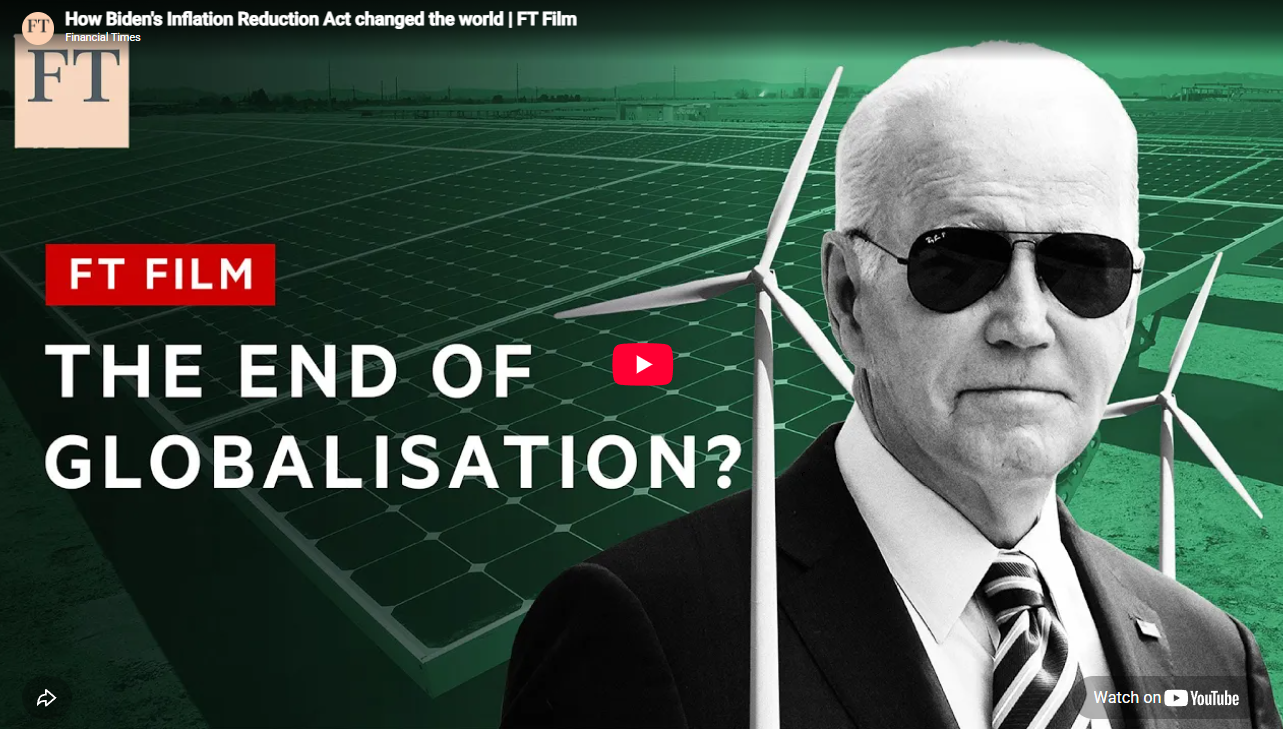
How The Inflation Reduction Act Changed the World, by the Financial Times
What policies do governments use to drive technological innovation, and how do non-state actors like Big Tech operate in a geopolitical paradigm that is state driven?
Hard Fork Podcast, the New York Times
Probably the best way to stay up-to-date on the latest twists and turns in the AI landscape without having to read!
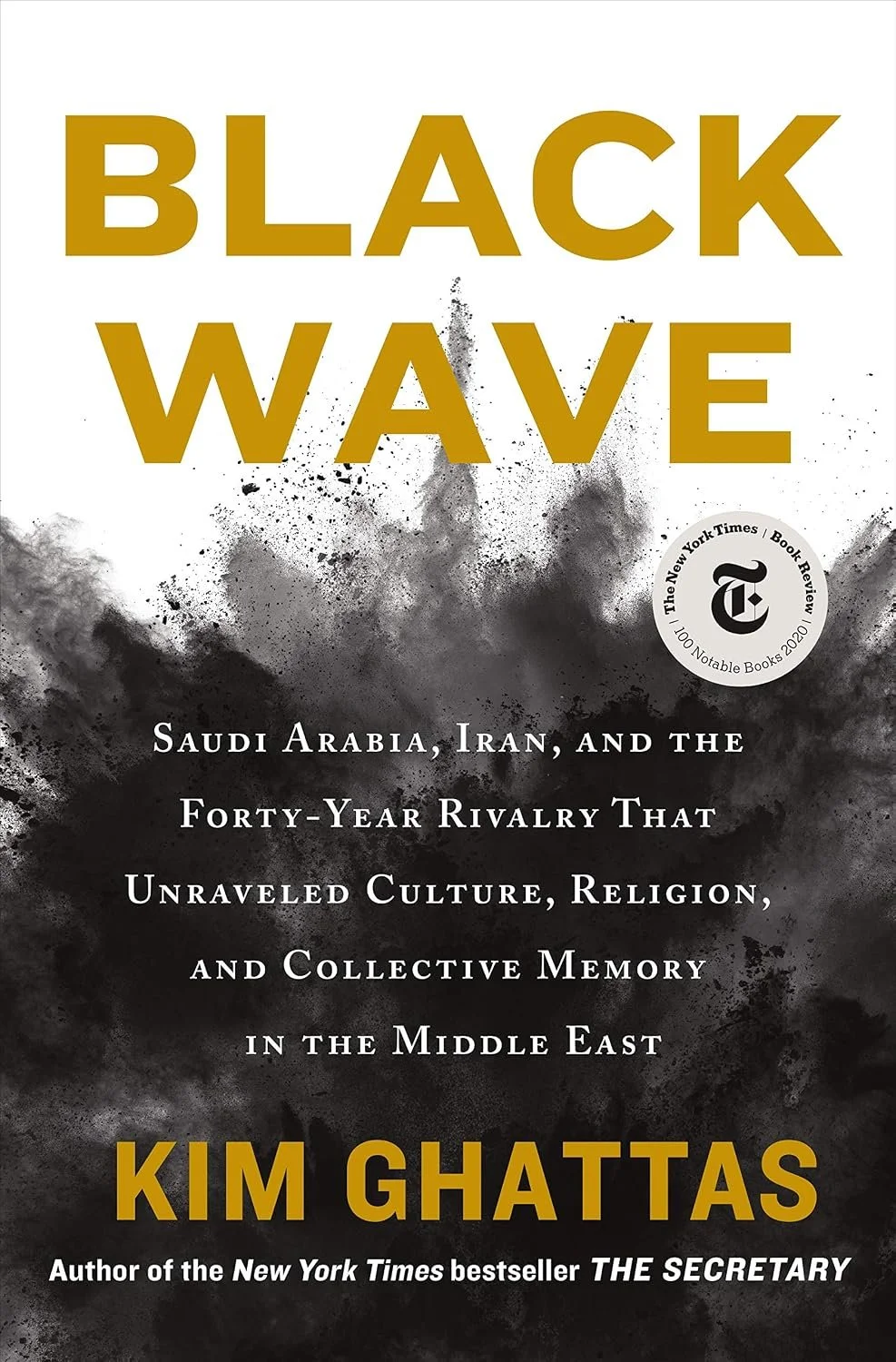
Black Wave, by Kim Ghattas
Examines how the Saudi-Iranian rivalry after the Iranian Revolution shaped the region and the wider world. It treats the peoples and actors of the region as agents rather than pawns in a geopolitical chess game.
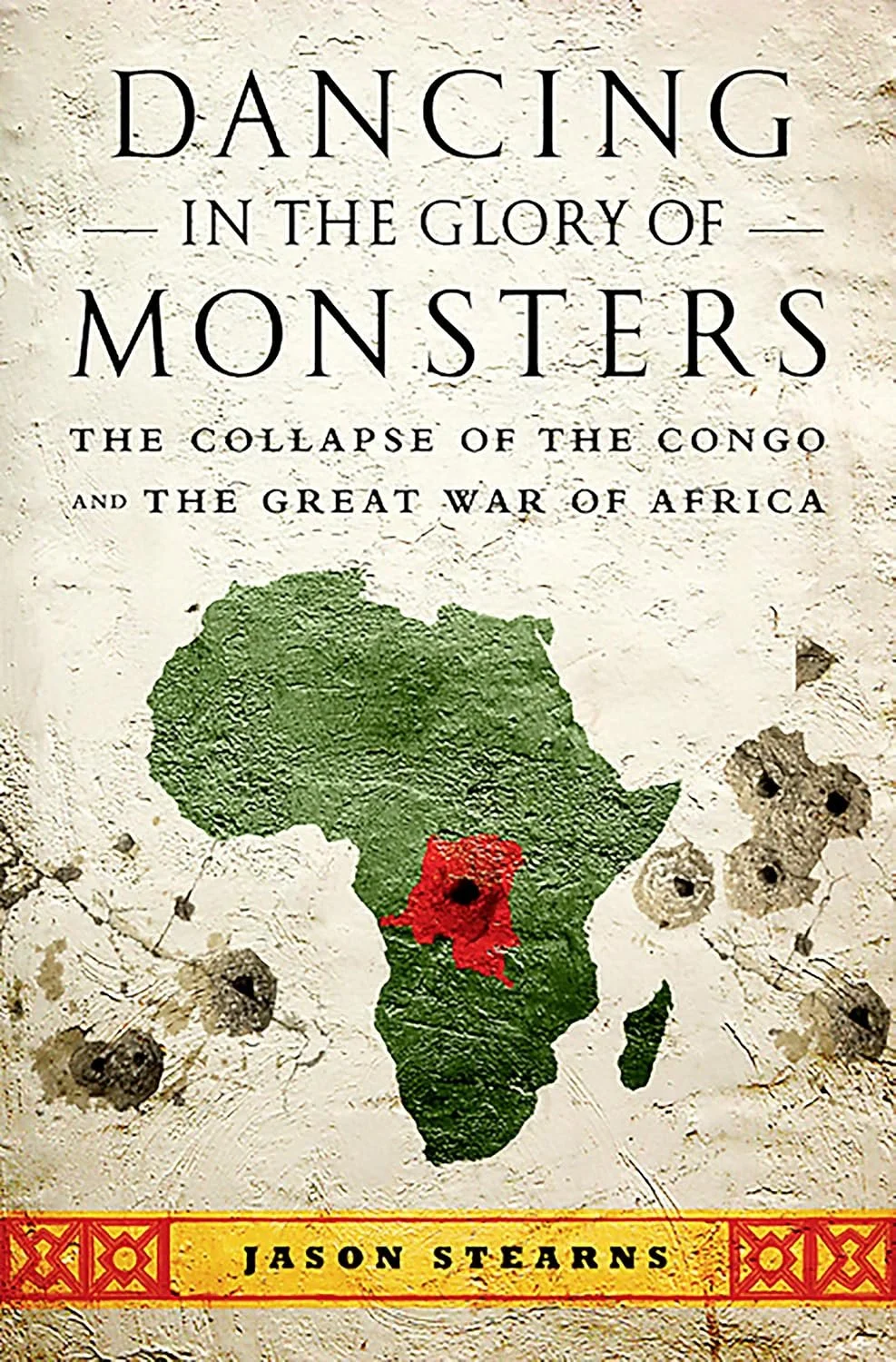
Dancing in the Glory of Monsters, by Jason Stearns
Examines the Congo War, a conflict on such a scale that it is sometimes called Africa’s World War. Rarely covered, it can also be understood as a resource war in which conflict minerals played a critical role.
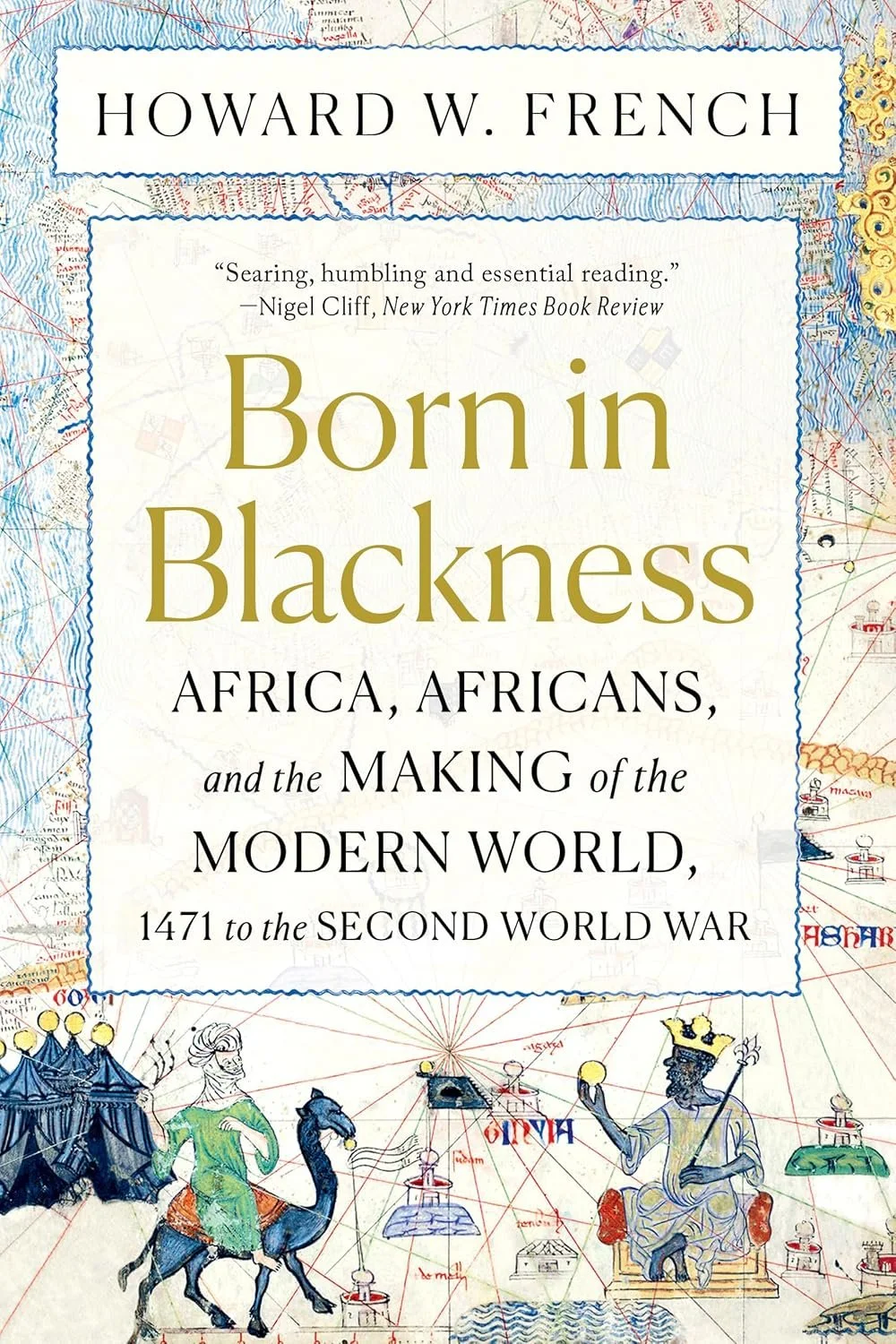
Born in Blackness, Howard W. French
A sweeping analysis of six centuries in which Africa played a crucial part in creating the modern world. It recovers the rise and fall of powerful empires that are studied too little in the West.
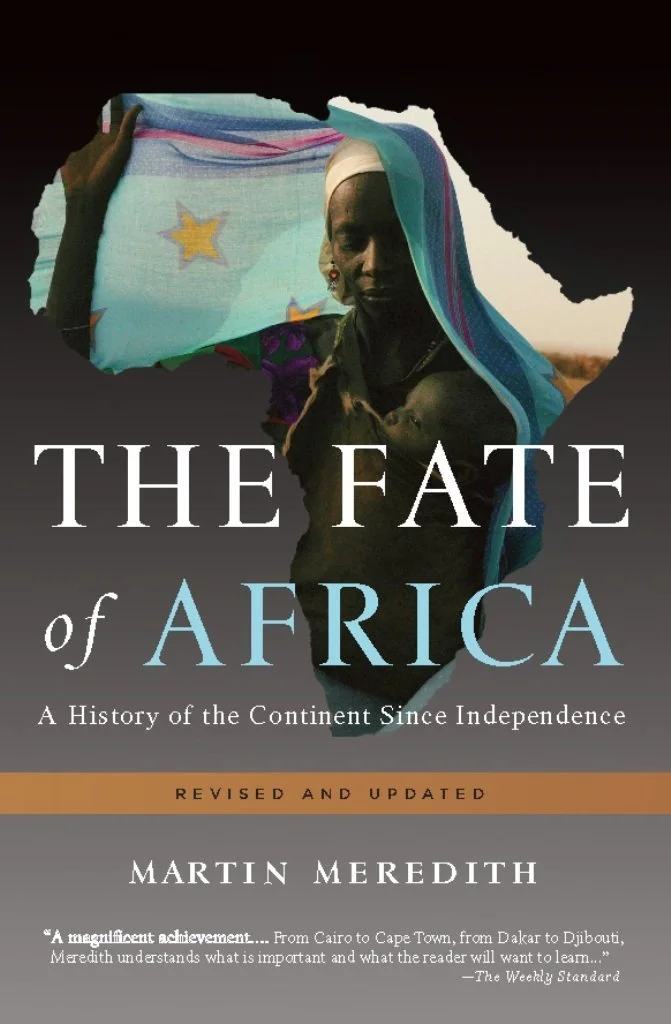
The Fate of Africa, by Martin Meredith
Covers six decades of post-independence Africa and shows how decolonisation took many different forms. Each colonial power left a different legacy and scar that had to be overcome.
India After Gandhi, Ramachandra Guha
An in-depth history of India’s first steps into democracy. It navigates the legacy of colonialism, geopolitical pressures, and internal cleavages, and shows that India has long charted its own path in the world.
The Long Game, by Rush Doshi
Presents the perspective of a China hawk who sees China as a direct threat to the American order.
The China Model, by Daniel A. Bell
The strongest good-faith case for Chinese political meritocracy on its own terms.
World Order, by Henry Kissinger
The order-builder’s own account of how the postwar equilibrium is coming apart and the grammar of the multipolar order in which any partnership of equals would have to operate.
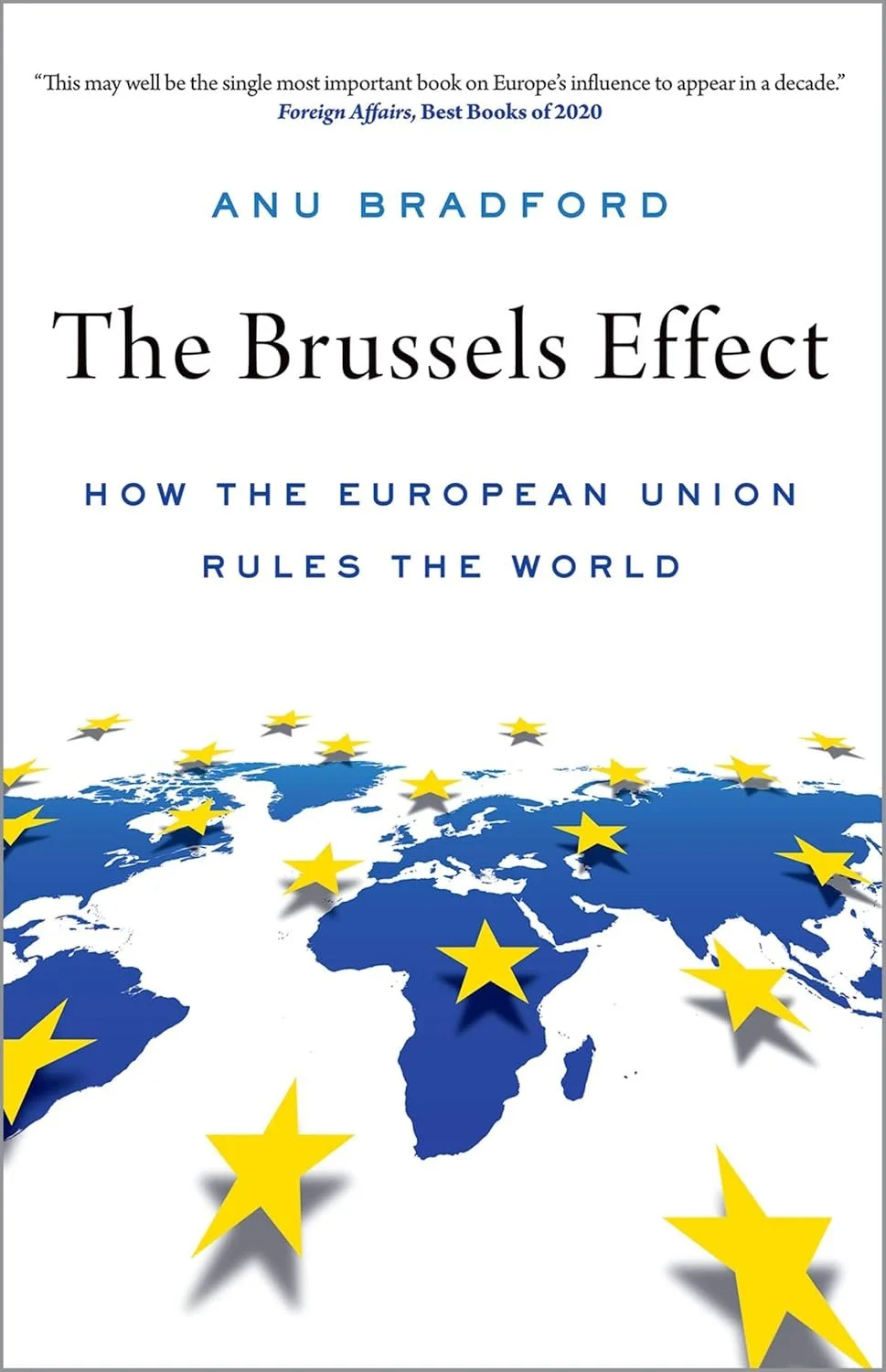
The Brussels Effect, by Anu Bradford
Documents how the European Union exports its rules through the gravity of its market, forcing companies far beyond its borders to comply. It is the clearest account of Europe’s one genuine form of technological power.
Destined for War, by Graham Allison
Argues that great-power rivalries tend to end in warfare and popularises the vocabulary of the Thucydides Trap around the supposed inevitability of conflict.
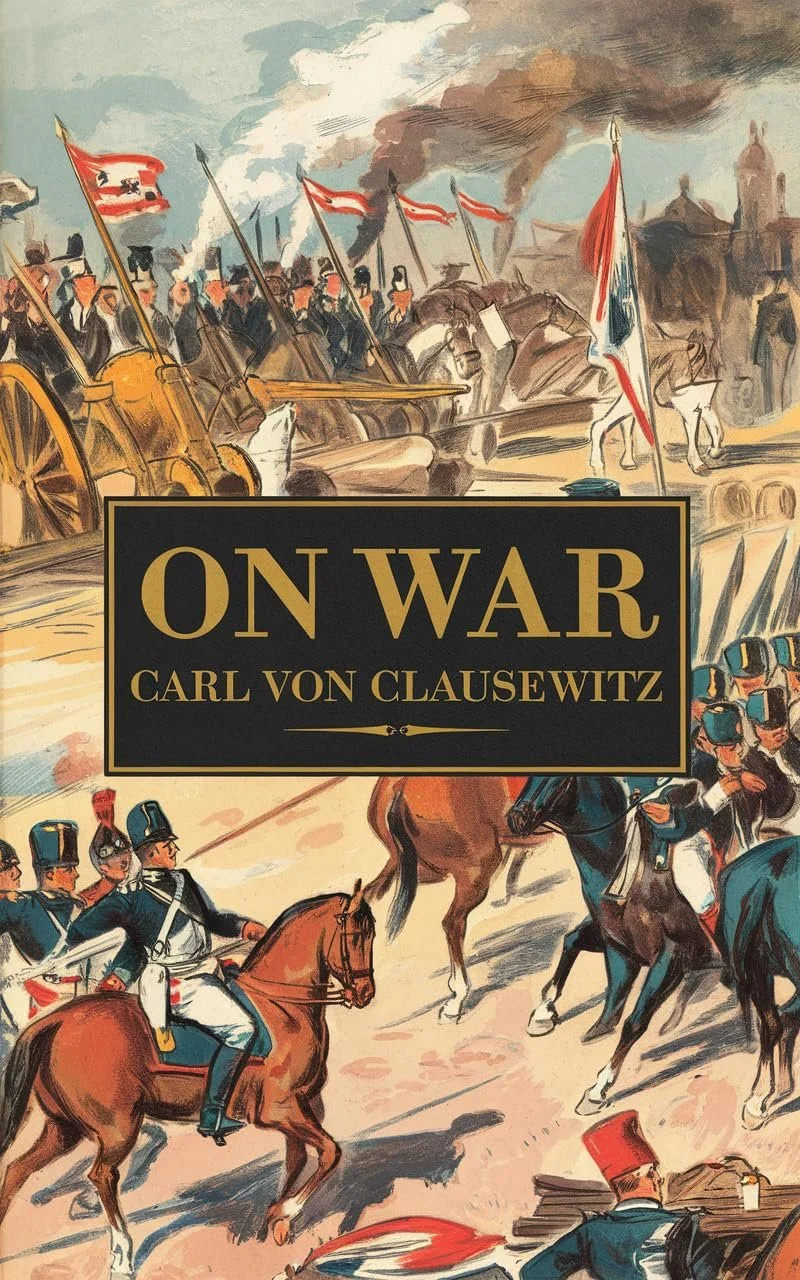
On War, by Carl von Clausewitz
A seminal text in military theory that defines the political nature of war.
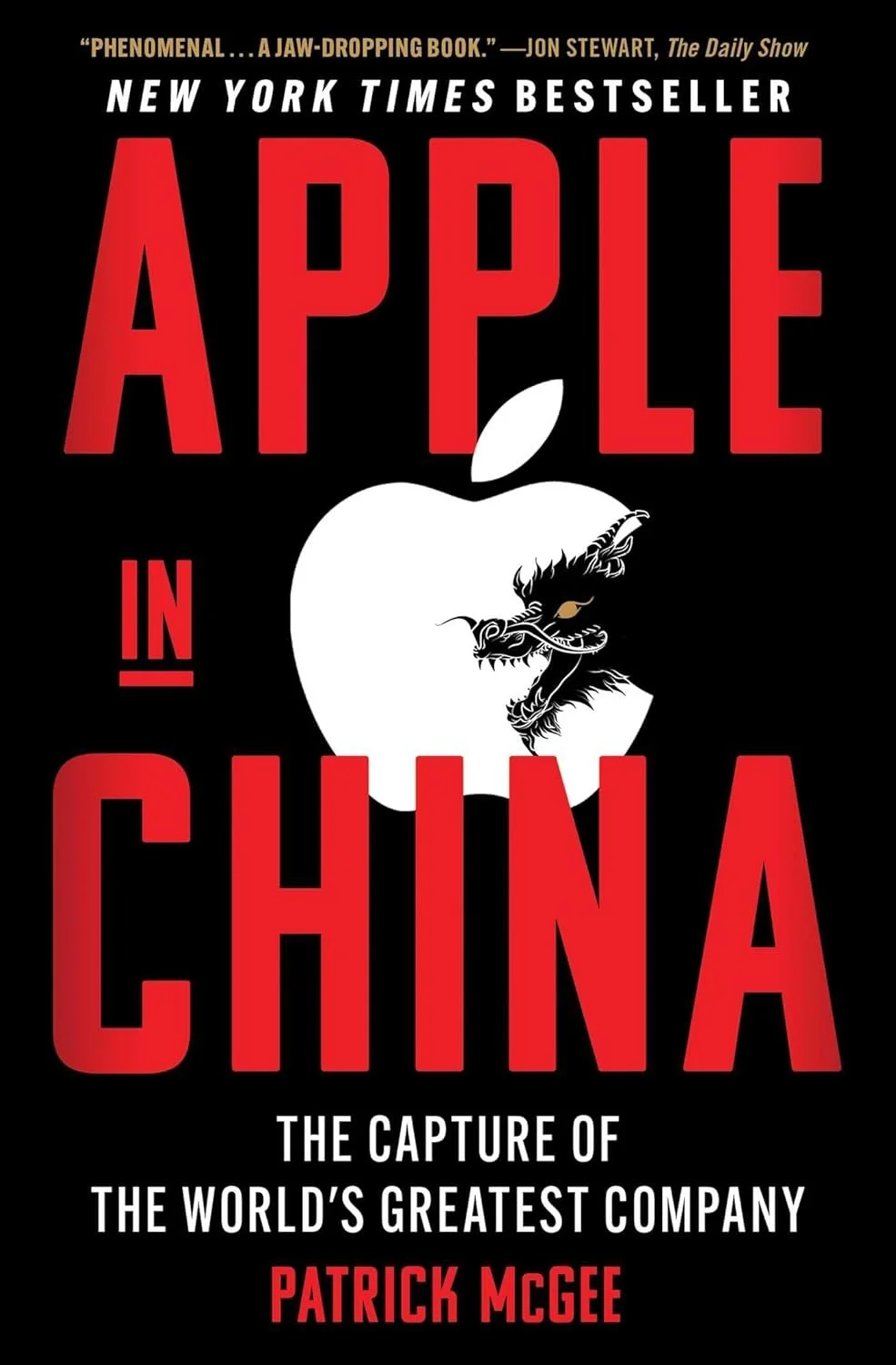
Apple in China, by Patrick McGee
An in-depth examination of China’s use of neoliberal doctrine to pull Apple’s production processes within its borders.
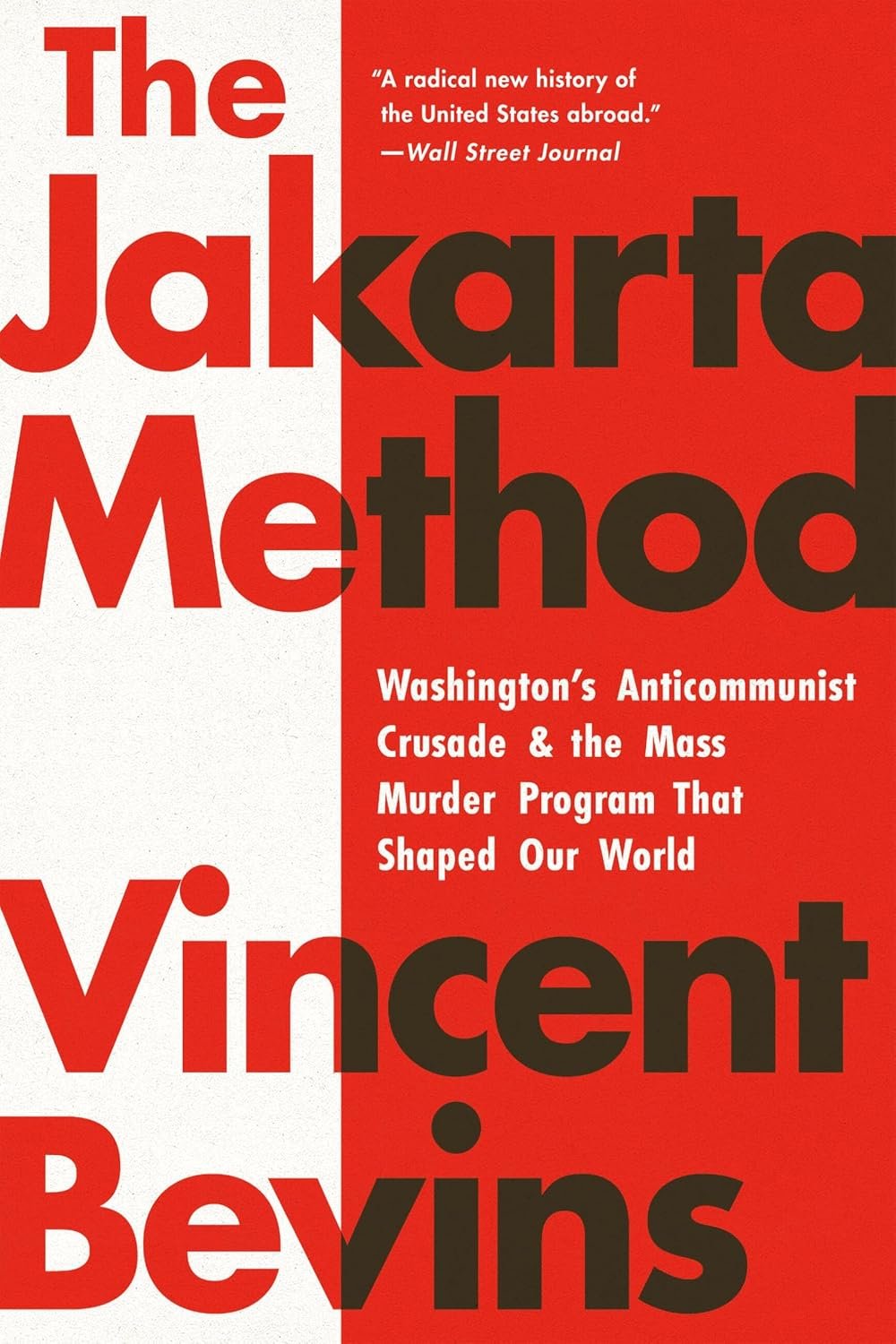
The Jakarta Method, by Vincent Bevins
Shows the catastrophic cost of a security spiral run amok and how fear of communism led the United States to support mass murder.
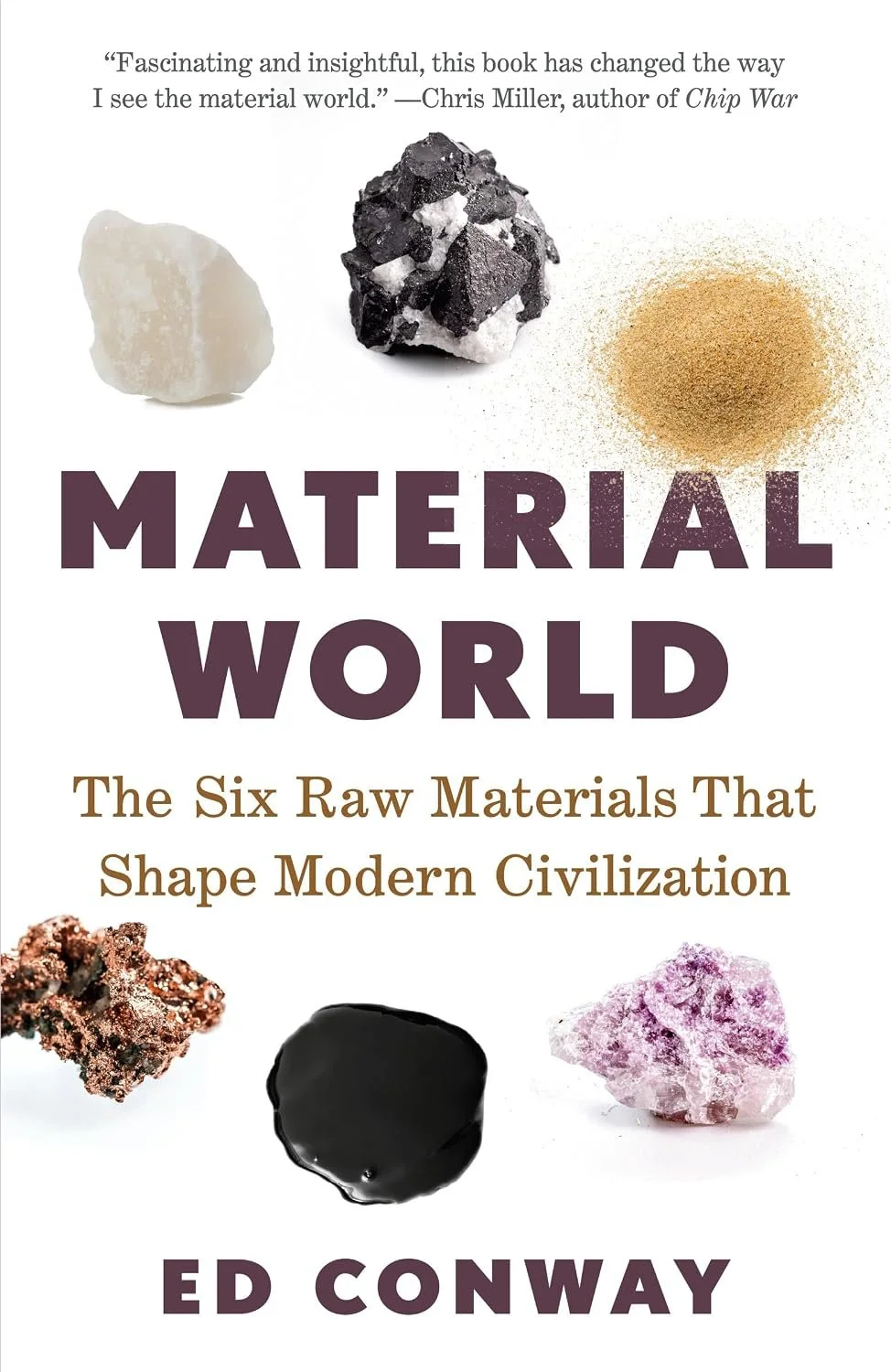
Material World, by Ed Conway
Maps the material dependencies and chokepoints underlying the global economy and shows how a small amount of pressure, applied precisely, can cripple an entire supply chain.
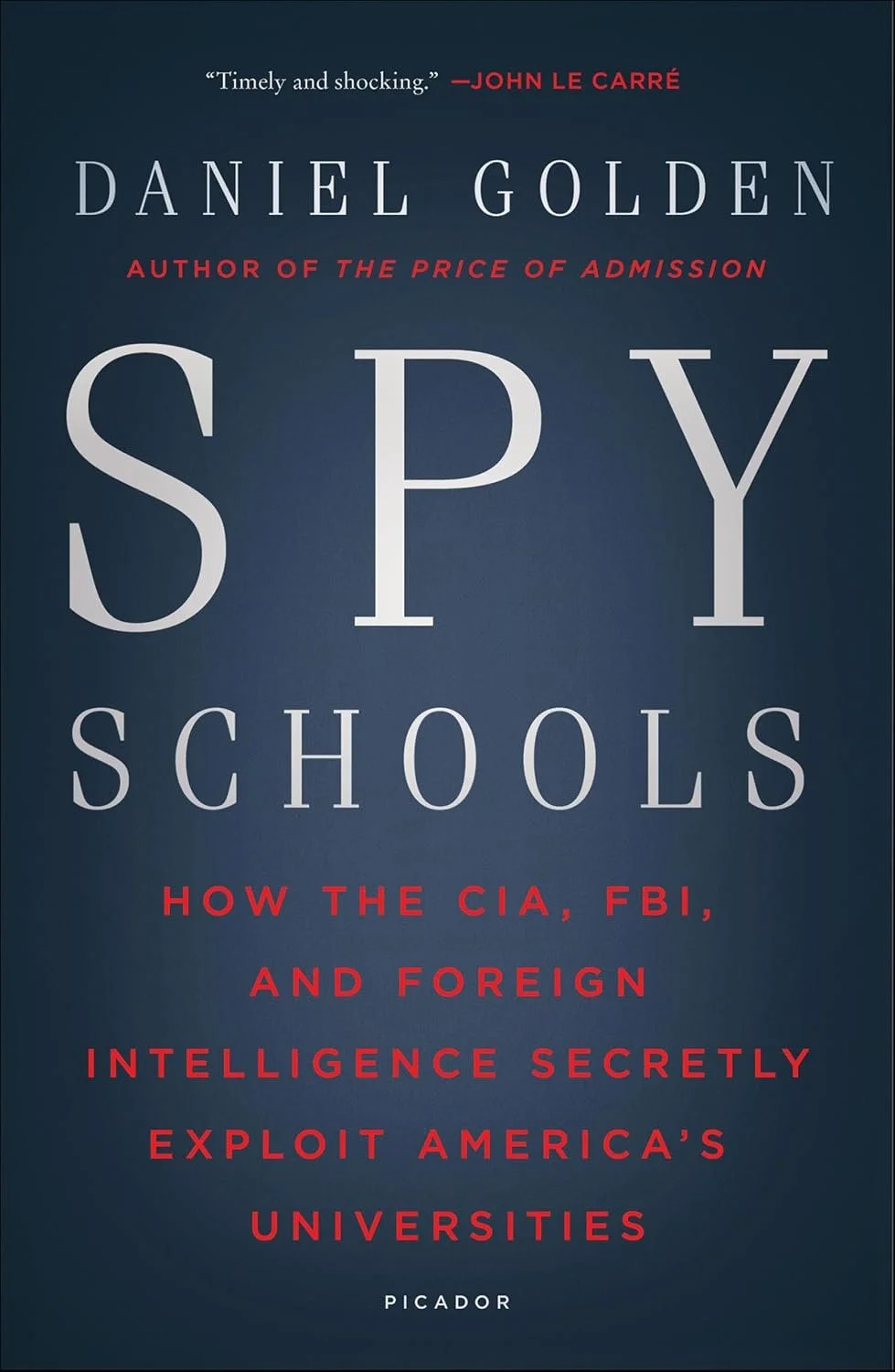
Spy Schools, by Daniel Golden
Covers the early securitization of the American academic sector after Chinese spies abused research access. It laid the groundwork for later efforts to ban students from the Seven Sons universities.