Revolutions Podcast, by Mike Duncan
Over 200 hours of wide-ranging and extensively researched narrative history. It gives a blow-by-blow account of the messy process of revolution, including the English, French, Haitian, Mexican, and Russian Revolutions.

The Dutch Machine the World is Fighting Over, by NOS op 3
Why the world suddenly has started fighting over Dutch EUV machines.
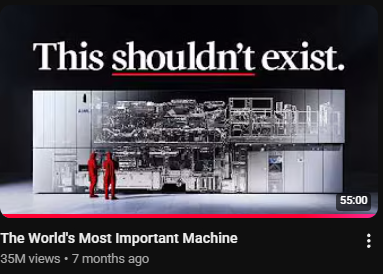
The World’s Most Important Machine, by Veritasium
A great entry point to try and wrap your head around the unbelievably complex machinery behind the EUV machines.

Bubbles, Golden Ages, and Tech Revolutions, Carlota Perez on the Exponential View Podcast
Is there a repeating cycle for technological innovation, and how does it impact the political economy? Are there historical analogies for modern Big Tech?
The History of Light, by NPR’s Planet Money
It’s easy take light for granted. But having regular and reliable access to safe (and non smelly) sources of light has fundamentally altered society
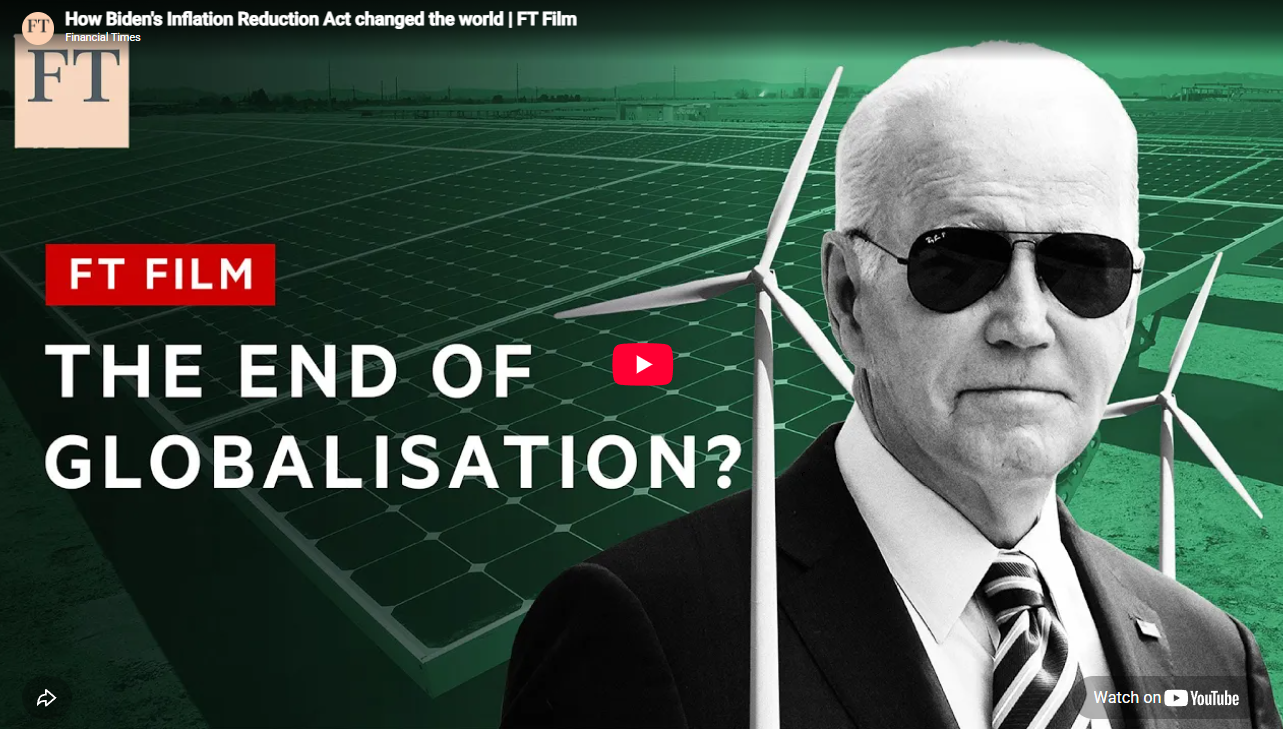
How The Inflation Reduction Act Changed the World, by the Financial Times
What policies do governments use to drive technological innovation, and how do non-state actors like Big Tech operate in a geopolitical paradigm that is state driven?
Dancing in the Glory of Monsters, by Jason Stearns
Examines the Congo War, a conflict on such a scale that it is sometimes called Africa’s World War. Rarely covered, it can also be understood as a resource war in which conflict minerals played a critical role.
Accessory to War, by Neil de Grasse Tyson & Avis Lang
Explores the long marriage between the military and the frontier sciences.
The Kill Chain, by Christian Brose
Examines how the future of warfare will be driven by technological integration.
Apple in China, by Patrick McGee
An in-depth examination of China’s use of neoliberal doctrine to pull Apple’s production processes within its borders.
The Entrepreneurial State, by Mariana Mazzucato
Debunks the myth that only corporations can innovate effectively and demonstrates the enormous role that public-sector research and development played in creating today’s Big Tech firms.
How Asia Works, by Joe Studwell
Examines the successful industrial policy of the Asian Tigers: domestic educational and agricultural programmes, followed by national industrial champions, and finally financial liberalisation.
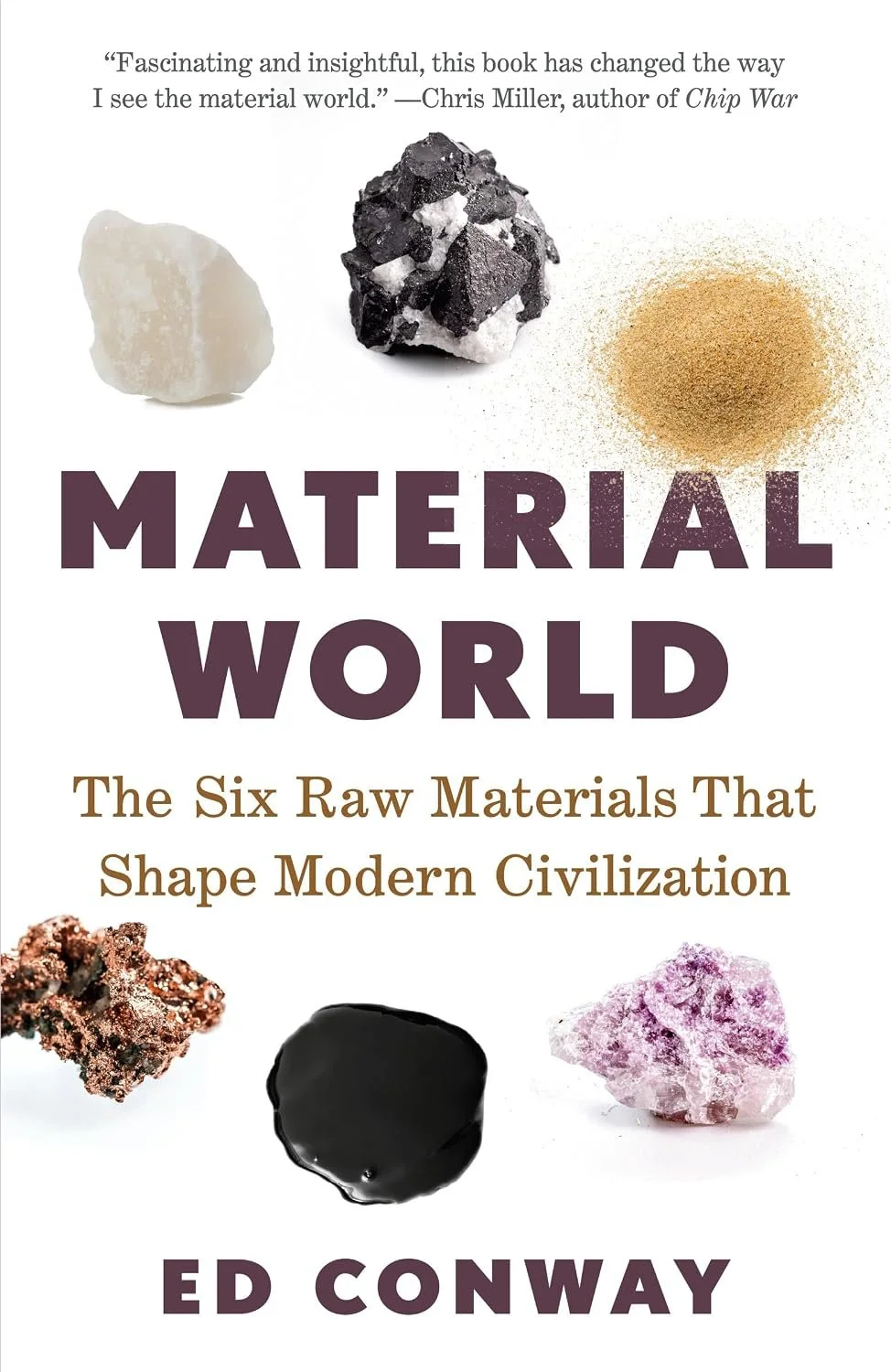
Material World, by Ed Conway
Maps the material dependencies and chokepoints underlying the global economy and shows how a small amount of pressure, applied precisely, can cripple an entire supply chain.
Chokepoints, by Edward Fishman
Documents the United States’ transition from free-trade orthodoxy towards weaponised interdependence as a tool of geopolitical pressure.
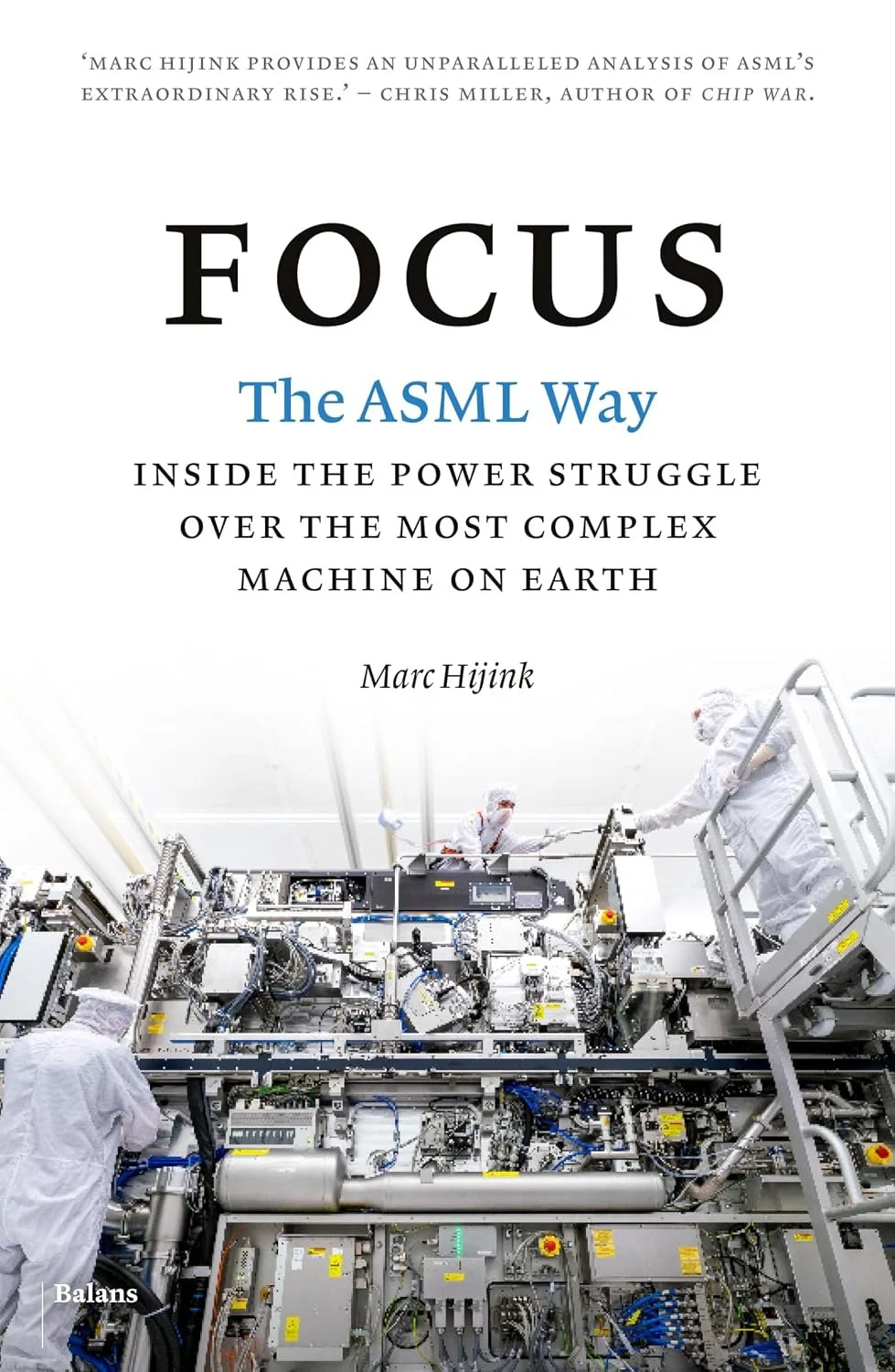
Focus: The ASML Way, by Marc Hijink
Focuses on the company that has probably been most exposed to the return of geopolitics: the Netherlands-based company ASML.
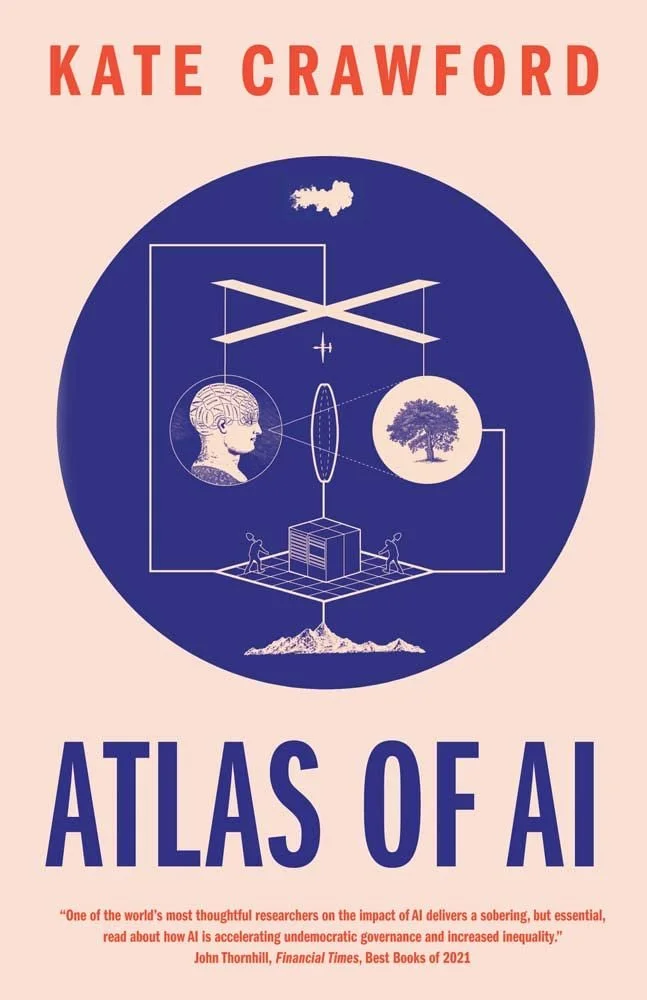
Atlas of AI, by Kate Crawford
Reframes AI as an extractive industry that mines people, labour, and water while increasing carbon emissions. Those costs are not shared equally.
Empire of AI, by Karen Hao
Lifts the curtain on how the inner workings of OpenAI have led to an AI arms race. It highlights the enormous environmental, human, and data requirements of training AI.
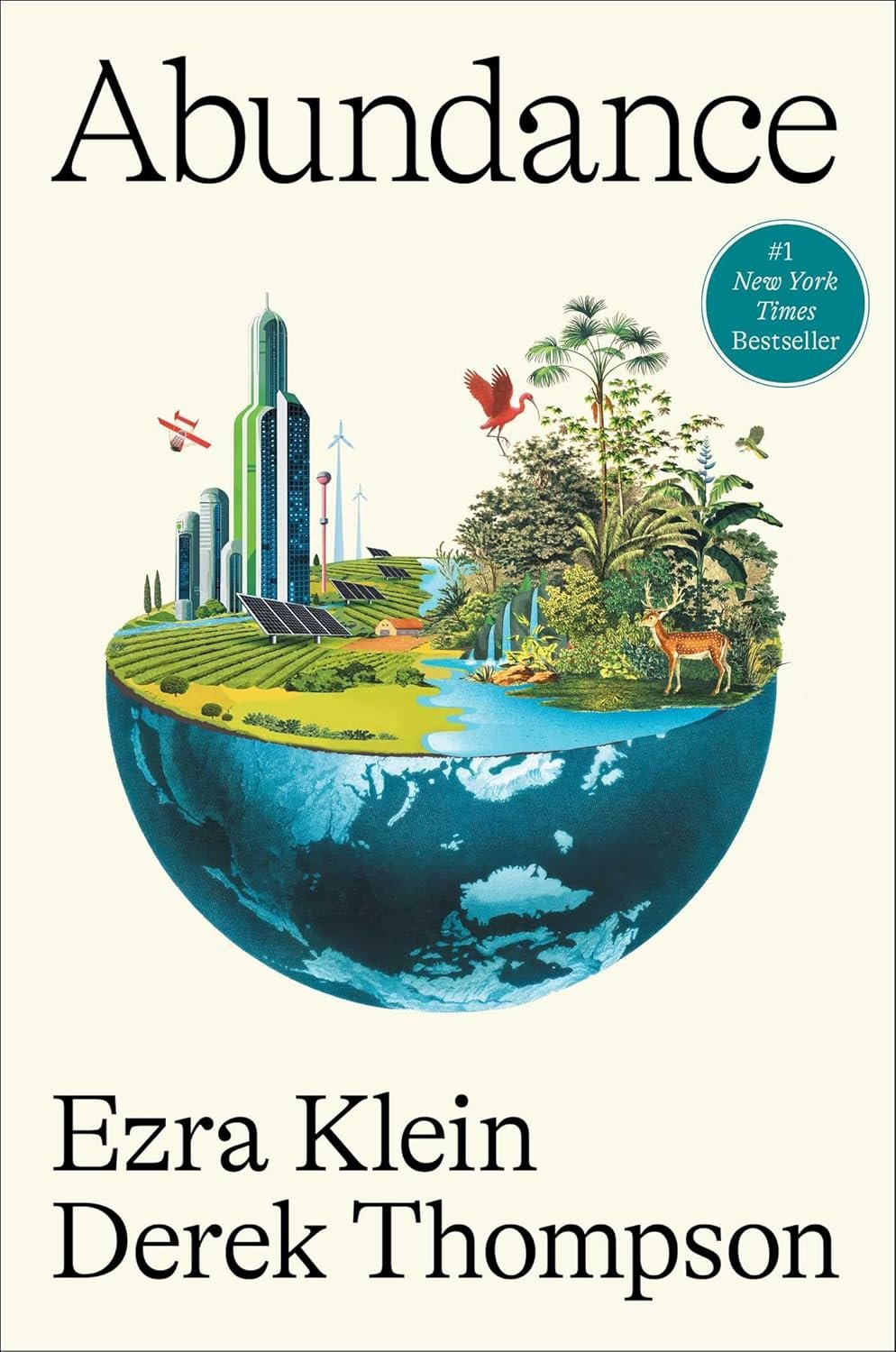
Abundance, by Ezra Klein and Derek Thompson
Diagnoses the failure of liberal institutions to keep building and highlights the tension between progressives’ dismissal of economic growth and conservatives’ dislike of government intervention.
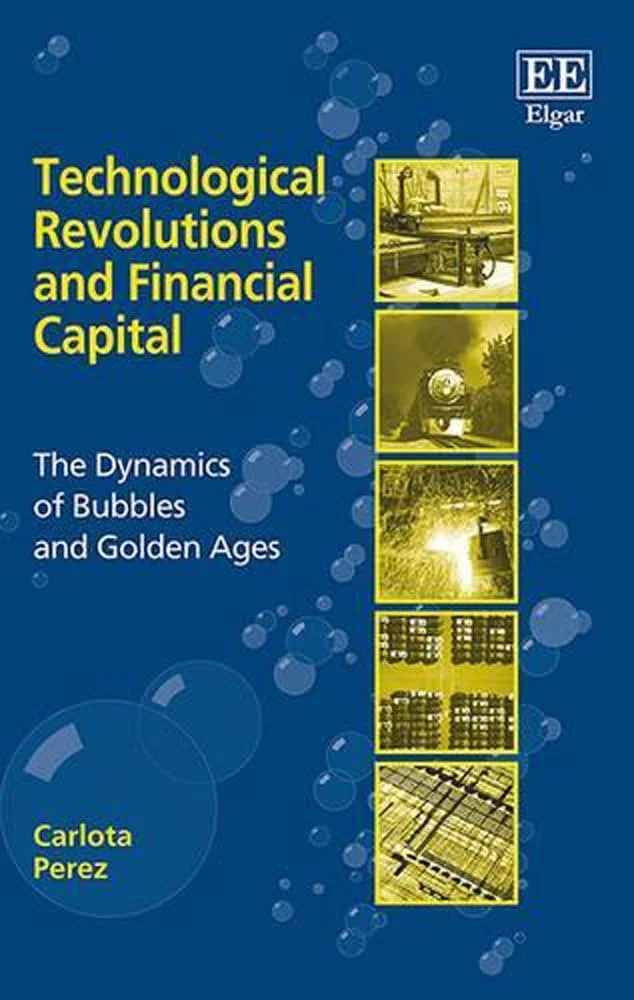
Technological Revolutions and Financial Capital, by Carlota Perez
Presents the techno-economic “surge” model: why each general-purpose technology arrives with a lag between installation and absorption.
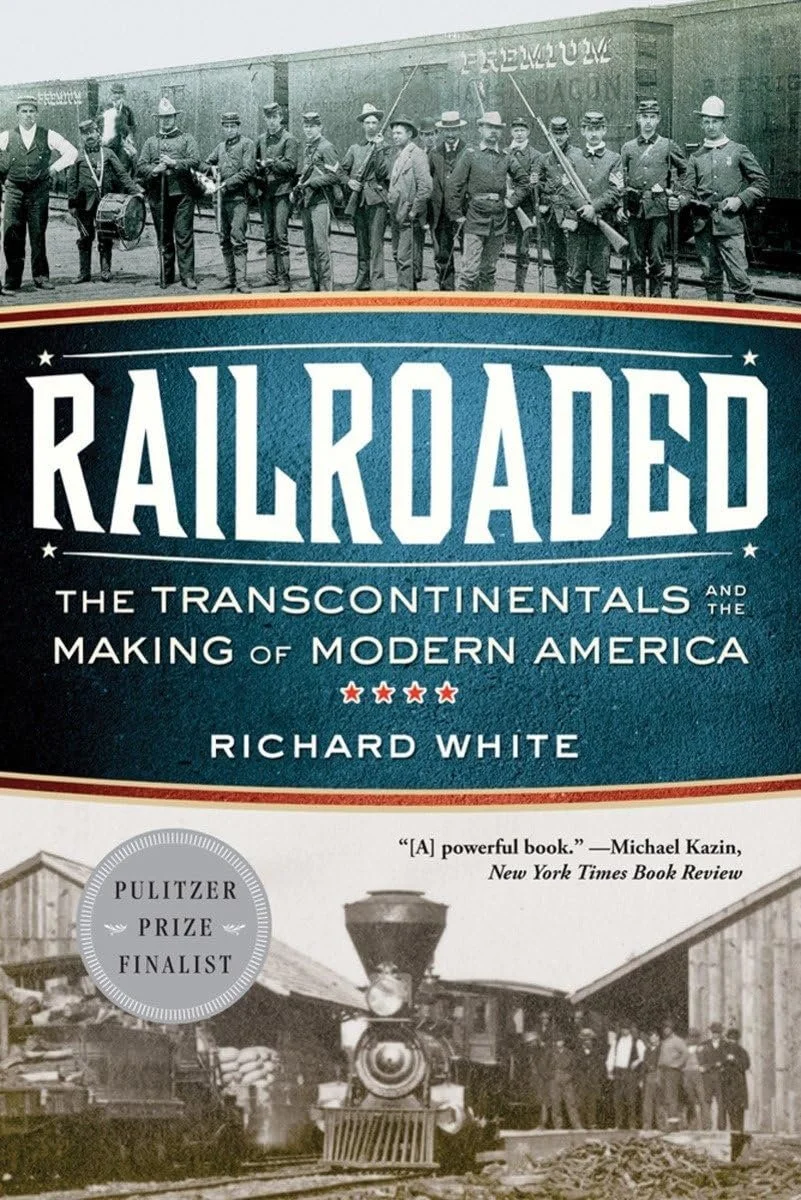
Railroaded, by Richard white
The development of the Transcontinental Railroad during the nineteenth century was one of the largest technological infrastructure projects in human history. It remade the continent, created new monopolies, captured government and institutions, and carries deep echoes with contemporary Big Tech.