Crash Course World History, Presented by John Green
A light hearted but very comprehensive series on world history.

The Dutch Machine the World is Fighting Over, by NOS op 3
Why the world suddenly has started fighting over Dutch EUV machines.
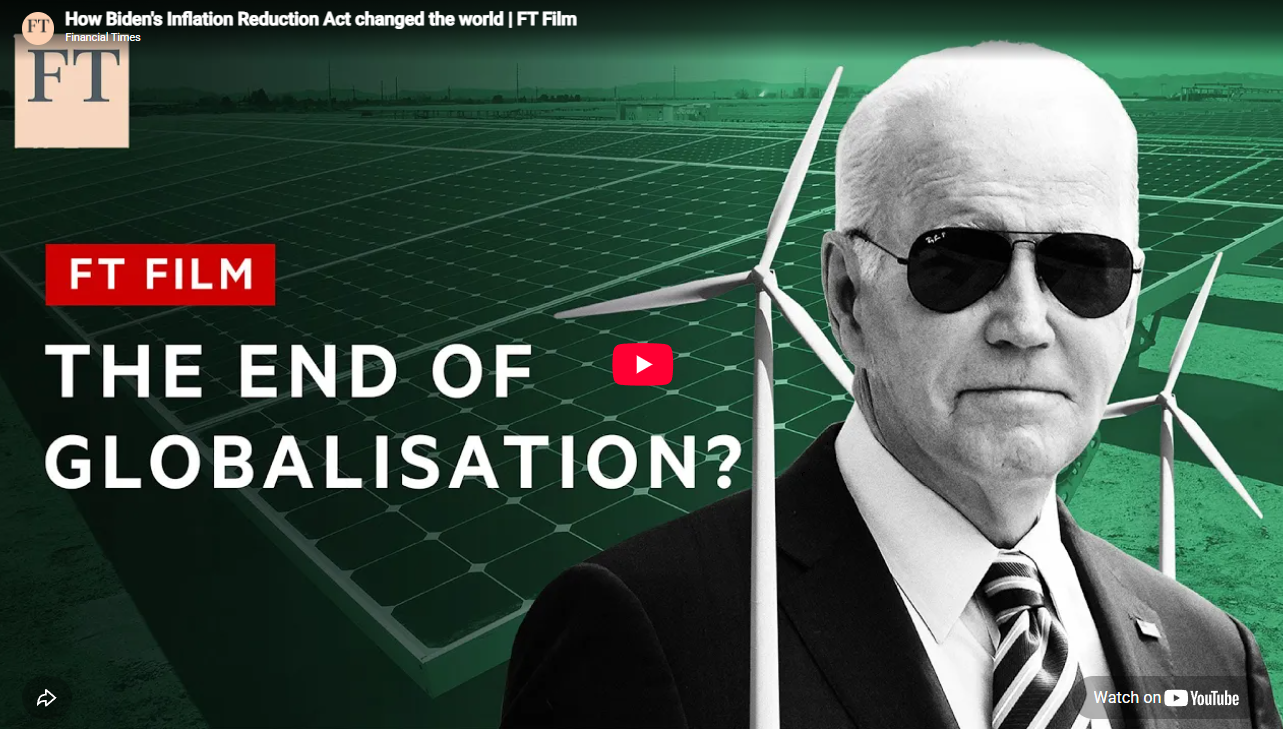
How The Inflation Reduction Act Changed the World, by the Financial Times
What policies do governments use to drive technological innovation, and how do non-state actors like Big Tech operate in a geopolitical paradigm that is state driven?
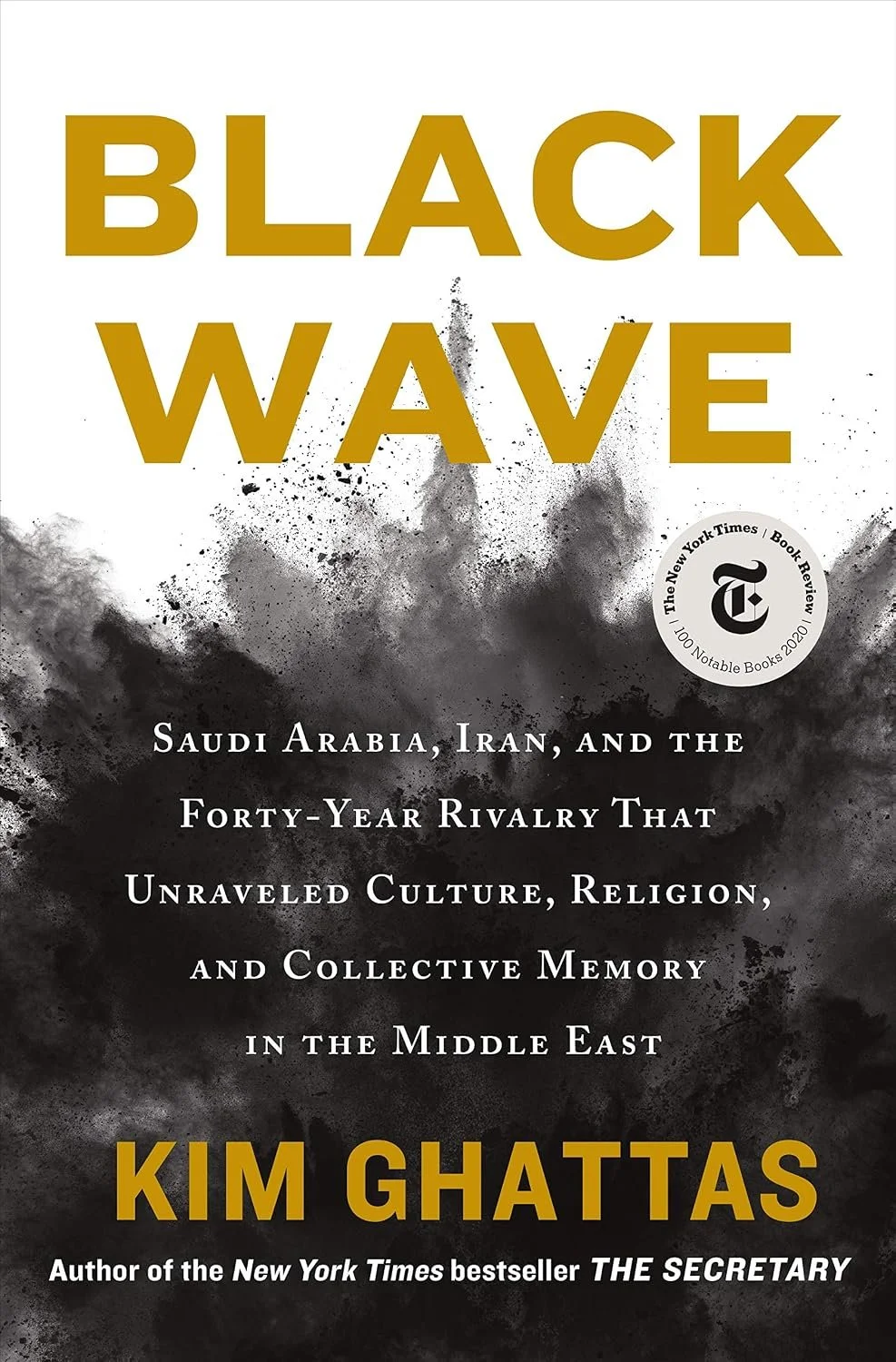
Black Wave, by Kim Ghattas
Examines how the Saudi-Iranian rivalry after the Iranian Revolution shaped the region and the wider world. It treats the peoples and actors of the region as agents rather than pawns in a geopolitical chess game.
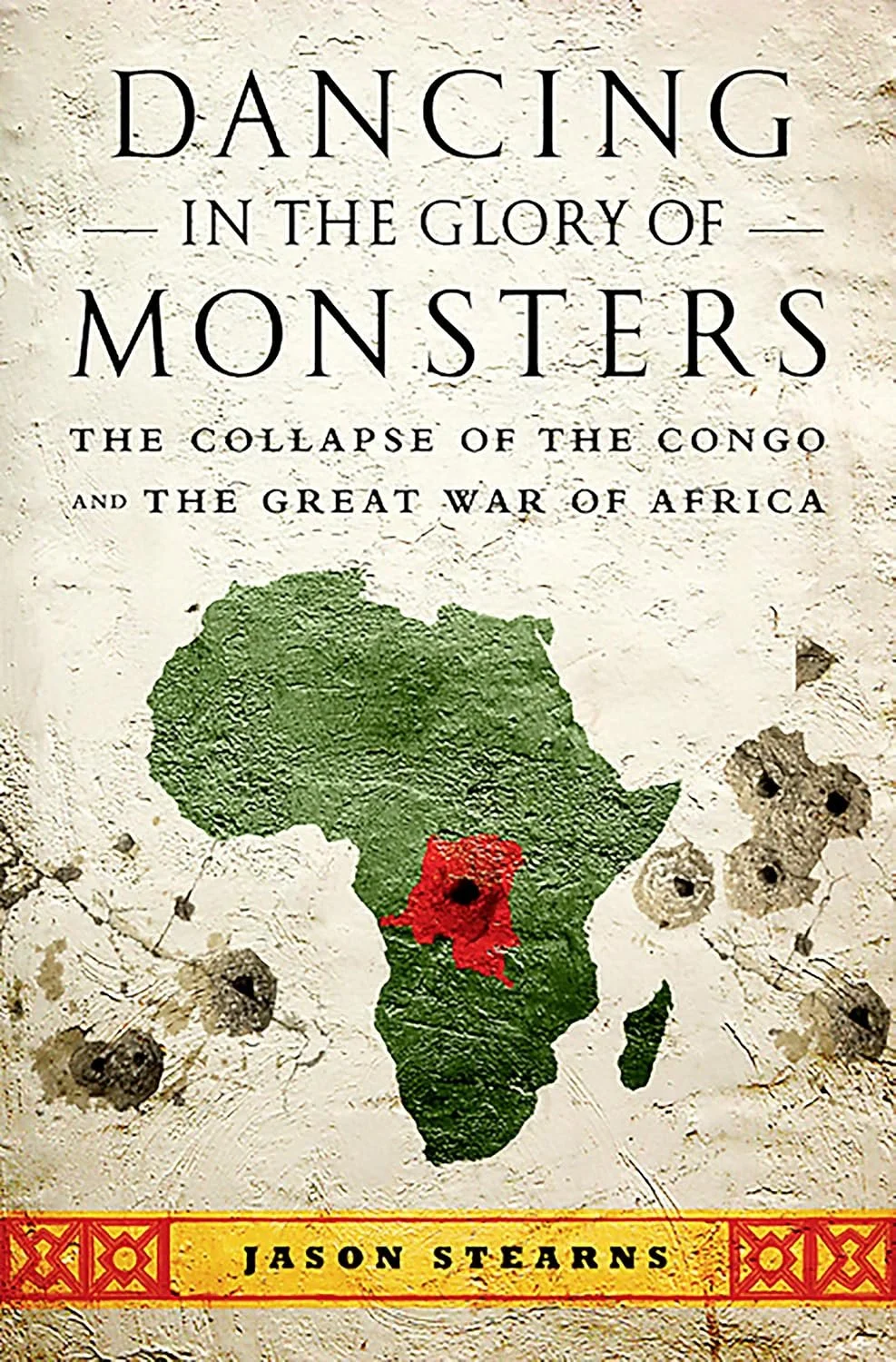
Dancing in the Glory of Monsters, by Jason Stearns
Examines the Congo War, a conflict on such a scale that it is sometimes called Africa’s World War. Rarely covered, it can also be understood as a resource war in which conflict minerals played a critical role.
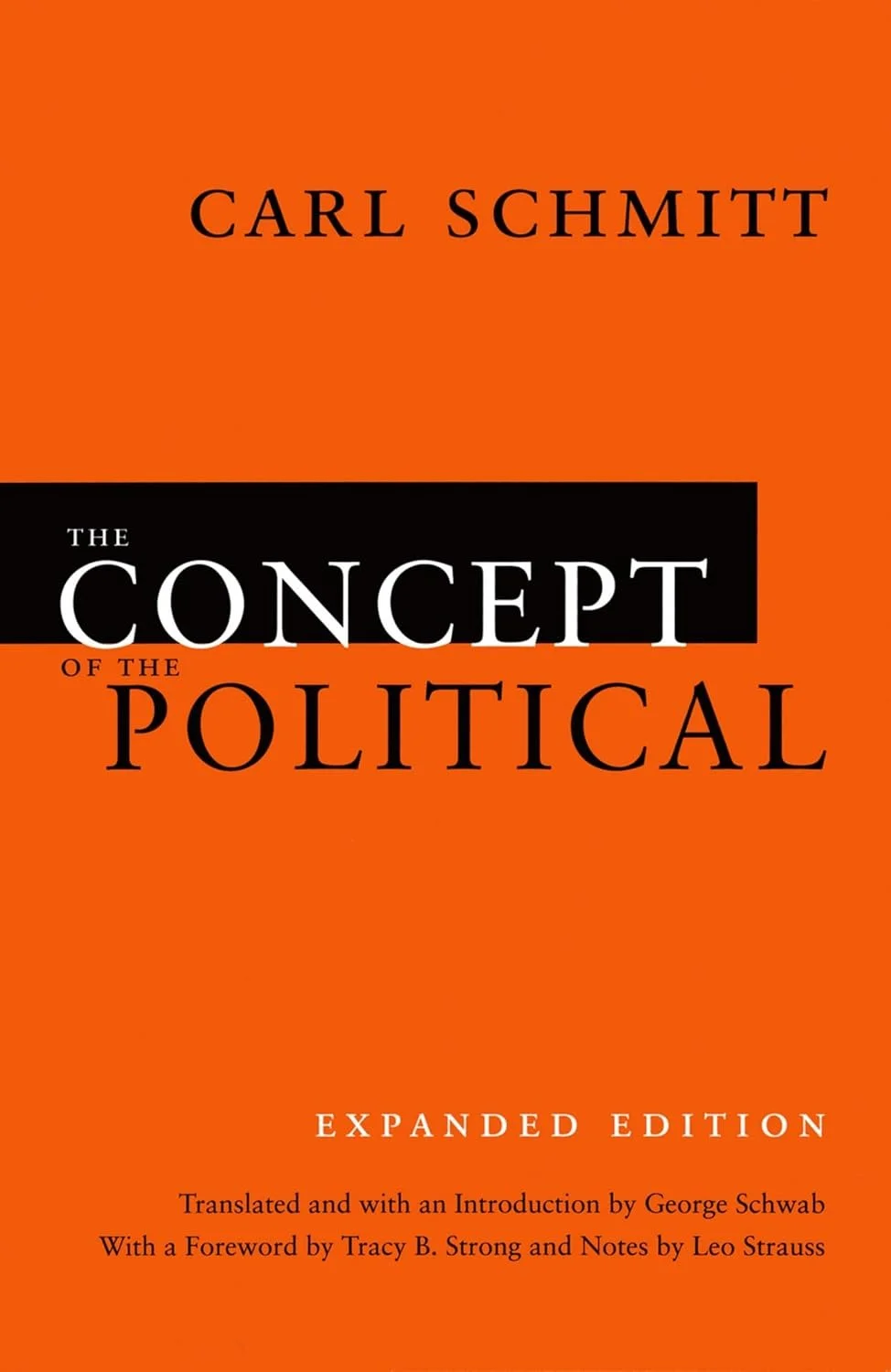
The Concept of the Political, by Carl Schmitt
Written by the chief legal theorist of the Nazi regime and frequently cited in Silicon Valley, it operationalises the friend-enemy distinction as the fundamental axis of politics.
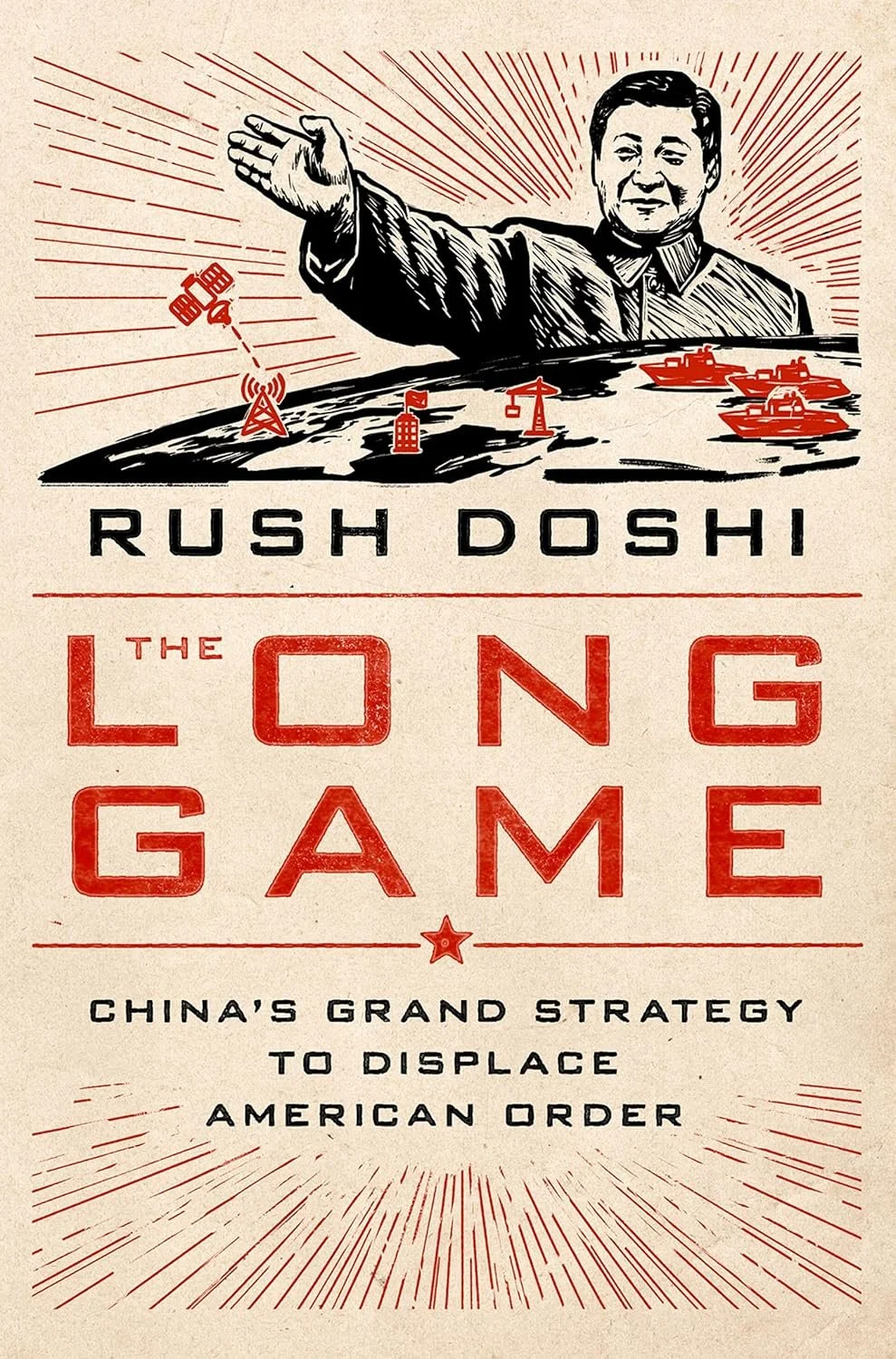
The Long Game, by Rush Doshi
Presents the perspective of a China hawk who sees China as a direct threat to the American order.
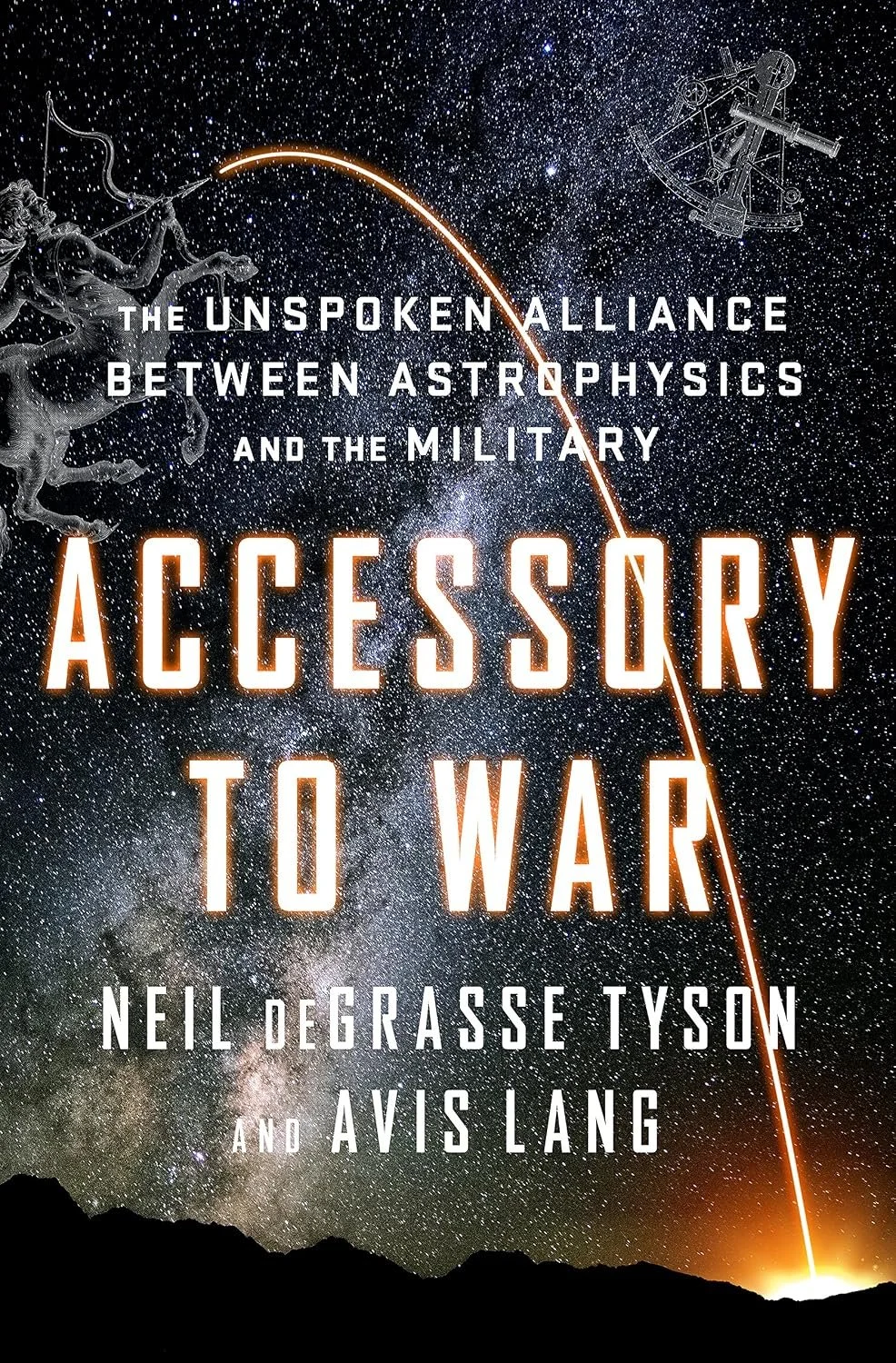
Accessory to War, by Neil de Grasse Tyson & Avis Lang
Explores the long marriage between the military and the frontier sciences.
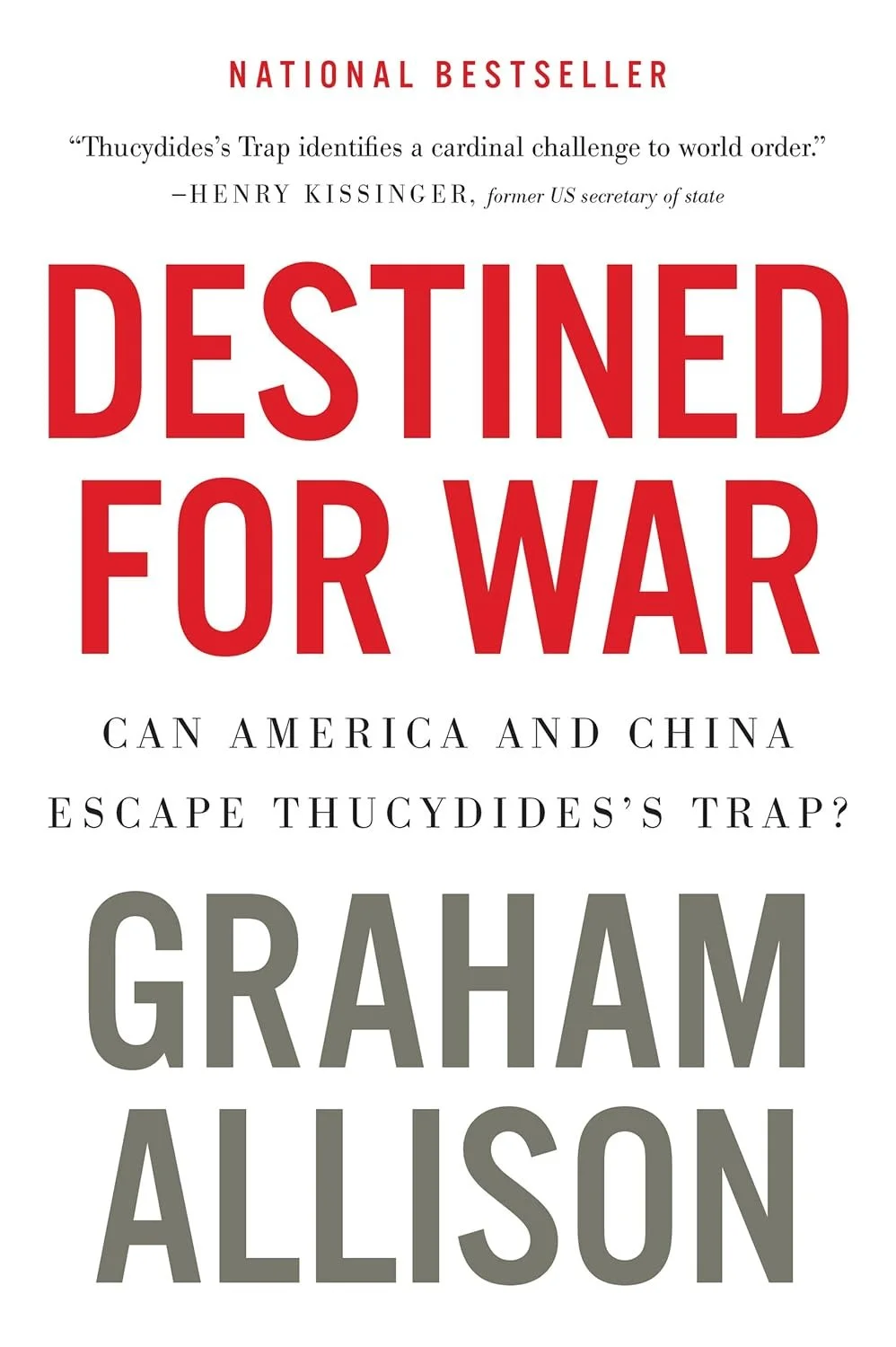
Destined for War, by Graham Allison
Argues that great-power rivalries tend to end in warfare and popularises the vocabulary of the Thucydides Trap around the supposed inevitability of conflict.
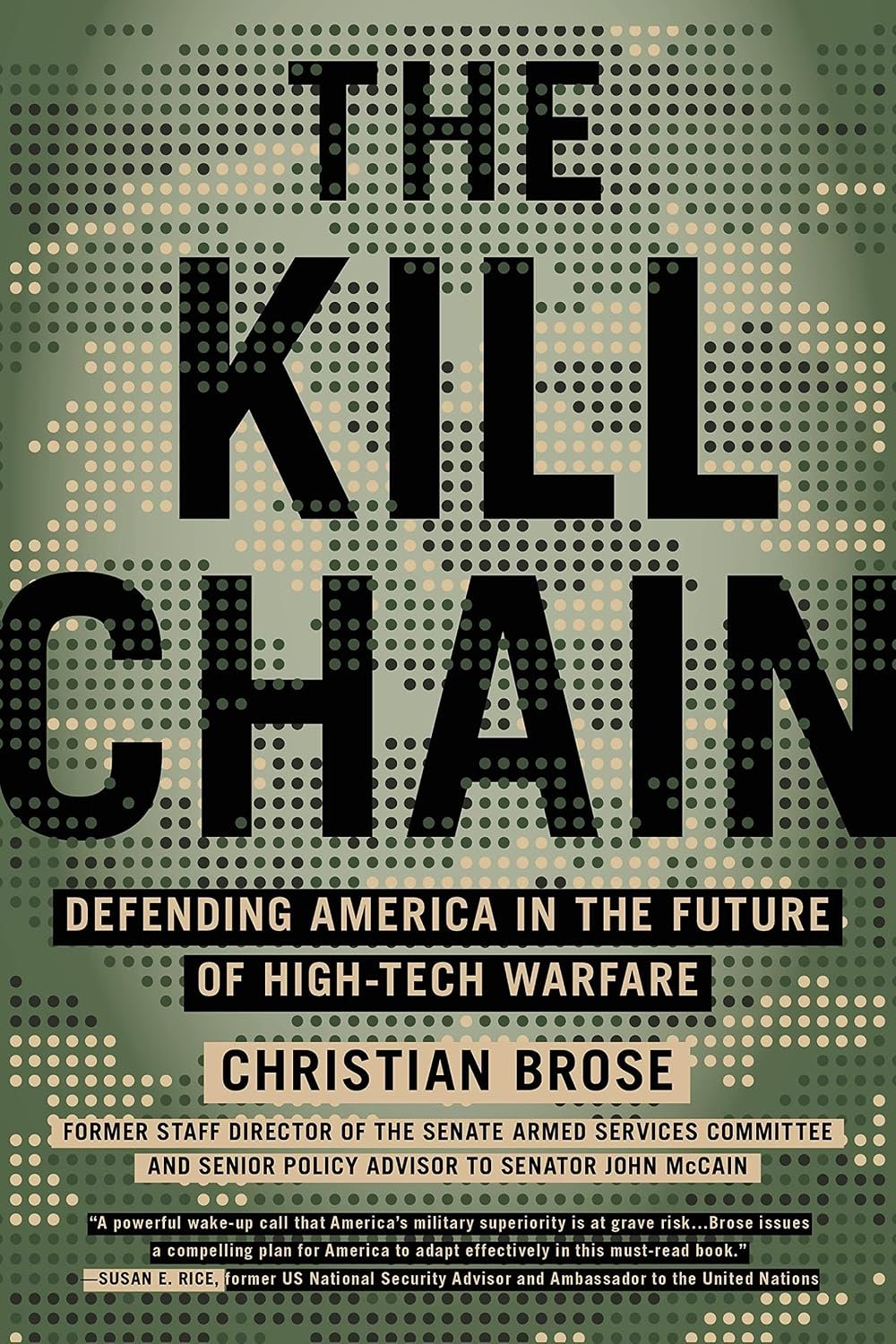
The Kill Chain, by Christian Brose
Examines how the future of warfare will be driven by technological integration.
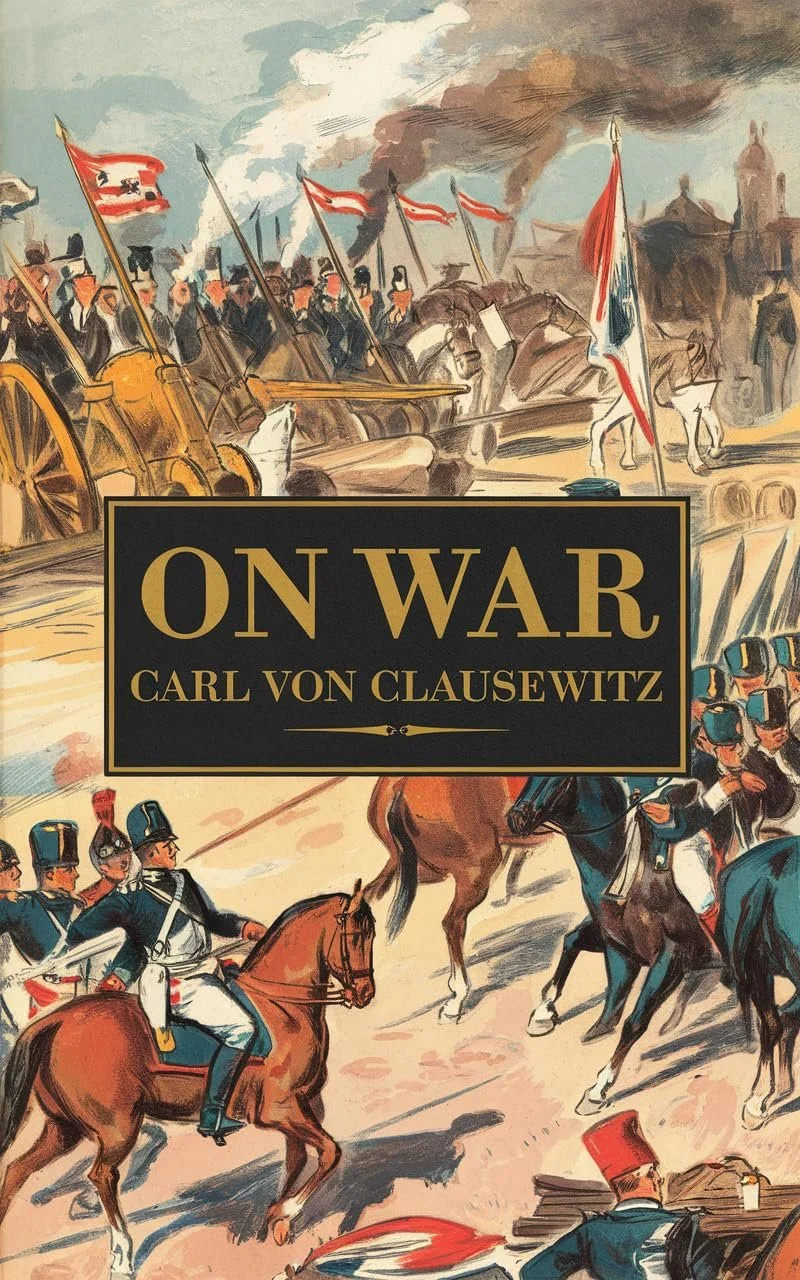
On War, by Carl von Clausewitz
A seminal text in military theory that defines the political nature of war.
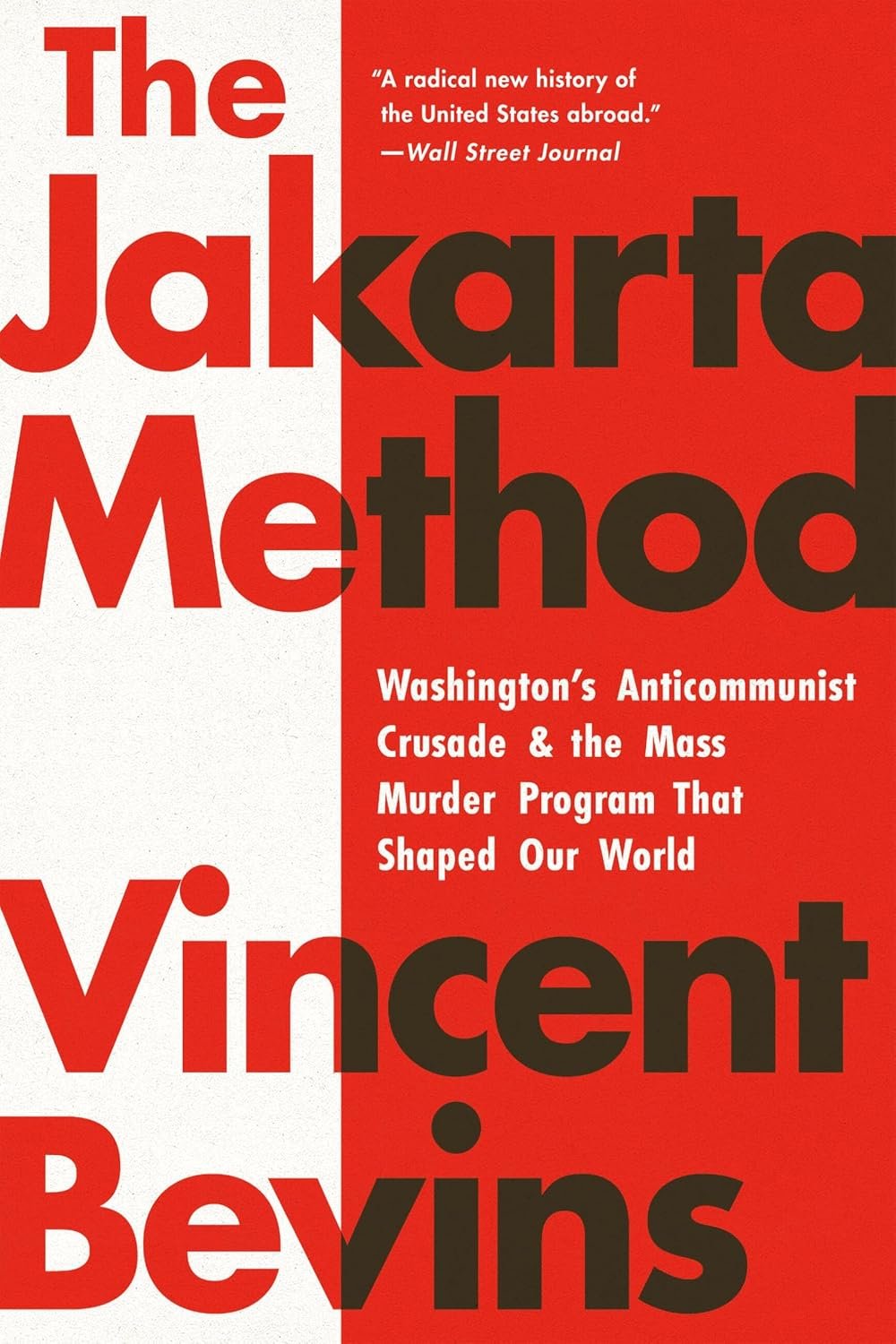
The Jakarta Method, by Vincent Bevins
Shows the catastrophic cost of a security spiral run amok and how fear of communism led the United States to support mass murder.
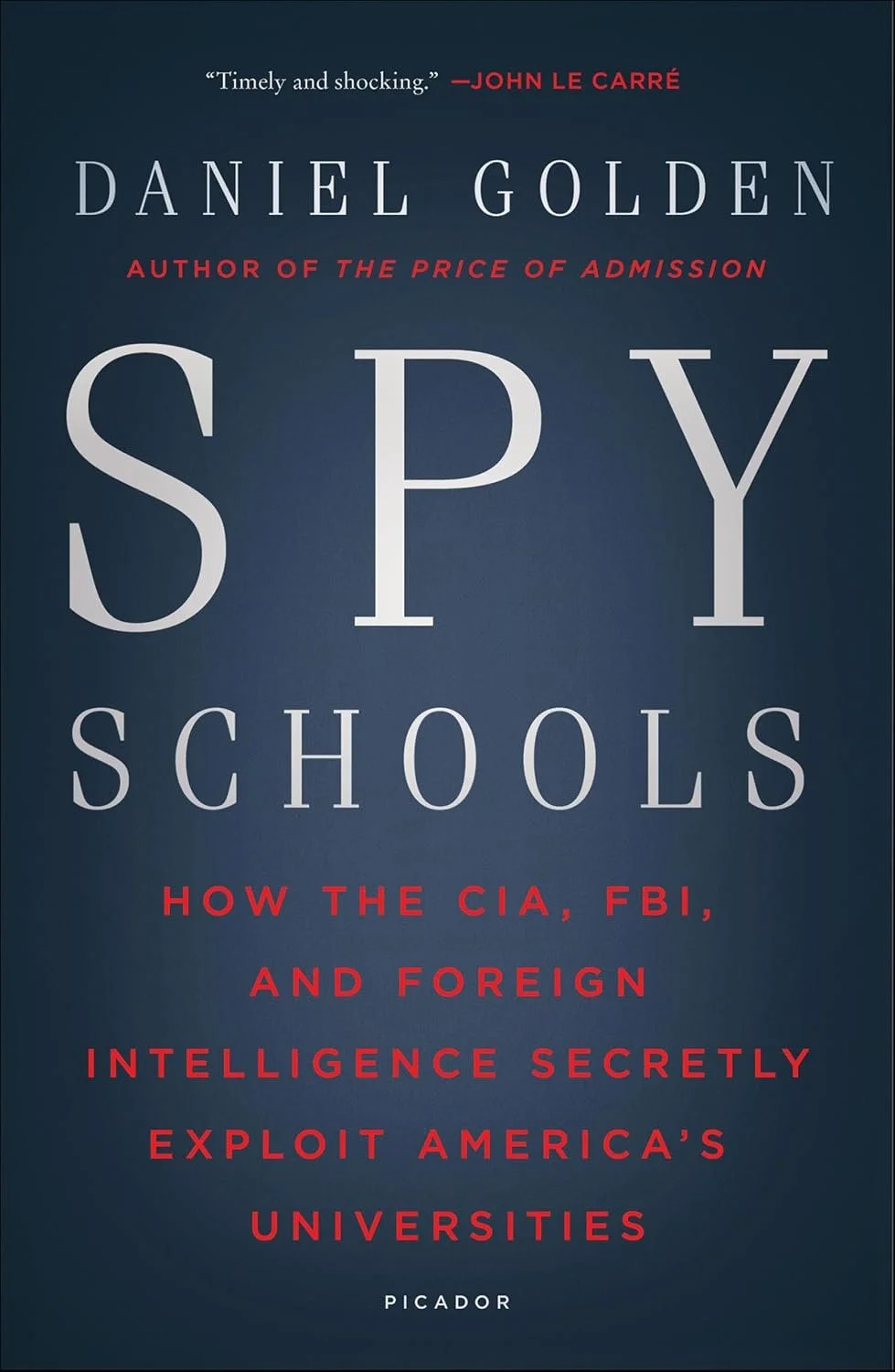
Spy Schools, by Daniel Golden
Covers the early securitization of the American academic sector after Chinese spies abused research access. It laid the groundwork for later efforts to ban students from the Seven Sons universities.
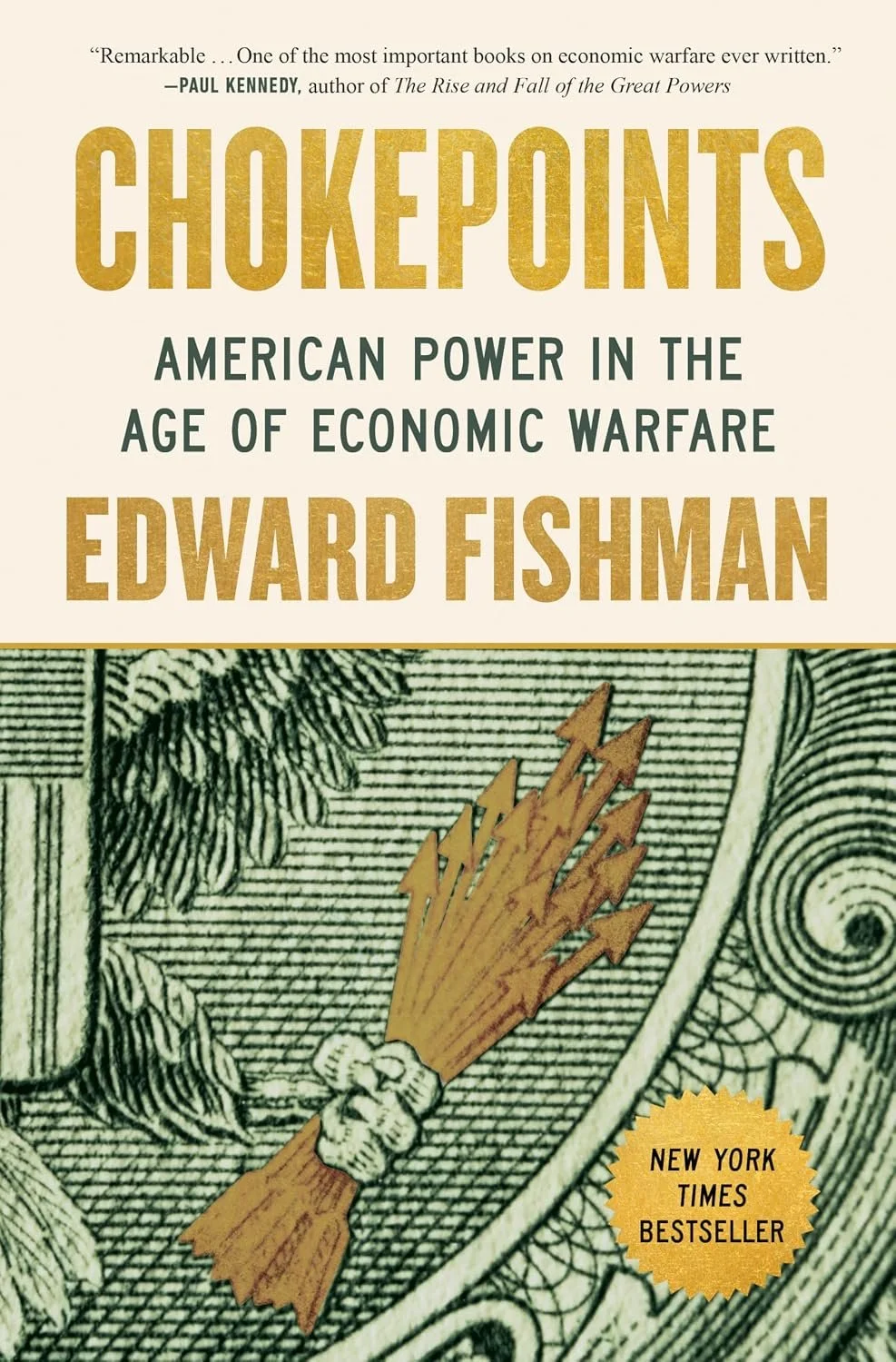
Chokepoints, by Edward Fishman
Documents the United States’ transition from free-trade orthodoxy towards weaponised interdependence as a tool of geopolitical pressure.
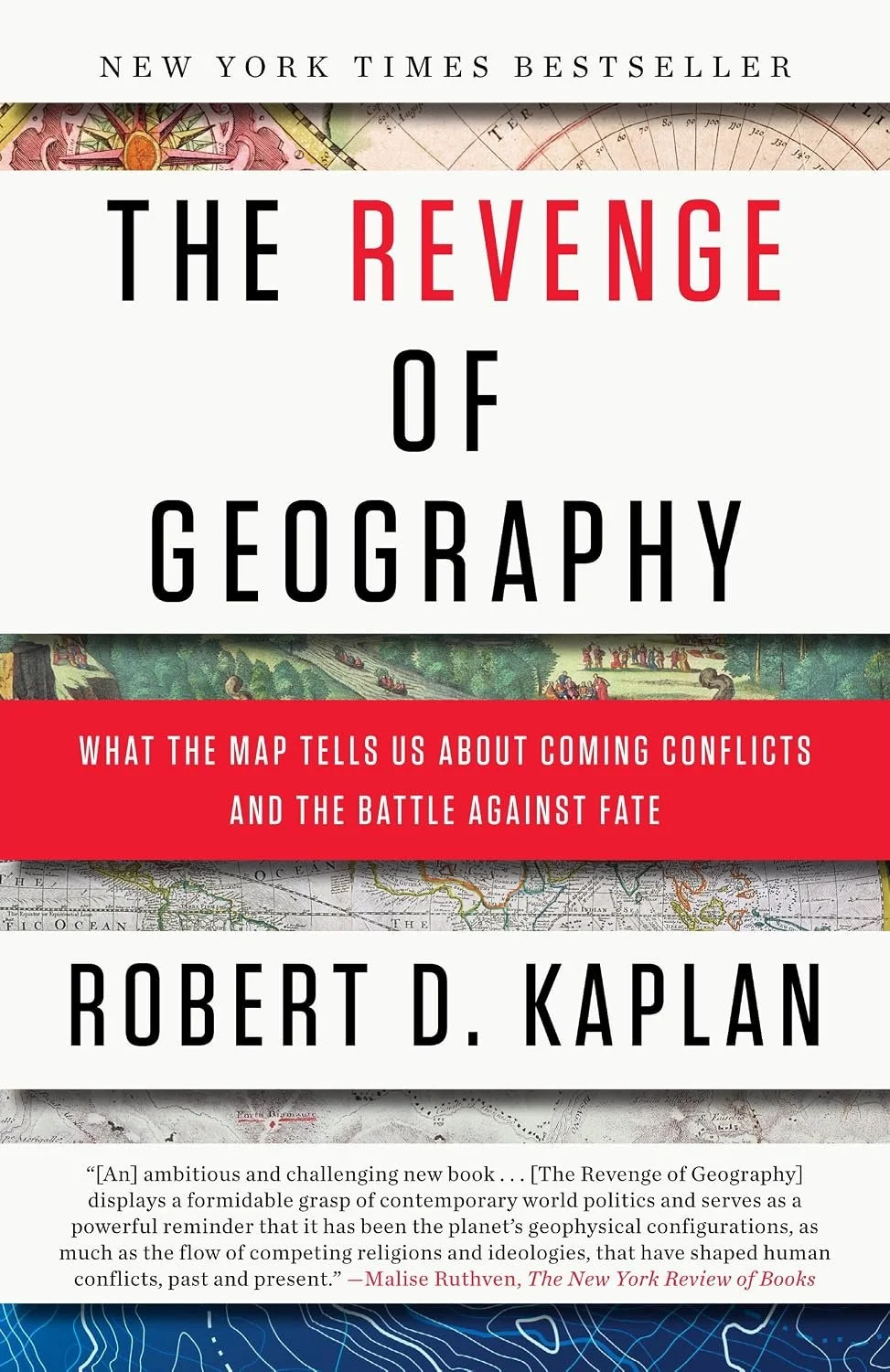
The Revenge of Geography, Robert D. Kaplan
Expands on the strict interpretation of geopolitics and explains how geography shapes foreign relations.
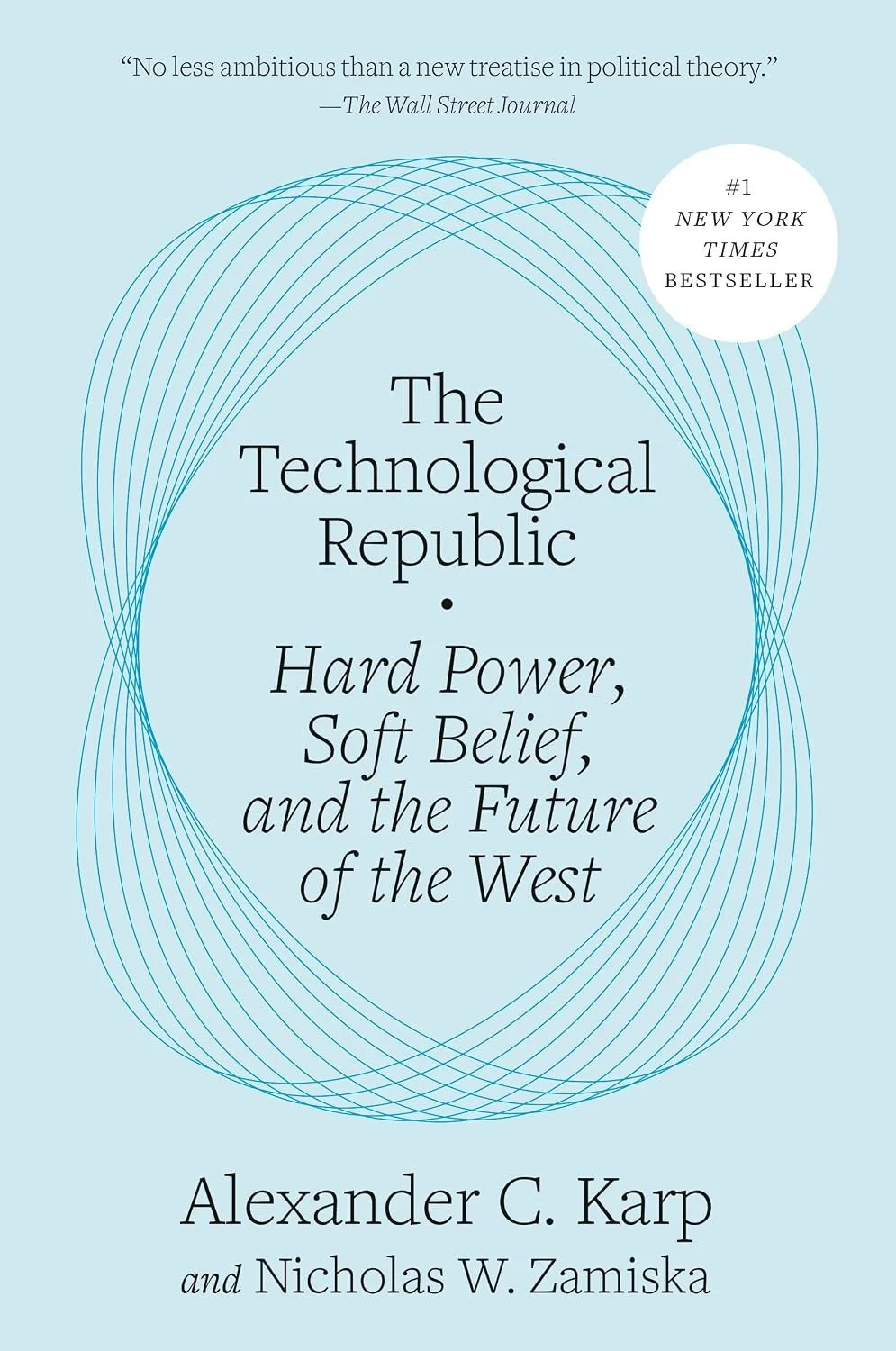
The Technological Republic, by Alexander Karp & Nicholas Zamiska
A frontal attack on Western culture as complacent, intellectually frail, and lacking decisive leadership. The book underlines the messianic argument made by technology elites in propagating their own vision of the future.