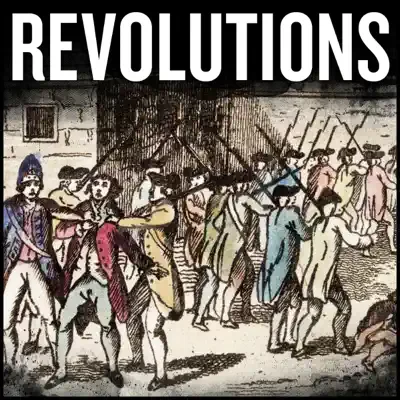
Revolutions Podcast, by Mike Duncan
Over 200 hours of wide-ranging and extensively researched narrative history. It gives a blow-by-blow account of the messy process of revolution, including the English, French, Haitian, Mexican, and Russian Revolutions.

Bubbles, Golden Ages, and Tech Revolutions, Carlota Perez on the Exponential View Podcast
Is there a repeating cycle for technological innovation, and how does it impact the political economy? Are there historical analogies for modern Big Tech?
The History of Light, by NPR’s Planet Money
It’s easy take light for granted. But having regular and reliable access to safe (and non smelly) sources of light has fundamentally altered society

Cuisine and Empire, by Rachel Laudan
A lively examination of cooking as one of the first transformative technologies and cuisine as a carrier of empire. Culinary techniques have served armies and disseminated culture across the world.
Why Liberalism Failed, by Patrick J. Deneen
A conservative critique of liberalism’s failures that argues for a return to older values of community, religion, and tradition.
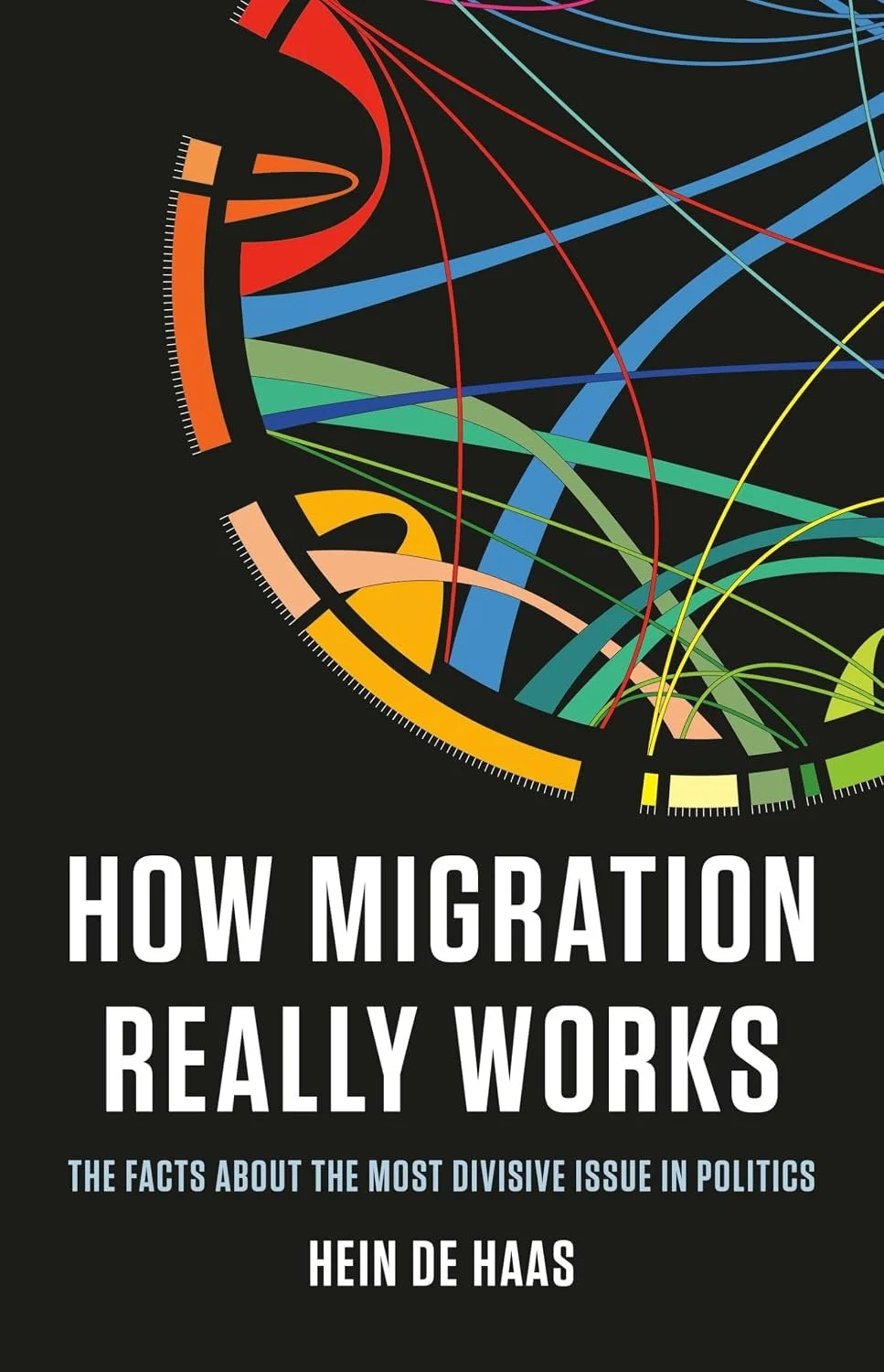
How Migration Really Works, by Hein de Haas
Dismantles the myths driving European migration politics and explains how migration is a strategic source of strength rather than weakness.
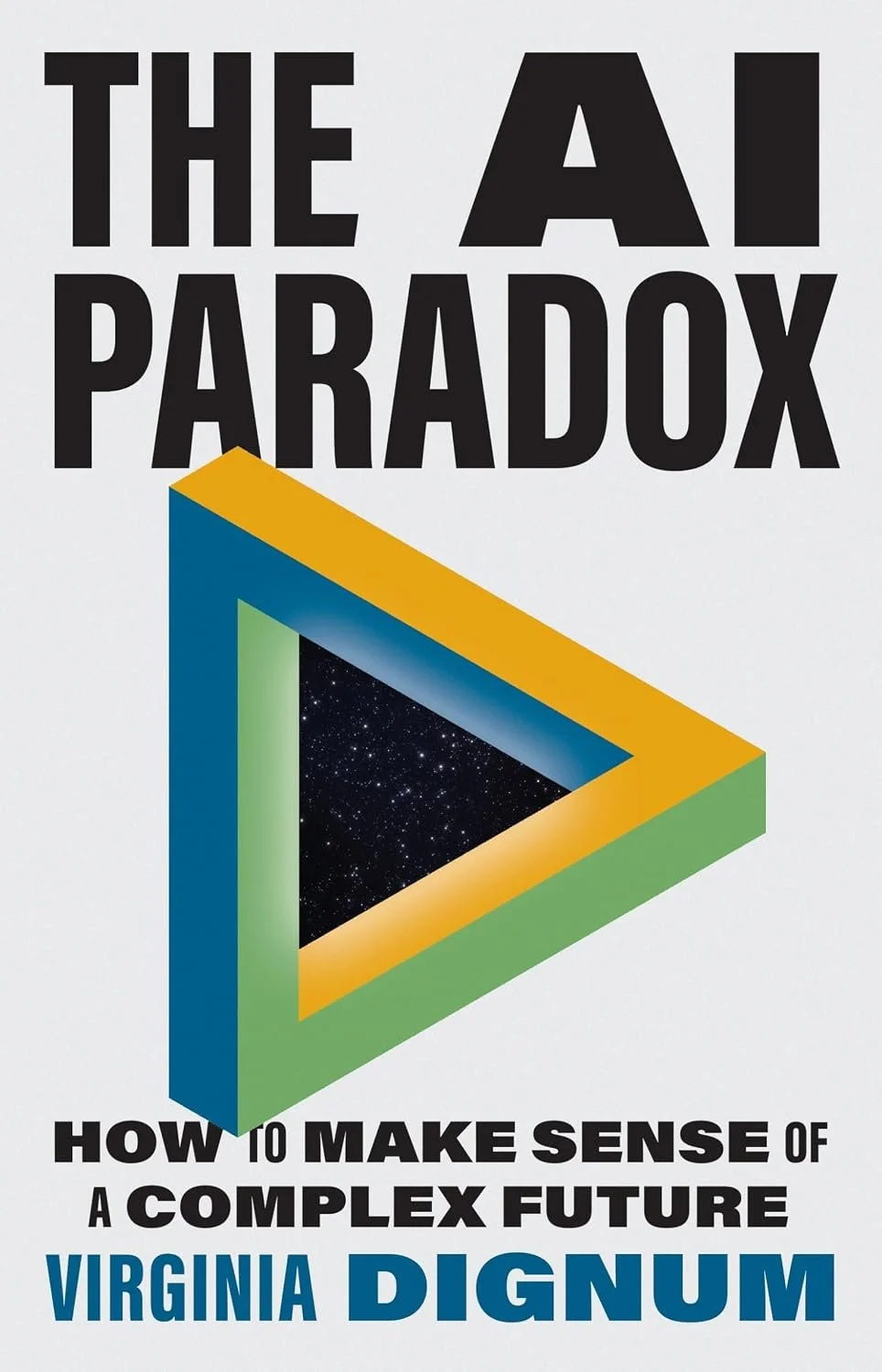
The AI Paradox, by Virginia Dignum
A governance-first account from within the responsible-AI field that treats AI as power to be governed rather than merely a product to be regulated, cutting through hype in both directions.
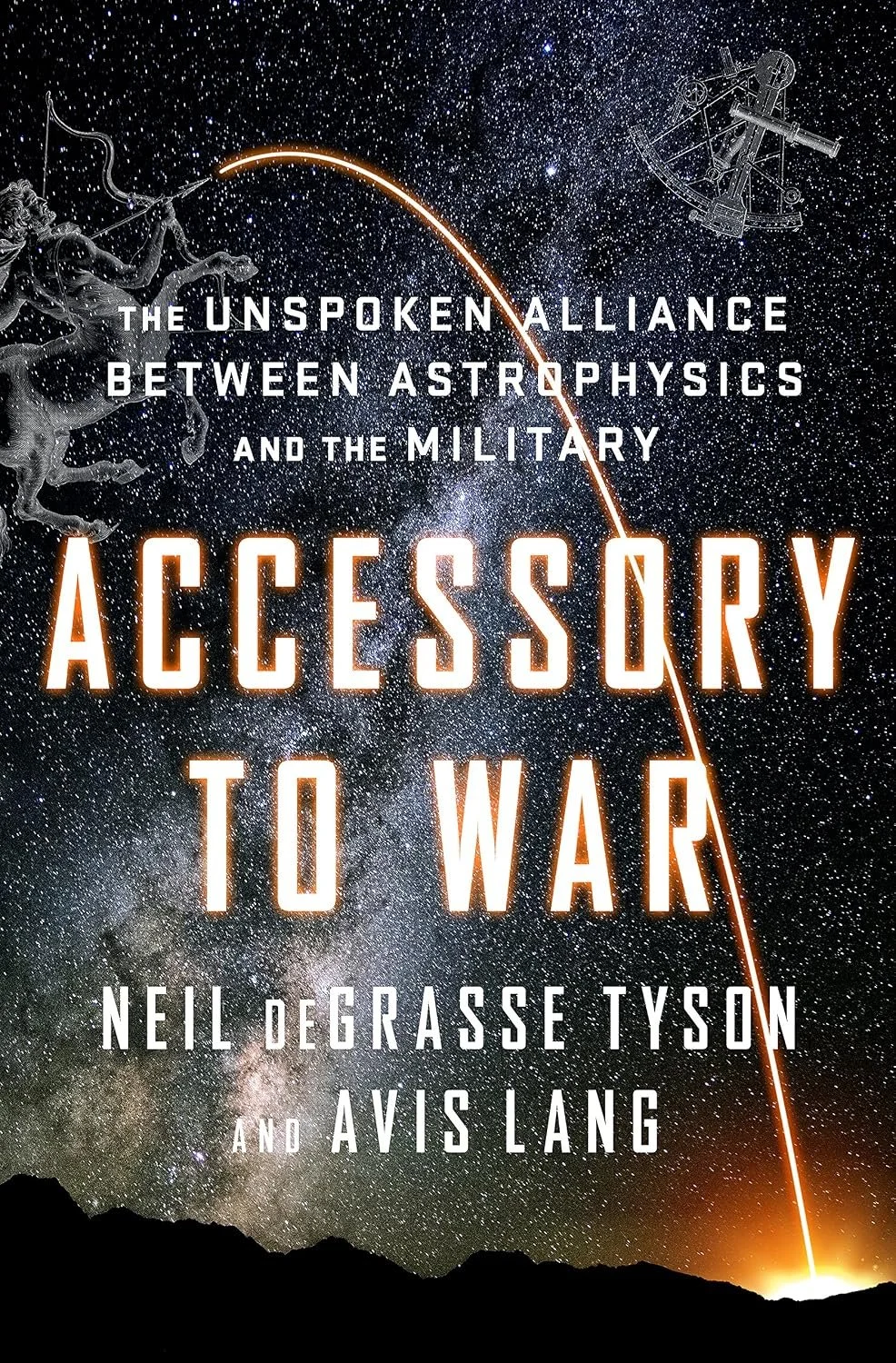
Accessory to War, by Neil de Grasse Tyson & Avis Lang
Explores the long marriage between the military and the frontier sciences.
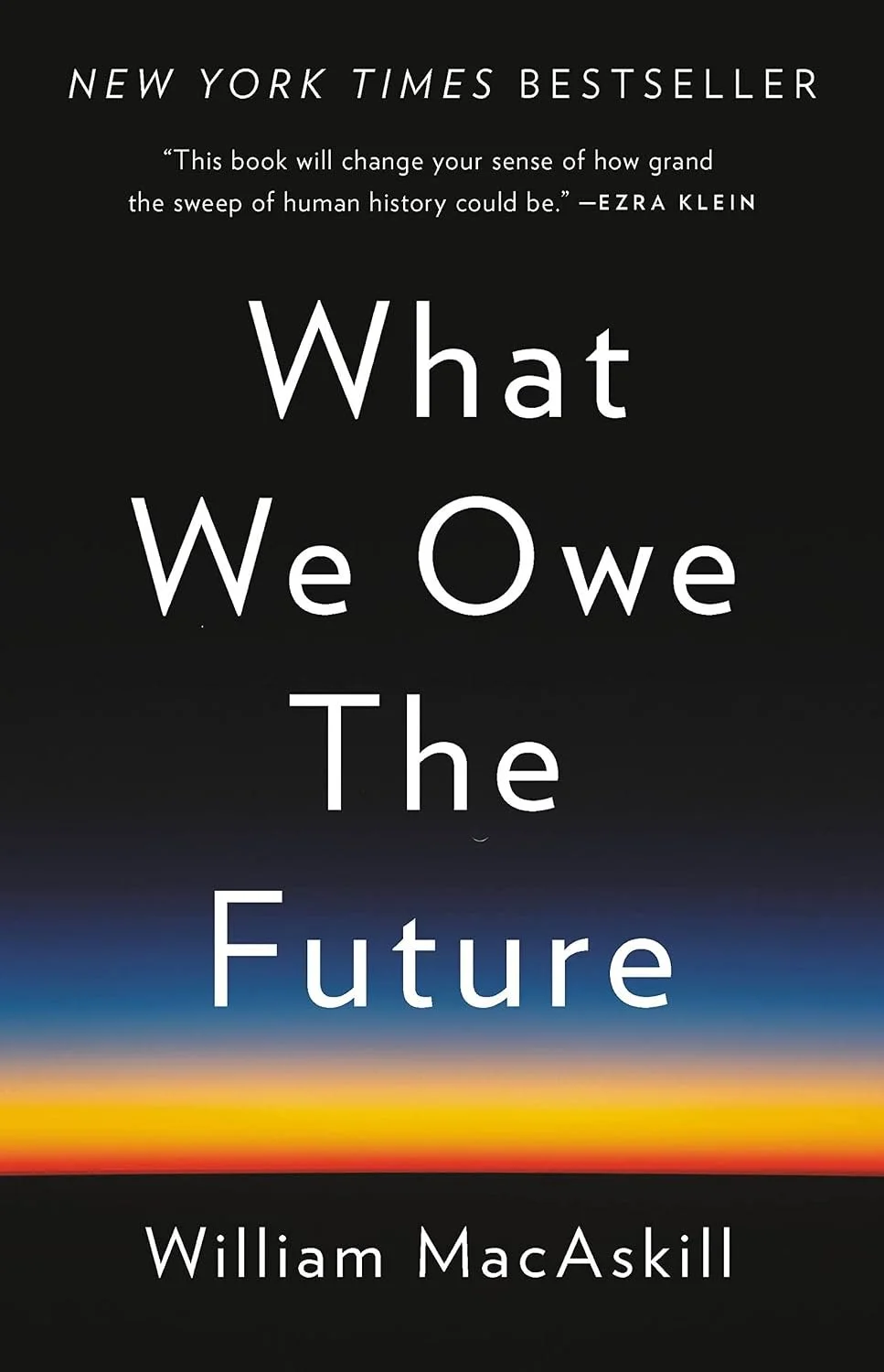
What We Owe the Future, by William MacAskill
A central statement of longtermism and the idea that safeguarding civilisation’s long-run future should shape decisions made in the present.
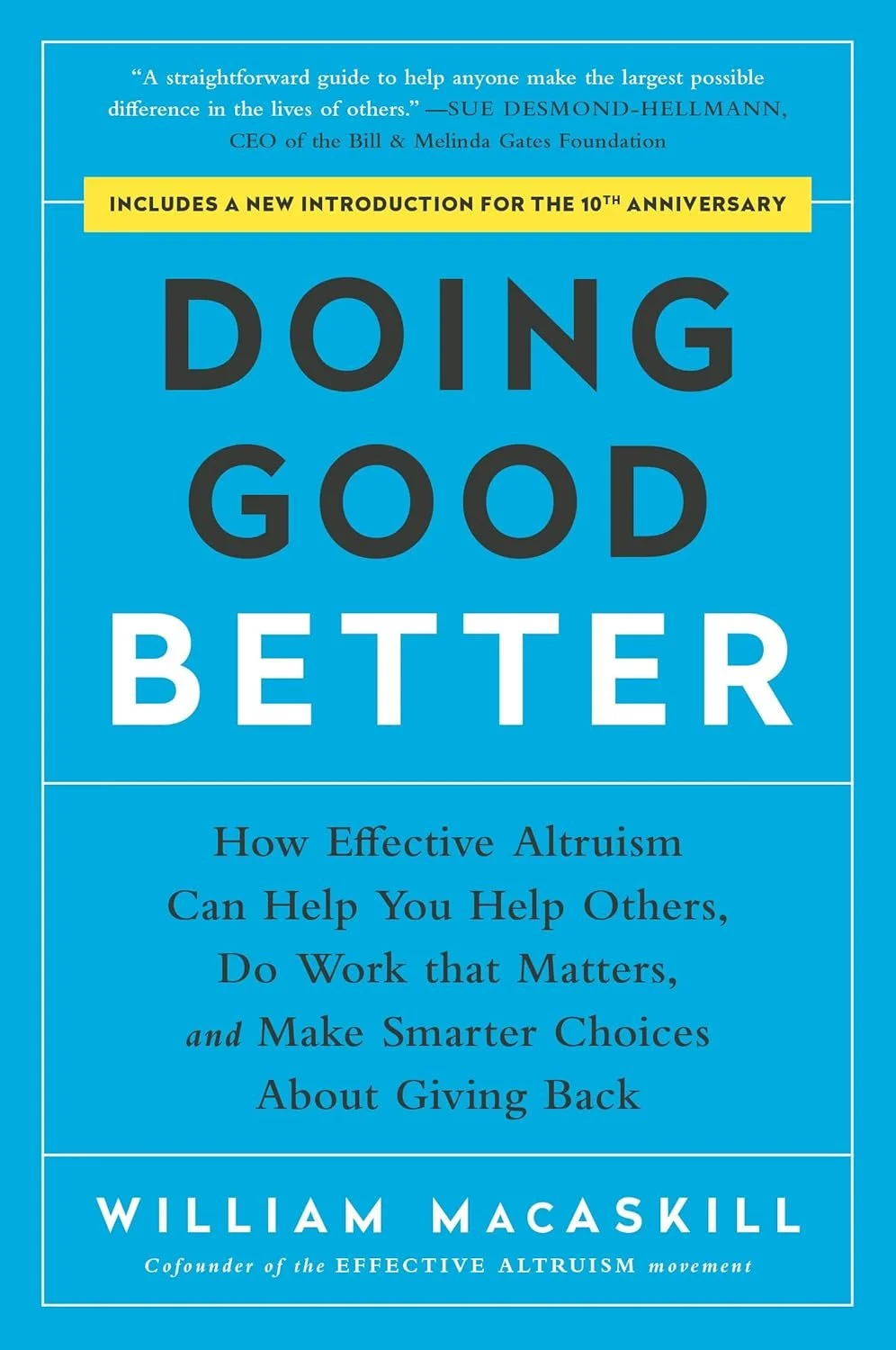
Doing Good Better, by William MacASkill
One of the starting points for the effective-altruist movement and the logic that later developed into longtermism and concern with civilisational existential risk.
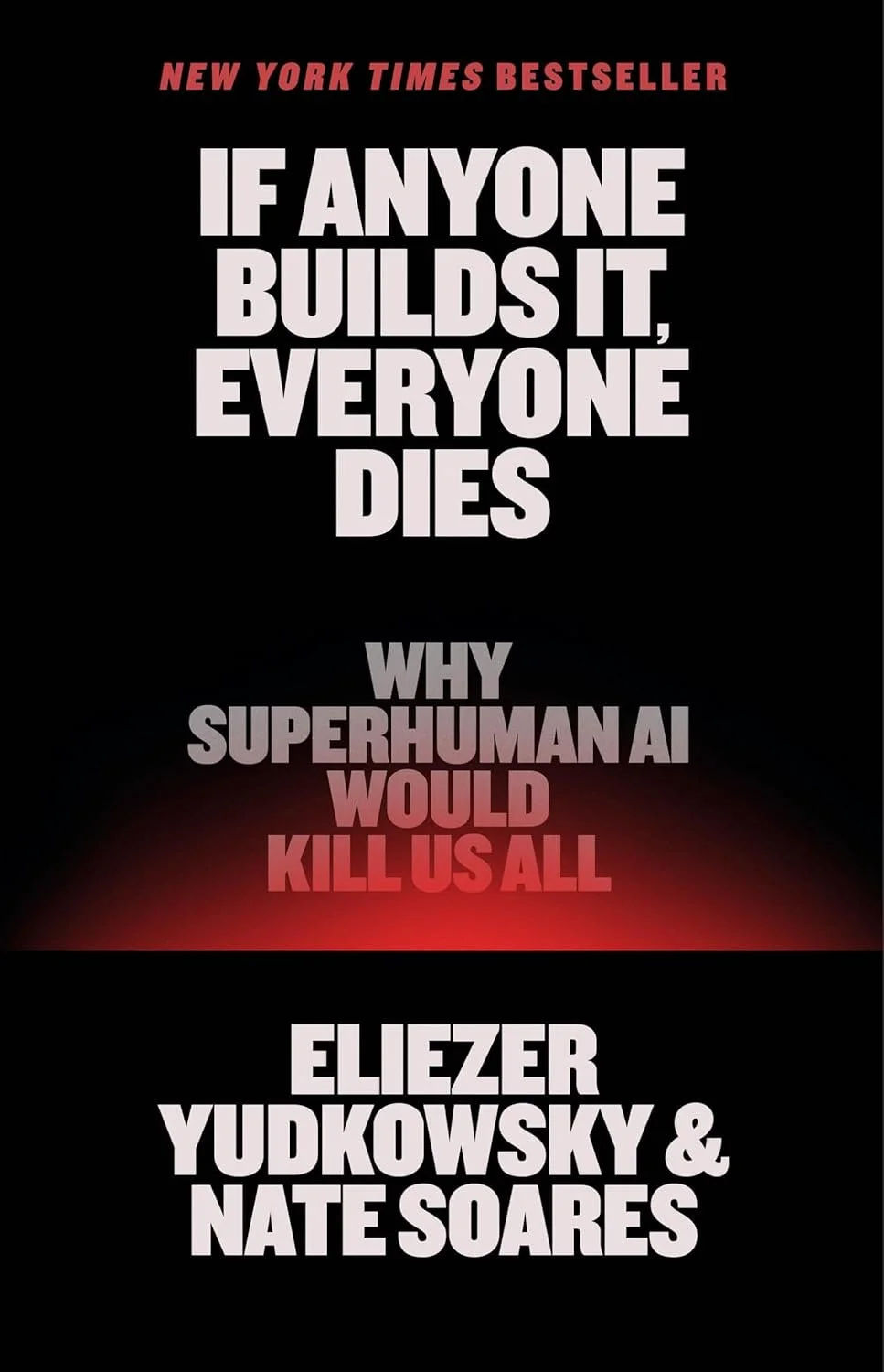
If Anyone Builds It, Everyone Dies, by Eliezer Yudkowsky & Nate Soares
Takes the argument of AI doomers to its full extent. It is emblematic of both the content and style of the existential-risk faction in Silicon Valley.
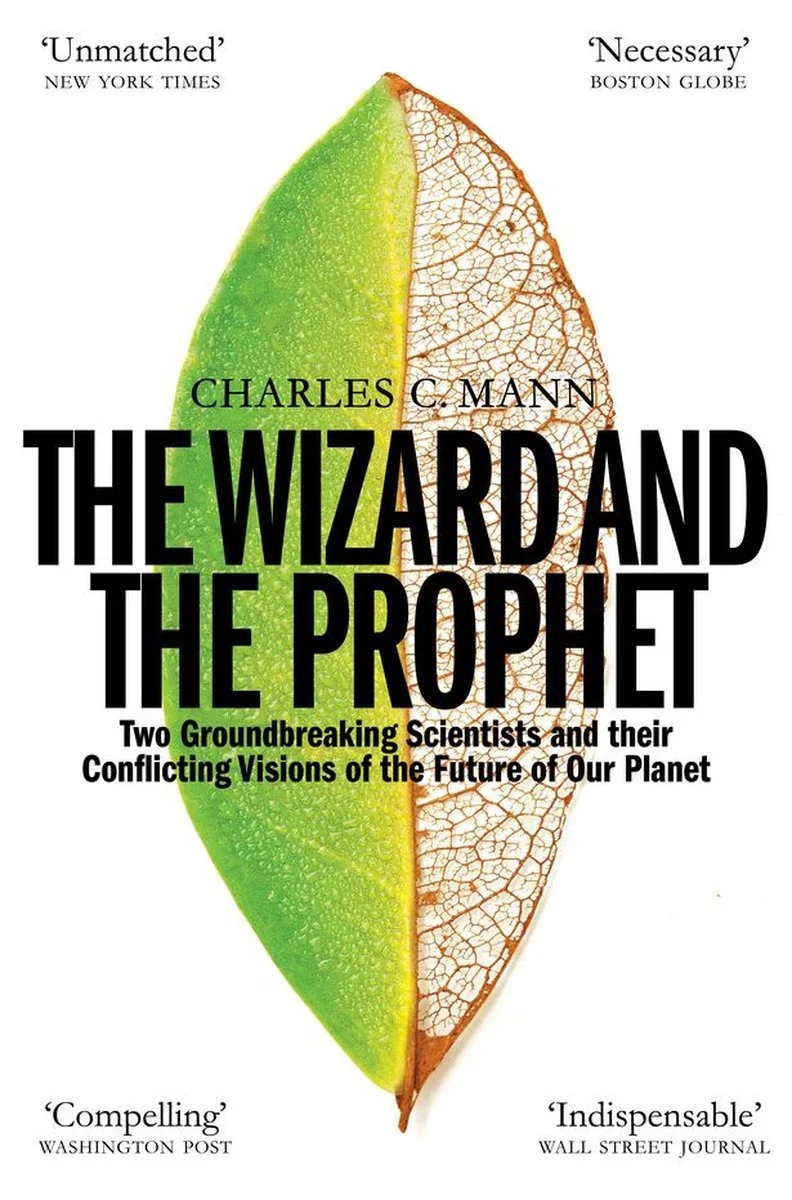
The Wizard and the Prophet, by Charles C. Mann
Identifies the two conventional camps structuring the technology optimism-versus-pessimism debate: the Wizard, who favours abundance and acceleration, and the Prophet, who stresses limits and catastrophe.
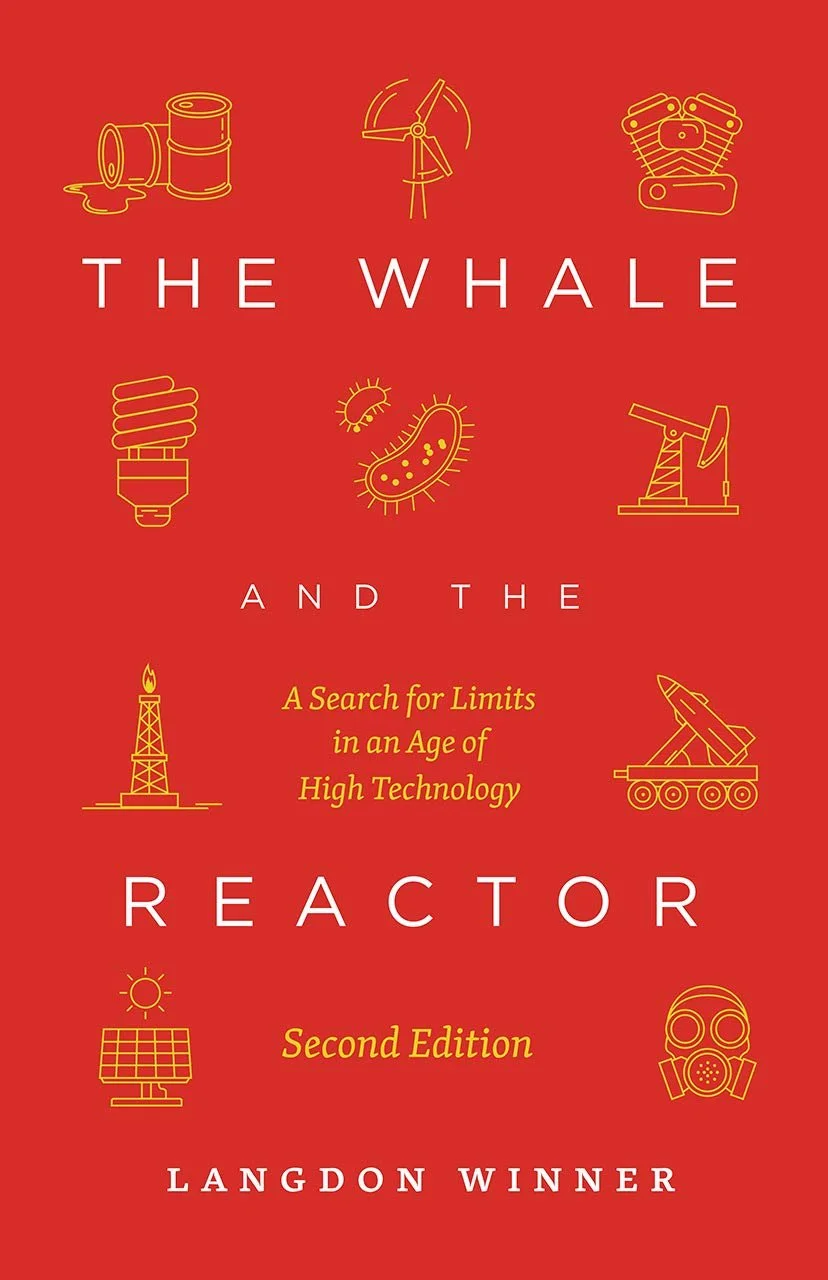
The Whale and the Reactor, by Langdon Winner
A seminal text in technology and society. It argues that technologies intrinsically carried values long before AI alignment became a central concern.
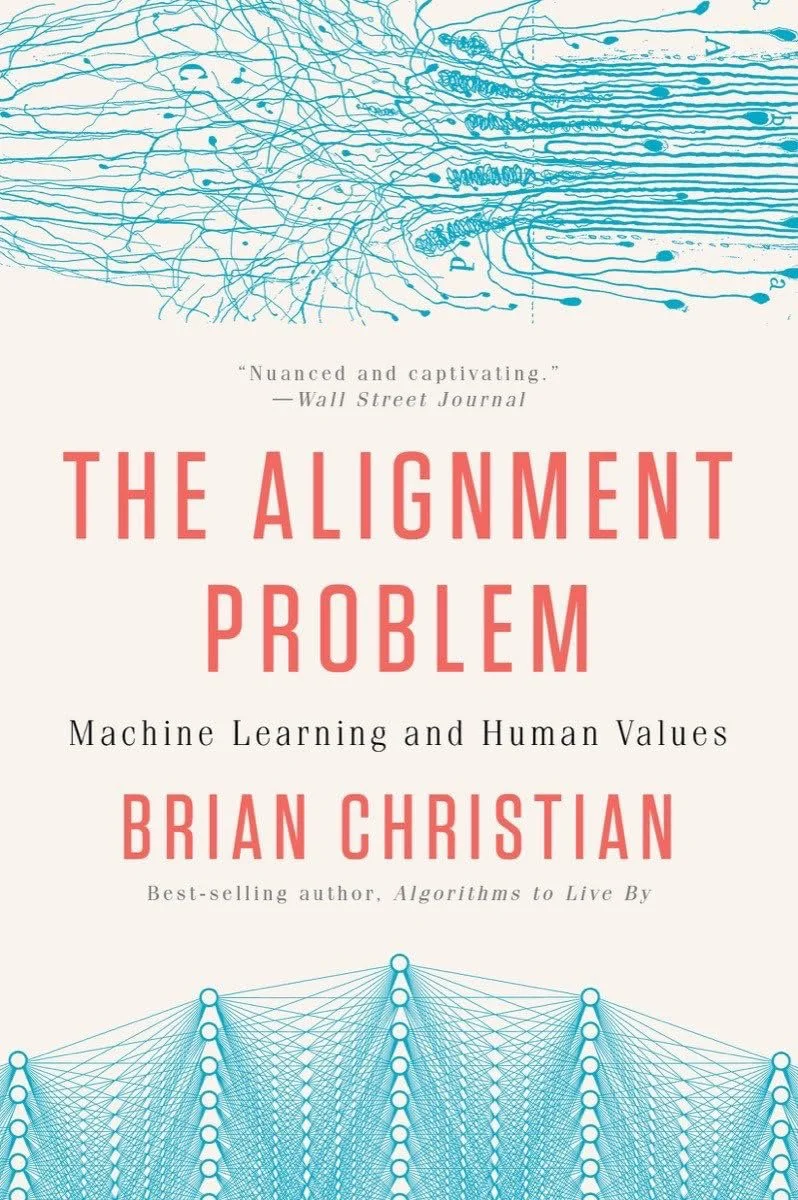
The Alignment Problem, by Brian Christian
An early major formulation of the alignment problem and the connection between technical and moral questions. Because it was written before the large-language-model revolution, it focuses on more conventional AI systems.
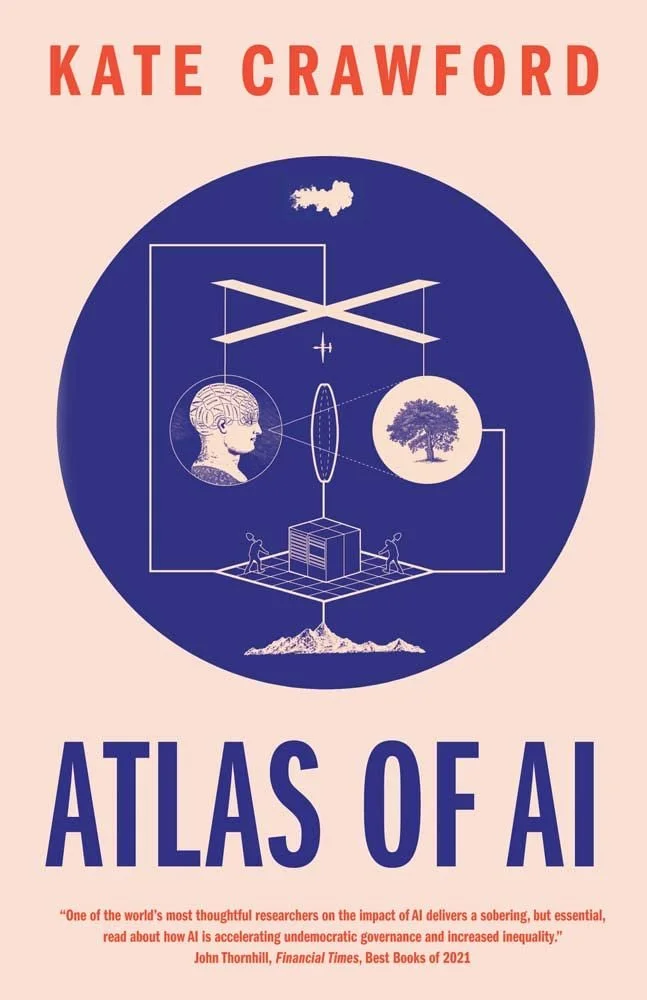
Atlas of AI, by Kate Crawford
Reframes AI as an extractive industry that mines people, labour, and water while increasing carbon emissions. Those costs are not shared equally.
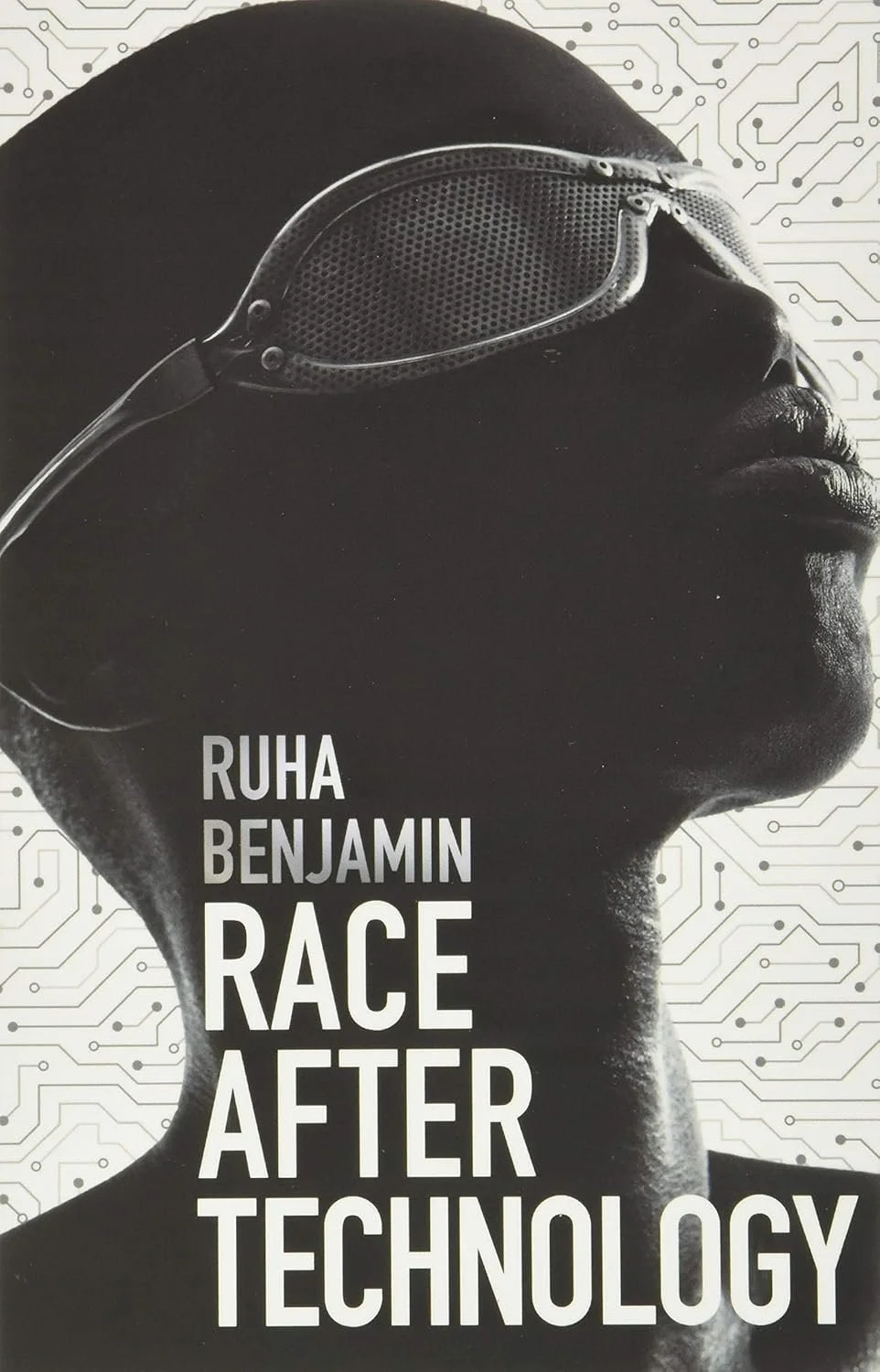
Race After Technology, by Ruha Benjamin
Takes the recognition that AI is racist and perpetuates injustice to its logical endpoint: how should we resist technology and abolish tools of algorithmic repression?
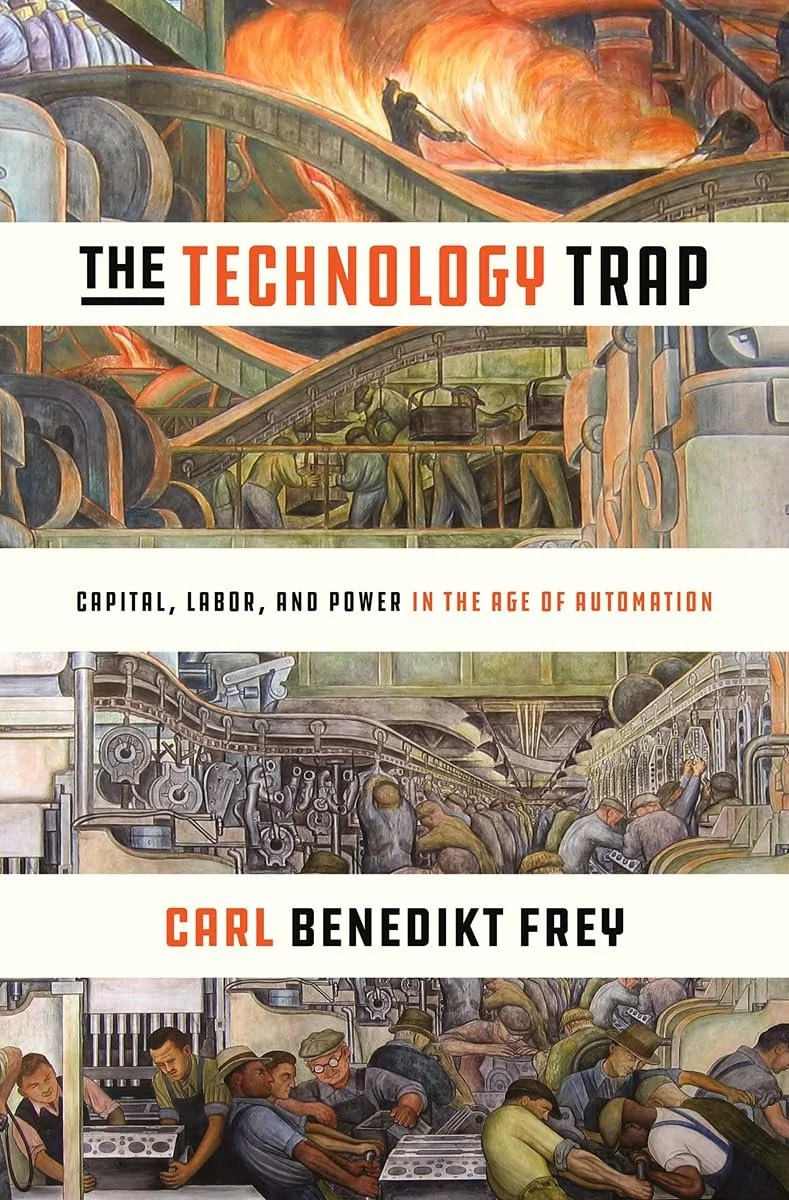
The Technology Trap, by Carl Benedikt Frey
Zooms in on the disruptive effects of technology on labour. Who wins, who loses, and how does labour disruption destabilise a social order?
Empire of AI, by Karen Hao
Lifts the curtain on how the inner workings of OpenAI have led to an AI arms race. It highlights the enormous environmental, human, and data requirements of training AI.
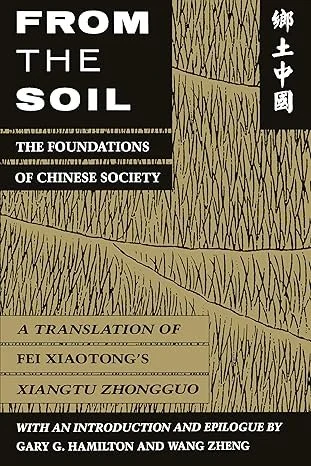
From the Soil, By Feixiao Tong
The foundational text of Chinese sociology. It attempts to map Western sociological theory directly onto Chinese society, highlighting crucial differences.
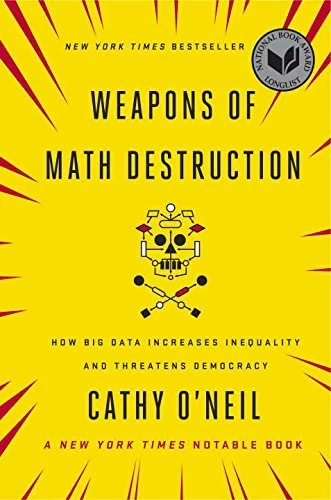
Weapons of Math Destruction, by Cathy O’Neil
One of the earlier books to cover the connection between technology and social inequality. It explores how seemingly innocuous algorithms can deepen and reinforce racism and socioeconomic injustice.