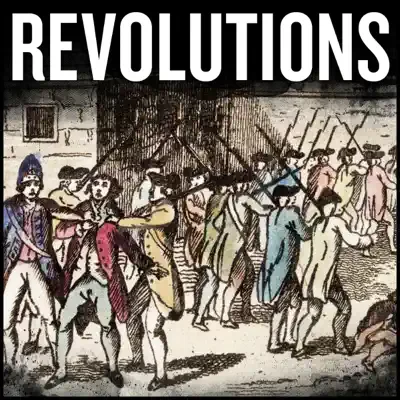
Revolutions Podcast, by Mike Duncan
Over 200 hours of wide-ranging and extensively researched narrative history. It gives a blow-by-blow account of the messy process of revolution, including the English, French, Haitian, Mexican, and Russian Revolutions.
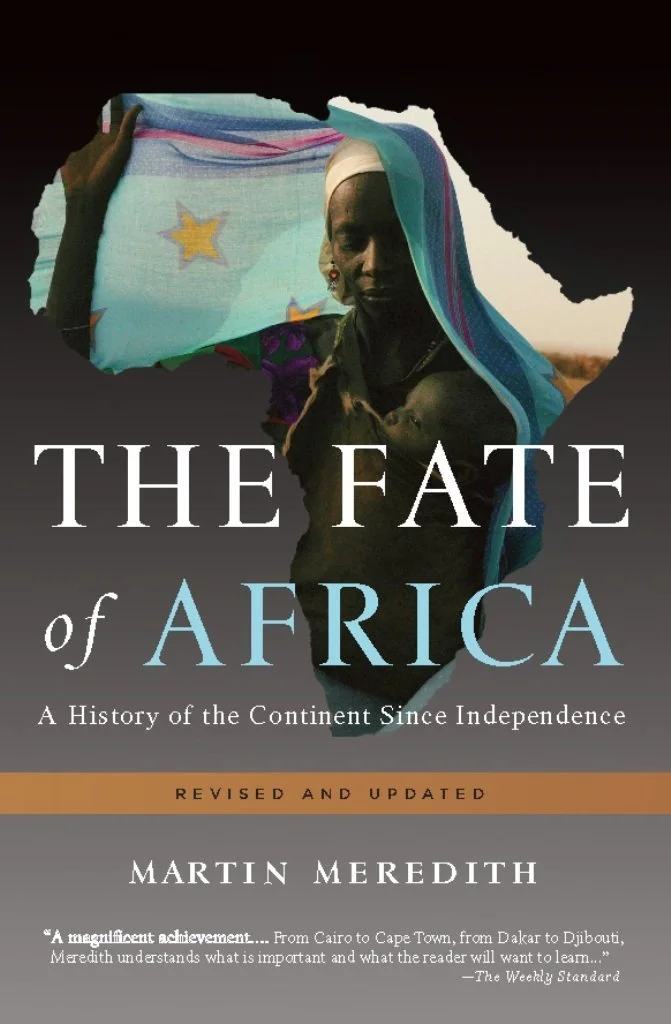
The Fate of Africa, by Martin Meredith
Covers six decades of post-independence Africa and shows how decolonisation took many different forms. Each colonial power left a different legacy and scar that had to be overcome.
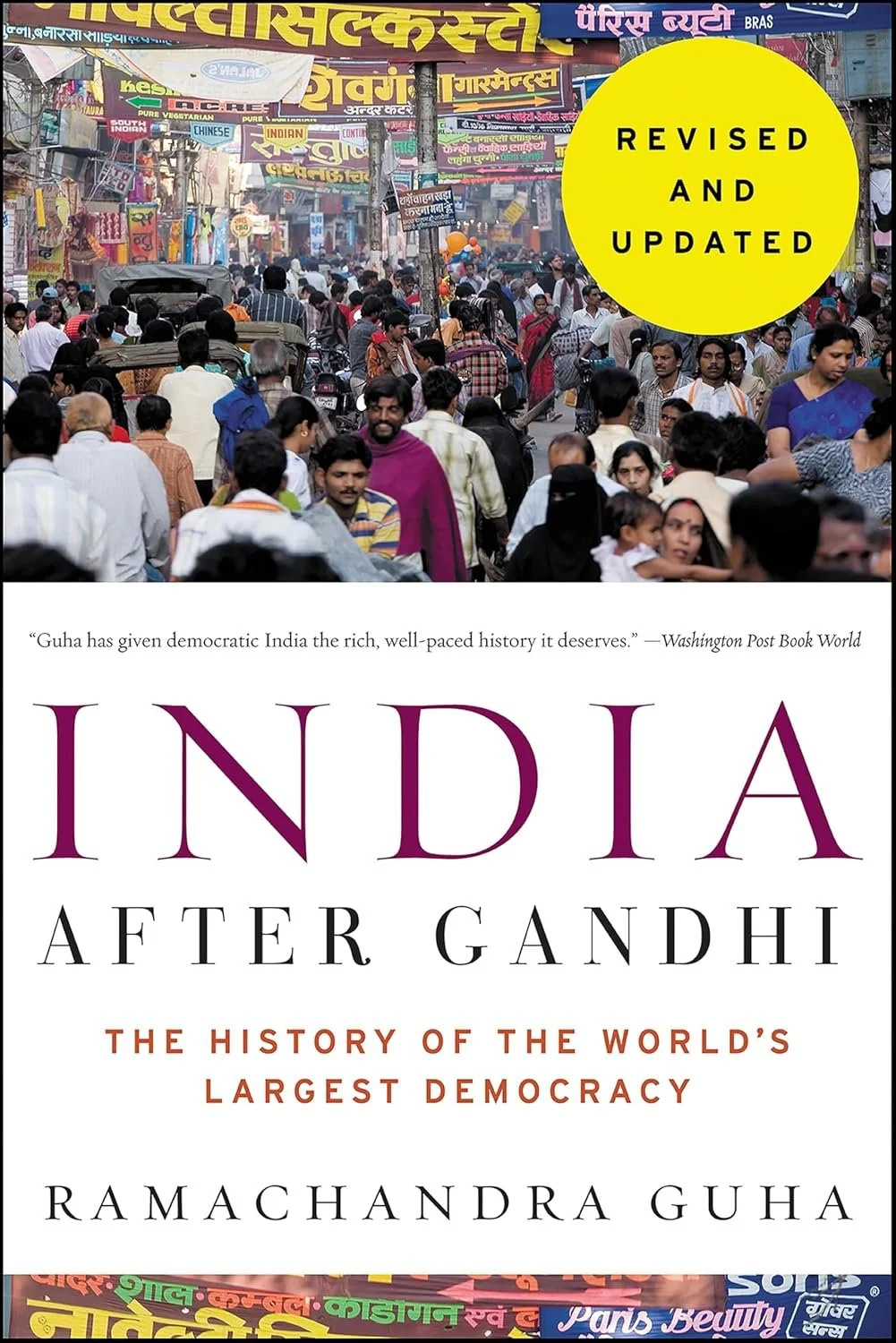
India After Gandhi, Ramachandra Guha
An in-depth history of India’s first steps into democracy. It navigates the legacy of colonialism, geopolitical pressures, and internal cleavages, and shows that India has long charted its own path in the world.
The Concept of the Political, by Carl Schmitt
Written by the chief legal theorist of the Nazi regime and frequently cited in Silicon Valley, it operationalises the friend-enemy distinction as the fundamental axis of politics.
Why Liberalism Failed, by Patrick J. Deneen
A conservative critique of liberalism’s failures that argues for a return to older values of community, religion, and tradition.
The Digital Republic, by Jamie Susskind
Attempts to apply institutional reform to existing liberal institutions and offers one possible path forward.
How Migration Really Works, by Hein de Haas
Dismantles the myths driving European migration politics and explains how migration is a strategic source of strength rather than weakness.
The China Model, by Daniel A. Bell
The strongest good-faith case for Chinese political meritocracy on its own terms.
World Order, by Henry Kissinger
The order-builder’s own account of how the postwar equilibrium is coming apart and the grammar of the multipolar order in which any partnership of equals would have to operate.
The AI Paradox, by Virginia Dignum
A governance-first account from within the responsible-AI field that treats AI as power to be governed rather than merely a product to be regulated, cutting through hype in both directions.
The Brussels Effect, by Anu Bradford
Documents how the European Union exports its rules through the gravity of its market, forcing companies far beyond its borders to comply. It is the clearest account of Europe’s one genuine form of technological power.
The Entrepreneurial State, by Mariana Mazzucato
Debunks the myth that only corporations can innovate effectively and demonstrates the enormous role that public-sector research and development played in creating today’s Big Tech firms.
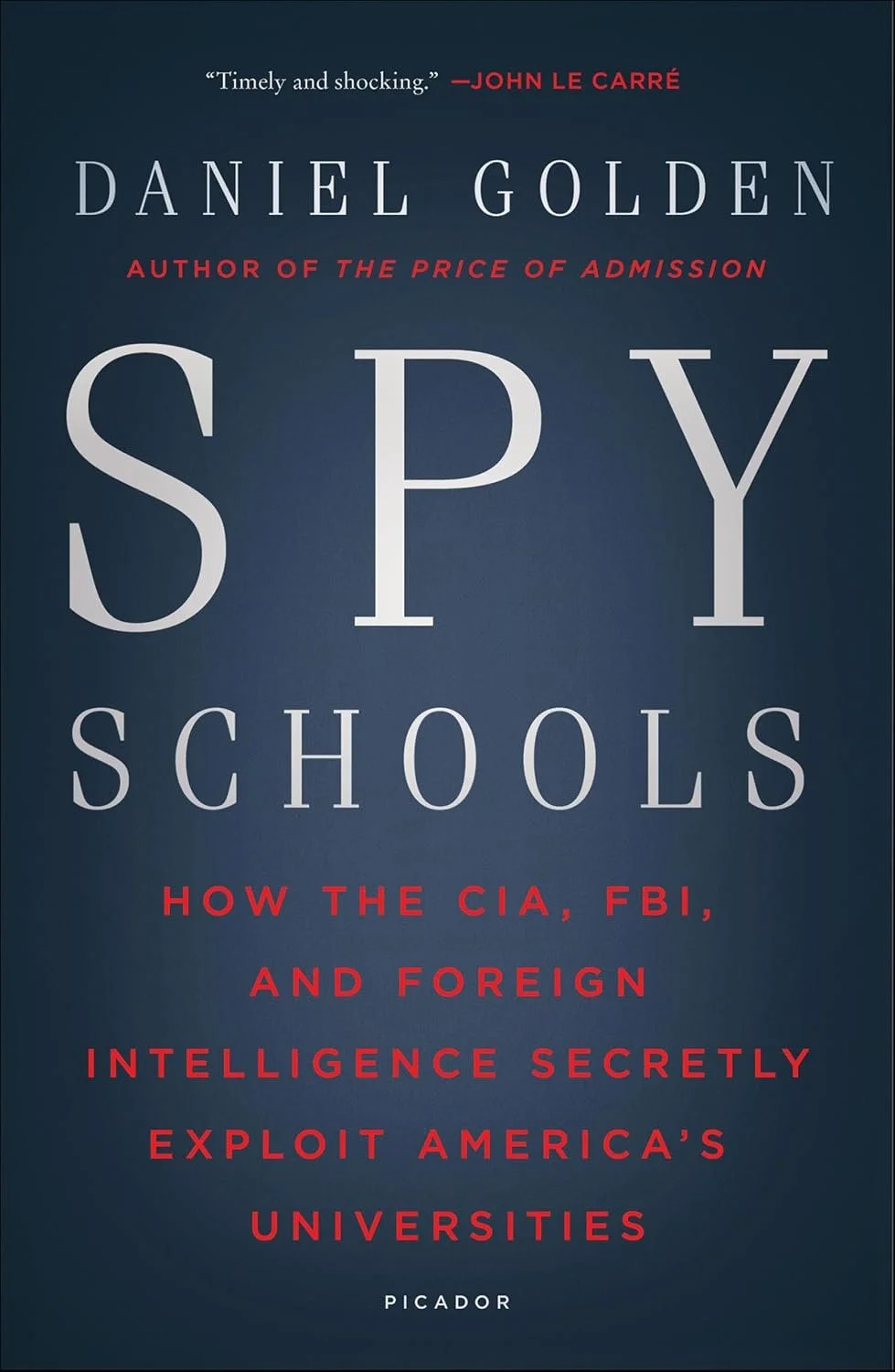
Spy Schools, by Daniel Golden
Covers the early securitization of the American academic sector after Chinese spies abused research access. It laid the groundwork for later efforts to ban students from the Seven Sons universities.
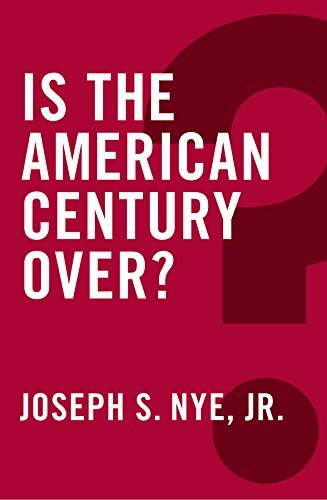
Is the American Century Over? by Joseph S. Nye, Jr.
An assessment of the strengths and weaknesses of the United States in an era of returning great-power politics. Crucially, the assessment was made before the election of Donald Trump.
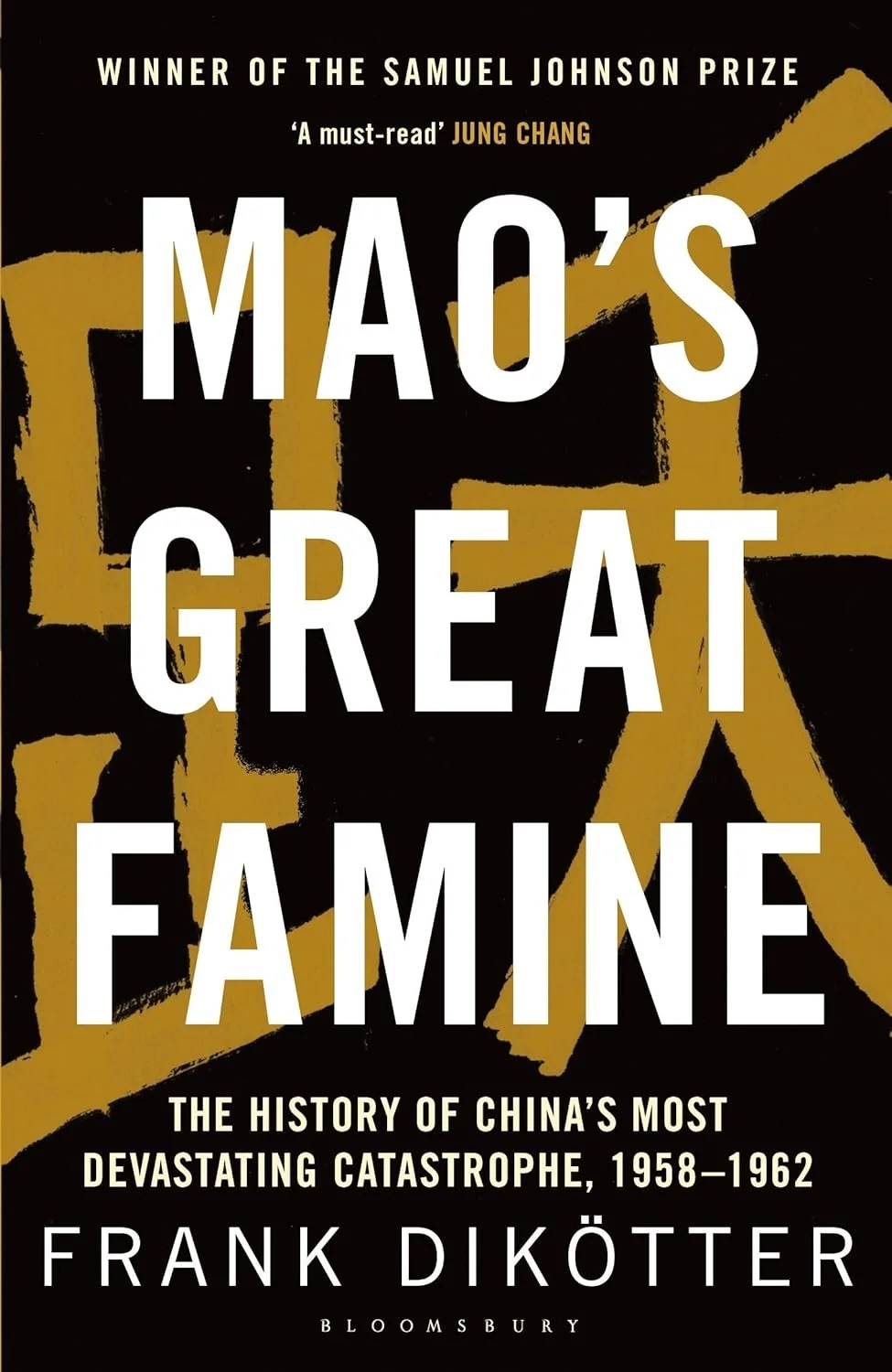
Mao’s Great Famine, by Frank Dikötter
The ultimate optimisation catastrophe: a society reengineered toward a projected future at the cost of tens of millions of lives.
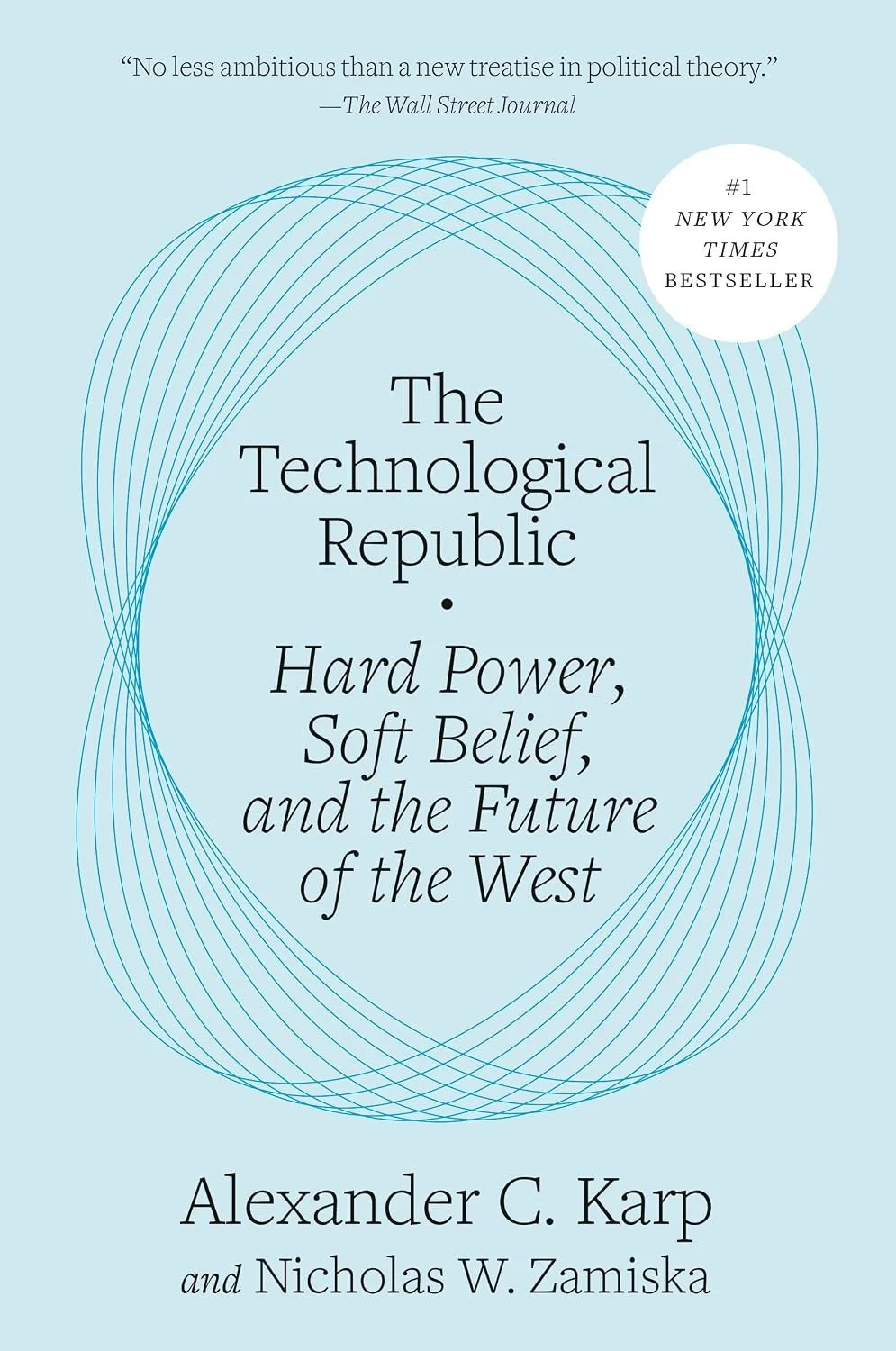
The Technological Republic, by Alexander Karp & Nicholas Zamiska
A frontal attack on Western culture as complacent, intellectually frail, and lacking decisive leadership. The book underlines the messianic argument made by technology elites in propagating their own vision of the future.
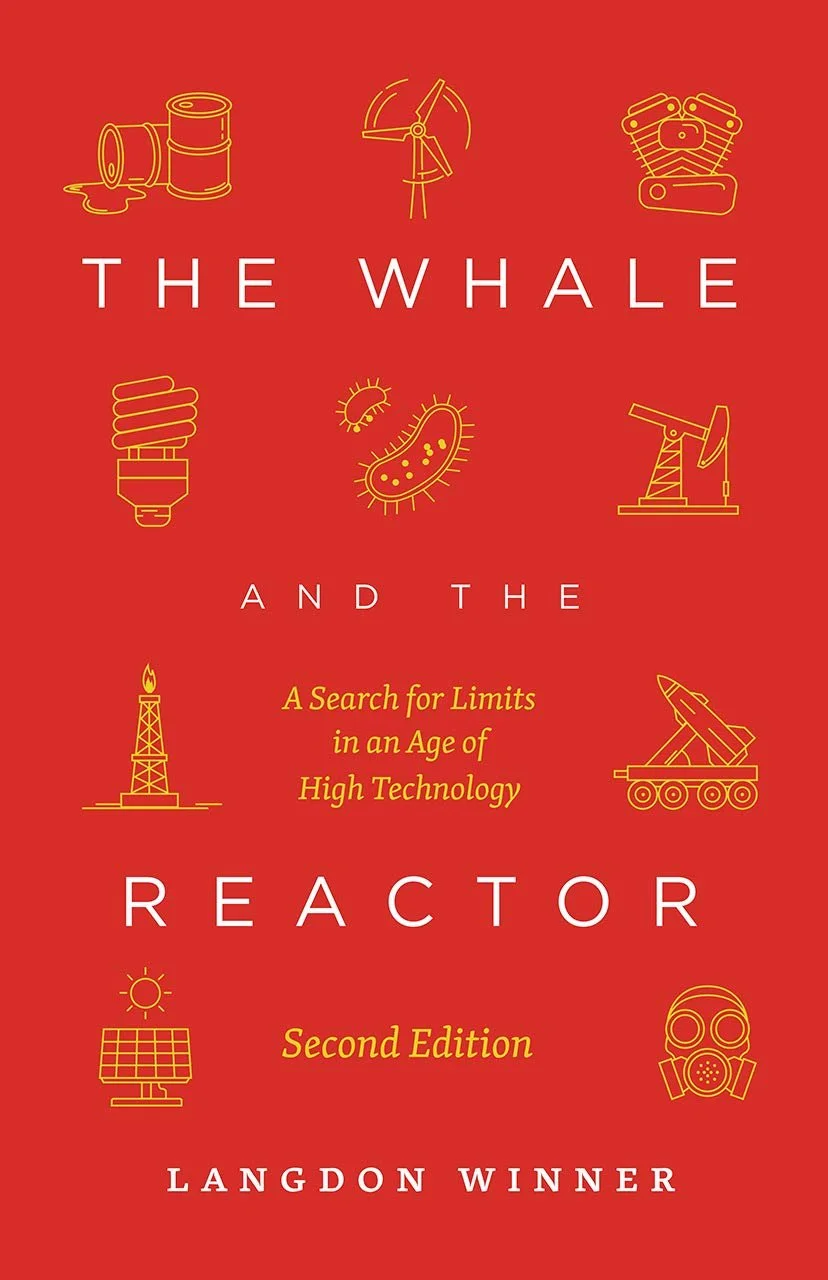
The Whale and the Reactor, by Langdon Winner
A seminal text in technology and society. It argues that technologies intrinsically carried values long before AI alignment became a central concern.
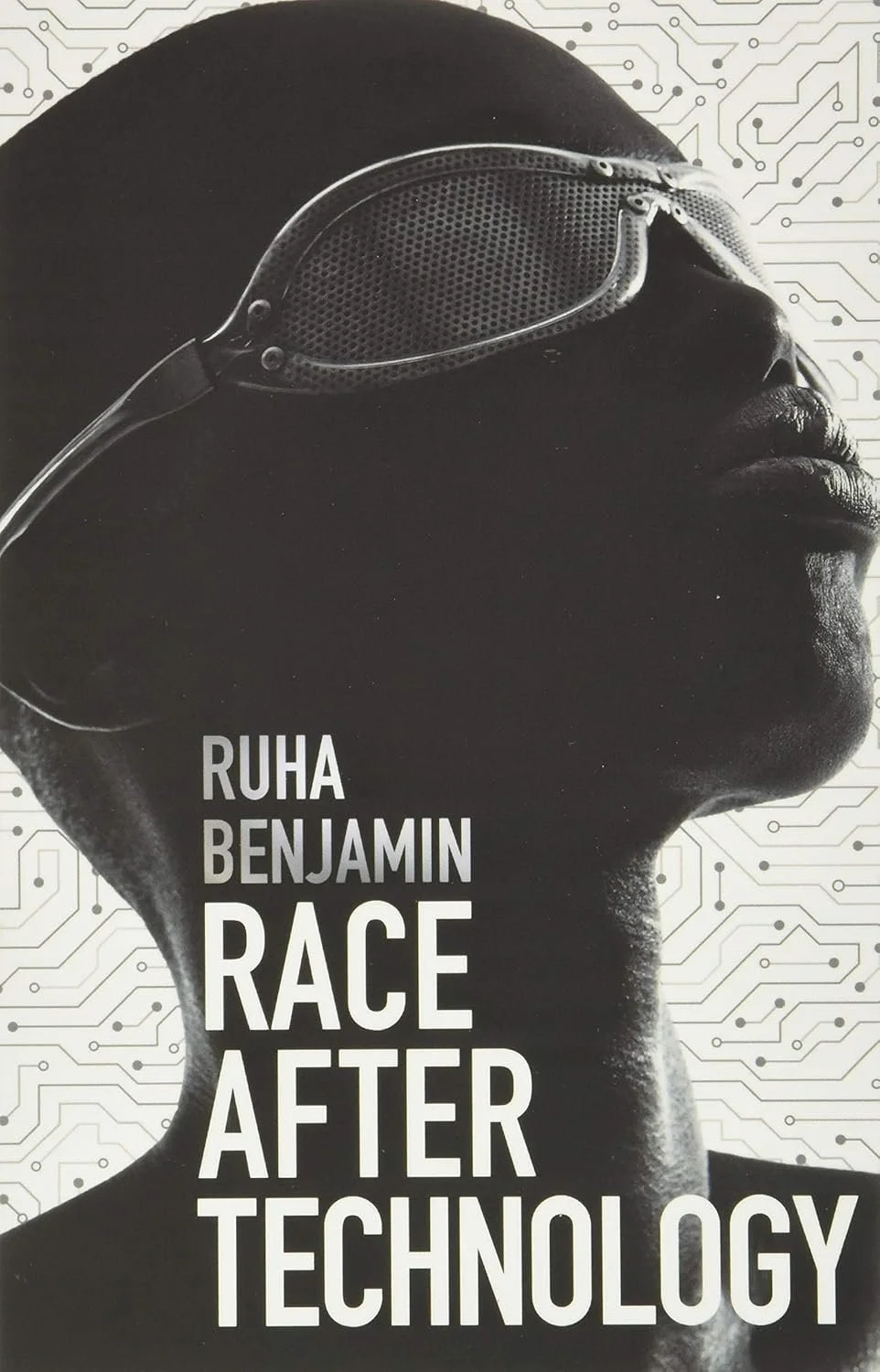
Race After Technology, by Ruha Benjamin
Takes the recognition that AI is racist and perpetuates injustice to its logical endpoint: how should we resist technology and abolish tools of algorithmic repression?
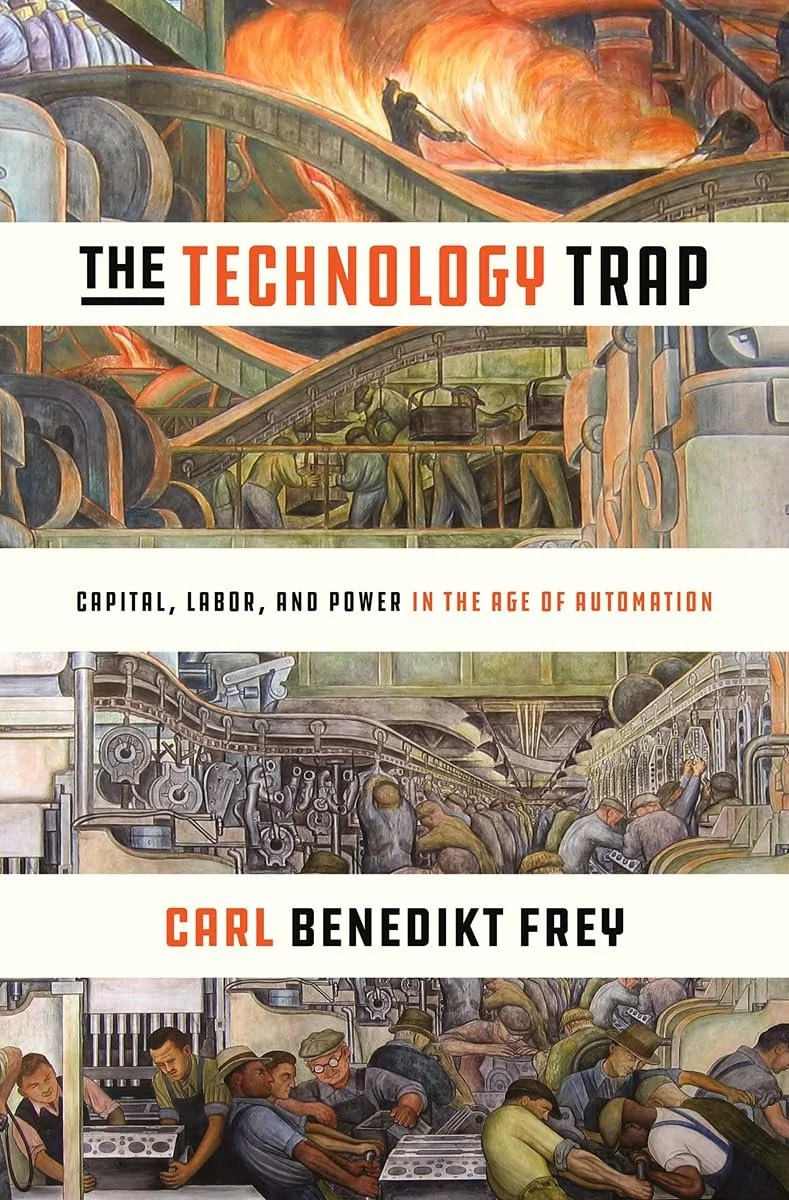
The Technology Trap, by Carl Benedikt Frey
Zooms in on the disruptive effects of technology on labour. Who wins, who loses, and how does labour disruption destabilise a social order?
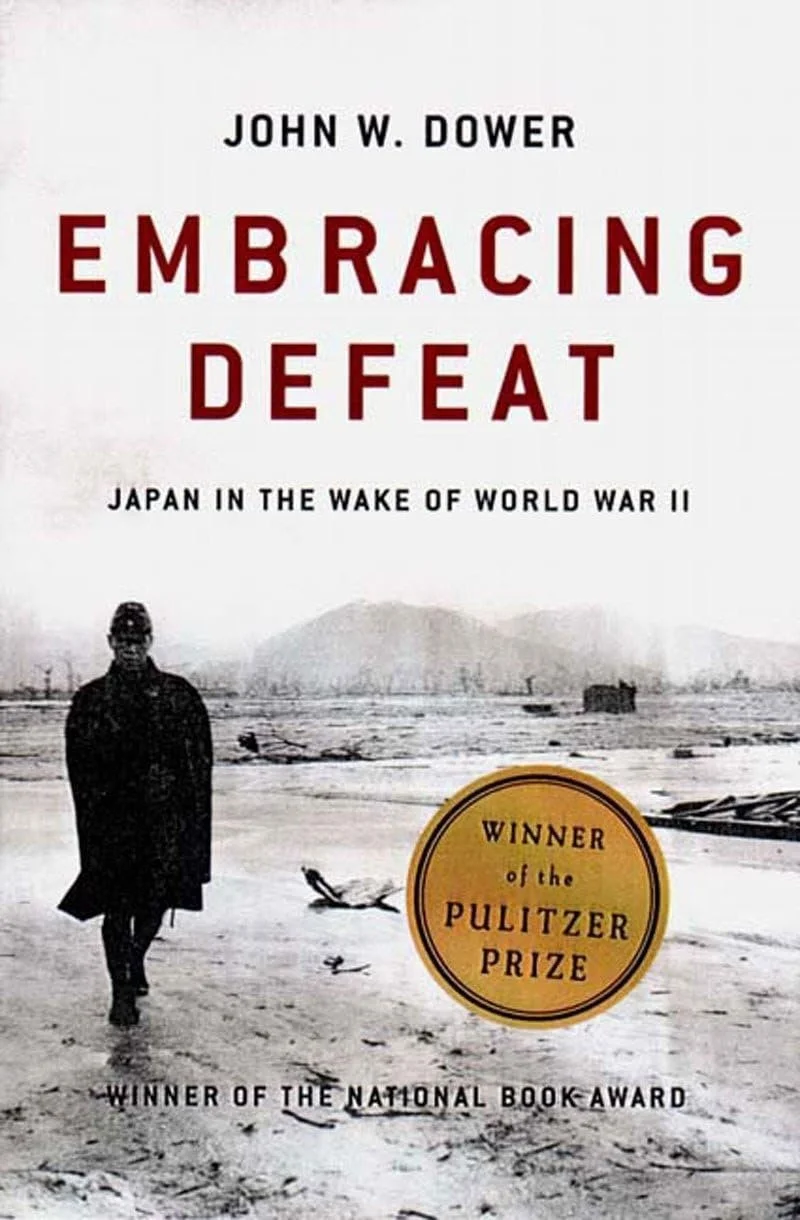
Embracing Defeat, By John W. Dower
Shows how Japan has gone through institutional rebuilding not once, but twice. The entire political and economic architecture of Japan was altered in the rubble of postwar Japan.